Ball Assisted Lying Bent Knee Hip Adduction
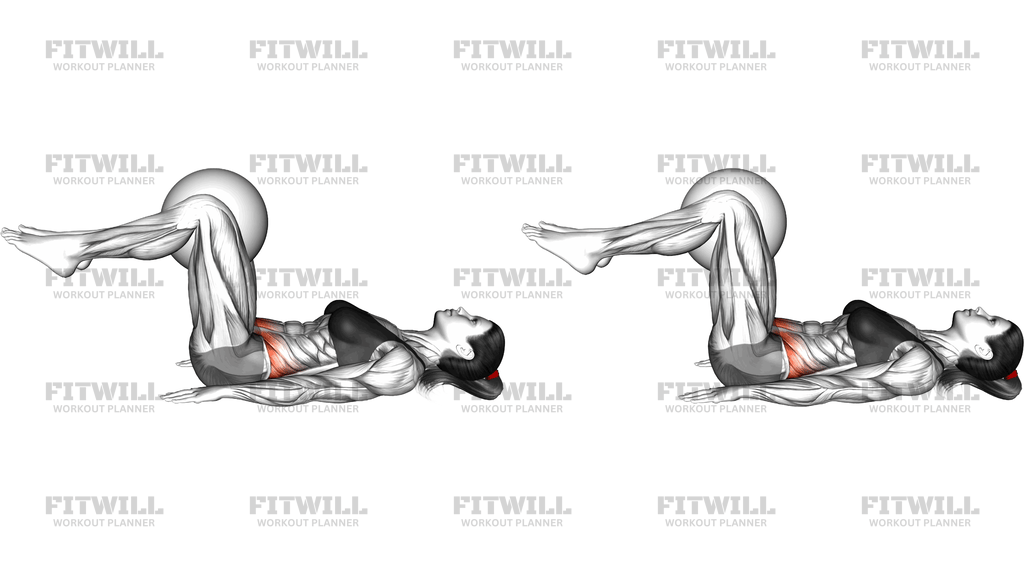
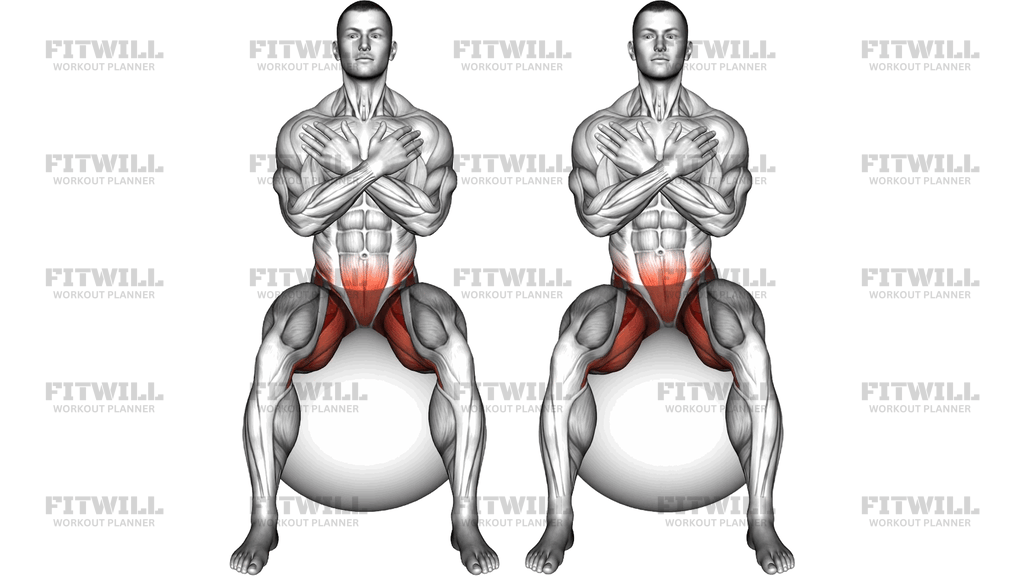
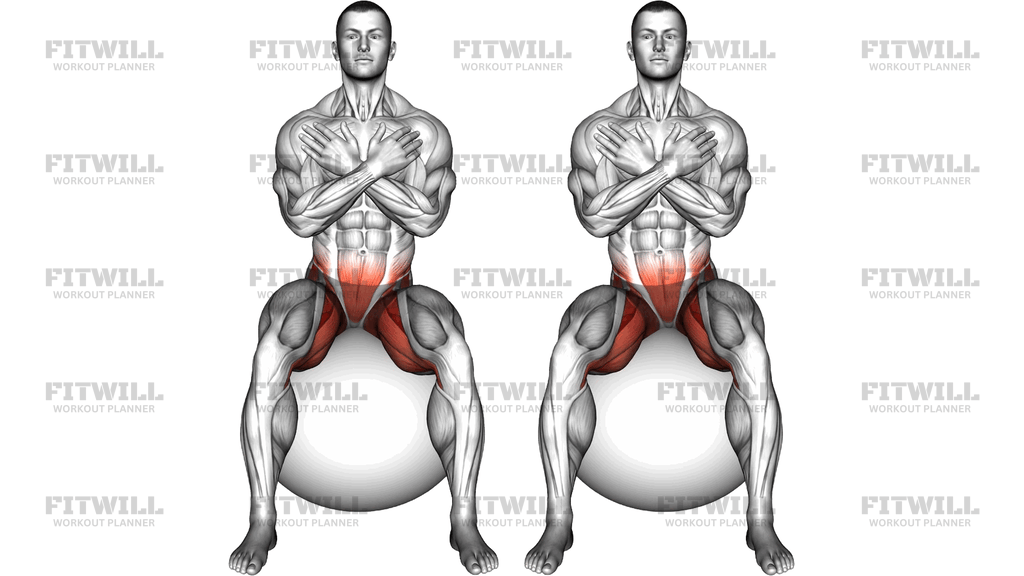
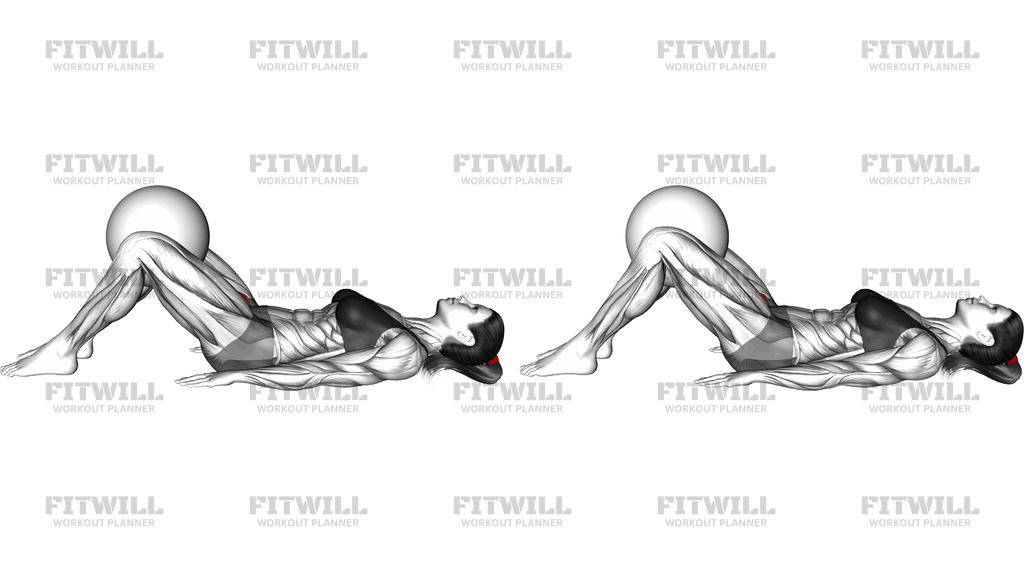
Ball Assisted Lying Bent Knee Hip Adduction is a simple, self-resisted exercise for the inner thigh muscles. You lie on your back with your knees bent and feet flat on the floor, place a stability ball between your knees, and squeeze the ball inward using your adductors. Because the ball provides gentle, even resistance without any machine setup, this movement is one of the most accessible ways to load the inner thighs.
The muscles doing the work are the adductors on the inside of the thigh — primarily the adductor longus and adductor magnus, with help from the gracilis. Your glutes and quadriceps hold the bent-knee position steady, and your core stays lightly engaged to keep your pelvis and lower back settled against the floor. The ball squeeze also gives you feedback about left-to-right balance, since a stronger side will visibly compress the ball more than a weaker one.
This exercise suits beginners learning to feel their inner thighs, people returning from time away from training, and anyone doing rehabilitation-style work where light, controlled adductor loading is appropriate. It also pairs well with glute bridges, clams, and other floor-based hip work, making it a common addition to warm-ups and lower-body activation circuits.
Setup matters more than it looks. Your distance from the ball, the bend of your knees, and the position of your pelvis all determine whether the squeeze hits the adductors or whether your hips and lower back do the work instead. Lie back so the ball rests comfortably between your bent knees, keep your feet about hip-width apart, and let your arms relax at your sides. Your spine should feel long and neutral, not arched or pressed flat by force.
To execute well, exhale and squeeze the ball steadily between your knees for two to three seconds, then release slowly to a light, controlled squeeze — not a complete drop. The squeeze should come from the thighs and hips rather than from rocking the pelvis or pushing through the feet. Keep the effort smooth; jerking or bouncing into the ball defeats the purpose of the slow tempo.
Because the resistance comes entirely from the ball's compression, intensity is naturally limited, which makes this a low-risk movement for most trainees. The main practical points are keeping the pelvis quiet, avoiding holding your breath, and choosing a ball size that lets your knees stay roughly over your hips with your feet flat. If your hamstrings cramp, soften the knee bend slightly and keep the squeezes shorter.
[ Workout Log & Planner ]
Put your next workout in Fitwill
Keep your plan and training log ready when you are.


Instructions
- Lie on your back on an exercise mat with your knees bent and your feet flat on the floor, roughly hip-width apart.
- Place a stability ball between your knees so it sits snugly against your inner thighs, and let your arms rest at your sides.
- Adjust your foot position until your lower back rests comfortably against the floor without arching, and relax your shoulders.
- Take a breath in, and gently brace your core to keep your pelvis and ribcage still.
- Exhale and squeeze the ball between your knees, drawing your knees toward each other using your inner thighs.
- Hold the peak squeeze for one to two seconds, keeping your glutes and feet relaxed and your hips level.
- Slowly release the squeeze over two to three seconds until the ball pressure is light but your knees stay in contact with it.
- Breathe steadily throughout, inhaling on the release and exhaling on each squeeze.
- Complete your repetitions, then lift the ball away from your knees before sitting up to reset.
Tips & Tricks
- If your lower back lifts or arches when you squeeze, your pelvis is doing the work — reset with a smaller knee bend and imagine your waistband staying flat against the mat.
- A ball that is too large pushes your knees into a wide, awkward angle; a mid-size ball that lets your knees stack near hip-width works best for this squeeze.
- Keep the pressure continuous rather than releasing the ball entirely between reps — the inner thighs work hardest when the release is slow and controlled.
- Watch for one knee creeping ahead of the other, which usually means one side is dominating; square your hips before each set.
- Cramping in the inner thigh or hamstring is common with this movement — shorten the hold and squeeze at about seventy percent effort until it settles.
- Push your feet into the floor lightly for stability, but do not drive through them, or the movement turns into a glute bridge.
- Keep your chin relaxed and your neck neutral; lifting your head to watch your knees often tips the ribcage and disturbs the brace.
- If the ball slips out from between your knees, dry both the ball and your legs, and reposition it so it contacts your inner thighs rather than just the kneecaps.
Frequently Asked Questions
Which muscles does Ball Assisted Lying Bent Knee Hip Adduction work?
The primary muscles are the adductors on the inside of the thigh, especially the adductor longus and adductor magnus. Your glutes, quadriceps, and core work in a supporting role to hold the bent-knee lying position.
Is the Ball Assisted Lying Bent Knee Hip Adduction a good exercise for beginners?
Yes. The setup is simple, the resistance is light and self-regulated by how hard you squeeze, and the lying position gives you clear feedback if your pelvis or back starts moving.
Why use a stability ball instead of just squeezing my knees together without it?
The ball gives your adductors something to press against, turning a static position into a resisted squeeze. It also provides even pressure along the inner thigh and immediate feedback if one leg pushes harder than the other.
How big should the stability ball be for this exercise?
Choose a ball that lets you lie comfortably with bent knees and your feet flat on the floor, so the ball fits snugly between your knees without forcing a wide leg angle. A smaller or mid-size ball usually works better than a very large one.
How many repetitions should I do?
Twelve to fifteen slow squeezes with a one to two second hold works well for activation. Because the resistance is limited, the quality and tempo of each squeeze matter more than adding large numbers of reps.
My hamstrings cramp during the ball squeeze — what should I change?
Slightly reduce your knee bend, squeeze at a lower effort, and shorten the holds. Cramping here often comes from squeezing at maximum intensity while the knee flexors assist the adductors.
Can I do Ball Assisted Lying Bent Knee Hip Adduction every day?
Because the load is light, most people tolerate it frequently, such as in daily warm-ups or mobility sessions. Still, treat it like any training stimulus and give the muscles normal recovery if you are doing multiple demanding sets.
What can I use if I do not have a stability ball?
A medicine ball, a small yoga block held between the knees, or a lightly folded pillow can work. You can also place a resistance band looped around your knees and squeeze inward against it for a similar effect.
Should my feet stay flat on the floor during the squeeze?
Yes. Keeping your feet flat and about hip-width apart anchors your legs so the effort stays in the inner thighs, and it helps prevent your pelvis from rocking as you squeeze.
Is it safe for my knees or lower back?
For most people, yes — the movement is low-load and performed lying down with the knees supported by the ball. If you have a current knee or hip injury, get clearance from a qualified professional first, and stop if the squeeze produces sharp pain rather than muscular effort.