Sitting Sciatic Nerve Mobilization
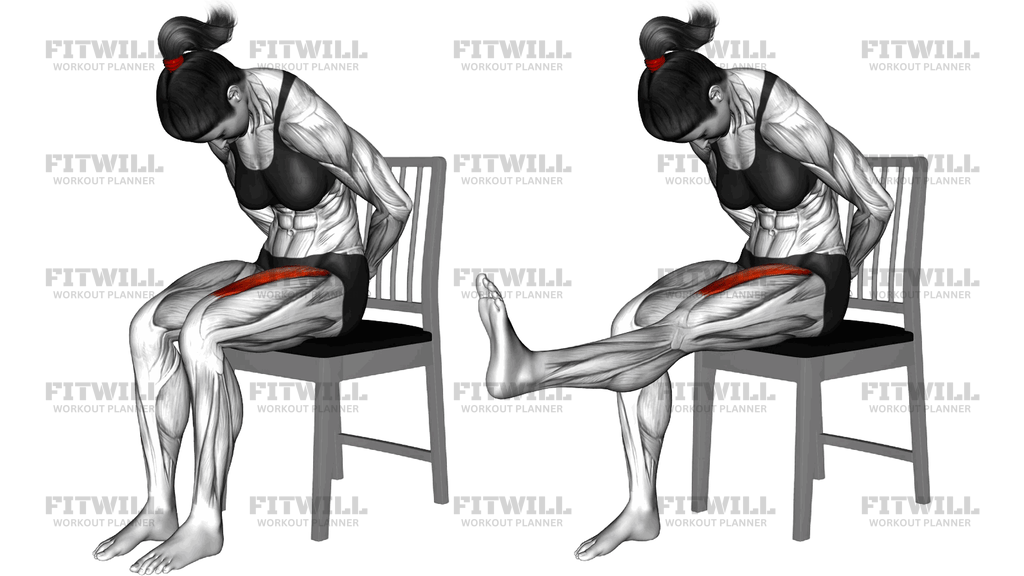
Sitting Sciatic Nerve Mobilization is a gentle nerve glide, or nerve floss, performed from a slumped sitting position on a chair. Unlike a traditional muscle stretch, the goal is not to forcefully lengthen the hamstrings or calves but to rhythmically move the sciatic nerve through the space it travels — from the low back, through the hip and behind the thigh, down toward the foot. You create this sliding effect by combining a rounded, slouched spine with a slow straightening of one knee and pulling the toes up toward the shin.
This drill is commonly used by people who spend long hours sitting and feel a pulling, tingling, or tight line running down the back of the leg, as well as by lifters and runners who want to keep the nervous system comfortable before or after hamstring-heavy training. Because the movement is done seated in a controlled slumped posture, it isolates the nerve response without demanding balance or flexibility, making it accessible for nearly anyone who can sit comfortably on a chair.
The setup matters more than in most stretches. Sitting toward the front edge of the chair, dropping the shoulders, and letting the head and chest curl forward tension the nerve from the top end. Extending the knee and dorsiflexing the ankle — pulling the toes back toward you — tension it from the bottom end. Alternating between the two positions creates the flossing effect, where the nerve slides slightly in relation to the surrounding tissue rather than being stretched hard at both ends at once.
To perform it well, move slowly and stay well below any sharp or radiating sensation. A mild stretch, tingling, or deep pulling behind the thigh or calf is expected; pain, numbness that lingers, or symptoms shooting past the knee are a signal to reduce the range or stop. Keep each repetition smooth, spend one to two seconds in each position, and breathe normally throughout.
Use this mobilization in daily breaks from desk work, as part of a warm-up before deadlifts, squats, or running, or in a cool-down alongside standard hamstring stretches. A typical session is one to two sets of eight to ten gentle repetitions per leg. If symptoms are persistent, worsening, or accompanied by weakness, consult a qualified health professional before continuing — this drill supports comfort and mobility but is not a substitute for an individual assessment.
[ Workout Log & Planner ]
Put your next workout in Fitwill
Keep your plan and training log ready when you are.


Instructions
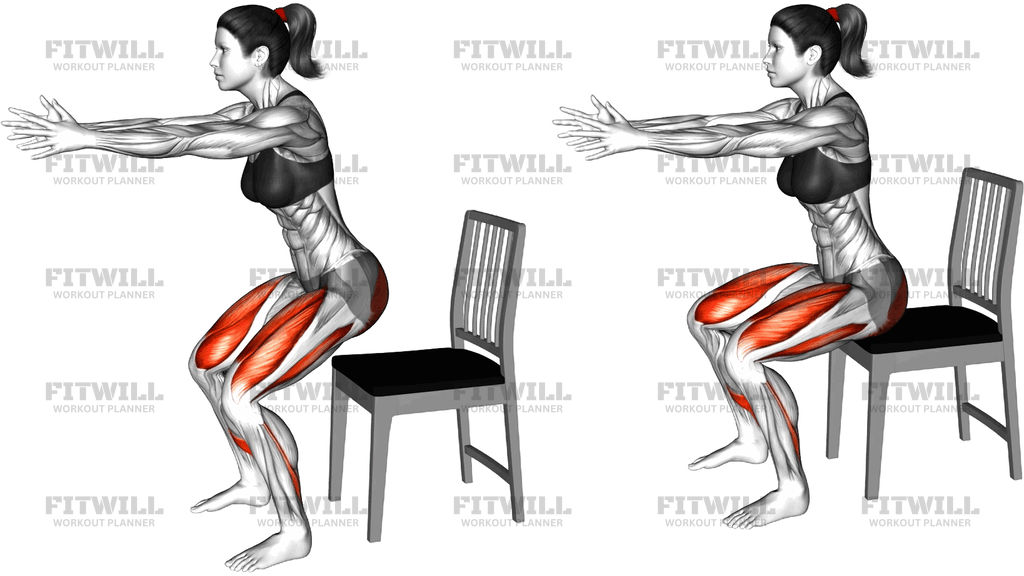
- Sit on the edge of a sturdy chair with your feet flat on the floor about hip-width apart and your hands resting behind your back on the seat or at your sides.
- Slump your posture: round your lower and mid back forward, let your shoulders drop, and gently tuck your chin toward your chest so you are looking down at your lap.
- Keep your spine in this slumped position for the entire set — the rounding is what tensions the nerve from the top and stays constant.
- Keeping the working foot relaxed at first, slowly straighten one knee out in front of you until you feel a mild stretch or pulling behind the thigh or calf.
- At the end of the knee extension, pull your toes up toward your shin to add gentle tension at the ankle.
- Hold the extended position for one to two seconds, staying at an intensity of mild stretch or light tingling, never sharp pain.
- Bend the knee and lower the foot back to the floor in a smooth, controlled motion to return to the start.
- Breathe steadily throughout, exhaling as the leg extends and inhaling as it returns.
- Complete eight to ten repetitions on one leg, then reset your sitting posture briefly before switching to the other side.
Tips & Tricks
- The most common mistake is sitting upright while extending the knee — that turns the drill into a hamstring stretch. Keep the spine rounded for the whole set so the nerve actually glides.
- If you feel symptoms creeping into sharp territory as the knee straightens, stop short of full extension. Work in the range where the sensation stays mild and fades quickly when you return.
- Try leaving the ankle relaxed on the first few reps. Adding the toe pull too early can overshoot the tension; layer it in only once the knee extension feels comfortable.
- Do not force your chin deeper toward the chest. The slump should come from the spine curling, not from cranking the neck, which can create unnecessary neck discomfort.
- Keep the movement rhythmic and slow. Holding a fully extended leg with the toes pulled up for a long time tends to provoke symptoms rather than settle them.
- If one side is clearly more sensitive, start with the easier leg so you can calibrate the range before moving to the restricted side.
- Sit on the front half of the chair so your thighs are mostly unsupported. If the seat presses into the back of the thigh, it changes the tension and limits the glide.
- Expect mild tingling to be acceptable, but anything that lingers after you finish means the intensity was too high — reduce the slump or knee extension next time.
Frequently Asked Questions
What does the Sitting Sciatic Nerve Mobilization actually target?
It targets the sciatic nerve's ability to slide through the tissues along the back of the leg, from the low back through the hip, hamstring, and calf. The hamstrings and calves are involved only passively as the knee and ankle move.
How is this different from a seated hamstring stretch?
A hamstring stretch keeps the spine long and holds the length statically, while this drill rounds the spine and moves the knee rhythmically to make the nerve glide. The goal is mobility of the nerve, not flexibility of the muscle.
Why do I have to slump forward and tuck my chin during the exercise?
Rounding the spine and flexing the neck tension the sciatic nerve from its upper end near the low back. That constant top-end tension means the knee extension then moves the nerve from the bottom, creating the flossing effect.
How many reps and sets should I do?
One to two sets of eight to ten smooth repetitions per leg is a common starting point. Because it is a low-load mobilization, it can be repeated once or twice a day if it feels good.
Is it normal to feel tingling all the way to my foot?
Light tingling or a traveling stretching sensation can occur with nerve glides, but it should stay mild and settle within seconds of returning to the start. If symptoms are strong, radiate sharply, or linger afterward, reduce the range or stop and seek professional guidance.
I only feel a strong hamstring stretch and no nerve sensation. Am I doing it wrong?
That usually means the knee extension is going too far into muscle range or the slump has loosened. Round your spine more, reduce the knee angle slightly, and add the toe pull to shift the sensation toward a pulling or tingling line rather than a pure muscle stretch.
Can beginners do the Sitting Sciatic Nerve Mobilization?
Yes. It requires only a chair and a small, slow range of motion, and the intensity is entirely self-controlled. Beginners should start with fewer reps, a partial knee extension, and no ankle movement until they learn what an appropriate sensation feels like.
What can I use if I do not have a suitable chair?
Any stable seated surface such as a bench, sturdy stool, or even the edge of a bed works, as long as your feet can rest flat on the floor and your thighs are mostly unsupported. Avoid soft couches that let your posture collapse unpredictably.
When is the best time to do this mobilization?
It works well as a movement break during long sitting periods, as a gentle warm-up before lower-body training, or after workouts involving heavy hamstring loading. Many people also use it in the evening to settle stiffness from a day of desk work.
Should I stop if I have diagnosed low back or nerve symptoms?
Do not start any nerve mobilization with new, worsening, or severe symptoms, or any associated leg weakness or numbness, without guidance from a health professional. If you have been cleared, keep the range small and stay well below provocation.