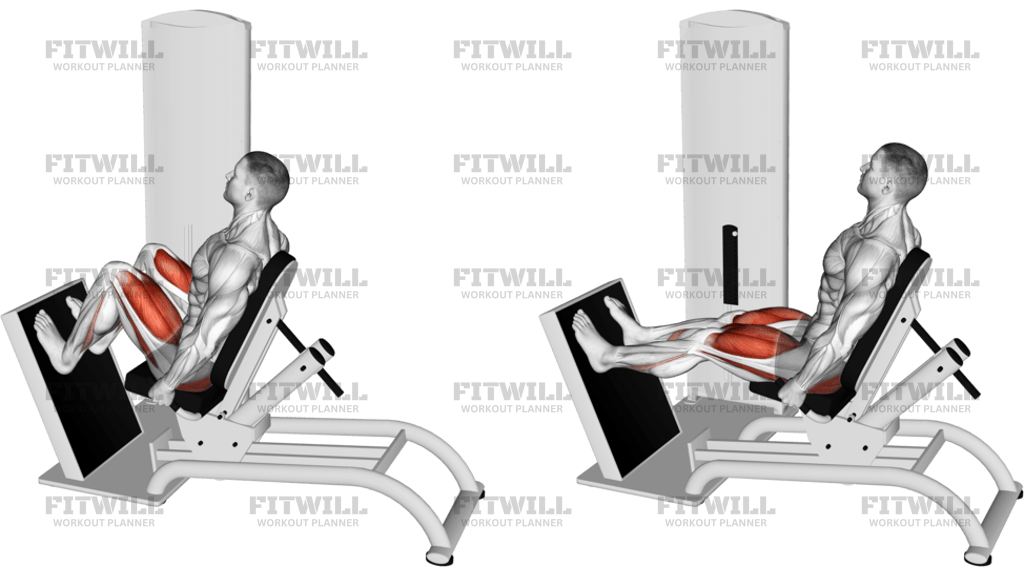
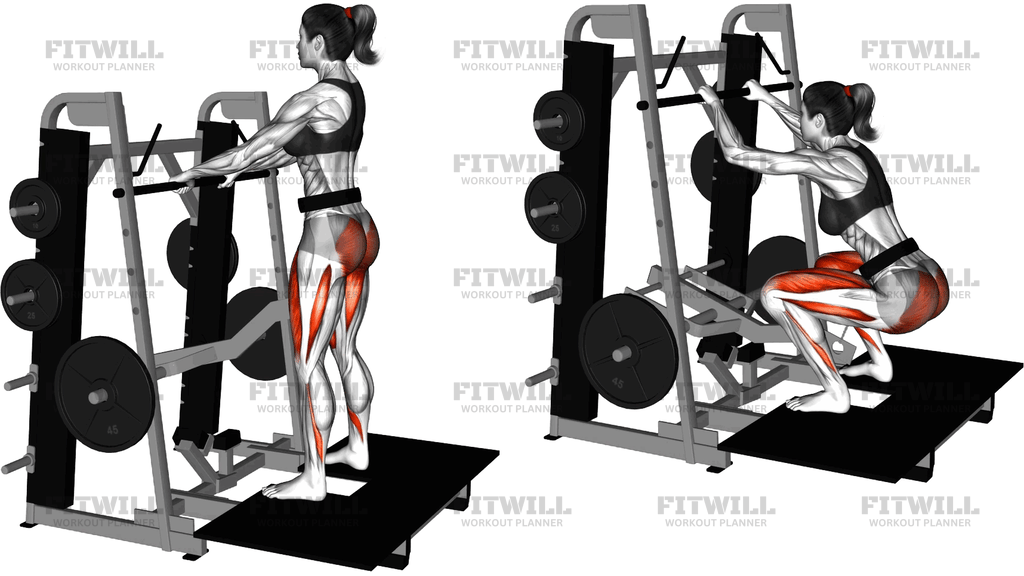
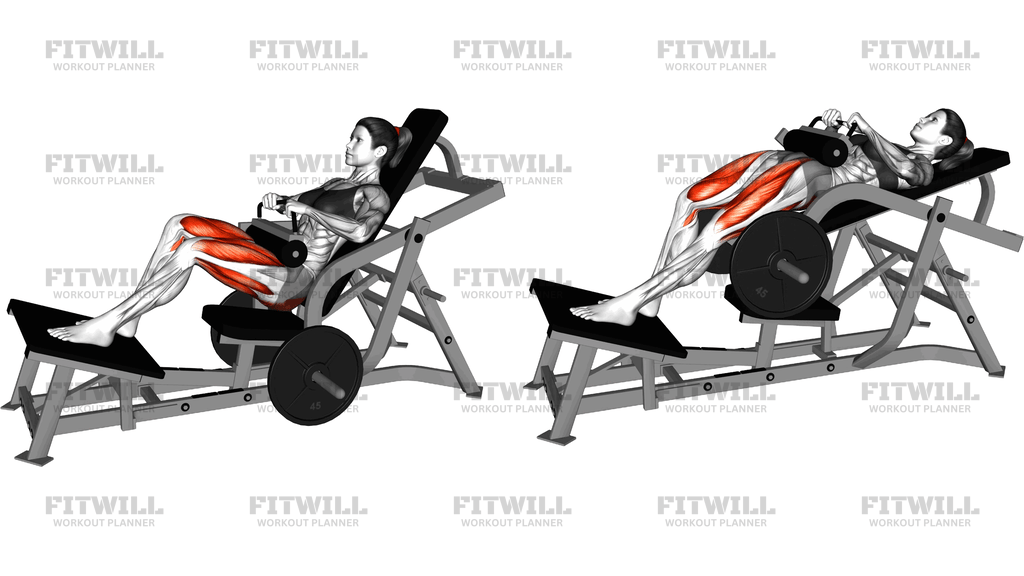
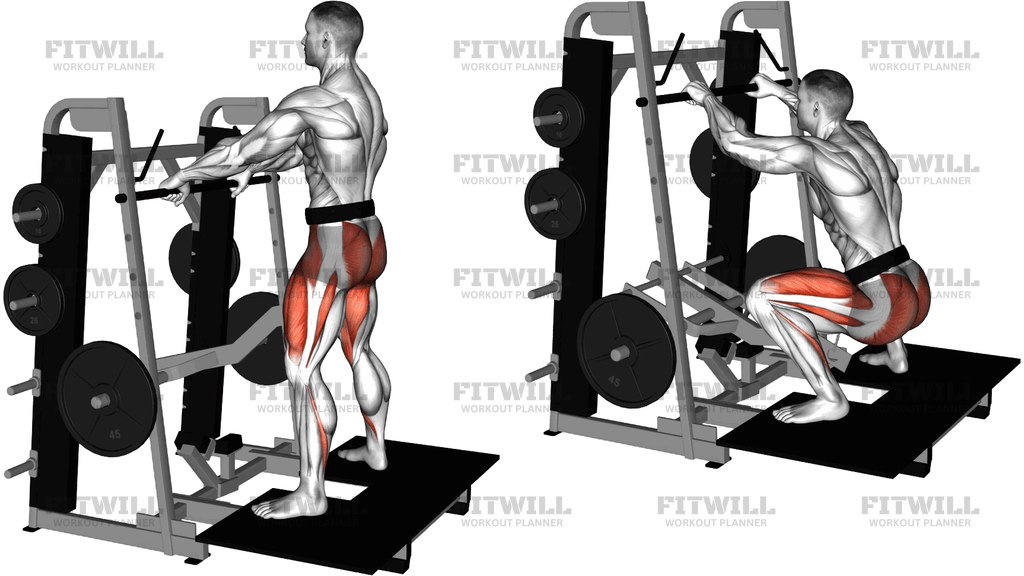
Lever Isometric Leg Extension
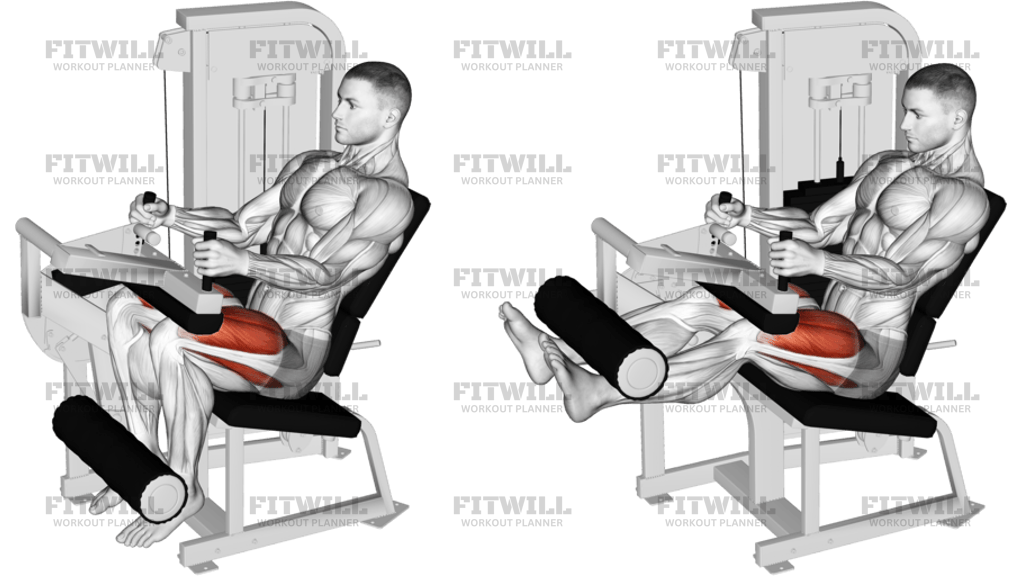
The Lever Isometric Leg Extension is a seated machine exercise where you drive the padded lever of a leg extension machine upward and hold the extended position against resistance instead of performing repeated reps. Your shins press into the roller pad, your back stays against the seat, and the quadriceps work statically to keep the knee straight. This makes it a pure isometric hold, meaning the muscle produces force without the joint moving through a range of motion.
This exercise is especially useful for building strength at one specific joint angle, usually full or near-full knee extension, which is where many lifters feel weakest or least stable. It is a common choice in rehabilitation-style training after knee issues, for breaking through plateaus in regular leg extensions, or as a finisher that fatigues the quads without heavy loading. Because the machine guides the path, it is also approachable for beginners who want to learn what a strong quad contraction feels like.
The setup matters more than people expect. The seat and back pad determine your hip and knee angles, and the roller pad position determines where the load lands on your shin. If you sit too far forward or let the pad slide toward your ankle, you increase stress on the knee joint itself rather than the muscle. Sit back firmly, align the pad just above the ankle, and grip the side handles so your torso stays anchored throughout the hold.
To execute it well, extend one or both legs against the lever resistance until the knee reaches full extension, then hold that position with steady tension for the prescribed time, typically five to thirty seconds. Breathe continuously rather than holding your breath, keep the toes pulled slightly up, and avoid pushing so hard that your hips lift off the seat. When time is up, lower the lever slowly and under control instead of letting it drop.
The highlighted area in this movement is the front of the thigh, particularly the quadriceps group crossing the knee, with the rectus femoris working alongside the vastus muscles. The hold is usually performed one leg at a time or with both legs together depending on the machine and your training goal. Because there is no eccentric lowering under load and no repetitive joint movement, it tends to be easier on the knees than heavy dynamic extensions, but you should still start with moderate resistance and progress gradually.
Use the Lever Isometric Leg Extension when you want targeted quad work without heavy reps, as a warm-up activation before squats or leg presses, or as a controlled strength tool around a specific knee angle. Stop and reduce the resistance if you feel pinching, sharp pain, or instability in the knee rather than muscular effort in the thigh.
[ Workout Log & Planner ]
Put your next workout in Fitwill
Keep your plan and training log ready when you are.


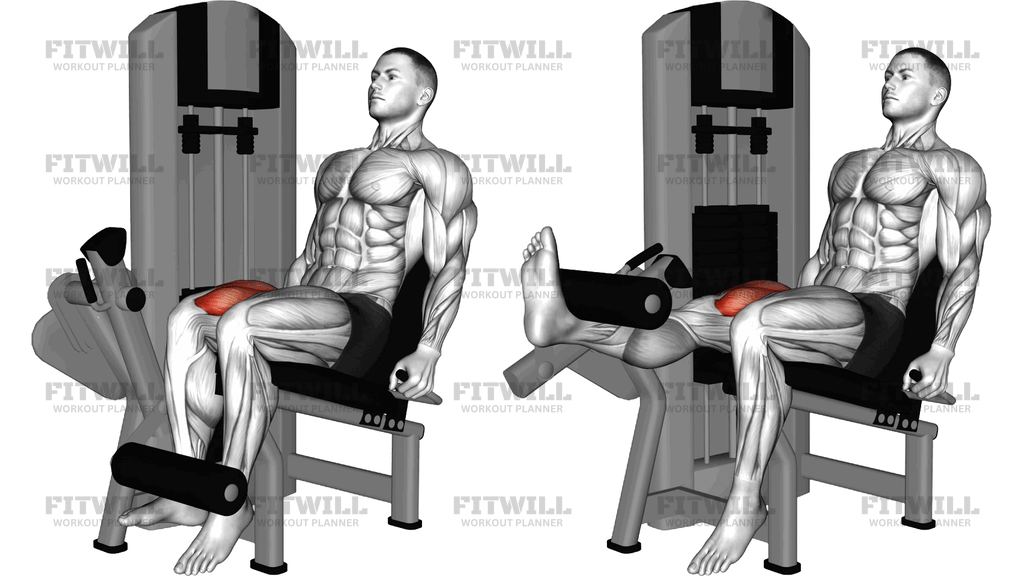
Instructions
- Sit on the leg extension machine with your back flat against the back pad and your hips fully supported on the seat.
- Position the roller pad so it rests on the front of your shins just above the ankles, and place your hands on the side handles with a firm grip.
- Bend your knees to roughly 90 degrees so your feet hang under the pad and your thighs are fully supported on the seat.
- Brace your core and press your lower back into the pad so your torso cannot lean forward during the hold.
- Extend your leg or legs upward against the lever resistance until the knee reaches full, straight extension.
- Hold the extended position with steady pressure against the pad for the target duration, keeping the quadriceps actively squeezed.
- Keep your hips down on the seat and your toes pulled slightly back throughout the hold to maintain tension on the front of the thigh.
- Breathe in a slow, continuous rhythm while holding, avoiding any breath-holding or straining.
- When the hold is finished, lower the lever slowly and with control until your knees return to the starting bent position.
- Reset your seating position and pad placement before beginning the next hold or switching legs.
Tips & Tricks
- Do not let the pad drift toward your ankles; if it slides during the hold, shorten the strap or adjust it so it stays just above the ankle bone.
- A common mistake is locking the knee passively at the top. Push actively into the pad for the entire hold so the quadriceps stay loaded.
- If your hips lift off the seat when you drive the lever up, the resistance is too heavy. Reduce the weight so your torso stays glued to the back pad.
- Keep both hands gripping the side handles. Letting go mid-hold shifts your balance and lets the torso twist toward the working leg.
- Avoid tilting your pelvis or arching your lower back to gain extension. If you cannot reach full extension without shifting, hold at the highest angle you can control.
- When working one leg at a time, keep the non-working foot flat on the floor to stabilize your torso and prevent leaning.
- Start with shorter holds of 5 to 10 seconds to learn the contraction before extending the duration or adding resistance.
- Do not bounce or pulse at the top of the hold. The value comes from a still, sustained push against the pad.
- If you feel pressure behind the kneecap instead of in the thigh muscle, back off slightly on extension angle and check that the pad is on the shin, not the foot.
Frequently Asked Questions
What muscles does the Lever Isometric Leg Extension work?
It primarily targets the quadriceps on the front of the thigh, including the rectus femoris and the vastus muscles that straighten the knee. There is little involvement from other major muscle groups since the joint stays still during the hold.
How is an isometric leg extension different from a normal leg extension?
In a normal leg extension you lift and lower the lever through a range of motion for repetitions. In the isometric version you extend the knee once and hold the straight-leg position against resistance for time, so the muscle works statically without movement.
How long should I hold the extended position?
Most lifters benefit from holds of 5 to 30 seconds depending on the goal, with shorter, harder holds for strength and longer holds for muscular endurance. Rest fully between holds so each one is performed with genuine effort.
Where exactly should the roller pad sit on my leg?
The pad should rest on the front of the shin just above the ankle. Placing it on the foot or too high near the knee changes the leverage and can put uncomfortable pressure on the wrong structures.
Can beginners do the Lever Isometric Leg Extension?
Yes, the machine guides the movement path and there are no complex coordination demands, so it is beginner friendly. Start with light resistance and short holds until you can keep your hips down and back against the seat throughout.
Should I work one leg or both legs during the hold?
Either works, and the image setup supports both. Single-leg holds let you address side-to-side differences and keep the non-working foot on the floor for stability, while two-leg holds let you handle more total resistance.
What is the most common mistake with this exercise?
The most common mistake is sitting too far forward or letting the hips rise as the lever goes up, which shortens the effective quad work and loads the lower back instead. Sit back firmly and grip the handles to anchor your torso.
What can I use if my gym has no leg extension machine?
A resisted isometric hold can be recreated with an ankle strap attached to a low cable or by pressing your foot against an immovable object while seated. The key is a straight-knee push against fixed resistance from a supported seated position.
Is holding the knee fully straight safe?
For most people, sustained extension against moderate machine resistance is well tolerated and commonly used in controlled strength work. If you have a current or previous knee condition, start at a slightly bent angle and consult a qualified professional before progressing.
When should I use this exercise in my workout?
It works well as an activation drill before squats or leg presses, or as a finishing hold after your main leg exercises. Because it is an isometric, it pairs best with dynamic exercises rather than replacing them entirely.