Assisted Hanging Knee Raise With Throw Down
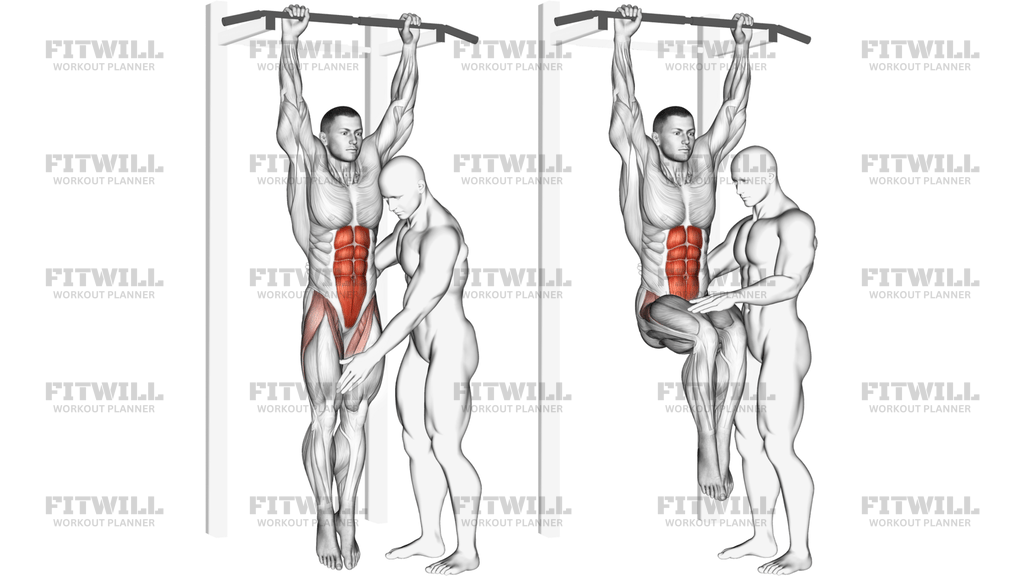
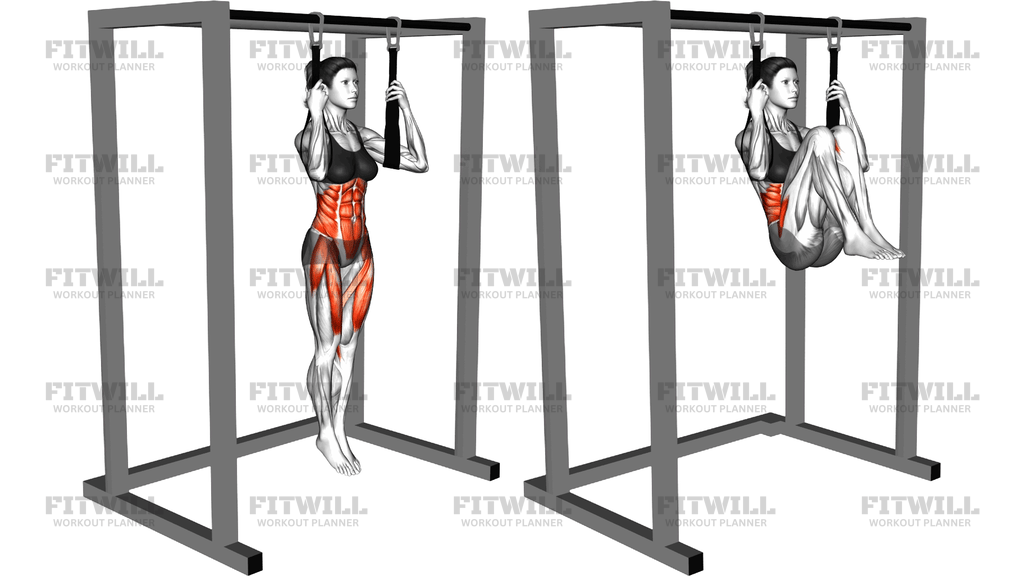
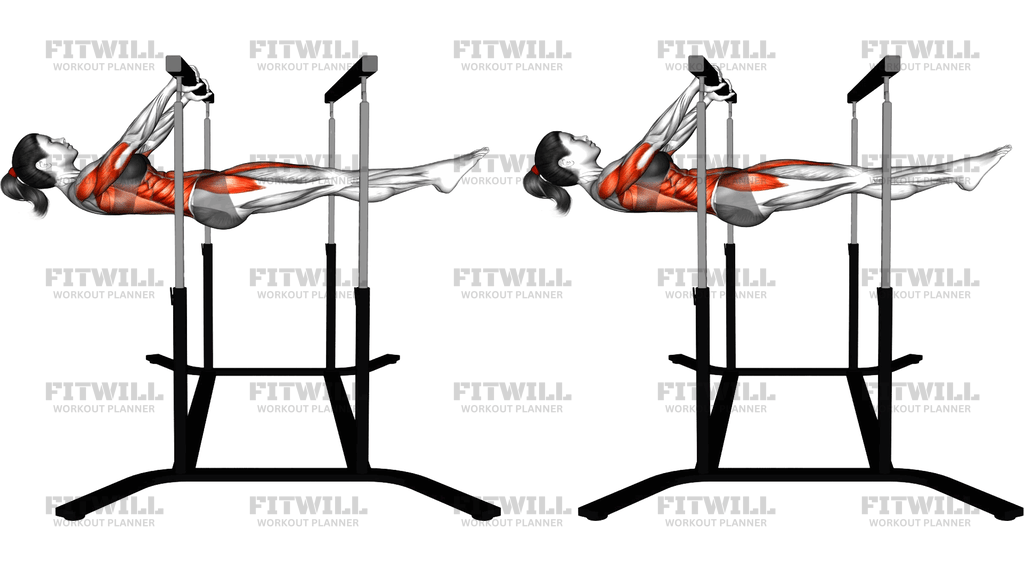
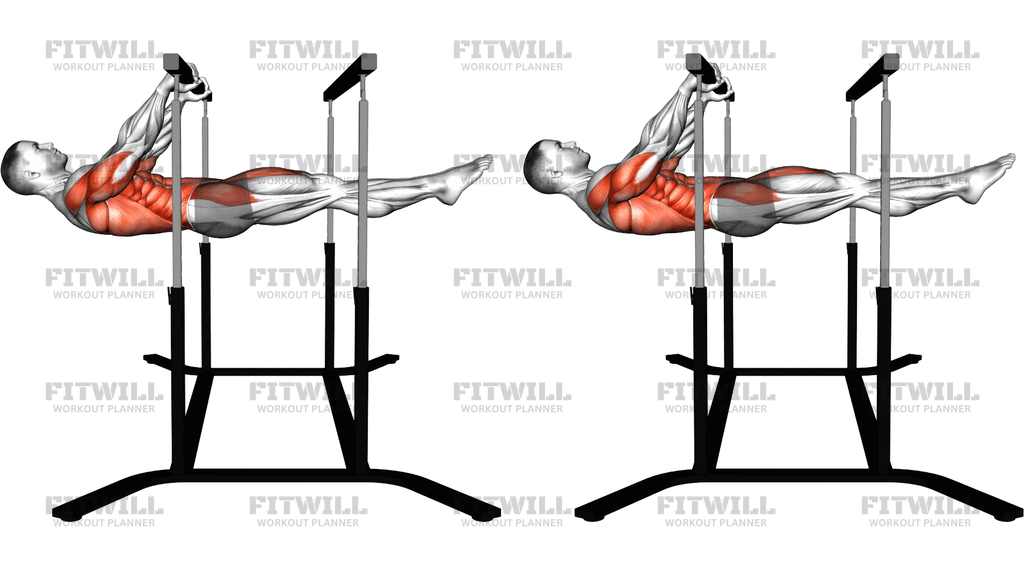
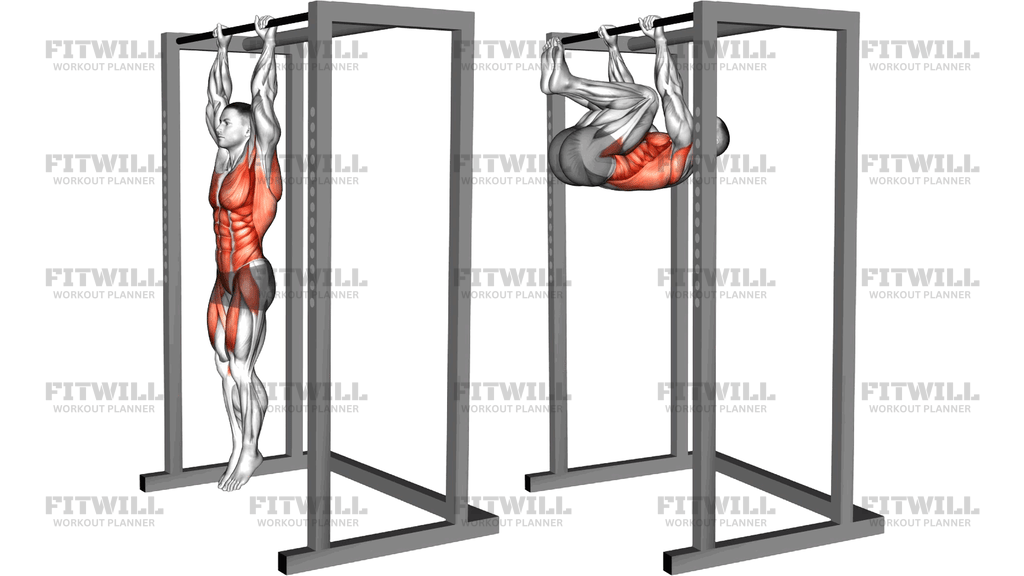
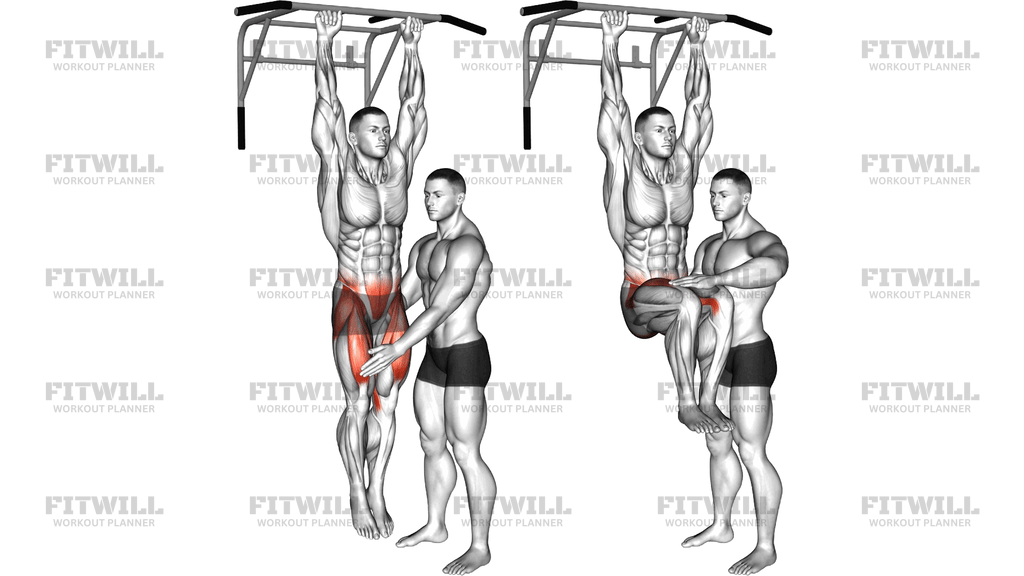
Assisted Hanging Knee Raise With Throw Down is a partner-resisted core exercise performed from a hanging position or a captain's-chair style knee raise station. You raise the knees toward the chest, pause with the pelvis tucked, and then resist as a partner pushes the legs downward. The added throw-down makes the lowering phase more demanding, so the exercise is best for people who already control regular hanging knee raises well.
The primary target is the abs, especially the rectus abdominis, because the trunk must resist the fast downward force and prevent the lower back from arching. The hip flexors help lift the knees, while the forearms and shoulders stabilize the hanging or supported position. The value of the drill comes from controlled resistance, not from the partner trying to overpower you.
Set up from a secure pull-up bar or assisted knee raise station with the shoulders active and the body still. If you are hanging, grip firmly and avoid relaxing into the shoulder joints. If you are in a station, press the forearms into the pads and keep the upper back tall. Before the partner push, raise the knees toward the chest and slightly tuck the pelvis so the abs are ready to resist.
The partner should push the lower legs down with a firm but predictable force. Your job is to slow the legs, keep the ribs down, and stop the descent before the lower back arches or the body swings. After each rep, settle the body before lifting again so the next knee raise starts from control rather than momentum.
Assisted Hanging Knee Raise With Throw Down works well as an advanced core finisher, athletic trunk-control drill, or progression after strict hanging knee raises. Keep the reps low to moderate because fatigue quickly turns the movement into swinging. If your grip, shoulders, or lower back fail before the abs, reduce the partner force or return to slow eccentric knee raises.
Common mistakes include using too much partner force, letting the legs drop freely, swinging into the next rep, or raising the knees without a pelvic tuck. Communicate clearly with your partner and stop immediately if the push feels sharp, surprising, or painful. Every rep should look like a controlled fight against the downward force, not a leg drop you barely catch.
[ Workout Log & Planner ]
Put your next workout in Fitwill
Keep your plan and training log ready when you are.


Instructions
- Set up in a hanging knee raise station or hang from a secure pull-up bar.
- Let your body settle so you are not swinging.
- Brace your abs and raise your knees toward your chest.
- Pause briefly at the top with your pelvis slightly tucked.
- Have your partner push your legs downward with controlled force.
- Resist the push and lower your legs without letting your back arch.
- Stop the swing before beginning the next rep.
- Repeat for the planned number of controlled reps.
Tips & Tricks
- Use a gentle partner push until you know how much force you can control.
- Keep your shoulders active and avoid hanging passively.
- Tuck your pelvis slightly at the top to bring the abs into the movement.
- Do not let the legs swing into the next rep.
- Stop the set if your lower back starts to take over.
- Master regular hanging knee raises before adding the throw-down.
- Tell your partner to push the lower legs downward, not shove unpredictably through the feet.
- Pause after each resisted lowering phase until your body is still before starting the next knee raise.
Frequently Asked Questions
What muscles does the Assisted Hanging Knee Raise With Throw Down work?
It primarily works the abs, with help from the hip flexors and grip muscles.
Is Assisted Hanging Knee Raise With Throw Down beginner-friendly?
No. It is better for intermediate or advanced users who can already control regular hanging knee raises.
How hard should the partner push?
The push should be firm but controlled, never so hard that you lose position or feel pain.
Can I do it without a partner?
Yes, you can perform regular hanging knee raises or slow eccentric knee raises without the throw-down.
Why do I swing during the exercise?
Swinging usually means the lowering phase is too fast. Use less partner force and pause between reps.
Where should my partner push during Assisted Hanging Knee Raise With Throw Down?
Your partner should push downward on the lower legs with steady, predictable pressure. They should not shove suddenly or push so hard that your lower back arches.
What should I do at the top of the knee raise?
Pause with your knees high and pelvis slightly tucked before the throw-down. That position prepares the abs to resist the downward force.
How do I make Assisted Hanging Knee Raise With Throw Down safer?
Use light partner pressure, stop each swing between reps, and end the set as soon as you cannot control the lowering phase without arching your back.