Cable One-Arm Lateral Bent-Over Right Side
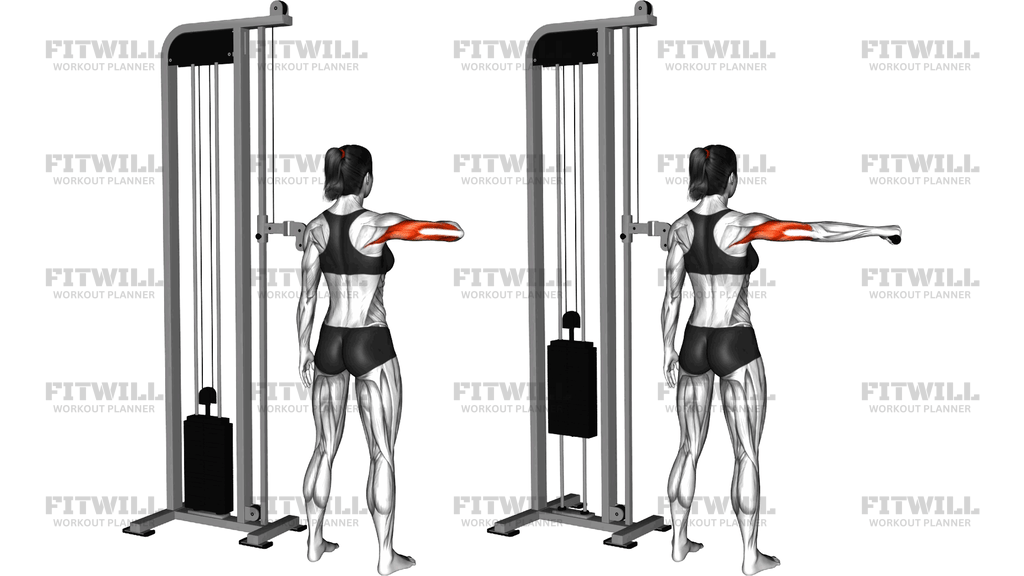
Cable One-Arm Lateral Bent-Over Right Side is the right-arm version of a bent-over rear-delt raise. The hinged position lines the cable up with the back of the shoulder, so the movement stays focused on rear-delt abduction instead of becoming a standing swing or a torso-driven pull.
The primary target is the rear deltoid, with the upper back, middle shoulder, and core helping stabilize the body. Because the exercise is unilateral, it is useful for improving right-side shoulder control, checking side-to-side differences, and making sure the rear delt, not the waist or trap, is doing the work.
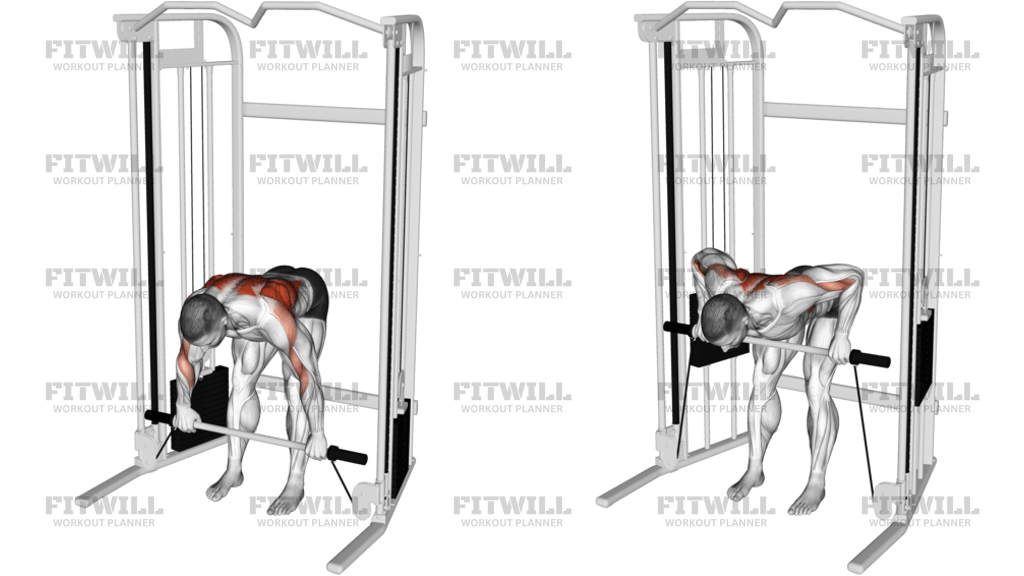
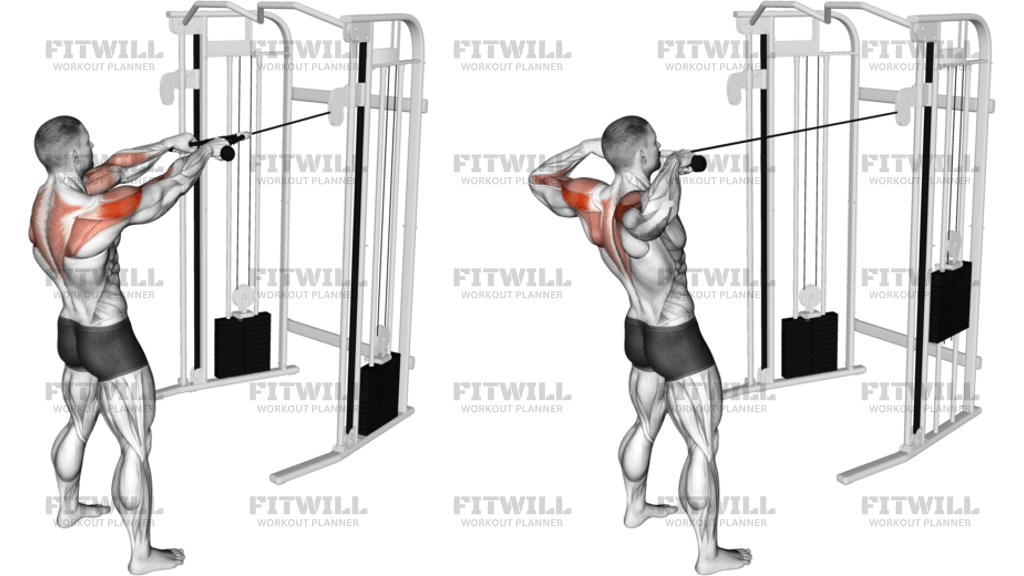
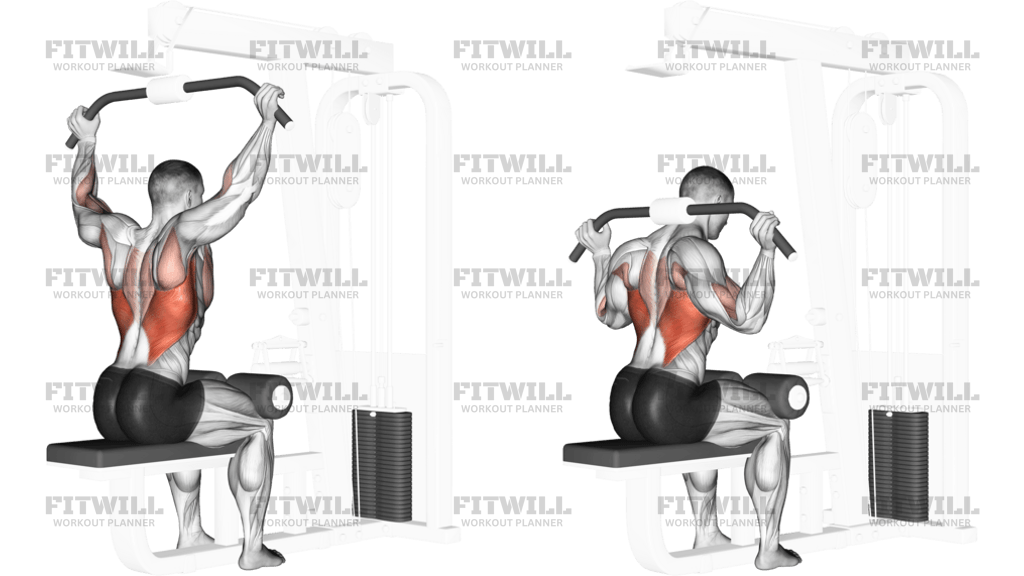
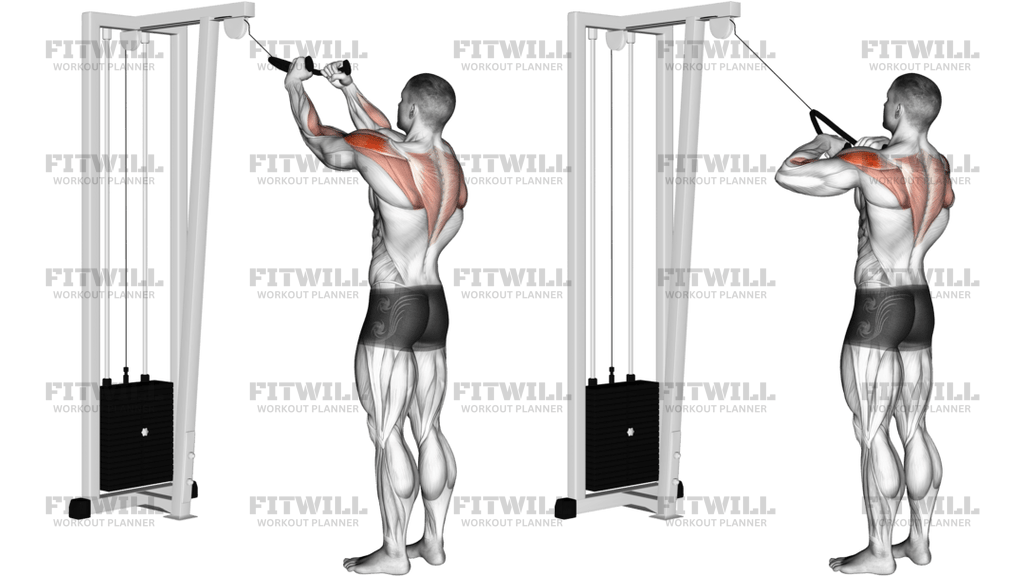
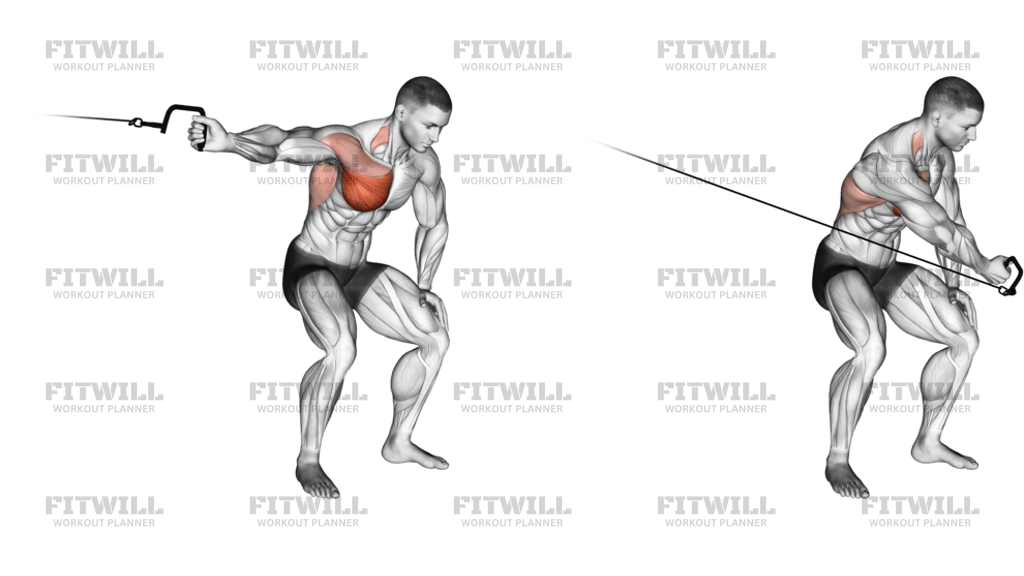
Attach a single handle to a low cable and hinge forward into a stable bent-over posture. Hold the handle in the right hand with a soft elbow bend, keep the spine neutral, and brace the core before you begin. Raise the right arm out laterally through the rear-delt arc, pause briefly near the top, and lower slowly back to the start without twisting the waist or shrugging the shoulder.
Cable One-Arm Lateral Bent-Over Right Side works well as a rear-delt accessory after rows or pressing, especially when you want a precise one-sided shoulder isolation movement. The bent-over stance keeps the resistance line honest and makes it easier to feel whether the shoulder or the body is driving the rep. Good sets are small, strict, and repeatable, with the torso staying quiet while the right rear delt does the lifting.
If the body starts rotating or the trap takes over, reduce the load and shorten the range. The goal is a clean right-side rear-delt raise that feels controlled from the first rep to the last.
[ Workout Log & Planner ]
Put your next workout in Fitwill
Keep your plan and training log ready when you are.


Instructions
- Attach a single handle to a low cable and hinge forward into a stable bent-over posture.
- Grip the handle in your right hand with a soft elbow bend and keep the left side free for balance.
- Brace your core so the spine stays neutral and the torso does not rotate.
- Raise the right arm laterally through the rear-delt arc.
- Pause briefly near the top without shrugging the shoulder or twisting the waist.
- Lower the handle slowly back to the start while keeping the same elbow bend.
- Keep the movement small and strict so the rear delt stays in charge.
- Repeat for the planned reps, then switch sides if the program calls for both arms.
Tips & Tricks
- If the torso twists, the load is too heavy or the stance is too loose for a strict rear-delt raise.
- Keep the right elbow slightly bent throughout so the shoulder, not the arm swing, drives the motion.
- The hand should travel on a rear-delt line, not straight back or straight up, if you want the target to stay honest.
- Use a smaller range if the trap starts lifting the shoulder near the top.
- A short pause helps you feel whether the rear delt is doing the work or whether the body is sneaking in help.
- Keep the neck long so the shoulder does not creep toward the ear.
- Match tempo carefully if you train the left side as well; the goal is symmetry, not just completion.
- Light weight done cleanly is far more useful than a heavy rep that has to be rescued by rotation.
Frequently Asked Questions
What muscles does Cable One-Arm Lateral Bent-Over Right Side work?
It mainly works the right rear deltoid, with the upper back and core helping stabilize the position.
Why use unilateral rear-delt work on the right side?
It helps improve side-to-side symmetry and lets you focus on the right shoulder without the left side taking over.
Should I go heavy on Cable One-Arm Lateral Bent-Over Right Side?
Usually no; strict technique is more effective for this rear-delt isolation pattern.
Can I do Cable One-Arm Lateral Bent-Over Right Side seated?
Yes, but the seated version changes how much stabilization you need from the torso.
What is the most common mistake in this exercise?
Using back swing or torso rotation instead of shoulder motion.
Does Cable One-Arm Lateral Bent-Over Right Side help posture?
It can support shoulder balance when it is programmed consistently alongside other back work.
How many sets should I use for this exercise?
A few controlled sets are usually enough in a shoulder-focused session.