Dumbbell Incline Shrug
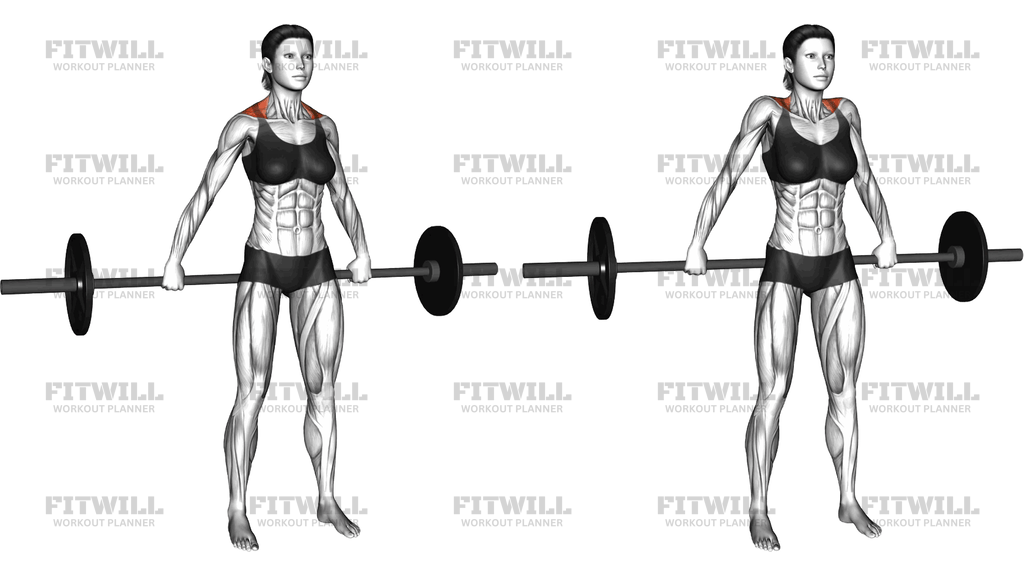
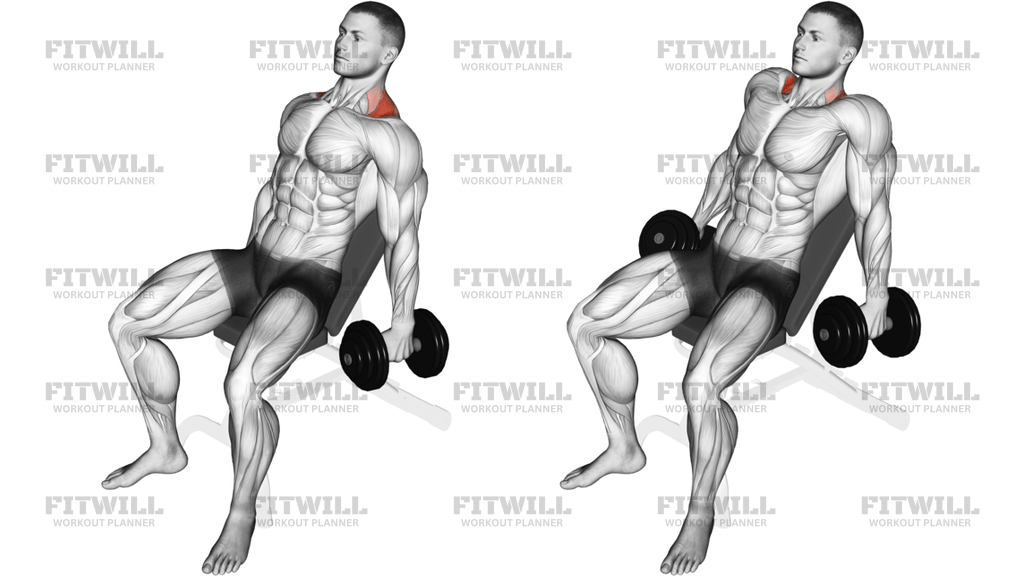
Dumbbell Incline Shrug is a chest-supported shrug variation for building the upper traps with very little body English. The incline bench takes away most of the swing you can get from standing shrugs, so the set is judged by how cleanly the shoulders rise and lower while the dumbbells stay hanging at your sides.
This exercise is mainly about the traps, with the upper back and grip helping to stabilize the position. Because your torso is braced against the bench, it is easier to keep the elbows straight and isolate shoulder elevation instead of accidentally turning the rep into a curl, row, or full-body heave.
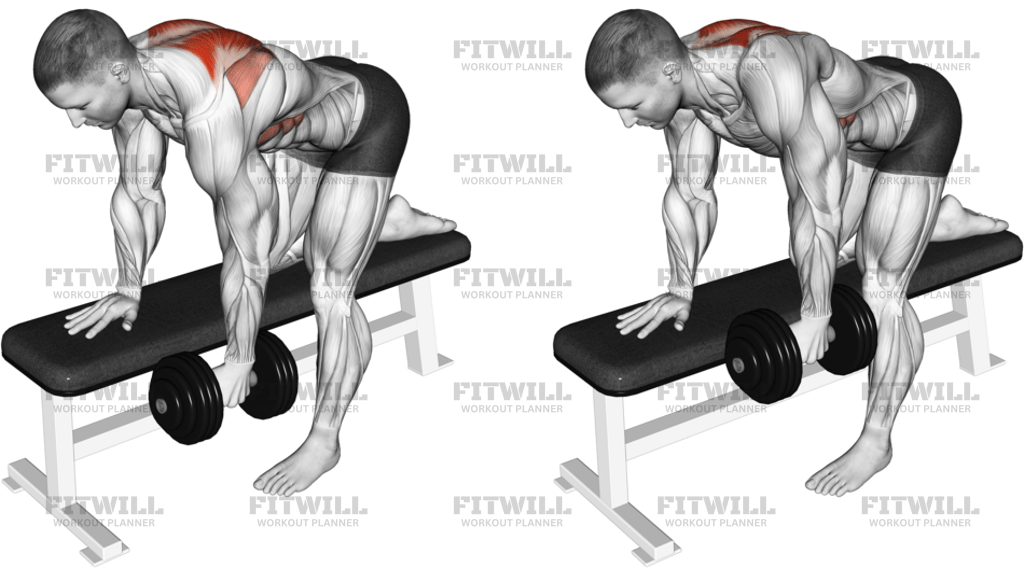
Set your chest and upper back against the incline pad, plant your feet, and let the dumbbells settle in a dead hang beside the bench. From there, the rep starts with a small, direct lift of the shoulders toward the ears. The neck stays long, the chin stays neutral, and the arms stay quiet so the load travels only through the shrug path.
At the top, the trap contraction should feel tight but not crammed into the neck. Lower the dumbbells slowly until the shoulders are fully lengthened again, then repeat with the same path and tempo. The best reps look simple from the outside: no rolling, no bouncing, no leaning back to finish the movement, and no elbow bend to steal the work.
Use Dumbbell Incline Shrug as an accessory when you want trap work with stricter control than a free standing shrug. It is useful for lifters who tend to cheat shrugs, but it also rewards experienced lifters who want a harder pause and a cleaner eccentric. Keep the load honest and stop the set when you can no longer lift and lower the shoulders without losing the bench-supported position.
[ Workout Log & Planner ]
Put your next workout in Fitwill
Keep your plan and training log ready when you are.


Instructions
- Set a low-to-moderate incline bench and sit with your chest and upper back supported against the pad.
- Plant both feet firmly on the floor so your hips stay still during the set.
- Hold a dumbbell in each hand and let your arms hang straight beside the bench with neutral wrists.
- Keep your chin level and your neck long before the first rep starts.
- Exhale and raise both shoulders toward your ears without bending your elbows.
- Pause briefly at the top and squeeze the upper traps without shrugging the shoulders forward.
- Inhale as you lower the dumbbells slowly until the shoulders are fully lengthened again.
- Repeat each rep from the same dead-hang position and stop if you have to swing or twist to finish.
Tips & Tricks
- Keep the elbows locked in a soft, fixed position so the movement stays in the shoulders, not the arms.
- Choose a load that lets you pause at the top; if you have to bounce through the rep, the dumbbells are too heavy.
- Think about lifting the shoulder girdle straight up instead of circling the shoulders or rolling them backward.
- Let the dumbbells hang close to the sides of the bench so the weights do not drift forward into a half-row.
- Keep the chest in contact with the pad; if you start peeling off the bench, the set has become too loose.
- Hold the top for a beat to make the traps work without relying on momentum.
- Keep the chin tucked gently and the back of the neck long so the shrug does not turn into a head jam.
- Use a slower lowering phase than lifting if you want more time under tension from the supported position.
Frequently Asked Questions
What muscles does Dumbbell Incline Shrug work?
It mainly trains the upper traps, with the upper back and grip helping stabilize the supported position. The incline bench reduces cheating so the shoulder elevation does most of the work.
Is Dumbbell Incline Shrug good for beginners?
Yes, because the bench support makes the shrug easier to control than a standing version. Start light and make sure you can keep your elbows straight and your chest on the pad.
How should my body sit on the incline bench?
Set your chest and upper back against the pad, keep your feet planted, and let the dumbbells hang beside the bench. If your torso slides around, adjust the bench or seat height before you start.
Should I bend my elbows during the shrug?
No. Keep the arms long and quiet so the dumbbells do not turn the exercise into a curl or row.
How high should the dumbbells move?
Only as high as you can lift the shoulders without rolling them forward or losing contact with the bench. The top should feel like a strong trap squeeze, not a neck crunch.
What is the most common mistake in Dumbbell Incline Shrug?
Using too much weight and turning the shrug into a bounce, a roll, or a half-row is the biggest mistake. If the dumbbells are swinging, the load is too heavy.
Can I do Dumbbell Incline Shrug if my neck gets tight easily?
You can, but keep the range smaller and the tempo slower so the neck does not take over. If the top position feels jammed or painful, reduce the load and shorten the shrug.
How do I make the exercise harder without just adding weight?
Use a longer pause at the top or a slower lowering phase while keeping the chest supported on the bench. Both changes increase the trap demand without encouraging sloppy momentum.