High Knee Squat
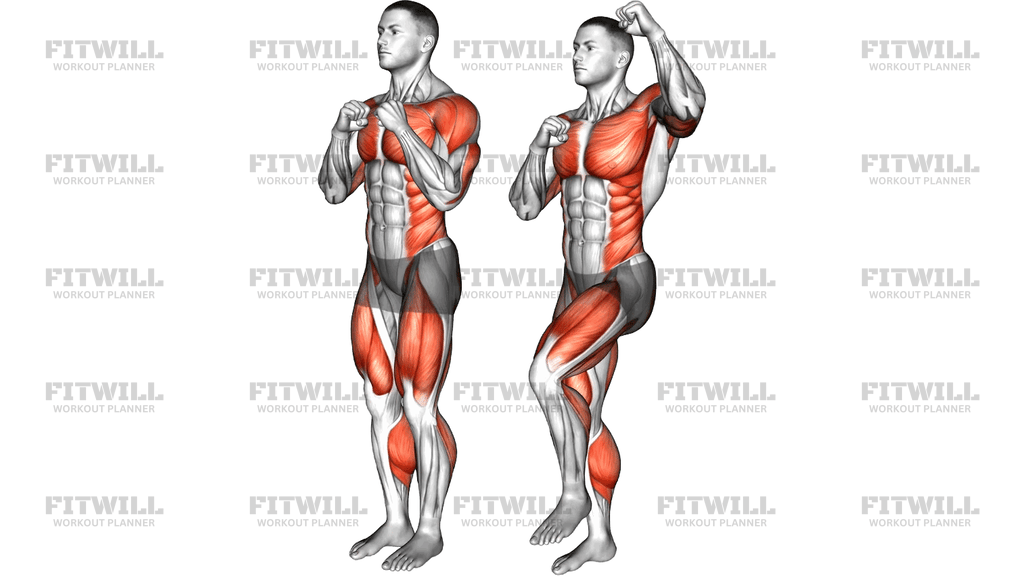
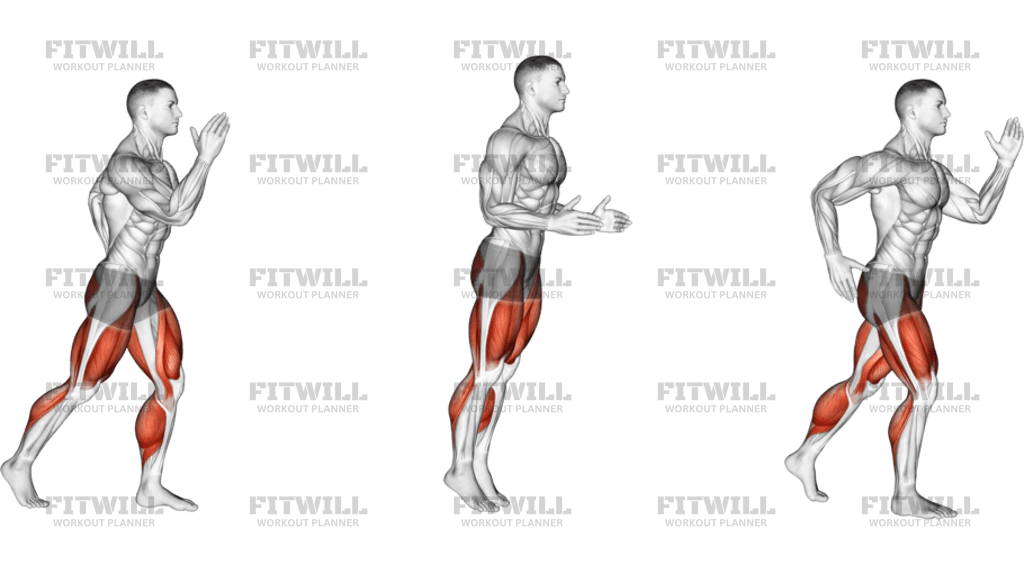
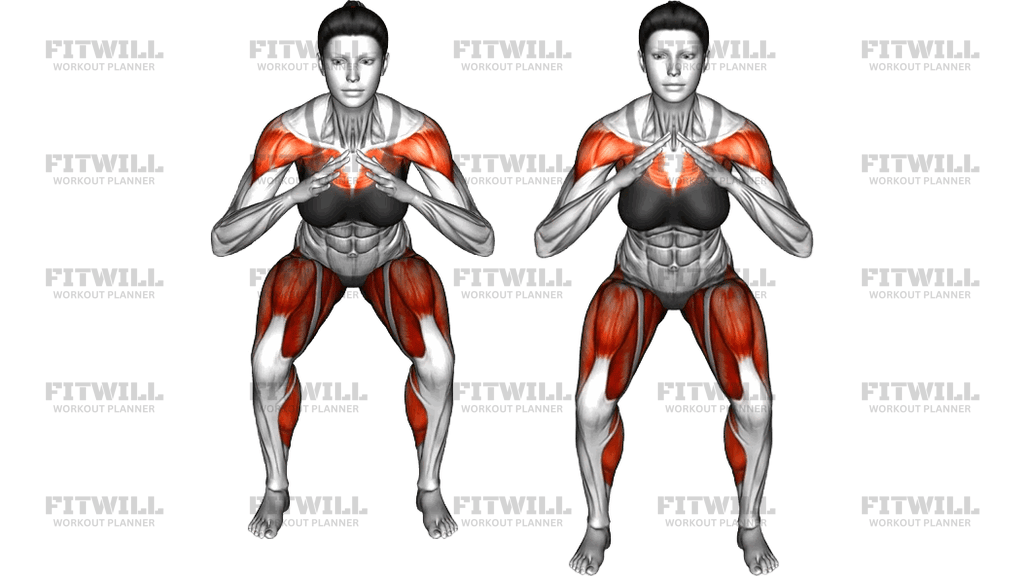
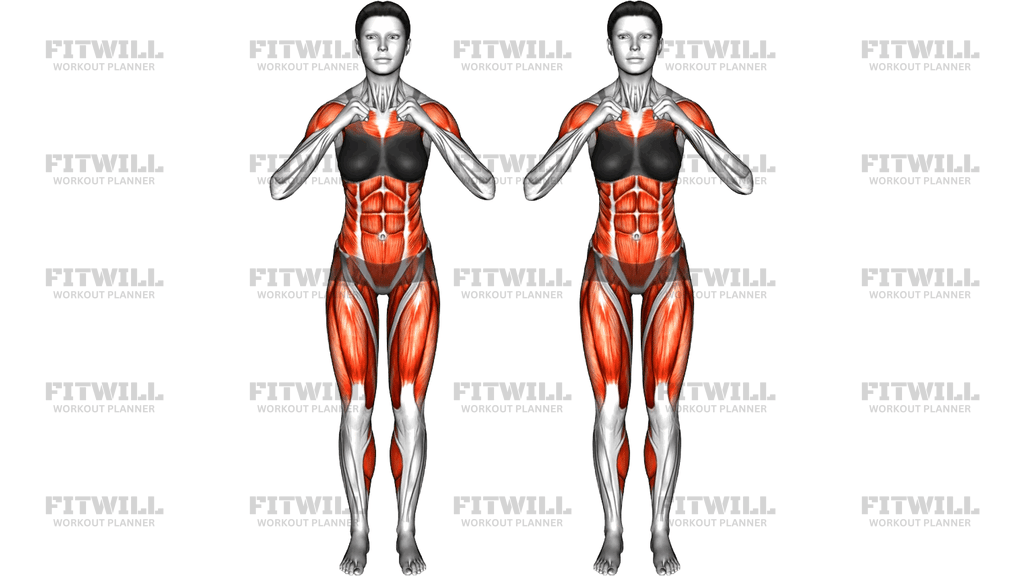
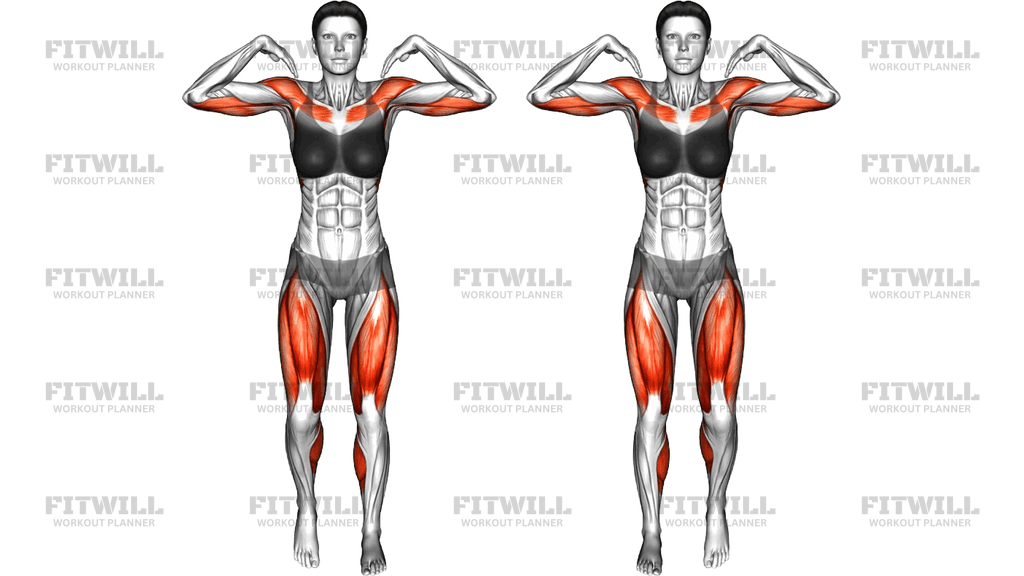
High Knee Squat is a bodyweight conditioning drill that blends a squat with an alternating high knee drive. It is useful when you want a simple move that raises heart rate while still training the quads, glutes, hip flexors, calves, and trunk control. The pattern looks straightforward, but the quality of the squat, the timing of the knee lift, and the position of the torso determine whether it feels crisp or sloppy.
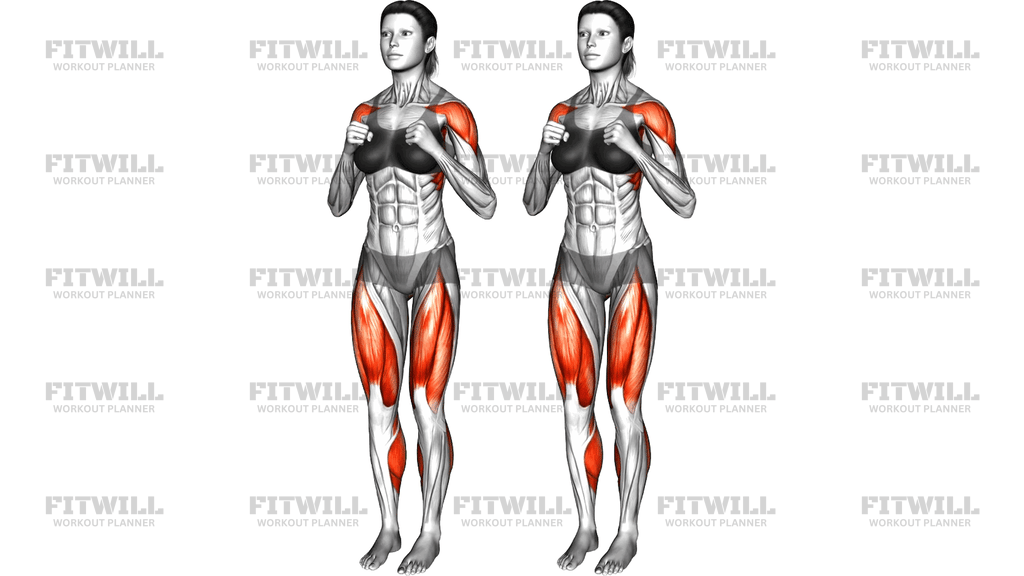
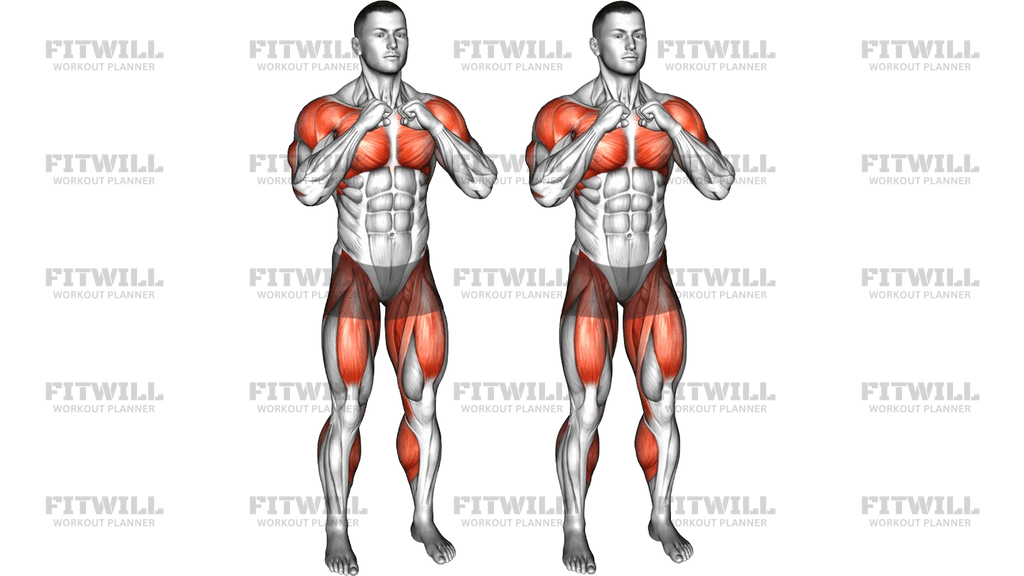
The setup matters because the exercise asks you to change levels and then balance on one leg every rep. Stand tall with your feet about hip-width apart, keep your chest lifted, and place your hands behind your head without pulling on your neck. From there, the squat should stay centered over the middle of the foot, and the knee drive should come up cleanly instead of swinging forward with momentum.
High Knee Squat is often used for warmups, conditioning circuits, athletic prep, or low-equipment lower-body work. The squat portion loads the quads and glutes, while the knee drive adds hip flexor demand and a strong core brace. If you perform it with a steady rhythm, it also challenges coordination and the ability to keep your torso from leaning or twisting as you alternate sides.
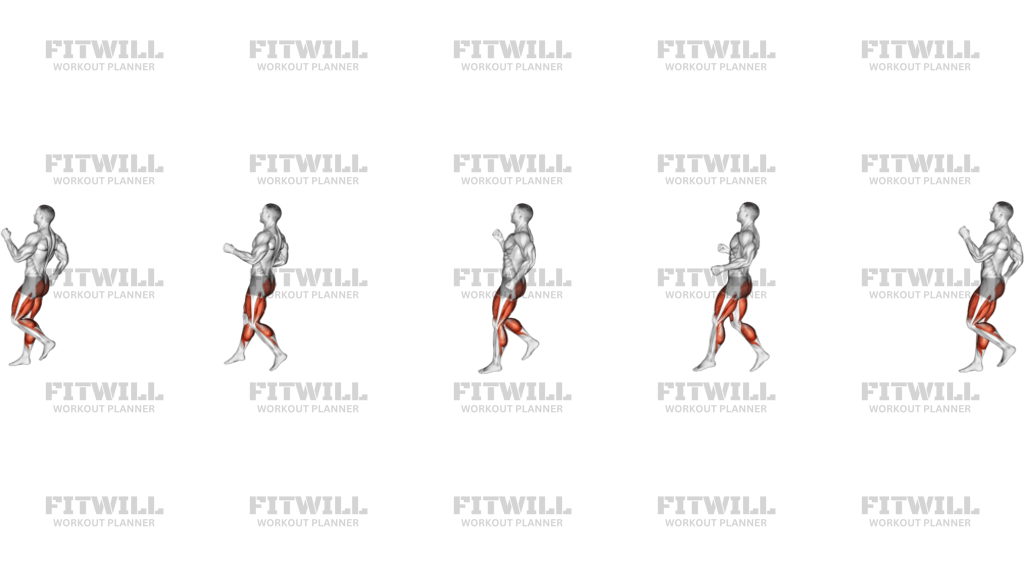
The best reps are controlled on the way down and decisive on the way up. Sink into the squat with the knees tracking in line with the toes, then stand and drive one knee toward chest height before resetting into the next squat. Keep the movement smooth enough to stay balanced, but not so fast that the knee lifts turn into a hop or the heels pop wildly off the floor.
Use a smaller squat depth or a slower tempo if your balance breaks when the knee comes up. If your neck tightens, ease the pressure of your hands behind the head and keep the elbows open. High Knee Squat should feel like a coordinated lower-body drill with an athletic finish, not a rushed cardio shuffle. For conditioning, repeat it for time with a steady pace; for movement quality, pause briefly at the top of each knee drive so you can reset your posture before the next squat.
[ Workout Log & Planner ]
Put your next workout in Fitwill
Keep your plan and training log ready when you are.


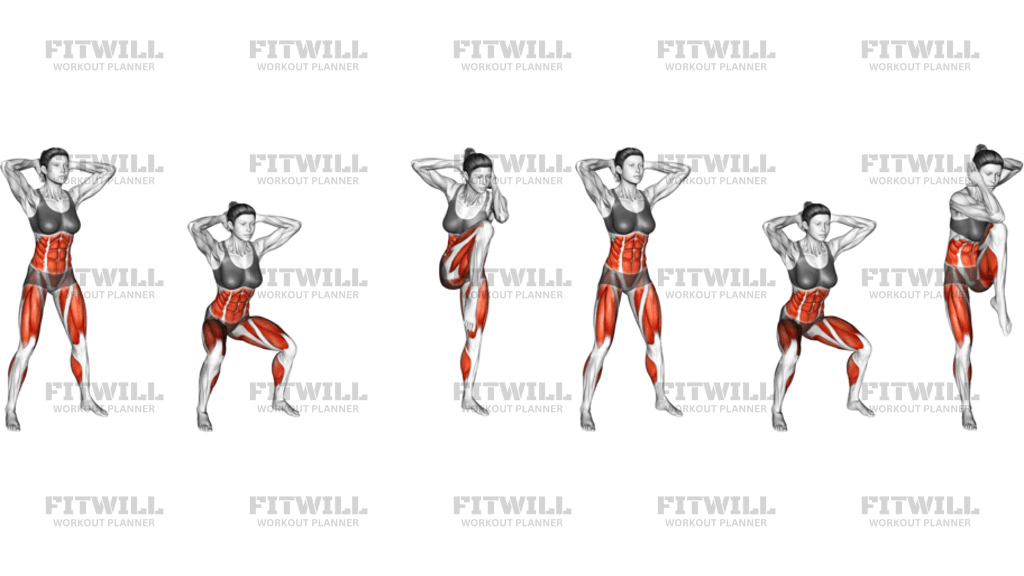
Instructions
- Stand tall with your feet hip-width apart and place your hands behind your head with your elbows open.
- Set your weight through the middle of each foot and keep your chest lifted before you start the first rep.
- Sit into a squat by bending your hips and knees at the same time until your thighs are near parallel or as low as you can keep control.
- Keep your knees tracking over your toes and your heels grounded as you lower.
- Drive through both feet to stand up and bring one knee up toward chest height in a clean high-knee lift.
- Keep your torso tall as the knee rises so the movement comes from the hip, not from leaning back or swinging forward.
- Lower that foot under control and immediately sit into the next squat.
- Alternate knees on each rep, keeping the rhythm smooth and the landing soft.
- Finish by lowering both feet to the floor and releasing your hands from behind your head if you need to reset.
Tips & Tricks
- Keep your elbows wide so your hands support your head lightly instead of yanking on your neck.
- If you lose balance on the knee drive, shorten the squat depth before trying to speed up the drill.
- Think about standing up first and then lifting the knee, not jumping into the knee raise from the bottom.
- Drive the lifted knee to about hip or chest height without letting the opposite hip collapse inward.
- Keep pressure through the heel and big toe of the planted leg so the standing side stays stable.
- Use a slower squat descent if your torso folds forward and turns the move into a leg swing.
- Breathe out as you stand and lift the knee, then inhale as you drop into the next squat.
- If your calves start doing all the work, reduce the pace and make the knee lift more vertical.
- Choose a rhythm you can repeat for the full set without twisting through the low back.
Frequently Asked Questions
What muscles does High Knee Squat work?
High Knee Squat mainly works the quads, glutes, hip flexors, calves, and core. The hands-behind-head position also makes your upper back and trunk work harder to keep you upright.
Should my knee come all the way to my chest in High Knee Squat?
Bring the knee as high as you can without leaning back or twisting. Chest-height is a good target if you can stay balanced and keep the standing leg stable.
Do I jump between reps of High Knee Squat?
Not necessarily. A clean stand and knee drive is enough; add a small hop only if you can still control the squat, the landing, and the alternating rhythm.
Why are my hands behind my head in High Knee Squat?
That position keeps the torso open and makes the trunk work harder without turning the movement into a crunch. Keep the elbows wide and avoid pulling your head forward.
What is the most common mistake in High Knee Squat?
People usually rush the rep, lose balance, and swing the knee up with momentum instead of standing and lifting cleanly. If that happens, slow the tempo and shorten the squat.
Is High Knee Squat okay for beginners?
Yes, as long as you keep the squat shallow enough to stay balanced and lift the knee without twisting. Start with slow reps before turning it into a fast conditioning drill.
How can I make High Knee Squat easier on my knees?
Use a smaller squat depth and keep your shin angle more upright as you sit down. That usually reduces the amount of forward travel and makes the standing leg feel more stable.
What should I do if High Knee Squat bothers my neck?
Lighten the pressure of your hands behind your head and keep the elbows open. If the neck still tightens, lower your arms to a more relaxed position while keeping the squat and knee drive.