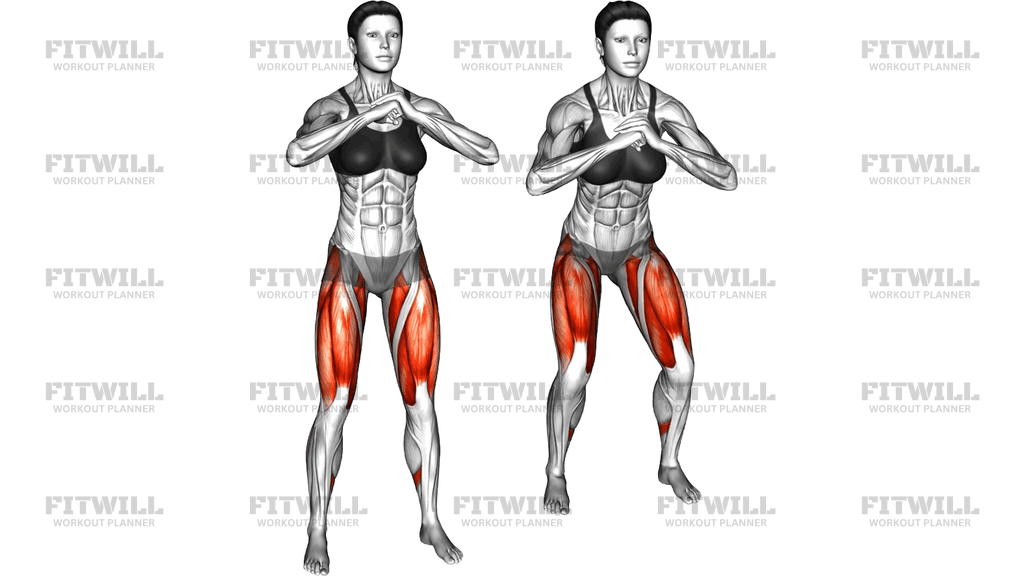
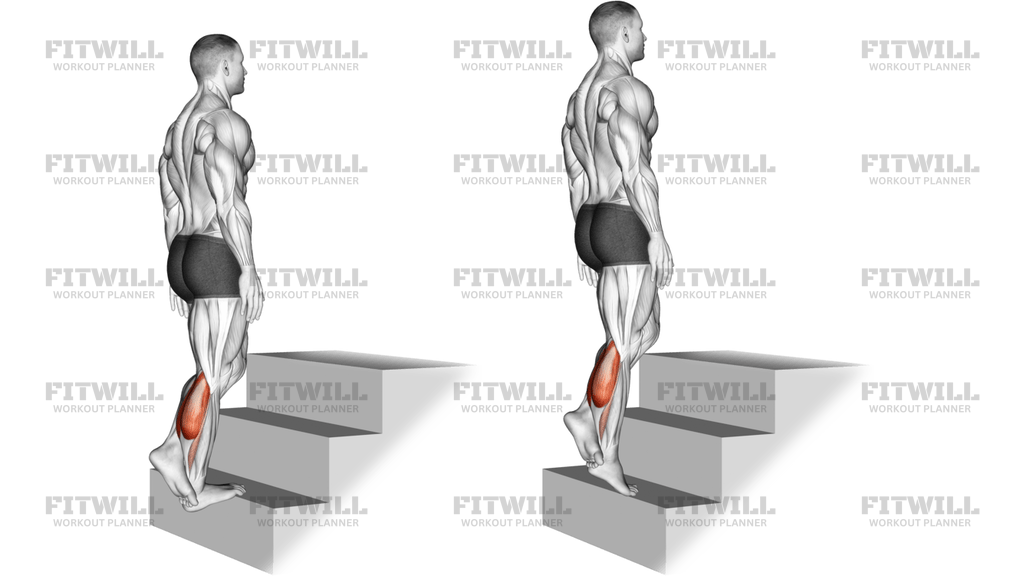
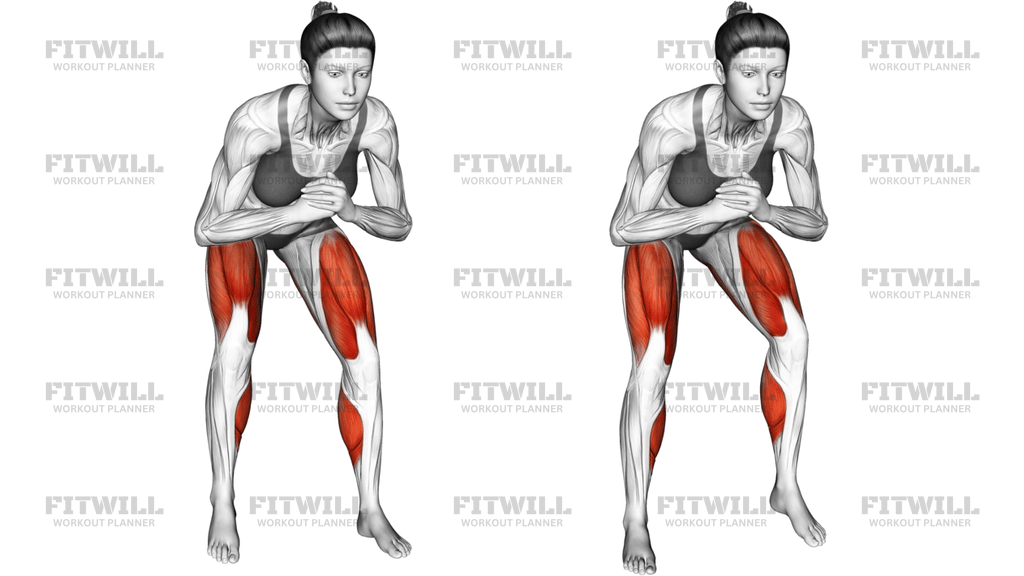
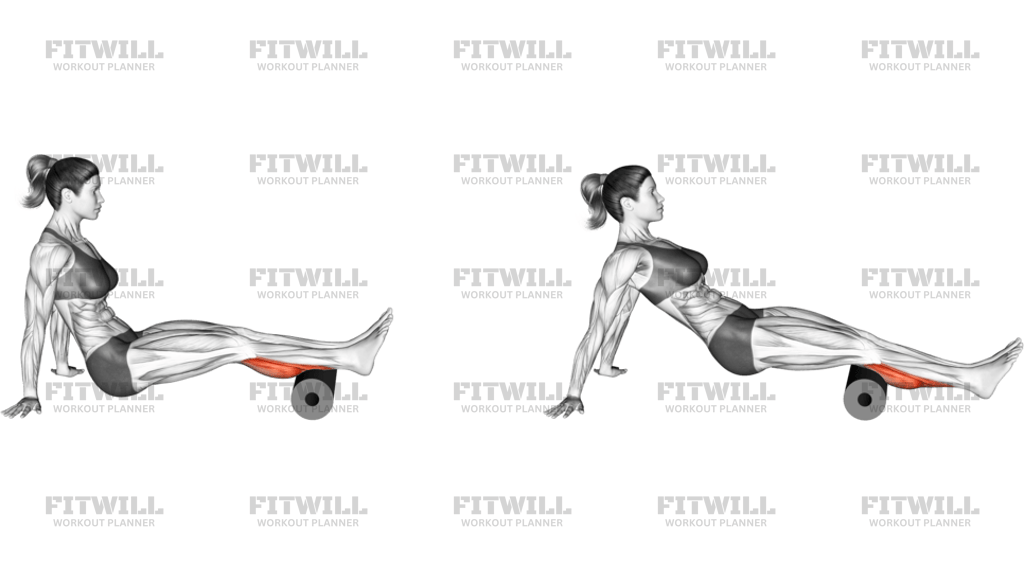
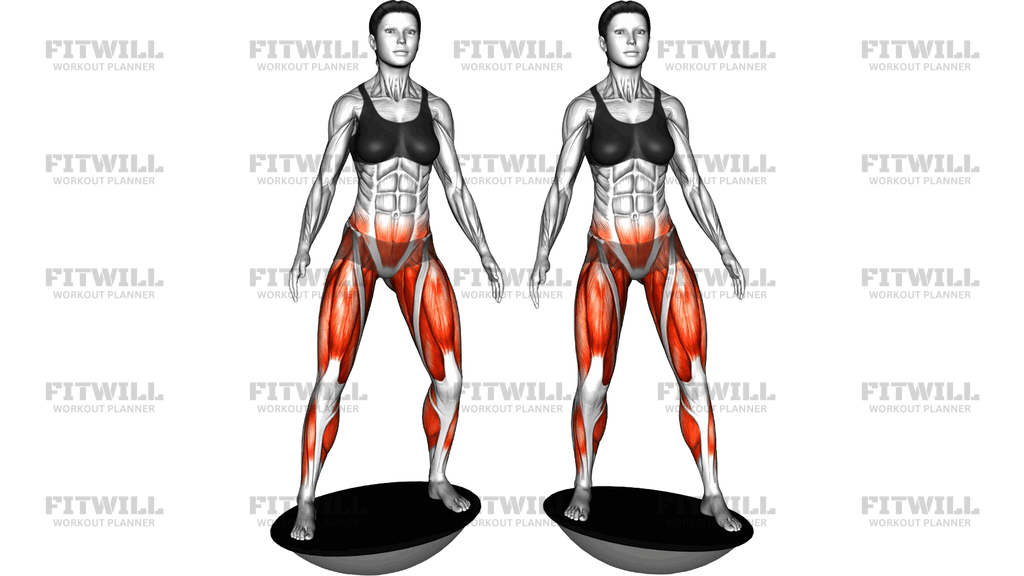
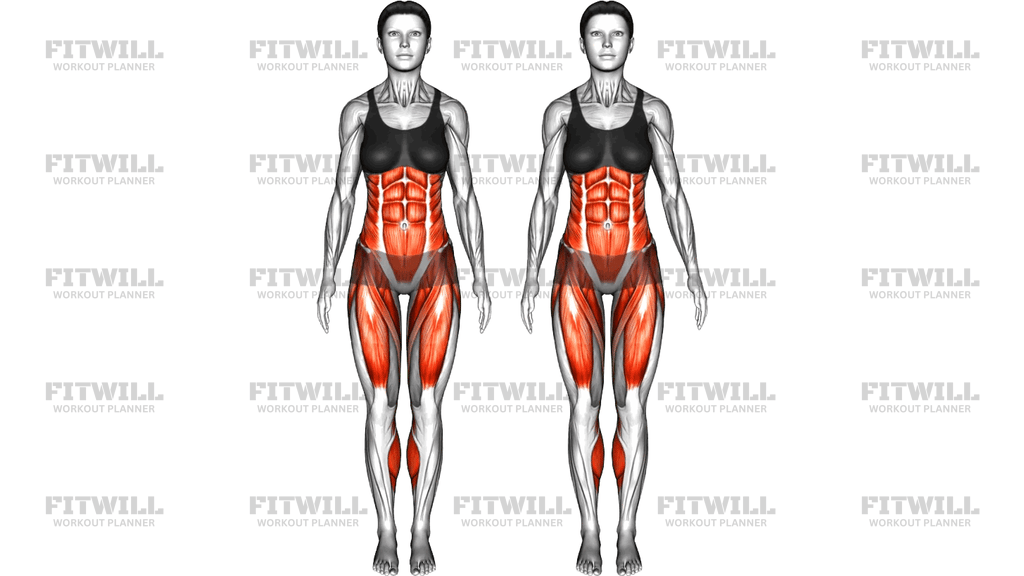
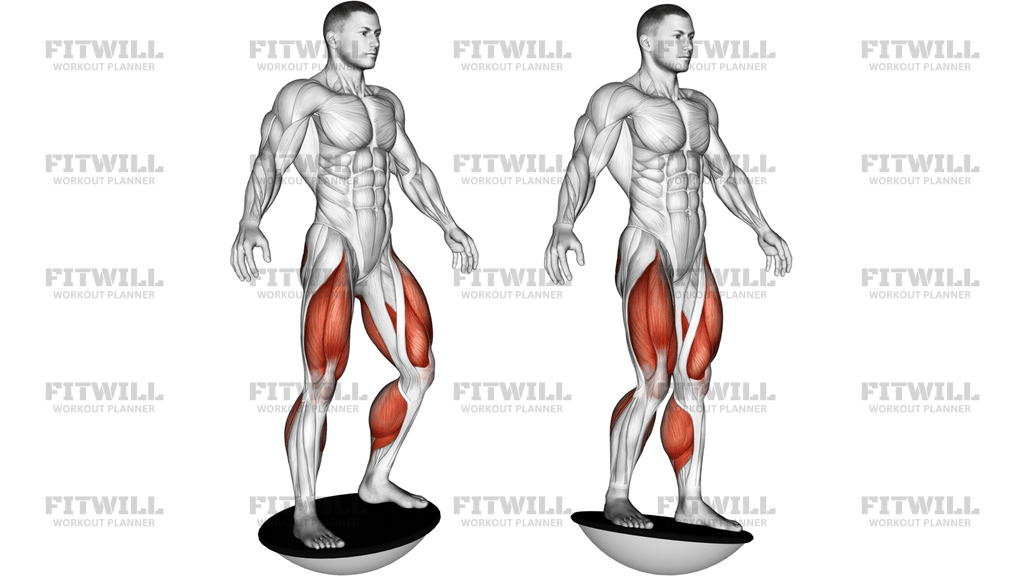
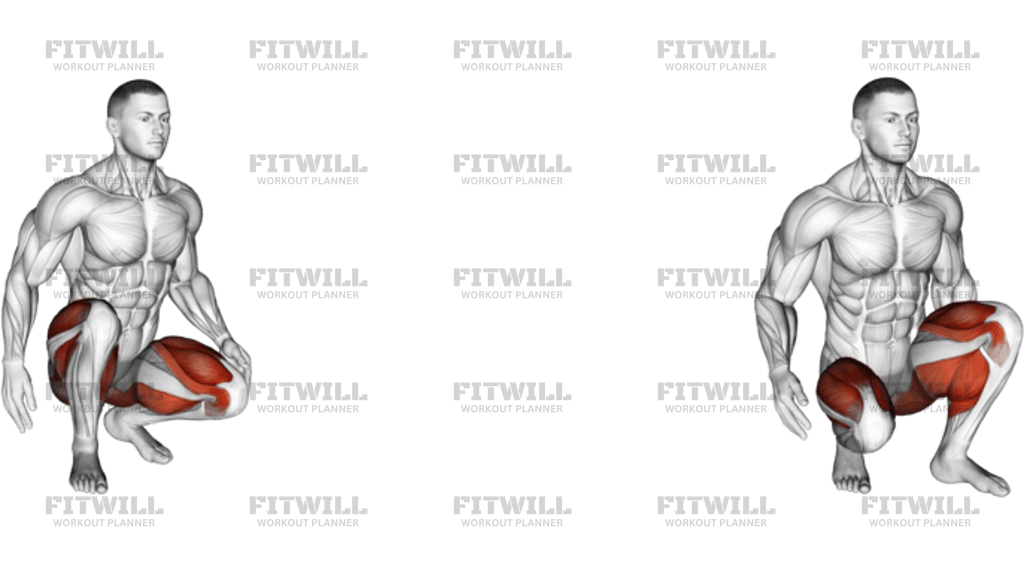
Standing Ankle Dorsi Flexion Against Wall
The Standing Ankle Dorsi Flexion Against Wall is a simple body-weight drill that trains the front of the shin, mainly the tibialis anterior, by taking the ankle through a deep, controlled dorsiflexion. You stand facing a wall with one foot close to it, then bend the knee and drive it toward the wall while keeping the heel glued to the floor, before returning to the start. The wall acts as both a target and a depth gauge, so every rep travels the same path and you get immediate feedback on how far your ankle can comfortably go.
This movement is useful for almost anyone. Squatters and Olympic lifters rely on ankle dorsiflexion to hit depth without their heels lifting or their torso pitching forward. Runners and field-sport athletes need it to absorb landing forces and decelerate cleanly. It is also a go-to drill for people recovering stiffness after an ankle sprain, or for anyone who has spent years in raised heels and tight calf muscles and now struggles to keep a heel down during lower-body training.
The setup matters more than it looks. Your distance from the wall determines the difficulty: the closer the toes are, the deeper the knee can travel and the greater the dorsiflexion demand. Keep the working heel firmly planted the entire time, because once the heel lifts, the ankle stops dorsiflexing and the rep loses its purpose. The rear leg simply provides balance, so most of your weight stays over the front foot.
To execute it well, move the knee forward in a smooth arc toward the wall, letting the ankle close as far as your mobility allows without the heel peeling up or the foot rolling inward or outward. Pause briefly at your end range, then push back to the start with control. The knee should track roughly over or slightly outside the toes rather than caving inward. Breathe steadily, exhaling as you drive toward the wall.
A practical way to use this drill is as a warm-up before squats, lunges, or running, or as a standalone mobility block of two to three sets per side. Reps are typically slow and deliberate rather than fast, since the goal is range of motion plus control at the end range. If one ankle is noticeably stiffer than the other, give the tighter side extra sets rather than matching the looser side.
From a safety standpoint, this is a low-load movement, but the end range can be intense. Work within a stretch you can breathe through, and never force the knee into the wall if the heel starts to lift or the foot collapses. Sharp pain, pinching at the front of the ankle, or numbness are signals to reduce the range or step back slightly from the wall.
Fitwill
Log Workouts, Track Progress & Build Strength.
Achieve more with Fitwill: explore over 9600 exercises with images and videos, access built-in and custom workouts, perfect for both gym and home sessions, and see real results.
Start your journey. Download today!




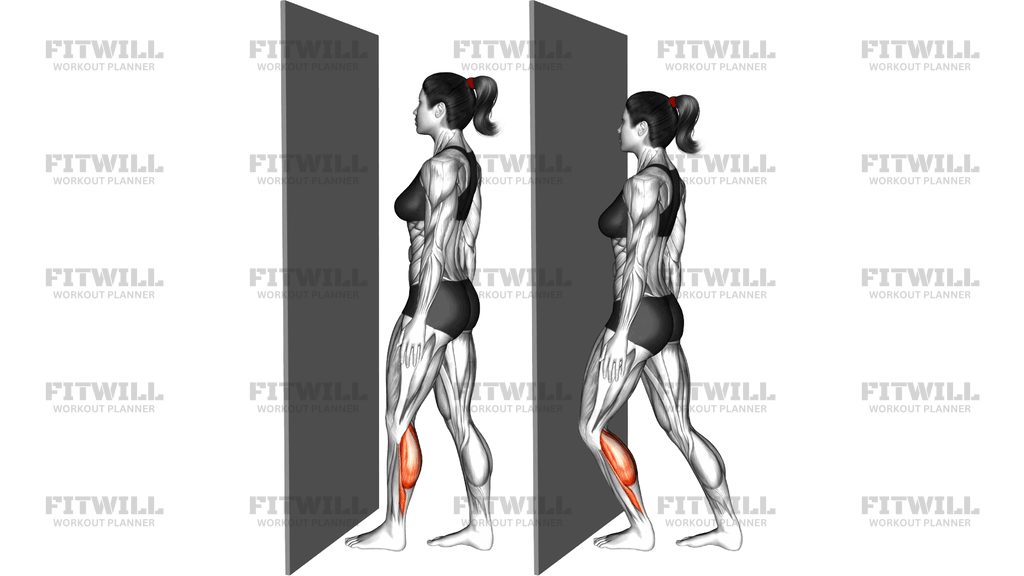
Instructions
- Stand facing a wall with your feet together, then take a small step back so your toes are a few inches from the wall.
- Place your hands lightly on the wall for balance and shift your weight onto one foot, keeping that heel flat on the floor.
- Brace your core lightly and stand tall so the movement comes from the ankle, not from leaning or rounding at the hips.
- Bend the front knee and drive it forward toward the wall, letting the ankle fold into dorsiflexion while the heel stays planted.
- Continue until the knee is close to the wall or until the heel is about to lift, whichever comes first, and pause there for one to two seconds.
- Keep the knee tracking over or slightly outside the toes, and keep the foot flat rather than letting the arch roll in or the ankle collapse outward.
- Push the knee back to the starting position under control, straightening the leg until the ankle is neutral again.
- Exhale as you drive the knee toward the wall and inhale as you return, keeping the breathing rhythm steady throughout the set.
- Complete all reps on one side, then reset your stance and repeat on the other leg.
- If you cannot reach the wall without the heel lifting, move your toes a little farther back; if it feels too easy, move closer to increase the range.
Tips & Tricks
- Use the wall as a depth gauge: when you can touch your knee to it with the heel down for all reps, move your toes an inch closer to progress the drill.
- The most common mistake is the heel lifting off the floor at the end range, which turns a dorsiflexion drill into a partial calf stretch; shorten the range before you let this happen.
- Watch for the arch collapsing inward as the knee drives forward, a sign the ankle is dumping mobility into the foot instead of the joint; think about pressing the base of the big toe into the floor.
- A brief pause at the deepest point does more for usable range than rushing through reps, so hold the end position for a slow count of one or two.
- If pinching occurs at the front of the ankle rather than a stretch at the back, back off from the wall slightly and build up gradually instead of forcing through the pinch.
- Do a set of ten to fifteen reps per side before squats or running; many people notice an immediate difference in heel contact and knee tracking.
- If one side is much stiffer, add an extra set to that side over several weeks rather than matching the reps of the looser ankle.
- Keep your hands light on the wall; if you find yourself pushing or pulling hard for balance, narrow your stance or slow the movement down.
- Perform the reps barefoot or in flat shoes when possible, since a raised heel reduces how much dorsiflexion the ankle actually has to produce.
Frequently Asked Questions
What muscles does the Standing Ankle Dorsi Flexion Against Wall work?
The main muscle involved is the tibialis anterior on the front of the shin, which controls dorsiflexion. The soleus and the smaller stabilizing muscles around the ankle also work to keep the foot flat and the knee tracking smoothly.
Is this exercise a strength movement or a stretch?
It is best treated as a controlled mobility drill with a strength element, since you actively move into end-range dorsiflexion and hold it. Load is low, so it works well as a warm-up or a daily ankle maintenance drill.
Why does my heel lift when my knee goes toward the wall?
That usually means your ankle has reached its current limit of dorsiflexion, or your foot is too close to the wall. Step your toes back an inch or two and rebuild the range with the heel staying flat before moving closer.
How far should my foot be from the wall?
Start with your toes roughly a hand's width from the wall. Adjust so the knee can travel toward the wall through a full, comfortable range without the heel lifting or the arch collapsing.
Can beginners do the Standing Ankle Dorsi Flexion Against Wall?
Yes, it is one of the safest ankle drills because there is no external load and the wall provides balance. Beginners should simply start farther from the wall and work within a range that feels like a stretch, not a pinch.
How does this drill help my squats?
Limited dorsiflexion often causes heels to lift or the torso to lean forward at the bottom of a squat. Improving the ankle's ability to fold with the heel down helps the knees travel over the toes and makes it easier to sit into depth.
Can I substitute anything if I do not have a clear wall space?
You can perform the same knee-forward dorsiflexion drill beside a sturdy chair or rack upright, using your hands on the support for balance. The key element to preserve is the planted heel and the controlled knee-over-toes path.
How many reps and sets should I do?
Two to three sets of ten to fifteen slow reps per side works well, either as a pre-training warm-up or as a standalone mobility block. If one ankle is stiffer, add a set to that side.
Is it normal to feel a pinch at the front of my ankle?
A stretching sensation at the back of the ankle or calf is normal, but a sharp pinch at the front means you are pushing past a comfortable end range. Reduce your distance from the wall slightly and avoid forcing through that pinching feeling.
How often should I do this exercise?
Because it uses only body weight and a short range of loading, it can be done most days of the week. Consistency matters more than volume, so a few minutes before lower-body sessions or runs is a practical habit.