Lever Torso Rotation
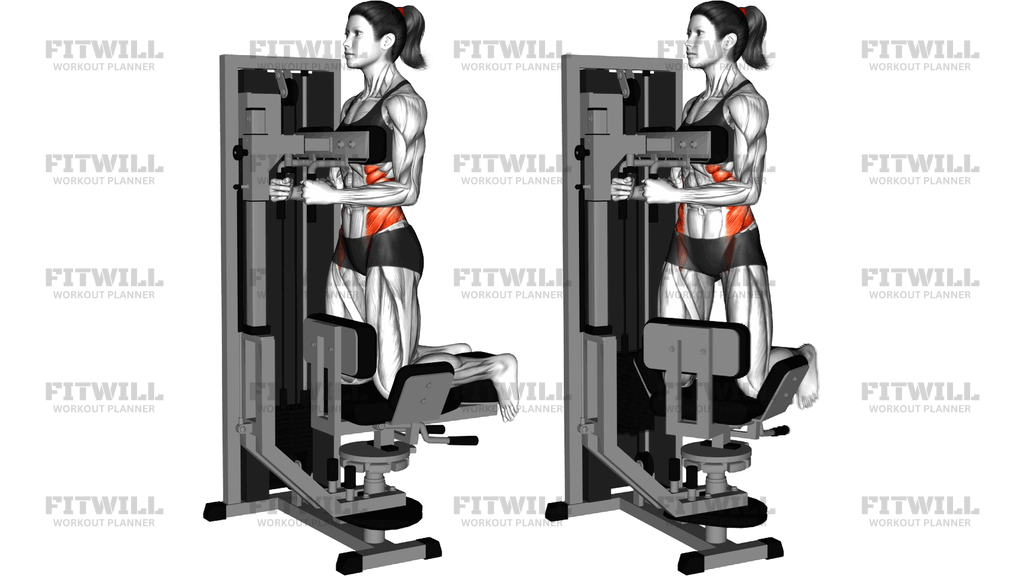
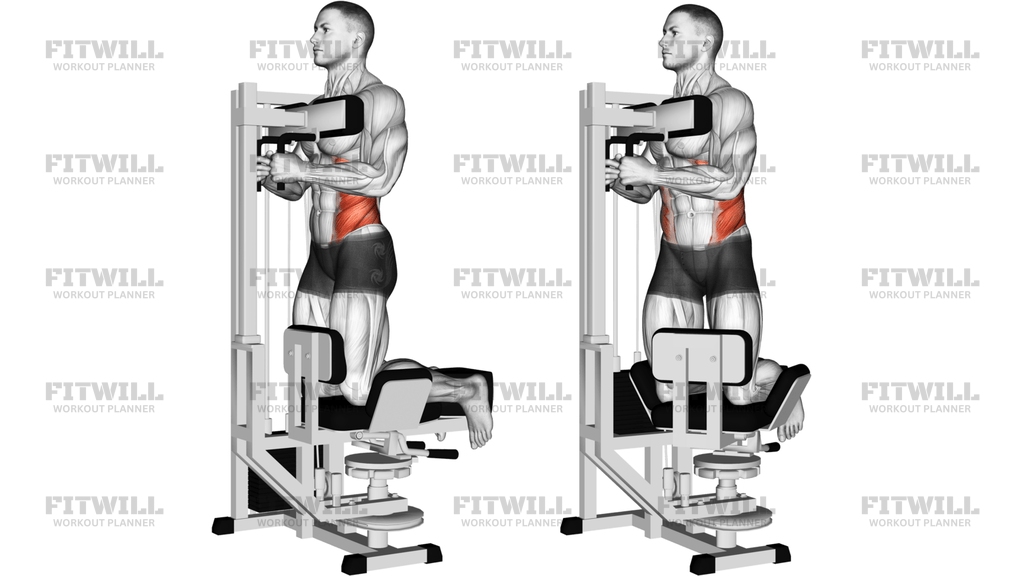
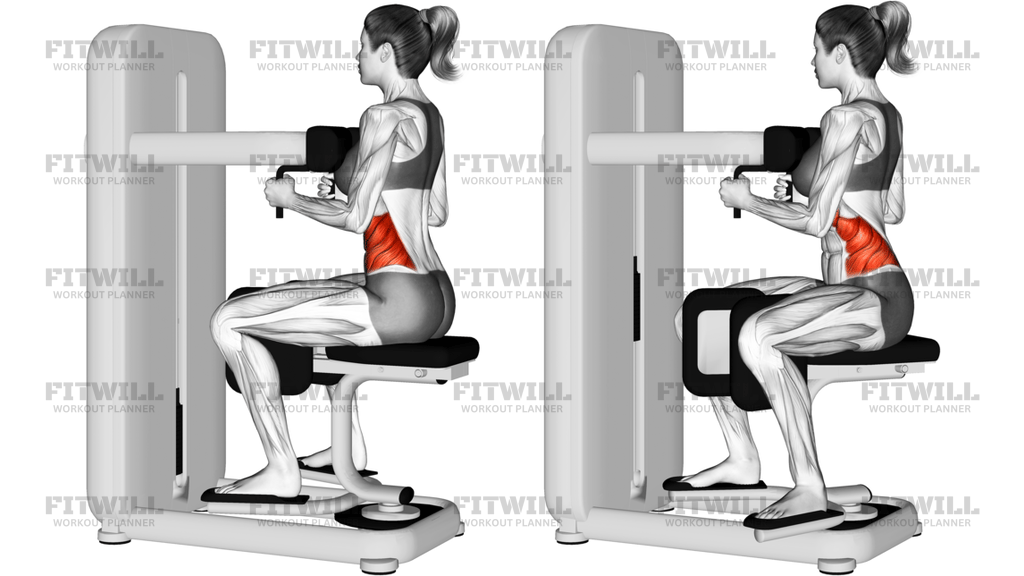
Lever Torso Rotation is a seated machine exercise that trains the muscles responsible for turning your trunk from side to side. You sit with your legs anchored under padded knee supports, hold the vertical handles at chest height, and rotate your upper body against the machine's resistance while your hips stay locked in place. The resistance arm moves with you, so your obliques work through the entire turn in both directions.
The main workers here are the internal and external obliques, the layered muscles running along the sides of your waist. Your rectus abdominis assists in holding the trunk rigid, your lower back muscles control the deceleration as you return, and your hip stabilizers work isometrically to keep the pelvis from twisting along with your shoulders. Because the machine fixes your lower body, the rotation has to come from your spine and waist rather than momentum.
This movement is a good fit for combat sports athletes who need rotational power, field and racket sport players who swing or throw, and anyone whose core training has been limited to crunches and planks. It also suits lifters who want direct oblique work without having to stabilize a load in their hands, since the machine removes the balance demands of landmines or cable twists.
Setup matters more than most people realize. The seat height should put the handles at lower chest level with your elbows roughly at shoulder height, and your knees need to be wedged firmly under the pads. If your hips are loose, your pelvis rotates with your torso and the obliques stop doing the work. Sit tall, plant yourself, and treat your lower body as the fixed base.
To execute well, rotate through your trunk as one solid block from the waist up, exhale as you turn, and pause briefly at the end of the range before lowering the weight under control. Avoid slinging the stack and avoid craning your neck to follow the turn. Keep your eyes level and let your shoulders drive the movement.
A practical note on loading: the spine handles rotation best at moderate loads with clean technique, not maximum effort with sloppy reps. Pick a weight you can move smoothly for ten to fifteen reps per side, keep both directions equally strong, and stop the set when your form starts depending on momentum instead of your waist.
[ Workout Log & Planner ]
Put your next workout in Fitwill
Keep your plan and training log ready when you are.


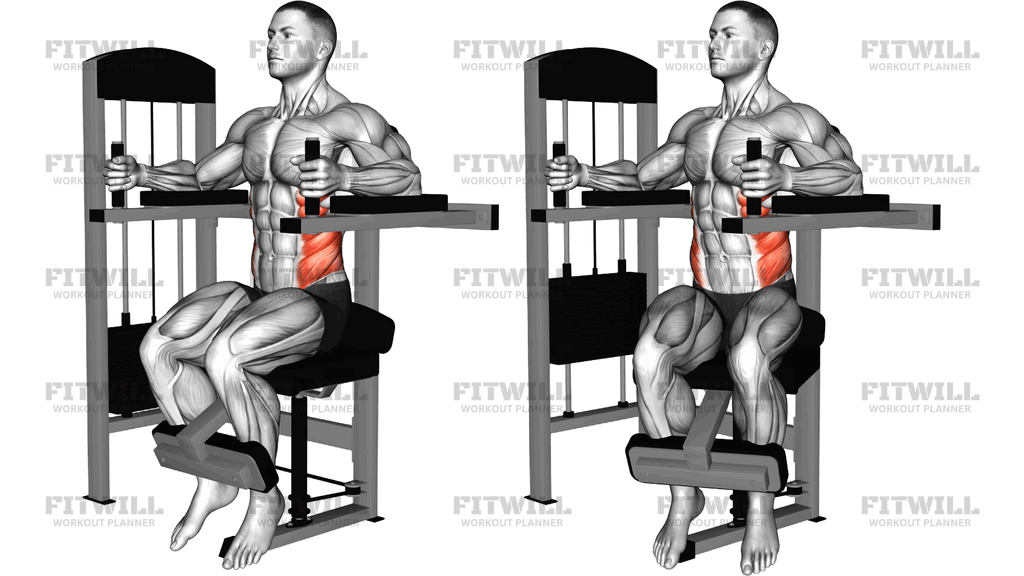
Instructions
- Sit on the machine and slide your feet under the padded footrests so your shins are supported and your legs cannot lift.
- Adjust the seat height so the vertical handles sit at about lower chest level and your elbows can stay near shoulder height when you grip them.
- Take hold of both vertical handles with a firm neutral grip and press your forearms or upper arms against the pads in front of your chest.
- Sit tall with your chest up, squeeze your knees against the pads to lock your hips in place, and brace your core like you are about to be lightly pushed.
- Keeping your lower body completely still, rotate your upper body to one side as far as you can turn without letting your hips or knees shift.
- Pause for a moment at the end of the turn, feeling the obliques on the working side shorten and the opposite side stretch under tension.
- Slowly rotate back through the center and continue into the opposite side if the machine allows bi-directional rotation, or control the weight back to the start if it works one side at a time.
- Exhale as you rotate into the turn and inhale as you return to the starting position.
- Complete all reps on one side or alternate sides as the machine is designed, then release the handles and stand up carefully to reset.
Tips & Tricks
- The most common fault is letting the pelvis spin with the shoulders, which turns this into a hip exercise. Wedge your knees harder into the pads and think of your waist as the only joint that moves.
- Do not chase extra range by leaning sideways or rounding your back at the end of the turn. A shorter, upright rotation trains the obliques better than a long, slouched one.
- If you feel the work in your neck, you are probably leading with your head. Keep your chin level and your eyes forward, letting the shoulders and chest do the turning.
- Start with a lighter weight than you think you need. Rotational strength develops quickly, but jerking a heavy stack is the fastest way to strain your lower back.
- Keep the return phase at least as slow as the turning phase. The deceleration is where your obliques and lower back do a lot of their control work.
- If the machine works one side at a time, always do your weaker side first and match its rep count on the stronger side to keep your rotation balanced.
- Breathe out through the turn rather than holding your breath; the brace should come from your trunk muscles, not from trapped air.
- Avoid twisting your ankles or pressing hard through one foot as you rotate, which is a sneaky way your body cheats by anchoring against the footrests instead of using your waist.
Frequently Asked Questions
What muscles does the Lever Torso Rotation work?
The internal and external obliques do the primary work of rotating your trunk. Your rectus abdominis, lower back muscles, and hip stabilizers assist by holding the spine and pelvis steady throughout the turn.
Is the Lever Torso Rotation good for beginners?
Yes, it is one of the safer ways to learn rotational training because the machine fixes your lower body and guides the path. Beginners should start light, focus on keeping the hips still, and master the movement before adding meaningful weight.
Why does the machine have knee and foot pads?
The pads anchor your legs and pelvis so the rotation has to come from your waist rather than your hips. Without that anchor, your pelvis would simply turn with your shoulders and your obliques would barely work.
How high should the handles be during setup?
Set the seat so the handles sit around lower chest level with your elbows roughly at shoulder height. Handles that are too low or too high encourage hunching or shrugging and reduce the oblique contribution.
How is the Lever Torso Rotation different from a cable woodchopper?
The machine locks your lower half and provides a fixed resistance path, so there is no balance or stabilizing demand in your legs and grip. A cable woodchopper requires you to control the resistance yourself, which makes it harder but also more technical.
How many reps and sets should I do on the Lever Torso Rotation?
Ten to fifteen controlled reps per side for two to four sets works well for most people. Because the spine tolerates rotation best at moderate loads, prioritize smooth technique over heavy weight.
Should I rotate both directions in the same set?
If your machine allows rotation to both sides from center, alternate sides rep by rep or complete equal work on each side. Training only your dominant turning direction can create noticeable left-right imbalances over time.
I feel this more in my lower back than my waist. What is wrong?
That usually means your hips are rotating with your torso or you are leaning back as you turn. Squeeze your knees into the pads, sit taller, and shorten the range slightly until the tension returns to the sides of your waist.
What can I use instead of the Lever Torso Rotation?
Cable woodchoppers, landmine rotations, and band-resisted twists all train the same rotational pattern. They demand more stabilization, so start with lighter resistance when substituting.
Is twisting under load safe for the spine?
Controlled rotational training with a moderate load is generally well tolerated and the guided path of a machine keeps the movement predictable. If you have a current back issue or pain that lingers after training, check with a qualified professional before loading rotation.