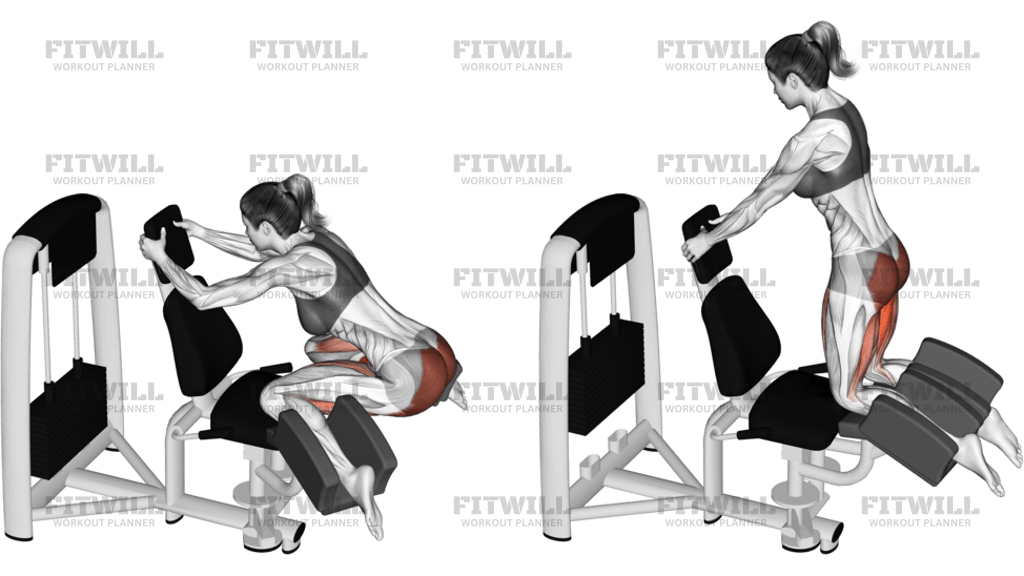
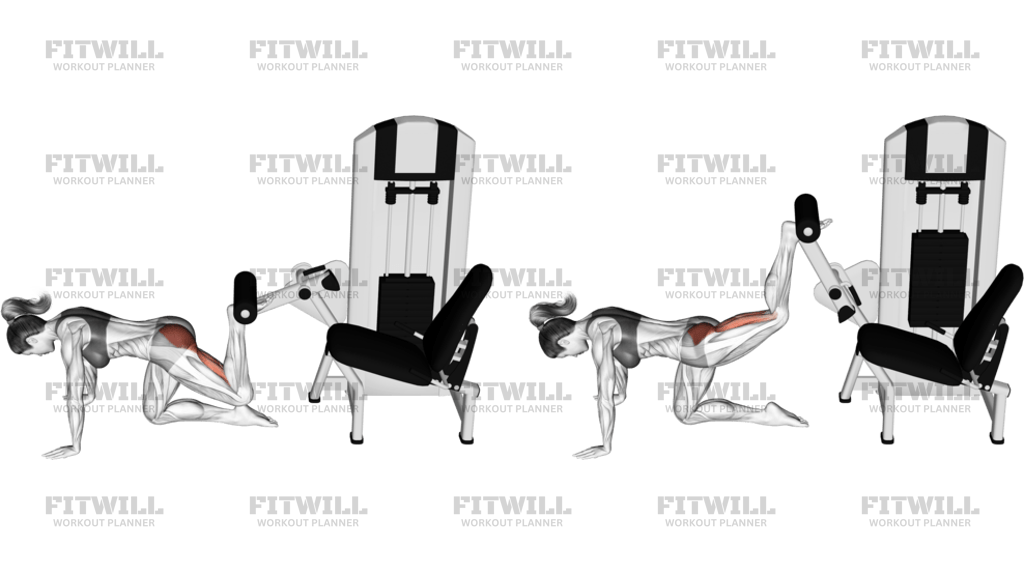
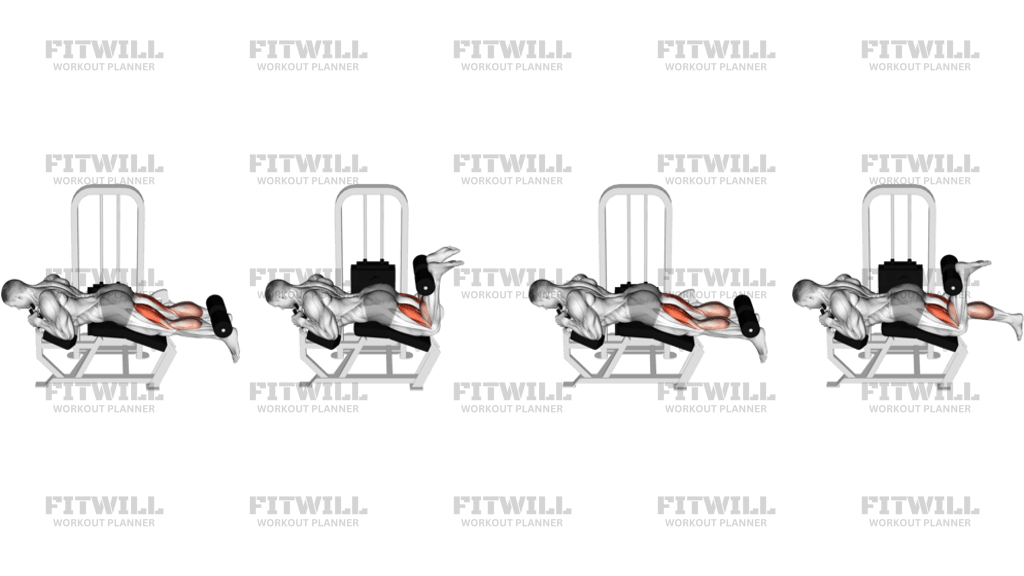
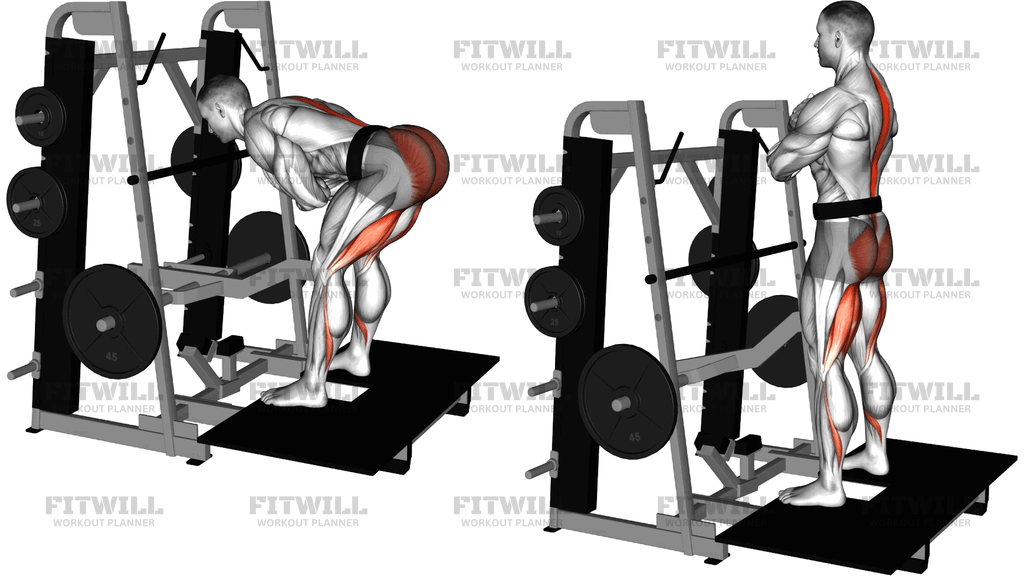
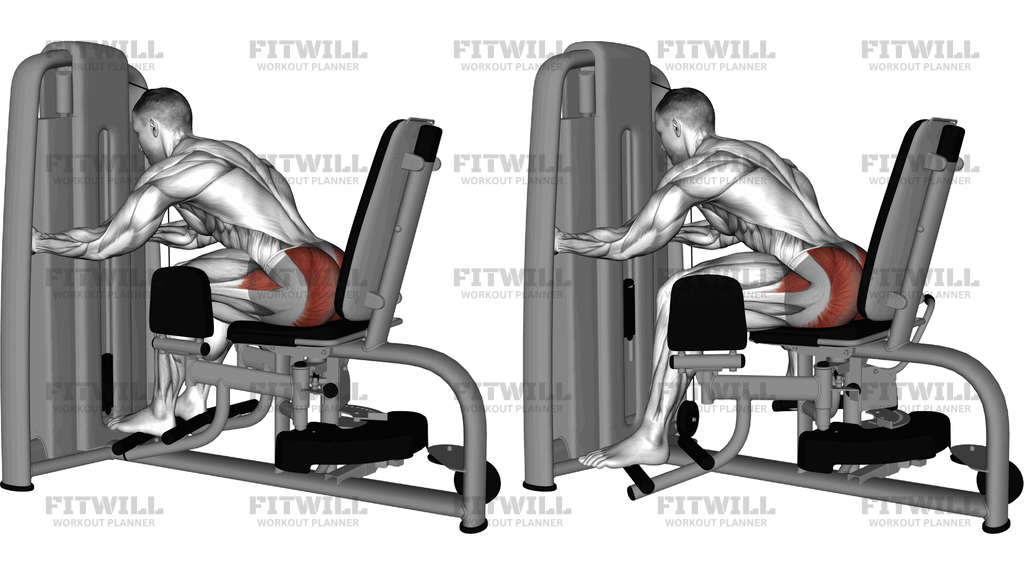
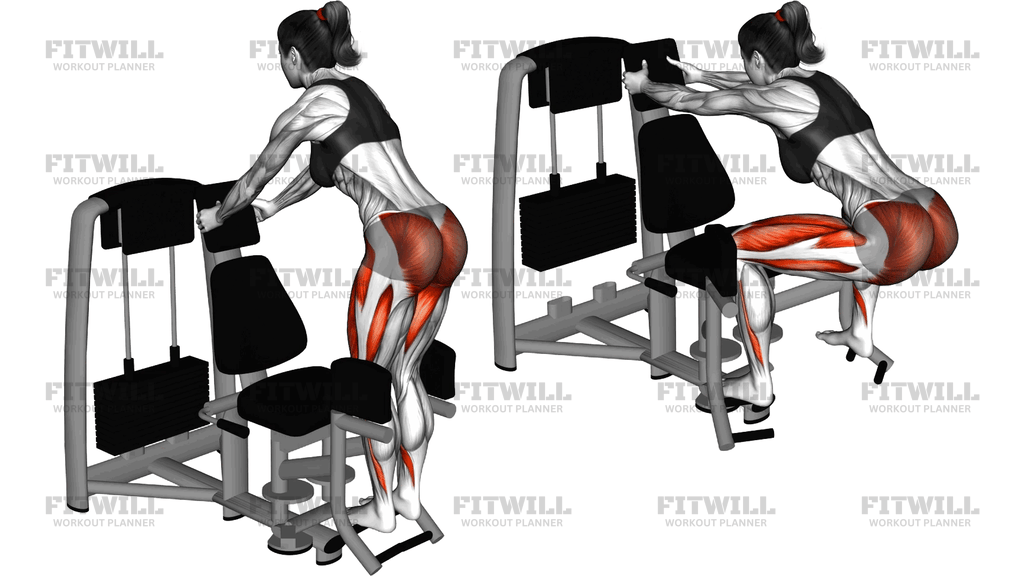
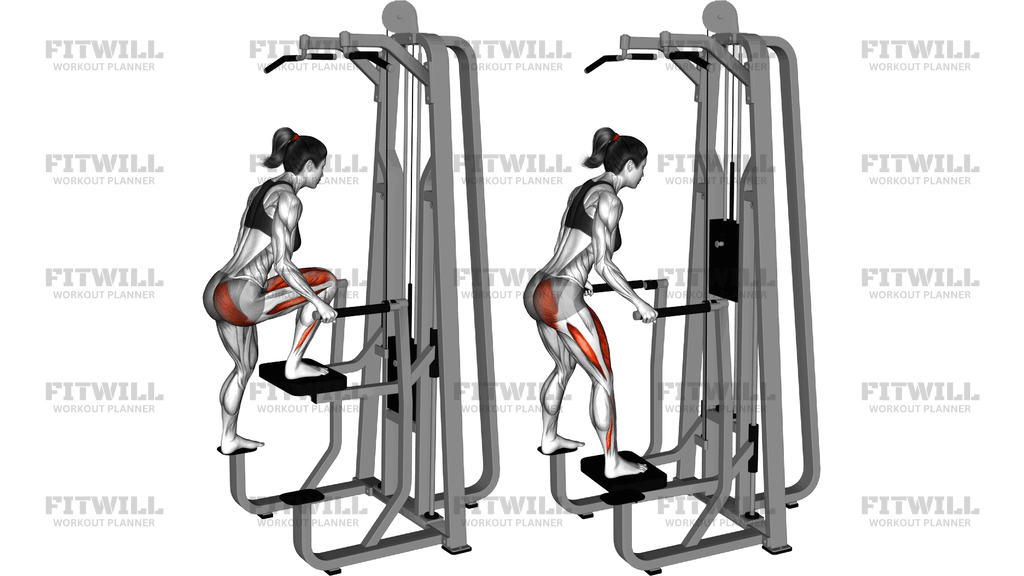
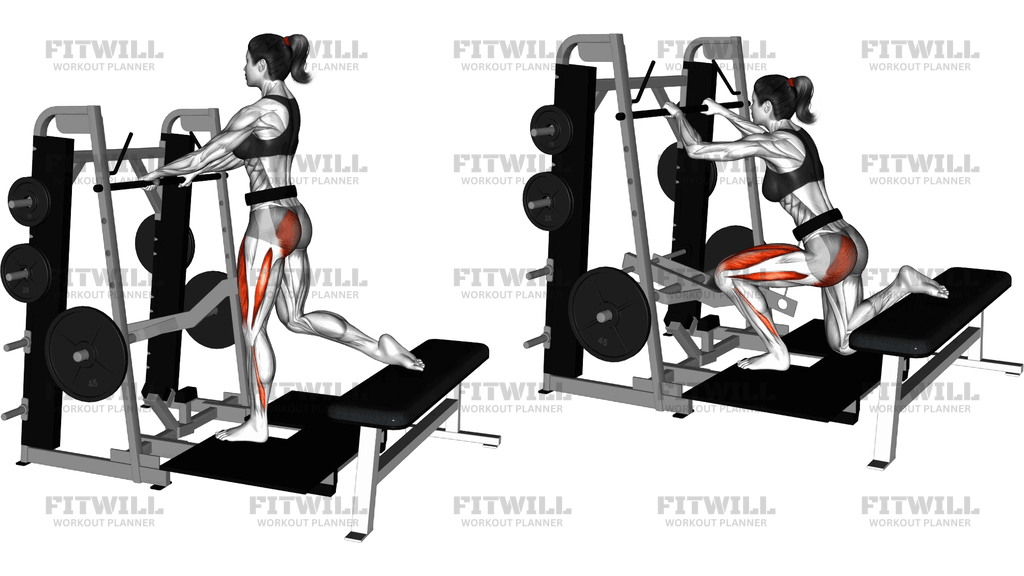
Lever Standing Leg Raise
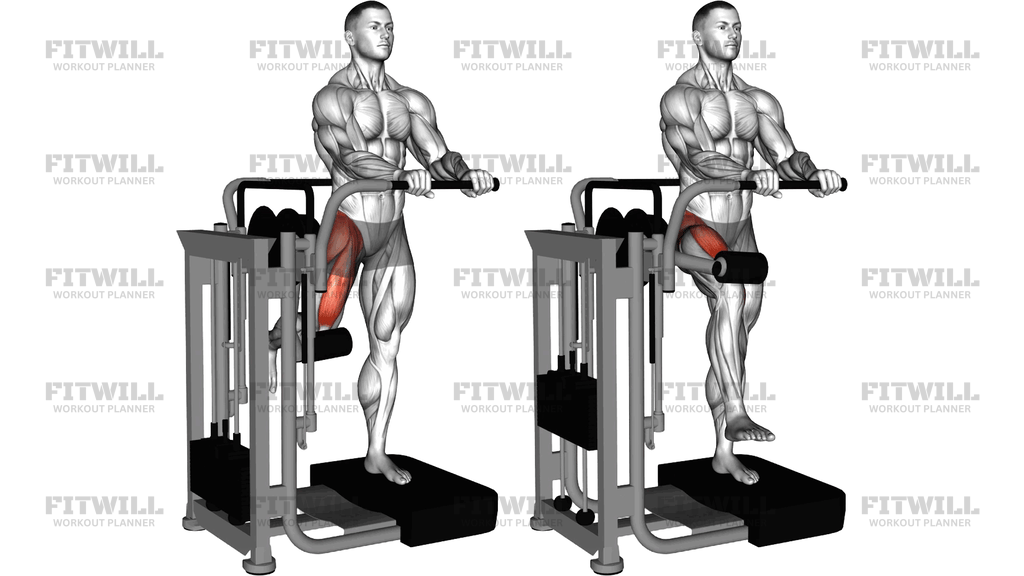
Lever Standing Leg Raise is a standing, machine-guided single-leg raise that uses a thigh pad and hand support to make the hip movement easier to repeat with the same path every rep. The setup keeps the body honest: one foot stays planted, both hands stay on the handles, and the working leg lifts against the lever instead of swinging freely. That makes it a useful drill for controlled hip flexion, pelvis control, and lower-body stability.
The exercise is built around clean repetition quality. The working hip should do the lifting while the standing side, glutes, and trunk keep the pelvis level and the torso tall. If the rib cage flares, the low back arches, or the body leans away from the machine, the rep stops being a true single-leg raise and turns into a compensation pattern. The machine is helpful because it gives you a clear path to control, but only if you stay organized through the trunk and standing leg.
Setup matters because the pad position changes how the leg tracks and how much room you have to move without pinching the hip. The roller should sit securely against the working thigh, the support foot should feel flat and stable, and the handles should let you brace without shrugging. Once that base is locked in, the lift should feel smooth and deliberate: drive the knee up, keep the pelvis square, pause briefly, then lower under control.
Use Lever Standing Leg Raise when you want accessory work that reinforces hip control without loading the spine heavily. It fits well in warm-ups, activation blocks, or machine-based lower-body sessions where you want repeatable reps and a stable setup. Keep the range pain-free, choose a resistance that lets every rep look the same, and stop the set as soon as the torso starts to twist or the leg begins to swing.
[ Workout Log & Planner ]
Put your next workout in Fitwill
Keep your plan and training log ready when you are.


Instructions
- Adjust the roller so it contacts the front of the working thigh just above the knee, then stand on the platform with your support foot planted and both hands on the handles.
- Square your hips and ribs to the machine, and keep the support knee softly bent so you can stay balanced.
- Start with the working leg in the bottom position allowed by the machine and keep the ankle relaxed.
- Brace your torso before the first rep so the lower back stays neutral.
- Drive the working knee upward and forward through the hip until you reach the top of the machine's comfortable range.
- Keep the pelvis level and avoid leaning back, twisting, or pulling with the arms.
- Pause briefly at the top while keeping your shoulders down and your stance steady.
- Lower the leg slowly until the lever returns to the start, then reset before the next rep.
Tips & Tricks
- Keep the support foot flat and the support knee unlocked so you do not rock the pelvis to get the thigh higher.
- Lift the leg with hip motion instead of yanking on the handles or shrugging the shoulders.
- If the low back takes over, shorten the top range and slow the lowering phase.
- A small pause at the top usually gives better control than trying to chase the highest knee position.
- Use a resistance that lets the lever move at the same speed on every rep; this machine works best with clean cadence, not momentum.
- Exhale as the knee rises and inhale as the leg returns to the bottom.
- Keep the working foot relaxed or lightly flexed if that feels more natural on your hip and knee.
- Stop the set when your torso starts to lean away from the machine or the working side starts to swing.
Frequently Asked Questions
What does Lever Standing Leg Raise train most?
It mainly trains controlled hip flexion and single-leg pelvic stability, with the standing side and trunk helping keep the body upright.
Can beginners perform this exercise?
Yes. Start with light resistance and use the handles to keep your torso quiet while you learn the path of the machine.
Where should the thigh pad sit?
It should sit firmly against the working thigh in a position that lets you raise the leg without pinching the hip or forcing a twist in the pelvis.
Should I lean back to lift the knee higher?
No. Keep the torso tall and let the hip lift the leg; leaning back turns the rep into a swing and usually shifts work into the low back.
Why do I feel this in my lower back?
That usually means the range is too large or the ribs are flaring. Shorten the lift and keep the brace set before each rep.
Is a shorter range of motion okay?
Yes, as long as the leg still moves smoothly and you can control the return without twisting or bouncing.
What are the most common mistakes on this machine?
The main problems are pulling with the arms, locking the support knee, rotating the hips, and lowering the leg too fast.
How do I progress Lever Standing Leg Raise?
Add small amounts of resistance, make the pause at the top stricter, or slow the lowering phase before chasing more load.