Kneeling Bend Knee Chair Supported
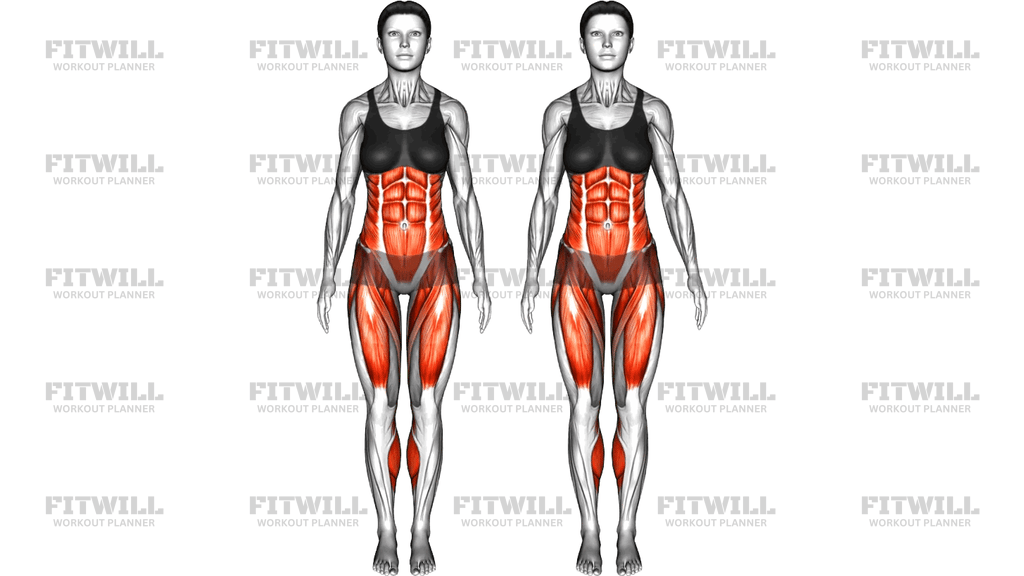
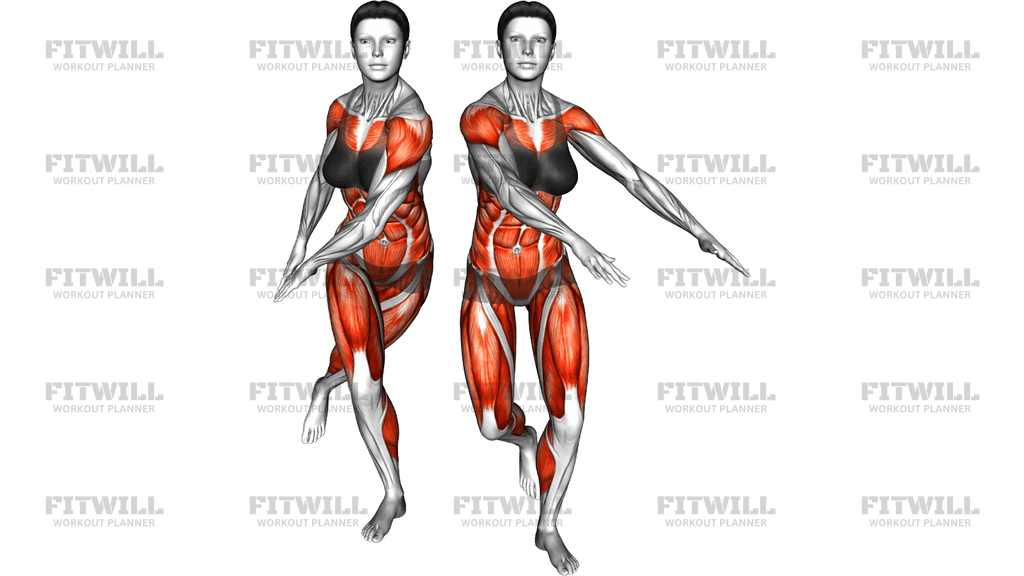
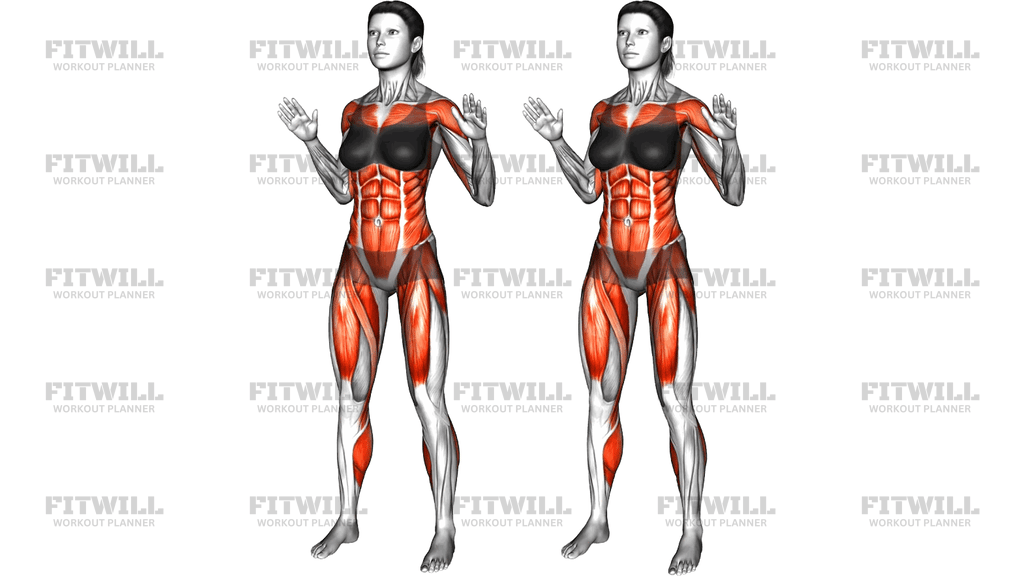
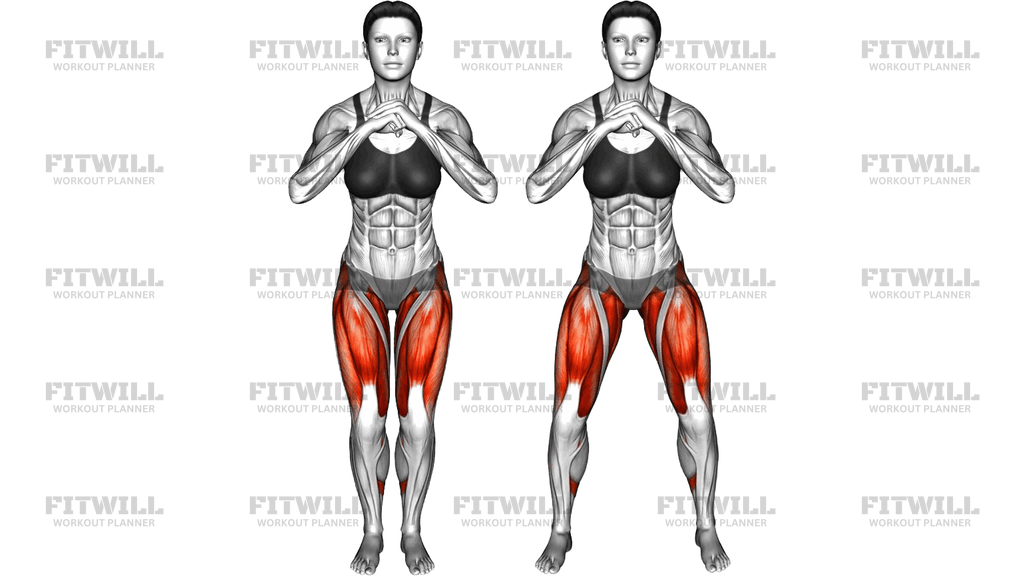
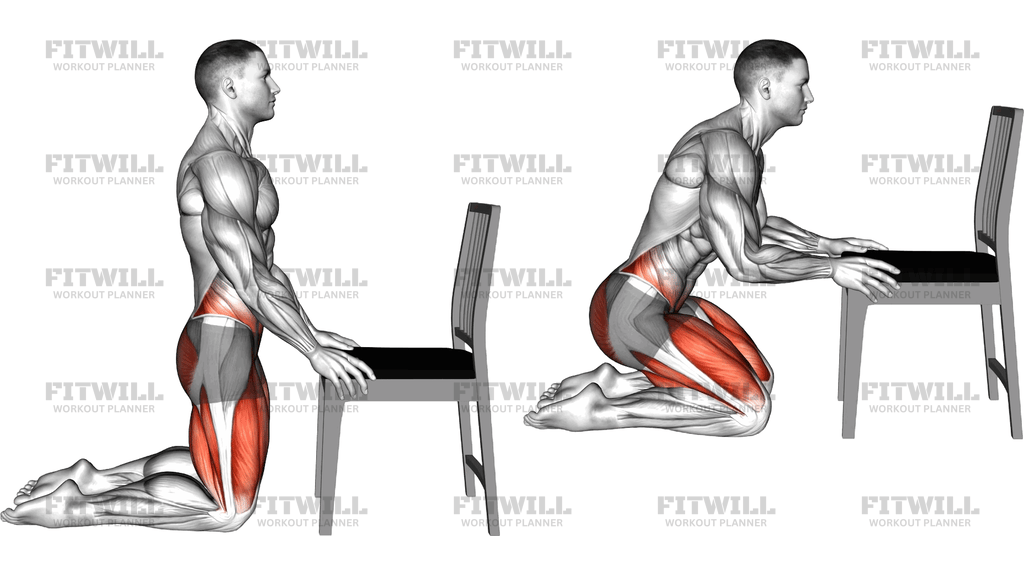
The Kneeling Bend Knee Chair Supported is a bodyweight exercise performed from a tall kneeling position with a sturdy chair placed in front of you for balance. From upright kneeling, you slowly bend your knees and lower your hips back toward your heels, letting your hands slide or rest on the chair seat for light support, then drive back up to the tall kneeling position. The chair turns a movement that would normally demand serious balance into one you can perform with confidence and control.
This exercise primarily works the quadriceps, which control the bending of the knees as you lower and straighten you back to the start. The hip flexors work hard to keep your torso upright throughout, since kneeling removes the ability to hinge at the hips the way you would in a squat. Your glutes and hamstrings stabilize the hips, and your deep core stays engaged to hold your spine tall from knee to head.
The setup matters more than it might seem. Because your lower legs stay flat on the floor behind you, the knees travel forward over the toes as you descend, which places the load directly on the thighs and front of the hips. The chair gives your hands a reference point, so you can fine-tune how much weight you offload. Lighter fingertip contact makes the movement harder; leaning more of your weight into the seat makes it easier and safer while you build strength.
This is a useful movement for beginners working toward more demanding kneeling and squatting patterns, for older adults who want to strengthen their legs with a low fall risk, and for anyone rehabilitating confidence in deep knee flexion after time away from training. It also serves athletes as a controlled way to train the quadriceps through a long range without external load.
To execute it well, keep the movement slow and even in both directions. Lower over a count of two or three seconds, let the hips settle gently toward the heels without dumping your weight down, and press the floor away through the top of the feet to stand tall again. If you feel pinching at the front of the knees, reduce the depth or add a folded towel under the knees. Stop at the depth you can control with a quiet, steady torso rather than forcing range.
[ Workout Log & Planner ]
Put your next workout in Fitwill
Keep your plan and training log ready when you are.


Instructions
- Place a sturdy, non-slip chair in front of you and kneel facing it, with your knees roughly hip-width apart and the tops of your feet flat on the floor behind you.
- Sit up tall so your shoulders stack over your hips and your hips stack over your knees, then rest both hands lightly on the chair seat for balance.
- Brace your abdominal muscles and squeeze your glutes slightly to lock your ribs down over your pelvis before you move.
- Bend your knees slowly and let your hips travel straight down and back toward your heels, keeping your chest lifted and your hands only lightly touching the chair.
- Continue lowering until your hips are close to your heels or you reach the deepest position you can control without discomfort at the knees.
- Pause briefly at the bottom, keeping tension in your thighs instead of collapsing your weight onto your heels.
- Press the tops of your feet into the floor and drive your hips forward and up, straightening the knees until you return to the tall kneeling position.
- Exhale as you lower down and inhale as you rise, keeping your breathing steady and never holding your breath.
- Complete your reps, then stand up by stepping one foot forward, using the chair for support as needed.
Tips & Tricks
- Leaning your weight into the chair is the biggest form cheat in this movement. Rest your fingertips there for balance only; if you need to grip hard or dump weight onto the seat, reduce your depth instead.
- If the tops of your feet or kneecaps ache against the floor, kneel on a folded towel or an exercise mat. Discomfort at the joint surface usually means padding, not less work.
- A common mistake is letting the chest fall forward as the hips drop, which turns the exercise into a lean rather than a knee bend. Cue yourself to keep your ear, shoulder, and hip in one vertical line.
- Move deliberately on the way down. Dropping quickly into the bottom position uses momentum and bounces the knees into end-range flexion, which is exactly what this slow version is meant to avoid.
- Keep your knees tracking over the middle of your feet rather than letting them cave inward or flare outward as you descend.
- If deep knee bending pinches at the front of the knee, limit the range to the point just before the pinch and build depth gradually over weeks.
- Do not let the low back arch and the ribs flare at the top. Tall kneeling tempts you to hang into lumbar extension; keep the glutes engaged to stay neutral.
- Place the chair close enough that your hands rest on it naturally at full reach. A chair that is too far away pulls your shoulders forward and round your upper back.
- Start with fewer reps than you think you need. Slow kneeling knee bends load the quads through a long range and can leave thighs sore the next day.
Frequently Asked Questions
What muscles does the Kneeling Bend Knee Chair Supported work?
The quadriceps do most of the work controlling the knee bend and driving you back up. The hip flexors hold your torso upright, while the glutes, hamstrings, and core stabilize the hips and spine throughout.
Is this exercise suitable for beginners?
Yes, it is one of the more accessible ways to load the thighs through a deep knee bend, because the chair provides balance support and you control the depth. Beginners should start shallow and lower into a deeper range as strength improves.
Why is the chair needed for the Kneeling Bend Knee Chair Supported?
Tall kneeling is unstable, and the chair gives your hands a reference point so you can balance without compensating with your torso. It also lets you offload a little bodyweight, making the movement manageable at any strength level.
Should my hands push on the chair or just rest on it?
They should rest lightly, acting like training wheels. If you are pressing a significant amount of weight through your arms, the exercise becomes easier on your legs, so lighten the grip or reduce your depth.
Is it safe for my knees to bend that deeply while kneeling?
Deep knee flexion under bodyweight is a normal movement, and moving slowly through it usually builds tolerance rather than harm. If you have a current knee injury or feel sharp pain or pinching, reduce the depth and check with a qualified professional first.
How is this different from a regular squat?
In a squat you hinge at the hips and sit back, while in this kneeling version your torso stays upright and the knees travel forward, shifting the emphasis to the quadriceps and hip flexors. The chair replaces the balance demands of a free-standing squat.
What can I use instead of a chair?
Any stable, waist-height support works, such as a bench, a railing, or the back of a sturdy sofa. Avoid anything lightweight or on wheels that could slide away mid-rep.
How many reps should I do of the Kneeling Bend Knee Chair Supported?
Start with two or three sets of six to ten slow repetitions, taking two to three seconds down and up. Adjust the volume based on how your thighs and knees feel the following day.
Why do my hip flexors burn more than my thighs?
That is expected. Holding your torso vertical from a kneeling position requires constant hip flexor work, so the front of the hips often fatigues before the quads do, especially in newer trainees.