Ring Skin The Cat
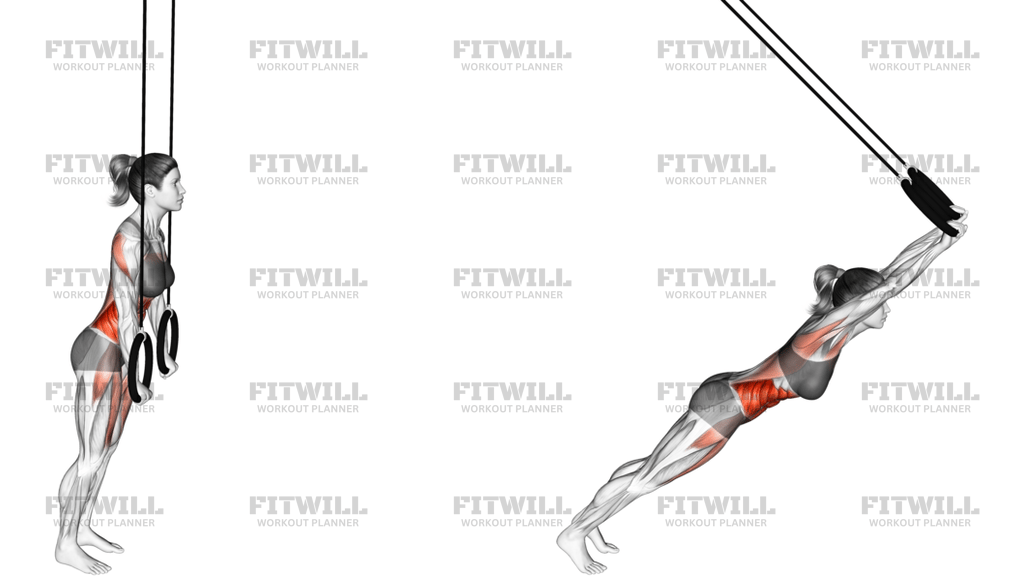
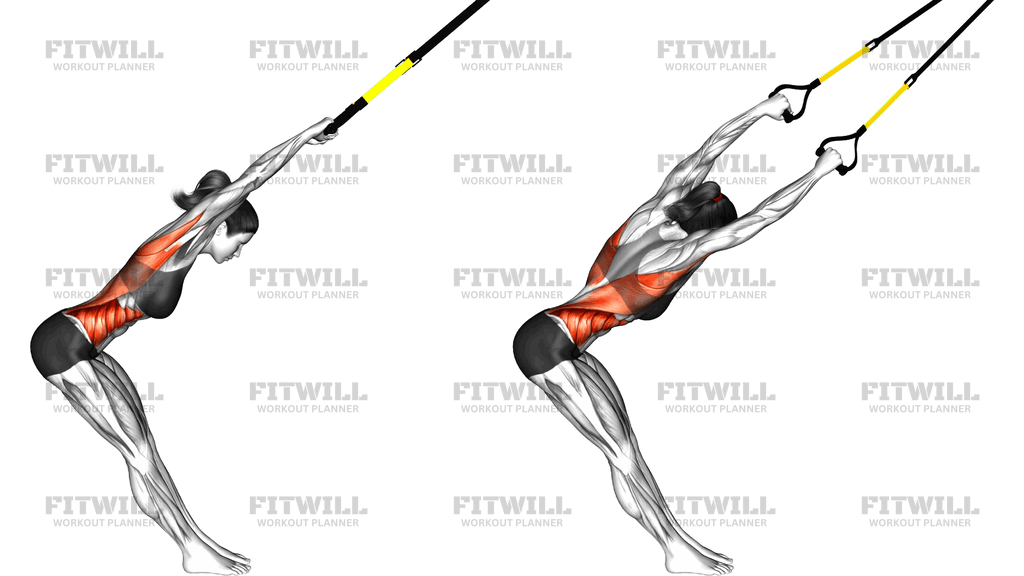
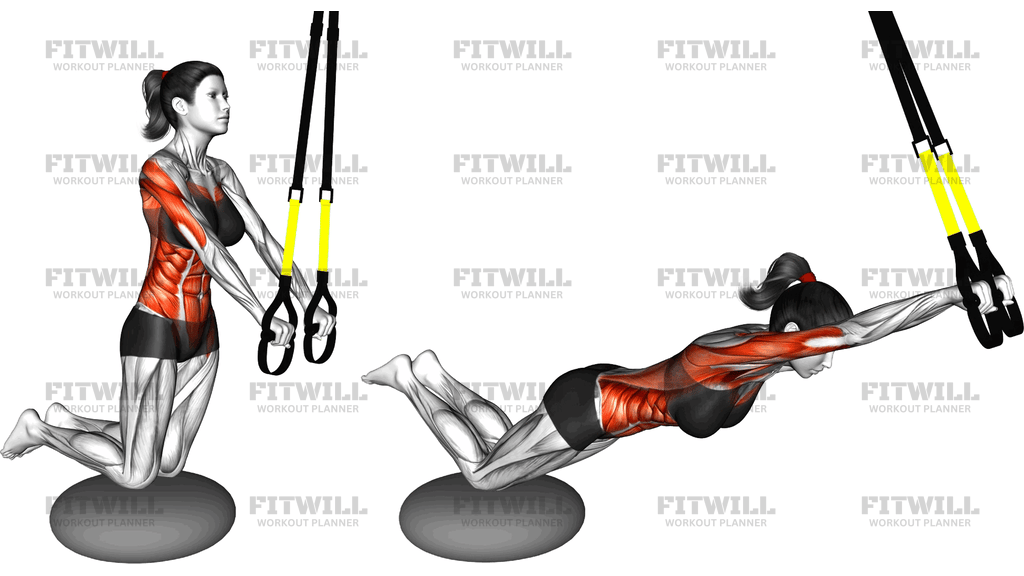
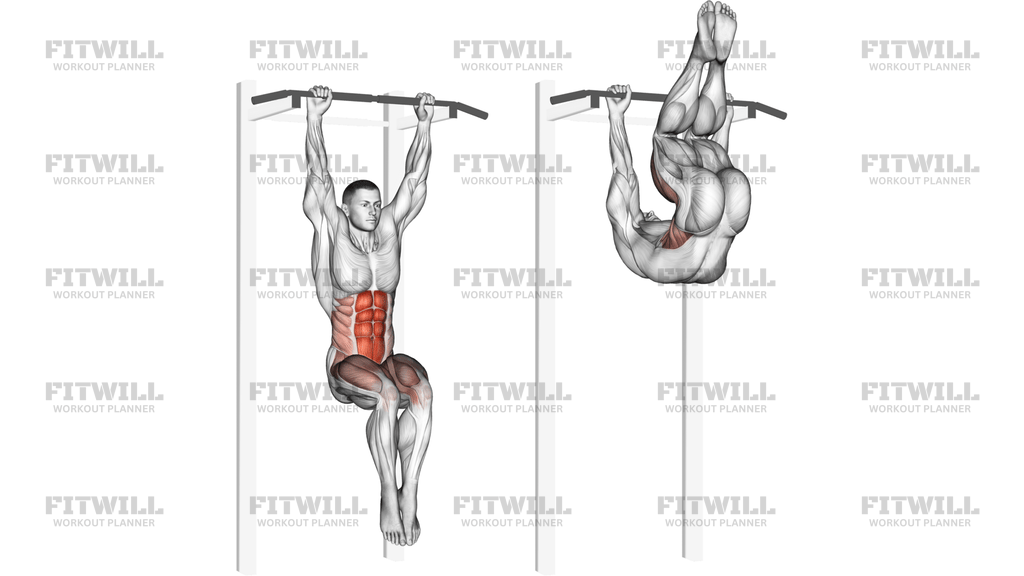
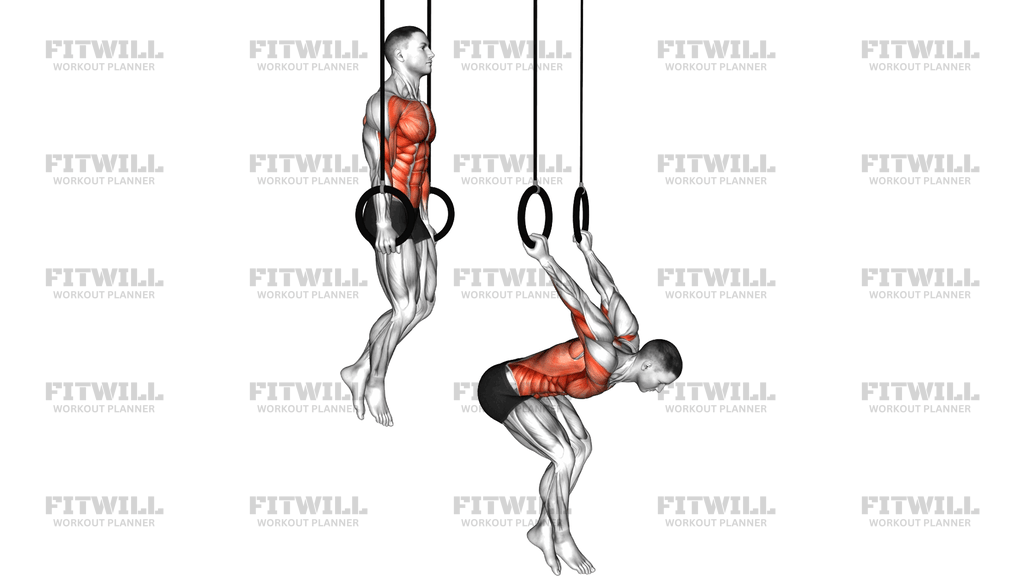
Ring Skin The Cat is a gymnastics-style hanging rotation performed on gymnastic rings. From a supported position on top of the rings, you lower your body backward through your arms, pass through an inverted hang, and continue rotating until you can reach back to the rings behind you or return to the start. Because the rings are unstable and free-moving, every phase of the rotation demands more from your grip, shoulders, and trunk than the same skill on a fixed bar.
This movement is best suited to intermediate and advanced trainees who already own a solid hollow hang, a strict pull-up or two, and comfortable support holds on rings. It is a staple in gymnastic strength work and calisthenics because it builds extreme shoulder extension and internal rotation capacity under load — ranges that pressing and pulling alone rarely cover. Gymnasts, ring enthusiasts, and anyone chasing advanced ring skills like inverted hangs and shoulder stands will get direct carryover.
The primary workload lands on the lats and shoulders, which control the descent and rotation, while the chest and biceps work hard in a deep stretch during the bottom phase. The abdominals and hip flexors keep the body tucked and controlled through the inversion, and the grip takes constant punishment on the turning rings. It is as much a shoulder mobility and control exercise as a strength one.
Setup matters enormously here. Set the rings to roughly waist height or slightly lower, check that they are anchored securely, and make sure the straps cannot slip. Because your hands rotate around the rings during the skill, a loose or twisting grip is the most common cause of slips. Keep a full grip with the thumbs wrapped, and keep tension in the arms rather than hanging on slack joints.
Execution should be slow and deliberate. Support yourself on top of the rings, lean back and lower with control, let the body fold at the hips as you drop through, and pass through the inverted hang without letting the head or shoulders snap into extension. Reverse the path by pulling the rings down toward your hips and rotating back up to support. Most people should learn the first half — lowering to inversion — for weeks before attempting the full rotation.
Treat this as a skill with real risk if rushed. Never attempt it on rings that can slide or on a bar you cannot clear, keep the floor beneath you clear of obstacles, and stop immediately if you feel pinching at the front of the shoulders. Practicing with bent knees and a spotter until the rotation feels automatic is the sensible path.
[ Workout Log & Planner ]
Put your next workout in Fitwill
Keep your plan and training log ready when you are.


Instructions
- Set the gymnastic rings to about waist height and confirm the straps and anchor point are secure with no slack or twisting.
- Grip the rings with a full wrap of the thumbs and press yourself up into a support hold, arms straight, body tall above the rings.
- Brace your abdominals, squeeze your legs together with knees slightly bent or tucked, and point your toes to keep the body organized.
- Lean back slowly and lower your body behind the rings, keeping your arms long and your shoulders actively pulling the rings down toward your hips.
- Let your hips fold and pass through the inverted hang, keeping a tight tuck so your center of mass stays close to the straps.
- Continue rotating until your hands travel behind your back and you reach the extended hang position, keeping the rings close to your body rather than letting them drift wide.
- To return, pull the rings firmly down toward your hips, tuck your knees toward your chest, and rotate back through the inverted hang.
- Press the rings down as your torso rises to come back over the top into the support hold, keeping tension the entire way.
- Exhale steadily through the descent and inhale as you pull back up; never hold your breath through the inversion.
- Step or lower down carefully, shake out the grip and shoulders, and reset fully before the next repetition.
Tips & Tricks
- Learn the descent first: practice lowering from support to a tuck inversion and rotating back the same way before ever reaching for the rings behind you.
- The most common failure point is a loose grip as the rings rotate — re-wrap your thumbs before every rep and chalk your hands if the rings feel slick.
- If you feel shoulder pinching at the bottom, shorten the range by staying in a tighter tuck; deeper tuck means a shorter lever and less strain on the shoulder capsule.
- Do not let the straps go slack mid-rep. If your body weight drops between your arms instead of staying loaded through the rings, you lose all control of the rotation.
- Keep the rings pulled close to your hips and thighs during the turn; letting them drift away from the body multiplies the torque on the shoulders.
- Bent knees are not cheating here — a compact tuck makes the rotation shorter and safer, and you can open the legs gradually as control improves.
- Rings spin freely, so the rings themselves will want to rotate with your hands; fight this by keeping your grip pressure even on both sides throughout the turn.
- Fatigue ruins this skill quickly. Do it early in a session when the grip and shoulders are fresh, and stop the set the moment your support hold starts to sag.
- Build prerequisites separately: support holds, tuck hangs, and German hang stretches on low rings all prepare the specific positions Ring Skin The Cat passes through.
Frequently Asked Questions
What muscles does Ring Skin The Cat work?
The lats and shoulders do most of the controlling and rotating, with the chest and biceps loading heavily in the stretched bottom position. The abdominals and hip flexors hold the tuck, and the forearms and grip work continuously on the turning rings.
Is Ring Skin The Cat safe for beginners?
Not as a full rotation. Beginners should first build ring support holds, strict hangs, and tuck inversions on low rings, and only progress to the complete skill once those positions feel comfortable and stable.
Why are rings harder than a pull-up bar for this movement?
The rings rotate and shift independently, so your grip, stabilizers, and shoulders must control both your body and the equipment. On a fixed bar the path is predictable; on rings every phase demands active stabilization.
How high should the rings be set for Ring Skin The Cat?
Set them around waist height so you can mount into a support hold with your feet clearing the floor through the entire rotation. Higher rings give more clearance but make the mount and dismount harder to control.
Should my legs be straight or tucked during Ring Skin The Cat?
Start with a tight tuck — bent knees pulled toward the chest — because it shortens the lever and makes the rotation easier to control. Open the legs gradually only once the full turn feels smooth and repeatable.
What is the most common mistake in Ring Skin The Cat?
Dropping through the descent with relaxed arms instead of actively pulling the rings down, which lets the shoulders slam into extension at the bottom. The whole lowering phase should be under muscular tension, not passive falling.
What can I use instead of Ring Skin The Cat if I lack shoulder mobility?
Practice a German hang on low rings or a bar, tuck inversions, and deep pull-up bar skin the cat progressions with a spotter. These cover the same shoulder extension positions with a shorter range and less rotation demand.
Why do my shoulders feel a pinch during Ring Skin The Cat?
Pinching at the front of the shoulder usually means the range or speed exceeds your current mobility. Stay in a tighter tuck, slow the descent, reduce the depth of the turn, and build capacity with targeted shoulder extension stretching before going deeper.
How many repetitions of Ring Skin The Cat should I do?
Treat it as a low-repetition skill: 3 to 5 controlled singles with full rest between reps is typical. Quality of the rotation matters far more than volume, and form degrades quickly once the grip tires.
Do I need a spotter to learn Ring Skin The Cat?
A spotter is strongly recommended for your first sessions, standing to the side to assist through the inverted phase. Also verify that the ring anchor is rated for dynamic loading and that the area beneath you is completely clear.