Box Jump Through The Arms
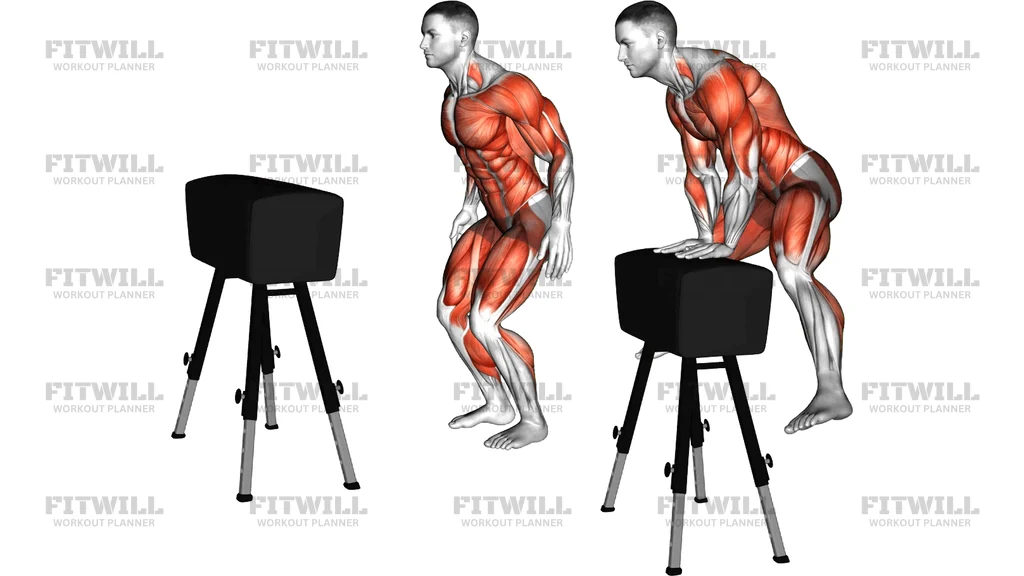
Box Jump Through The Arms is an explosive vault-style plyometric in which you jump toward a padded box, plant both palms on top of it, and pass your legs through the gap between your arms so your whole body clears the box in one continuous motion. Unlike a standard box jump, where the feet do all the work and you land on top, this movement uses the arms as the support point while the legs travel underneath and past them, which makes it as much an upper-body power drill as a leg exercise.
This movement shows up most often in parkour and obstacle training, but it carries over well to martial arts, rugby, football, and any sport that demands quick transitions from ground to obstacle. It teaches you to convert horizontal speed into vertical lift, absorb force through straightened arms, and coordinate a hip lift with a knee tuck, all within a fraction of a second.
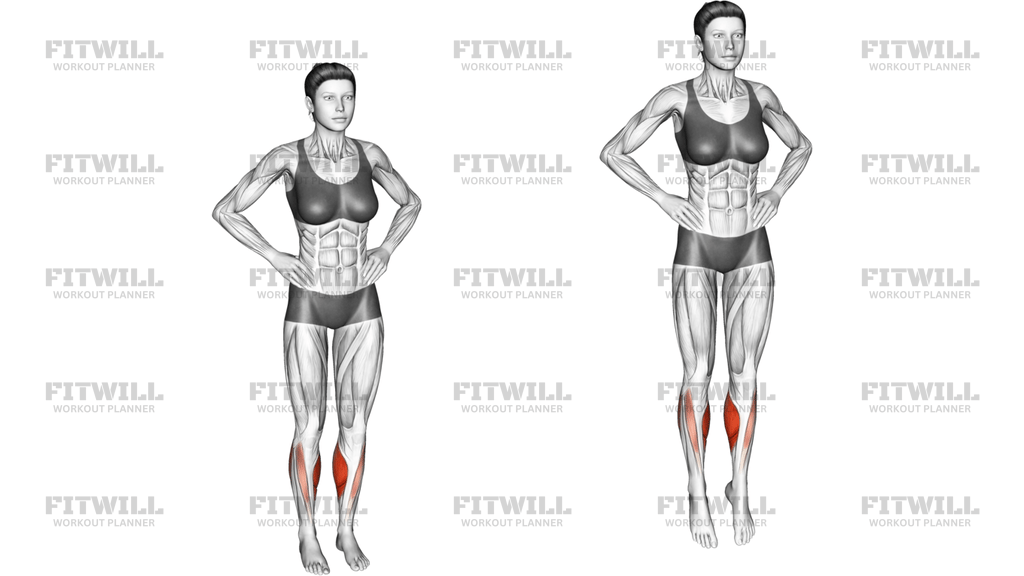
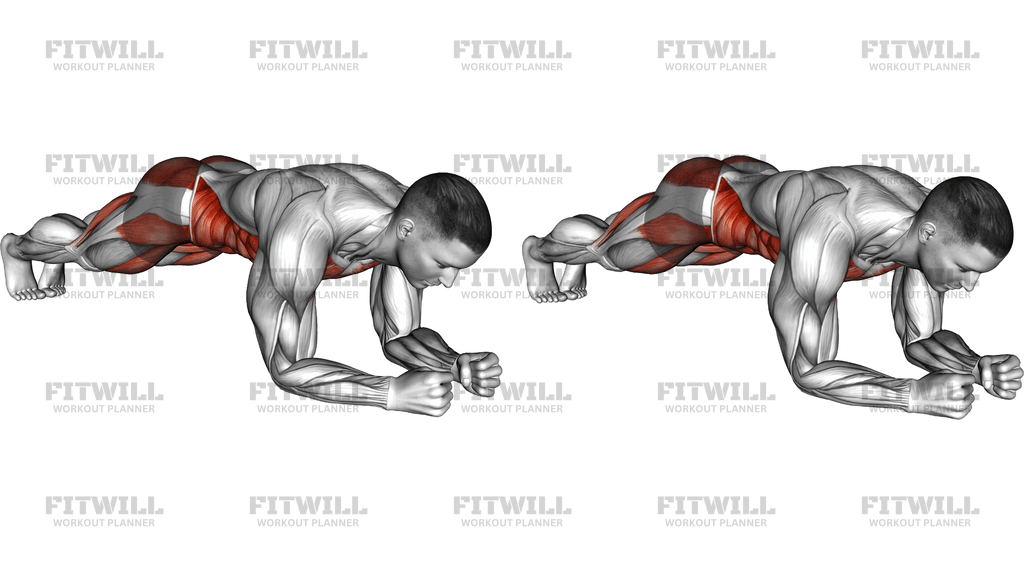
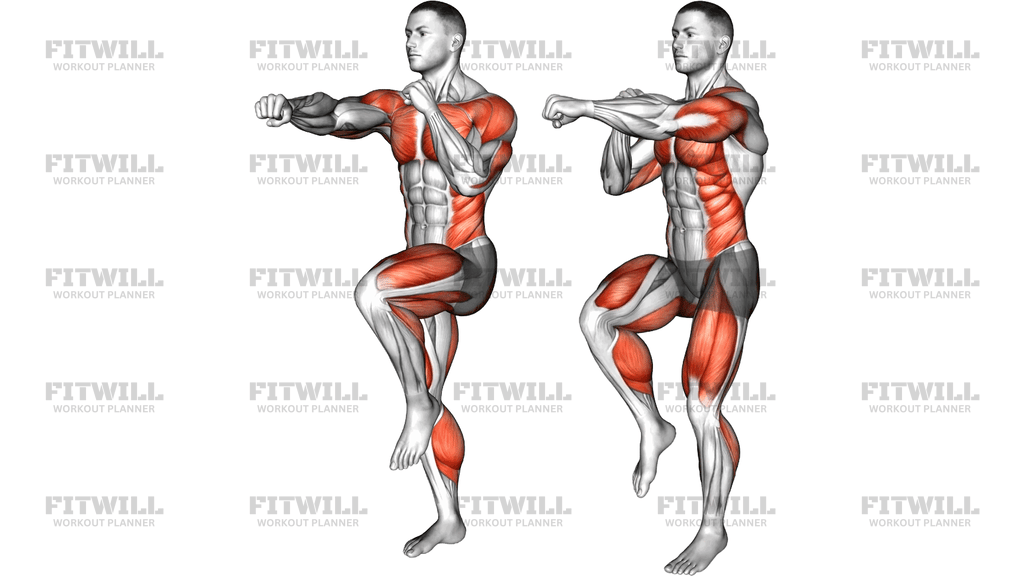
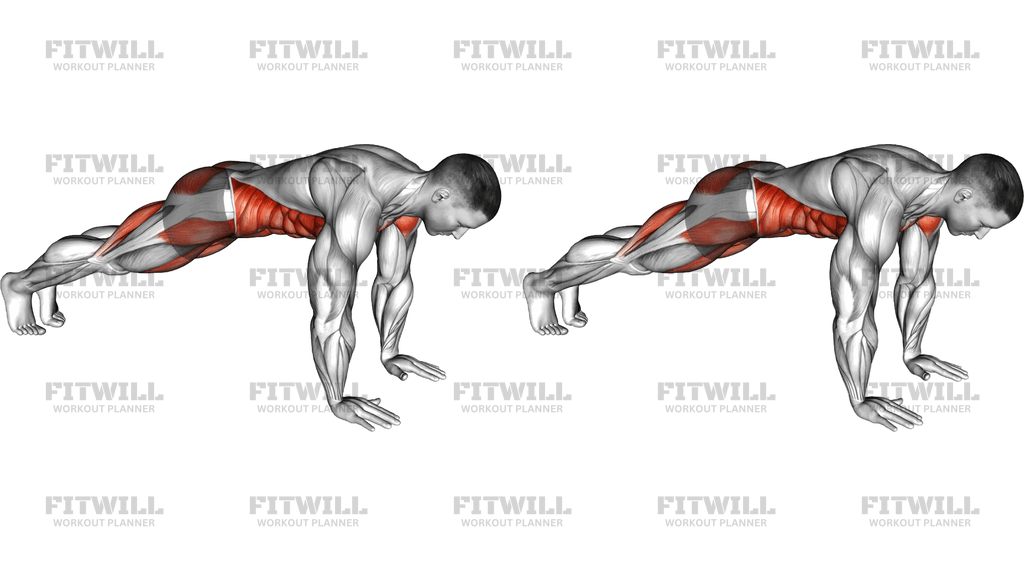
On the push side, the shoulders and triceps take your bodyweight as you land on your hands and press the box away while the hips rise. The chest assists during the catch. On the jump side, the quads, glutes, and calves drive the takeoff, and the hip flexors pull the knees up so the feet clear the edge. The core ties the two halves together, transferring force from the lower body through a braced torso into the arms.
Setup matters more here than in most jumps. The box needs a stable, padded top you can trust with your hands, and the height should sit around hip level so your hips can actually rise above your wrists. Your palms belong flat on the top surface, fingers spread, shoulders stacked over the wrists at the moment of contact. If the box is too tall or your hands drift to the edge, your arms collapse and the legs catch the box instead of clearing it.
To execute it well, think of the whole rep as one rhythm rather than a jump plus a push. Squat a quarter of the way down, swing the arms, plant the hands, and let the momentum carry the hips up as the knees tuck toward the chest. Press the box away as the legs pass through, spot the landing, and come down on the balls of the feet with soft knees.
Because the hands bear your full weight at speed, treat this as an advanced progression. Start with a lower box or a step-through version where one leg leads, and keep the reps low and crisp. Fatigue degrades landing mechanics quickly, so stop the set when the rhythm gets sloppy.
[ Workout Log & Planner ]
Put your next workout in Fitwill
Keep your plan and training log ready when you are.


Instructions
- Set a padded plyo box at roughly hip height on a flat, non-slip surface, and stand facing it about one long stride away with your feet hip-width apart.
- Hinge at the hips and knees into a quarter squat and swing both arms back behind your body to load the movement.
- Brace your core, keep your chest tall, and fix your eyes on the top edge of the box rather than your feet.
- Swing the arms forward explosively and jump off both feet, driving through the balls of the feet.
- Land both palms flat on top of the box just outside shoulder width, fingers spread and pointing forward, with the elbows soft and the shoulders stacked directly over the wrists.
- Press through the palms immediately and lift the hips high, tucking the knees toward the chest so the legs pass through the gap between the arms and clear the box.
- Keep the arms nearly straight and push the box away as the feet come through, spotting the landing on the far side.
- Land on the balls of both feet with the knees and hips bent to absorb the impact, then stand tall.
- Exhale sharply on the jump and press, and inhale as you walk back to the start.
- Reset your stance and focus fully before each repetition instead of rushing reps back to back.
Tips & Tricks
- If your hips never rise above your wrists, the box is too tall for you. Drop the height until the knee tuck feels effortless, then progress gradually.
- A common failure is bending the elbows and sinking into a half push-up as the legs swing through. Keep the arms close to straight and actively push the box down and away to buy clearance.
- Keep your palms on the flat top surface, not on the edge or lip. Catching the edge rolls the wrists backward under load and is the most common reason people lose the plant mid-rep.
- If your feet clip the box, the problem is usually the hip lift, not the knee tuck. Drive the hips toward the ceiling first and let the knees follow underneath them.
- Treat the movement as one rhythm: jump, plant, press, tuck, land. If you find yourself pausing on your hands, regress to a step-through version until the timing is automatic.
- Warm up the wrists with circles and weight-bearing stretches before your first set, since they absorb your full bodyweight on every rep.
- Avoid looking down at your feet during the tuck. Keeping your eyes on the box edge preserves balance on the hands and helps you spot the landing.
- Land quietly. A heavy, flat-footed landing means your knees and hips are not absorbing force, and it usually shows up alongside a stiff-legged takeoff on the next rep.
- Cut the set the moment your plants get uneven or your legs start dragging through low. Quality timing is the entire point of this drill.
Frequently Asked Questions
What muscles does Box Jump Through The Arms work?
The shoulders and triceps handle your bodyweight during the hand plant and press, with the chest assisting. The quads, glutes, and calves power the jump, the hip flexors lift the knees through, and the core transfers force between the two halves.
Is Box Jump Through The Arms good for beginners?
It is best treated as an intermediate-to-advanced plyometric. Beginners should build a base with regular box jumps, elevated plank push-offs, and a slow step-through vault over a low box before attempting the full jump.
How high should the box be for Box Jump Through The Arms?
Start around hip height, which allows the hips to rise above the wrists without an extreme tuck. Lower the box if you pause on your hands or clip your feet, and only raise it once the whole rhythm feels smooth.
Why do my wrists hurt when I do Box Jump Through The Arms?
Pain usually comes from planting on the box edge, letting the shoulders drift behind the wrists, or skipping wrist preparation. Place the palms flat on the top surface, stack the shoulders over the hands at contact, and warm the wrists up before jumping.
How is Box Jump Through The Arms different from a regular box jump?
A regular box jump lands the feet on top of the box using leg power only. In Box Jump Through The Arms, the hands take your weight on the box while the legs pass through the arms and clear it entirely, adding a demanding upper-body push element.
What can I use instead of a Box Jump Through The Arms?
A straddle or step vault over a low padded box trains the same timing with less load, and an elevated plank push-off builds the pressing strength. A standard box jump covers the takeoff and landing portion of the pattern.
How do I stop my feet from clipping the box?
Press through the palms to lift the hips higher before the knees tuck, and pull the knees toward the chest rather than out to the side. Practicing the step-through version helps you feel the clearance path before adding the jump.
How many reps of Box Jump Through The Arms should I do?
Keep the sets short and sharp, roughly 3 to 5 sets of 3 to 6 clean reps, with full recovery between sets. Stop the set as soon as the plant or landing quality drops, because sloppy reps under fatigue are where landings go wrong.
Is Box Jump Through The Arms safe for the shoulders?
It requires healthy, stable shoulders because each rep briefly loads them with your full bodyweight at speed. If you have a current or recent shoulder issue, stick to lower-impact push variations and get clearance before adding vaulting work.