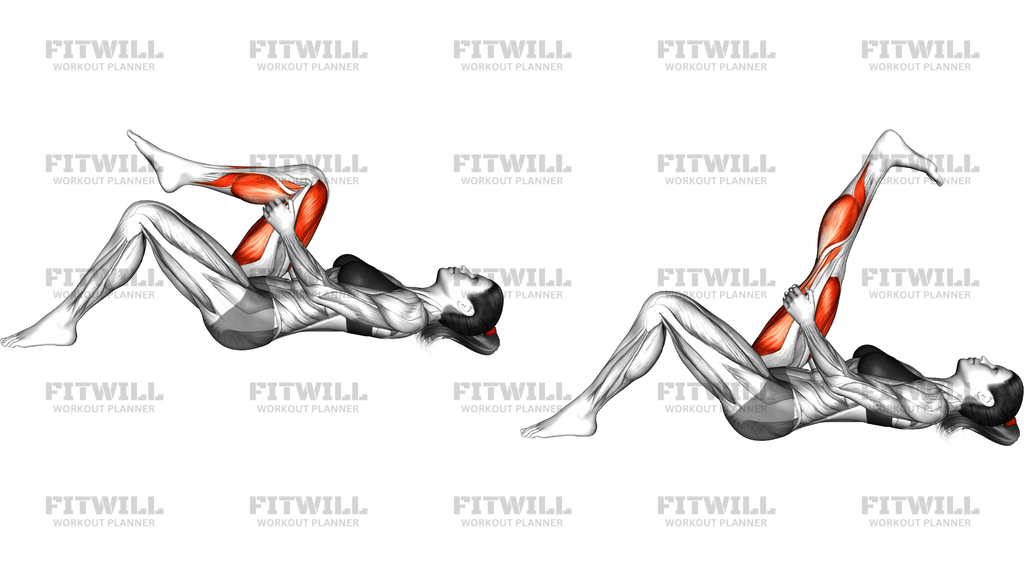
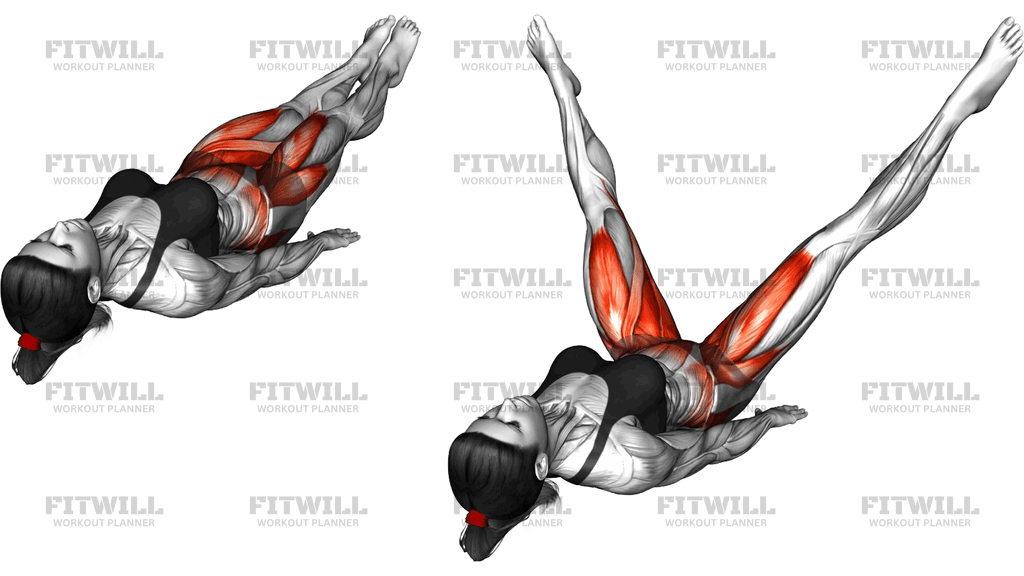
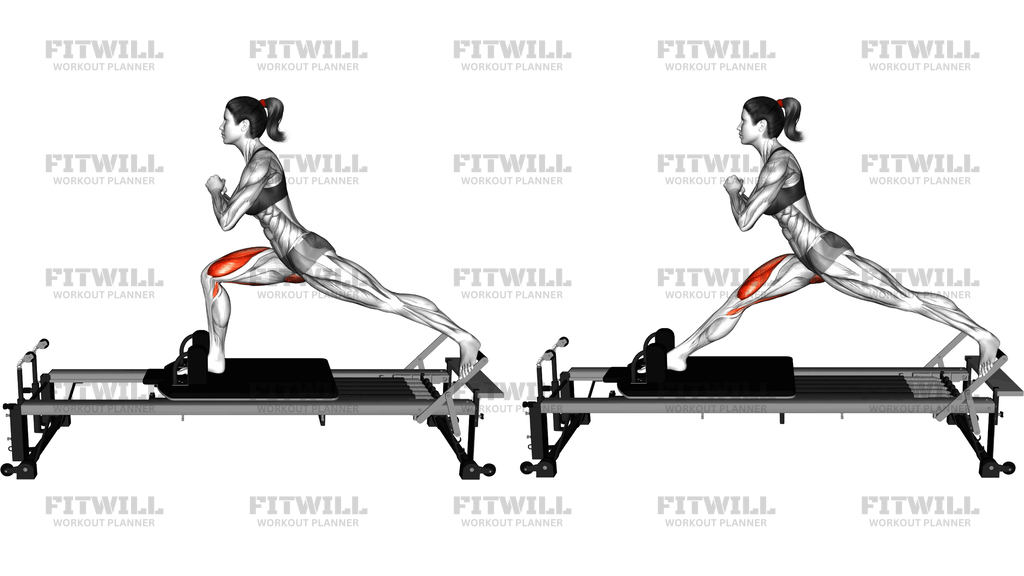
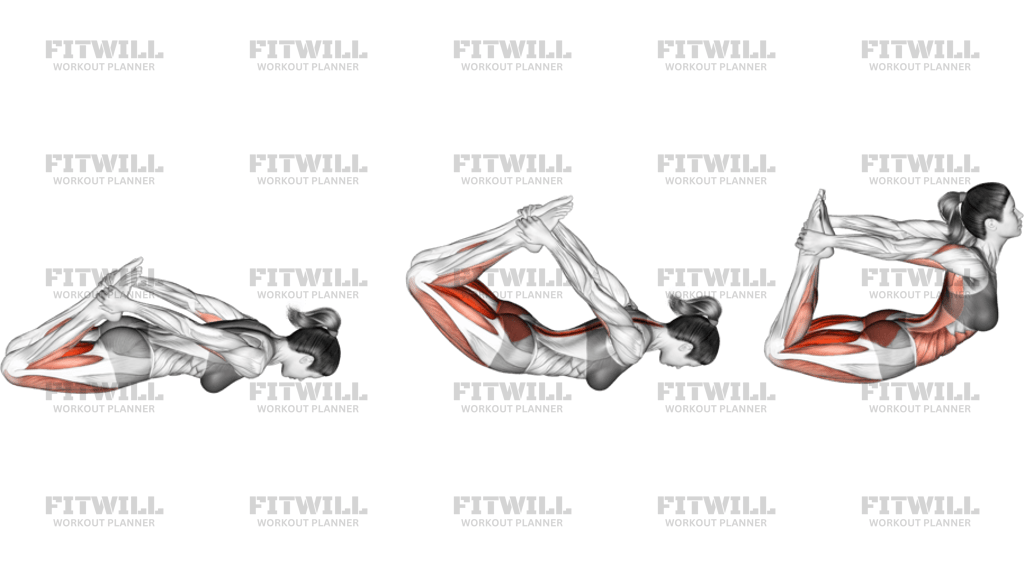
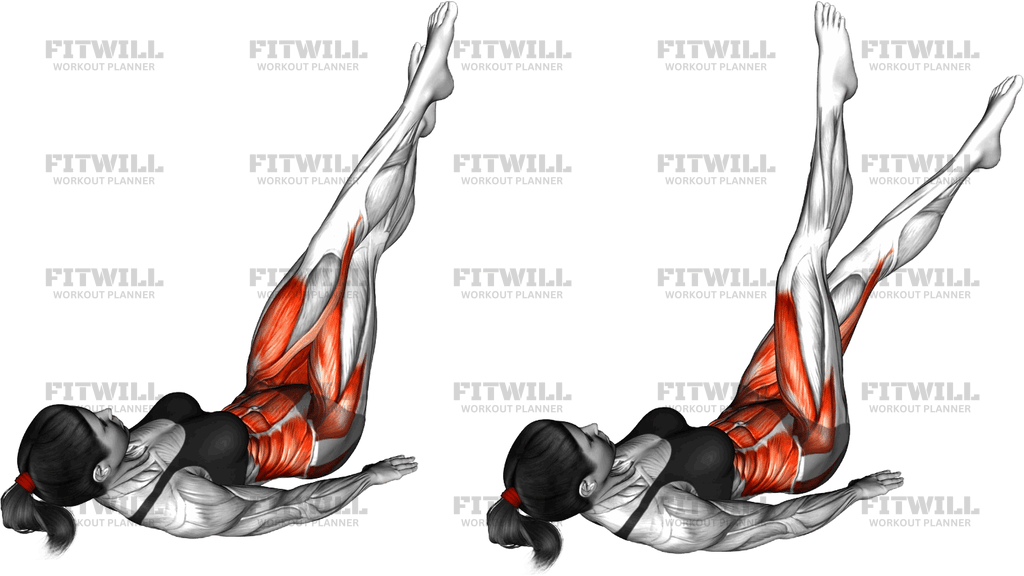
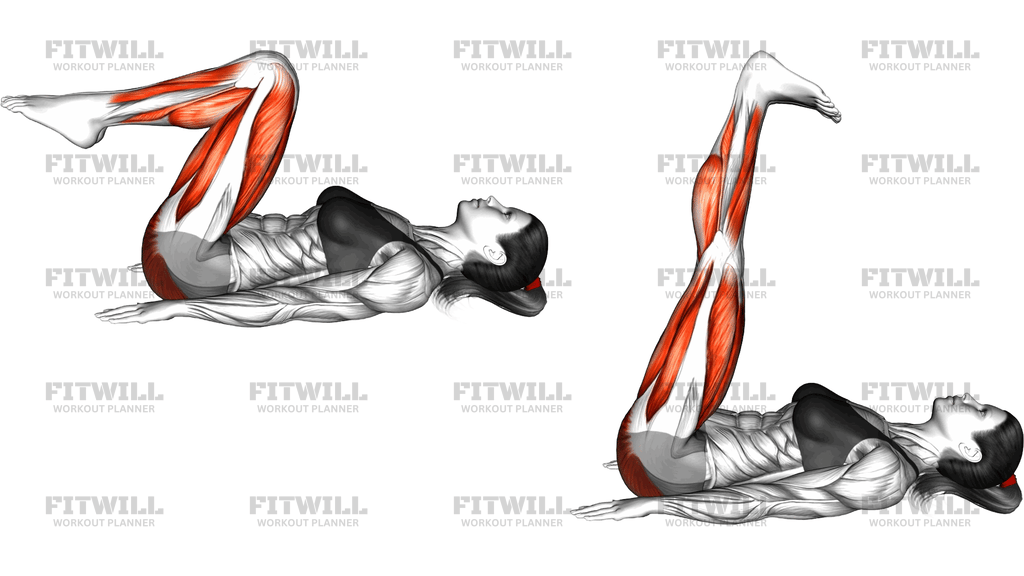
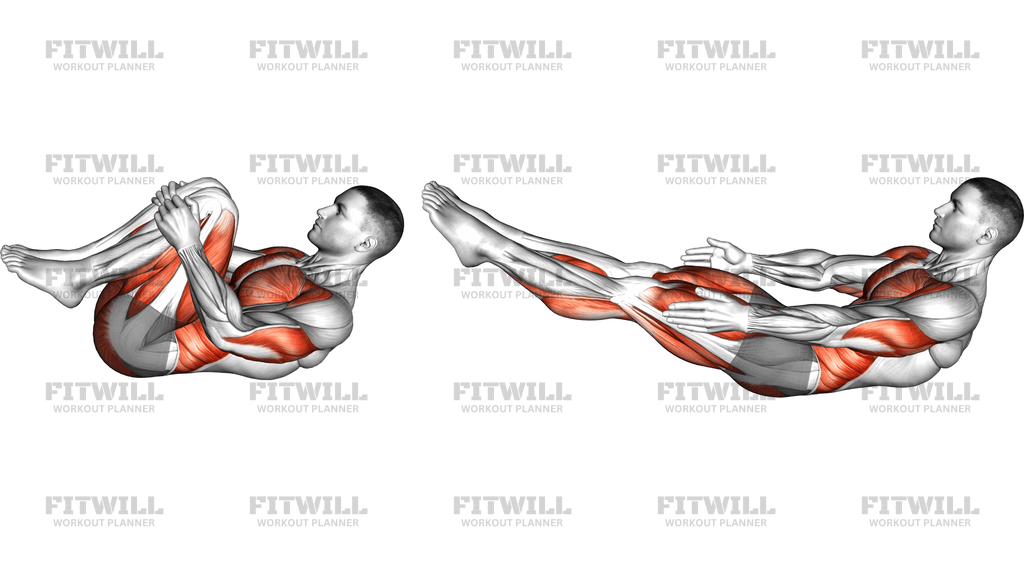
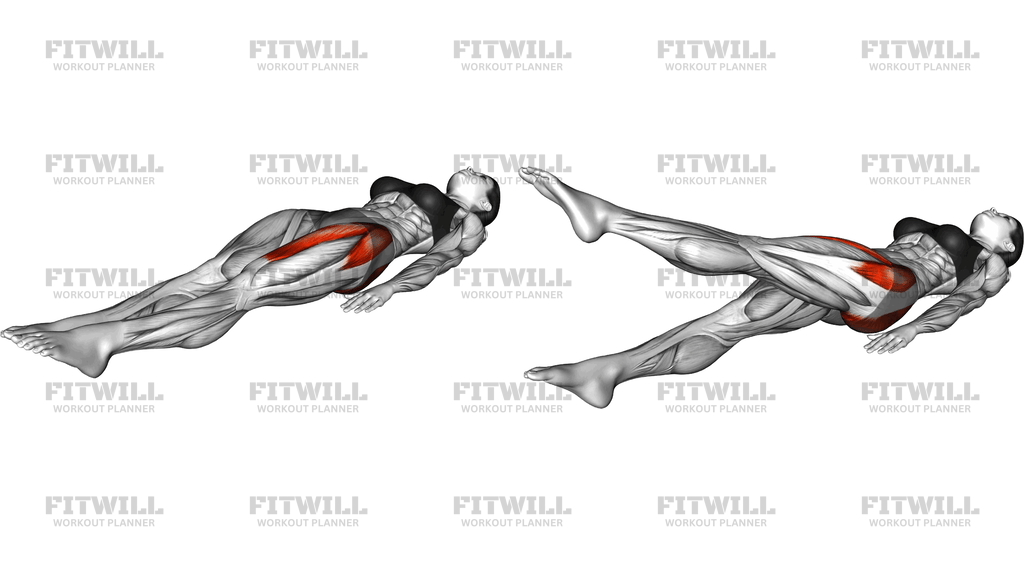
Pilates Machine Lying Running
Pilates Machine Lying Running is a reformer exercise that mimics a running pattern while you lie on your back on the moving carriage. Your head rests on the headrest, your pelvis stays neutral on the carriage, and your feet work against the footbar as you alternate extending one leg fully while the other knee bends in toward your chest. The springs provide resistance in both directions, so every switch demands control on the way out and on the way back in.
Because the carriage is unstable and spring-loaded, this movement trains far more than the legs. The quadriceps and hamstrings drive the bending and straightening of each knee, the calves and glutes assist as each leg reaches long, and the deep core works continuously to keep your pelvis and low back from rocking as your legs trade positions. It is one of the few ways to rehearse a running rhythm without impact, which is exactly why it appears so often in Pilates programs.
This exercise suits a wide range of people. Runners and cyclists use it to reinforce hip and knee coordination under load without pounding their joints. General clients use it to build lower body endurance and pelvic control at the same time. It is also a common progression in beginner reformer sessions, usually introduced after footwork has taught you how to press through the footbar and how the carriage behaves under spring tension.
Setup matters more than speed here. Your foot placement on the footbar, the position of your pelvis, and the spring load all determine whether the work lands in your legs and core or leaks into your lower back and neck. Lying supine with the head supported lets most people keep their spine neutral far more easily than in standing work, which is one of the advantages of this particular position.
To execute it well, think of length before speed. Each leg fully straightens against the resistance before the opposite knee draws in, and the carriage should travel a consistent distance with every switch. The rhythm resembles a controlled jog, not a sprint: the moment you rush, the pelvis tips, the low back arches, and the knee that should stay tracking over the foot starts to wander.
A few practical points keep it safe. Choose a lighter spring than you think you need until you can hold your pelvis perfectly still, keep your ribs relaxed down toward your hips rather than thrusting up, and stop the set if you feel gripping in your hip flexors or strain across your low back. Quality of the switch, not the number of switches, is what makes Pilates Machine Lying Running worth your time.
[ Workout Log & Planner ]
Put your next workout in Fitwill
Keep your plan and training log ready when you are.


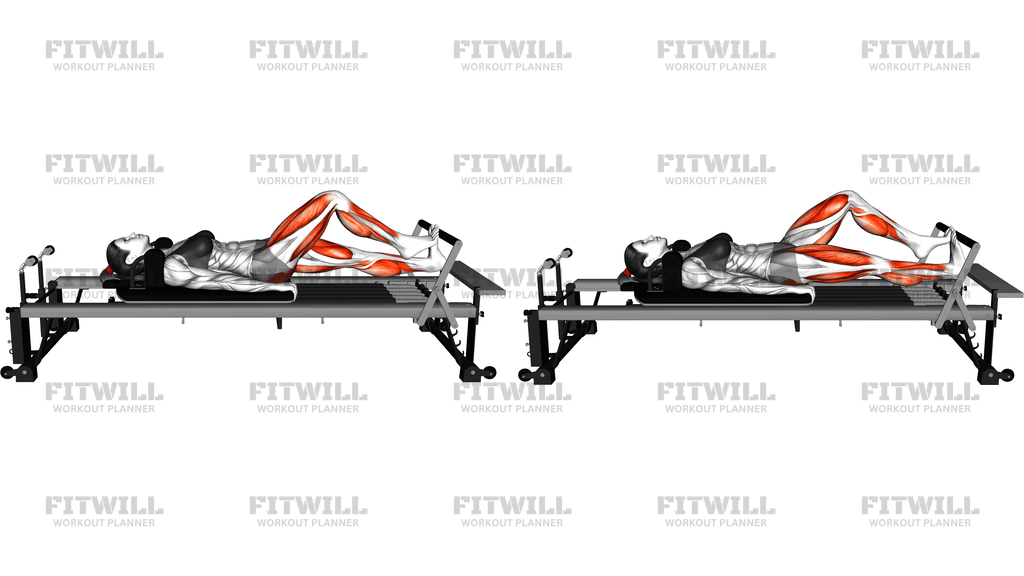
Instructions
- Lie supine on the reformer carriage with the back of your head on the headrest, your spine in a neutral position, and your arms relaxed alongside your body with palms resting on the carriage.
- Place both feet on the footbar about hip-width apart, parallel, with the balls of your feet grounded and your knees bent over your hips.
- Press both feet into the footbar just enough to take up the slack, and set a light to moderate spring load you can control without arching your low back.
- Engage your deep core gently by drawing your lower abdominals toward your spine, and keep your ribs soft and down.
- Extend one leg fully against the resistance, pressing through the footbar until the knee is almost straight while the carriage moves away.
- As that leg reaches long, bend the opposite knee in toward your chest so the two legs trade positions in one continuous, flowing switch.
- Keep both feet on the footbar throughout, toes softly pointed on the extending leg, and avoid letting the knee collapse inward or outward.
- Continue alternating at a steady jogging rhythm for your desired number of switches, exhaling steadily through the movement.
- To finish, bring both knees back over your hips, let the carriage return fully to the stopper, and rest both feet flat on the footbar before sitting up.
Tips & Tricks
- If your pelvis tips or your low back arches on each switch, reduce the spring tension or shorten the carriage travel rather than forcing your leg to full extension.
- Watch for the extending knee drifting toward the midline; keep it tracking in line with the hip and the foot on the footbar.
- Gripping hip flexors usually mean the knee is pulling in too fast. Slow the bend down and let the exhalation lead the draw-in.
- Do not press your head or neck into the headrest; tension there signals you are bracing through the wrong end of your body.
- Keep both heels quiet on the footbar. Lifting or hunting for the bar mid-switch means the load is too heavy or the rhythm too rushed.
- Match carriage travel on both sides. Uneven distance left to right often points to favoring one leg or a pelvis that has shifted on the carriage.
- Think of reaching the long leg away from your hip rather than just straightening the knee; this keeps the glutes and hamstrings involved instead of only the quads.
- If your ribs flare toward the ceiling as legs extend, soften the front of your chest and re-engage the lower abdominals before continuing.
Frequently Asked Questions
Which muscles does Pilates Machine Lying Running work the most?
The quadriceps and hamstrings do most of the visible work as each knee bends and straightens, while the calves and glutes assist on the extending leg. The deep core and hip flexors work isometrically and dynamically to keep the pelvis stable while the legs alternate.
Is Pilates Machine Lying Running suitable for beginners?
Yes, as long as the spring load is light and the rhythm is slow. It is usually taught after basic reformer footwork, so the client already knows how to place the feet on the footbar and control the carriage.
How heavy should the springs be for Pilates Machine Lying Running?
Choose the lightest setting that still lets you feel resistance through the full switch while your pelvis stays completely still. If your low back arches or your hip flexors grip, the load is too heavy for your current control.
Why does my lower back arch during the switches?
The arch usually appears when the extending leg travels too far for your core to control, tipping the pelvis. Shorten the range, exhale as each leg extends, and re-check that your ribs are staying relaxed down toward your hips.
How fast should I switch legs in Pilates Machine Lying Running?
Start at a slow, even tempo where each leg fully straightens before the other knee draws in. Once your pelvis stays quiet, you can gradually build toward a quicker jogging rhythm without losing carriage control.
Can I substitute anything if I do not have access to a reformer?
You can mimic the alternating leg pattern lying on a mat, but you lose the spring resistance and the footbar feedback that make this version distinctive. A resistance band looped around the feet is the closest low-equipment stand-in.
How many repetitions should I do?
Count switches rather than single legs; 16 to 24 controlled switches is a common working set. Stop when your pelvis starts moving or your rhythm gets sloppy, since extra sloppy reps teach poor patterns.
Is Pilates Machine Lying Running safe for sensitive knees?
Generally yes because the springs provide smooth, joint-friendly resistance, but keep the extending knee slightly soft instead of snapping it straight. If you feel pinching or discomfort at the front of the knee, lighten the springs and reduce the range.