Suspension Pike
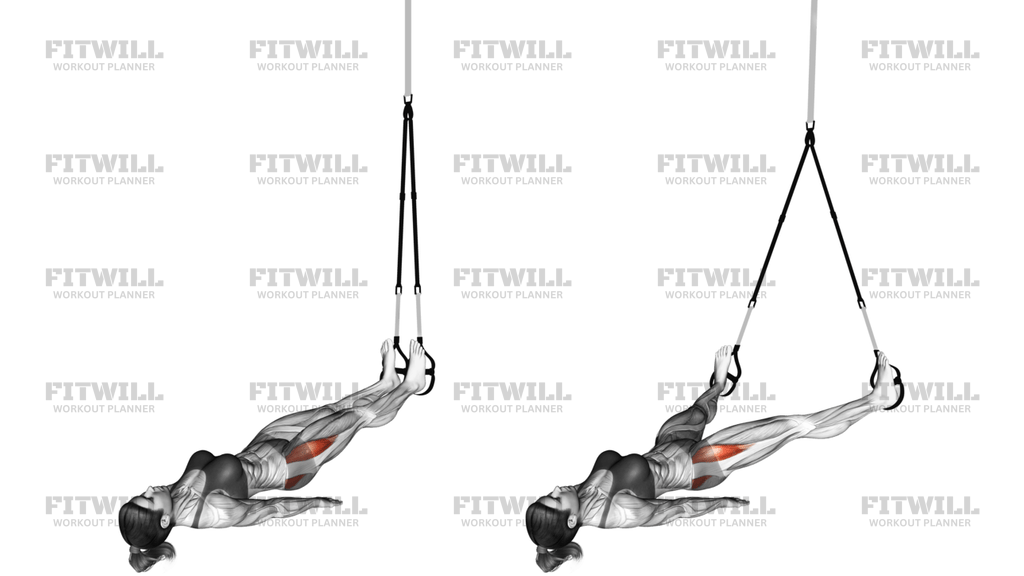
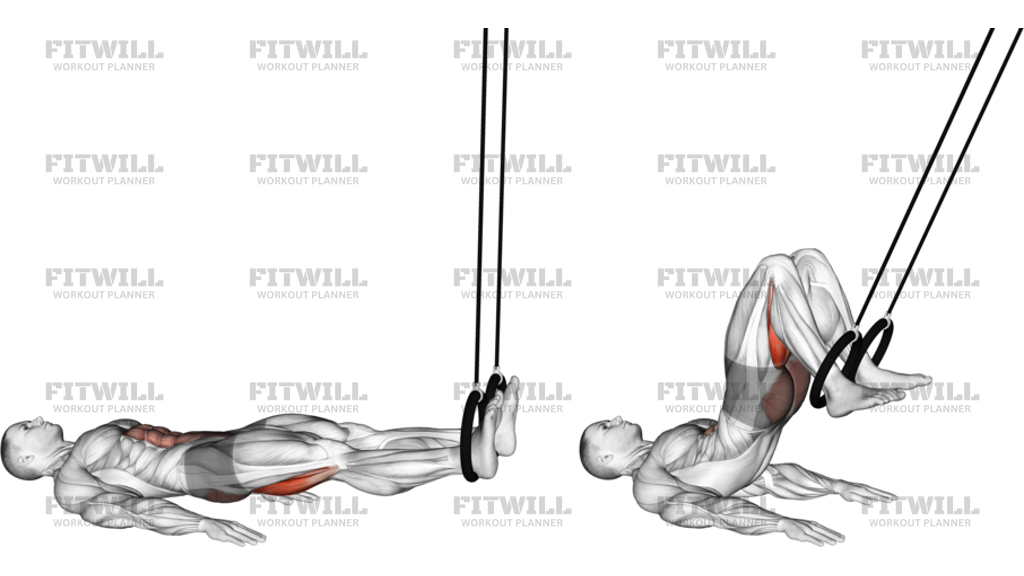
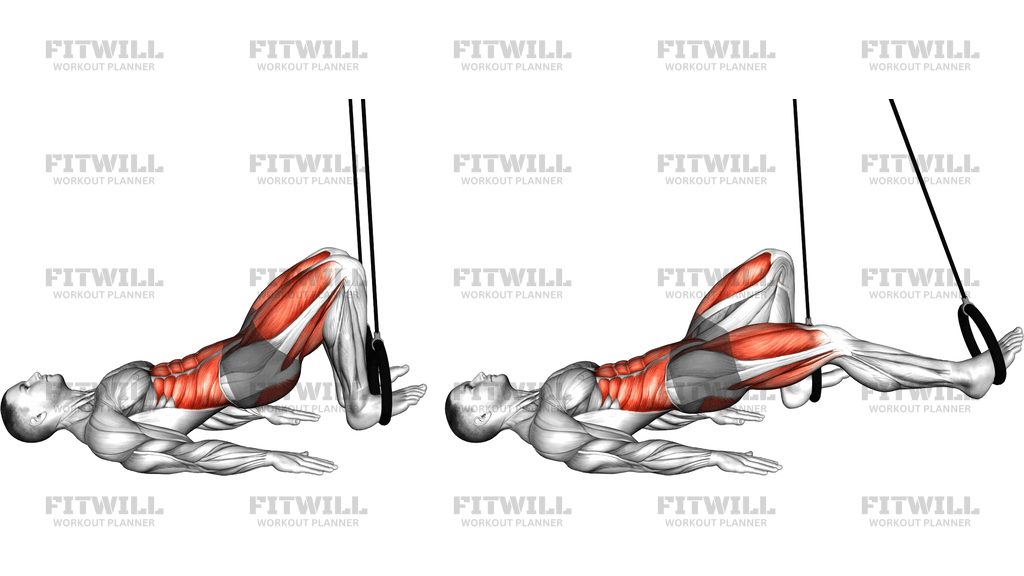
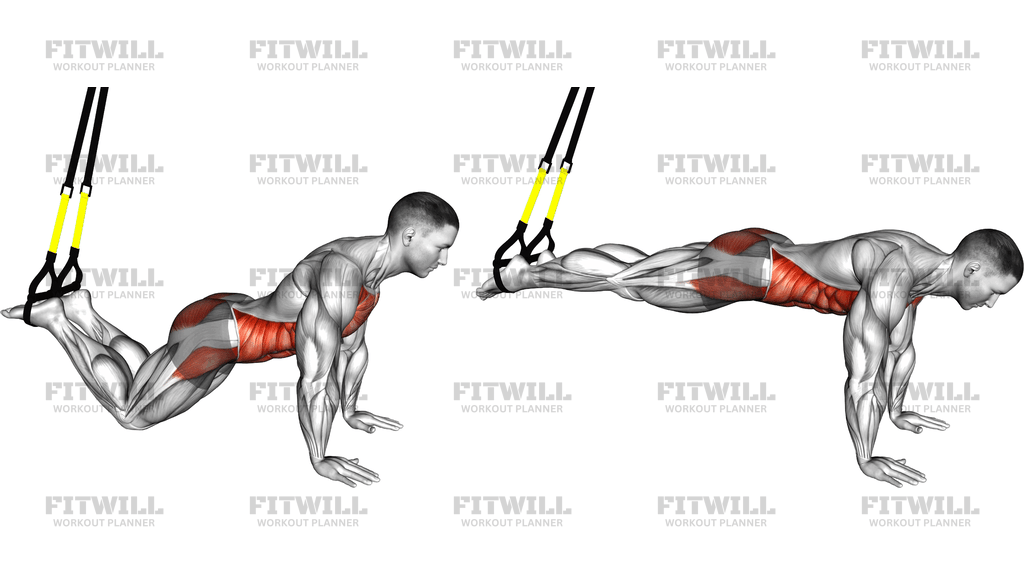
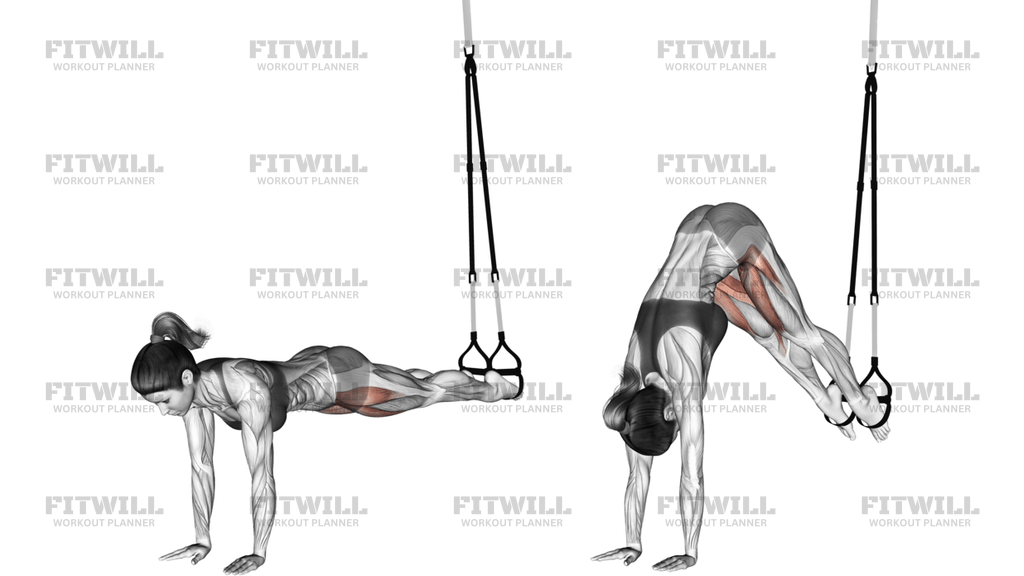
Suspension Pike is a suspension-bodyweight core exercise that starts in a plank with the feet supported in straps and finishes with the hips lifted into a pike. The movement trains the abs, hip flexors, glutes, hamstrings, and shoulder stabilizers at the same time, but the real challenge is keeping the torso organized while the feet travel toward the hands. Because the feet are suspended, even small losses of control show up quickly as swinging, arching, or bent elbows.
This exercise is especially useful when you want more core strength than a standard floor pike can provide. The straps increase instability, so the abs have to work hard to resist extension while the shoulders stay active and the hips move upward. In anatomy terms, the main work centers on the rectus abdominis and gluteus maximus, with help from the hamstrings, shoulder girdle, and spinal stabilizers. That combination makes Suspension Pike a strong accessory movement for athletes, bodyweight trainees, and anyone building better midline control.
The setup matters because the start position determines whether the set feels smooth or chaotic. Place the hands on the floor under the shoulders, support the feet securely in the suspension cradles, and walk out into a rigid plank before the first rep. Keep the body in a straight line from shoulders to heels, press firmly through the palms, and keep the neck relaxed so the head does not chase the movement.
From there, the rep should come from a controlled lift of the hips, not from kicking or swinging the feet. Exhale as you pull the lower ribs toward the pelvis and raise the hips toward the ceiling, keeping the legs as straight as your hamstrings allow. The end position is a clear upside-down V with the shoulders still stable and the weight balanced through the hands. Lower back to plank slowly so the straps stay quiet and the torso stays braced instead of collapsing at the bottom.
Suspension Pike fits well in core blocks, gymnastics-style strength work, or as an accessory after bigger lifts. It is usually best kept in a moderate rep range with strict tempo because the stability demand rises fast as fatigue builds. If the lower back starts to arch, the straps swing, or the shoulders lose position, shorten the range and stop the set before the pattern breaks down.
Fitwill
Log Workouts, Track Progress & Build Strength.
Achieve more with Fitwill: explore over 9600 exercises with images and videos, access built-in and custom workouts, perfect for both gym and home sessions, and see real results.
Start your journey. Download today!




Instructions
- Set the suspension straps so the foot cradles hang evenly, then place both feet in the loops and put your hands on the floor under your shoulders.
- Walk your hands forward until your body forms a straight plank from shoulders to heels, with your arms straight and your core braced.
- Press through your palms, keep your legs together, and make sure the straps are quiet before the first rep.
- Exhale and lift your hips toward the ceiling by drawing your lower abs in and folding at the hips.
- Keep your elbows straight and let the feet travel toward your hands without kicking or swinging the straps.
- Reach the top when your body forms a controlled pike or upside-down V, with your shoulders still active and stable.
- Pause briefly at the top if you can hold the position without losing tension in your midsection.
- Lower back to a straight plank under control, reset your body line, and repeat for the planned reps.
Tips & Tricks
- If the straps swing before the first rep, shorten your walk-out and reset the plank until the body is still.
- Keep the feet together so the pike comes from the abs and hips instead of one leg taking over.
- Think about pulling your ribs toward your pelvis rather than simply lifting the feet higher.
- Do not let the shoulders drift behind the wrists; a stacked upper body makes the pike much more controllable.
- A small bend in the knees is fine if tight hamstrings stop you from getting the hips high without losing form.
- Stop the set when your lower back starts to arch, because that usually means the abs have finished doing the work.
- Lower more slowly than you lift to keep tension on the midsection and reduce strap momentum.
- Keep your gaze slightly ahead of your hands so the neck does not crane when the hips rise.
Frequently Asked Questions
What muscle does Suspension Pike target most?
It primarily targets the abs and deep core, with the glutes and hamstrings helping to raise and control the hips.
Can beginners perform Suspension Pike?
Yes, but it is usually better to start with a short-range pike or a suspended plank hold before chasing a full upside-down V.
How do I keep the straps from swinging?
Set the plank first, then move slowly from the hips. If the feet start to swing, shorten the range and pause until the straps settle.
Should my knees stay straight during Suspension Pike?
Mostly yes. A soft bend is acceptable if tight hamstrings prevent a clean pike, but the movement should still come from the hips and abs.
Why do I feel Suspension Pike in my shoulders?
Your shoulders are supporting your body in an unstable plank, so they have to stay active while the core does the main lifting work.
What is a common mistake in Suspension Pike?
The most common mistake is arching the lower back or swinging the feet instead of lifting the hips with controlled abdominal tension.
What is a good regression for Suspension Pike?
Try a suspended knee tuck or keep the hips lower and use a smaller range until you can control the full pike.
When should I stop a set of Suspension Pike?
Stop when the straps start to swing, the elbows bend, or the lower back begins to take over instead of the abs.