Crunchy Frog On Floor
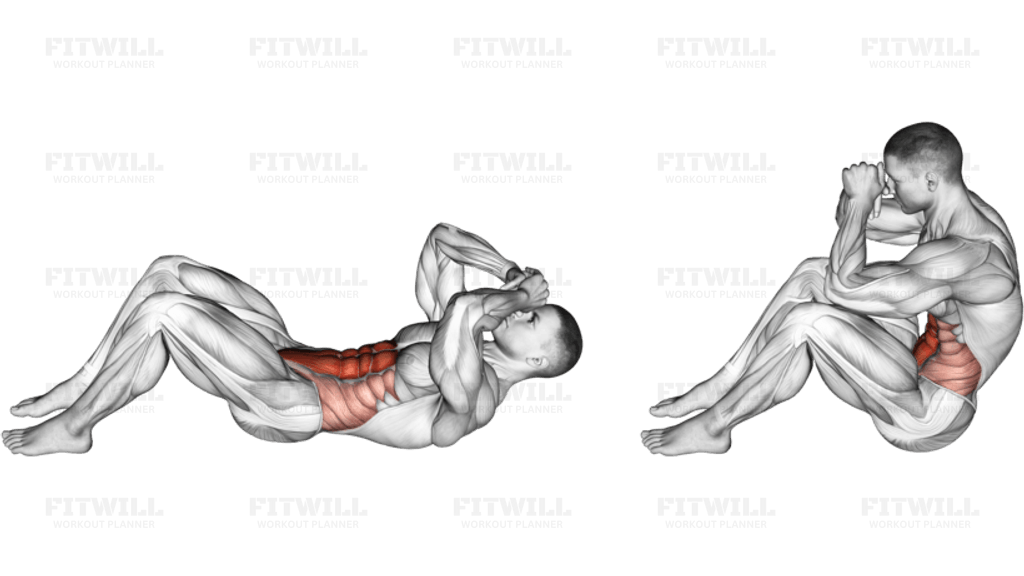
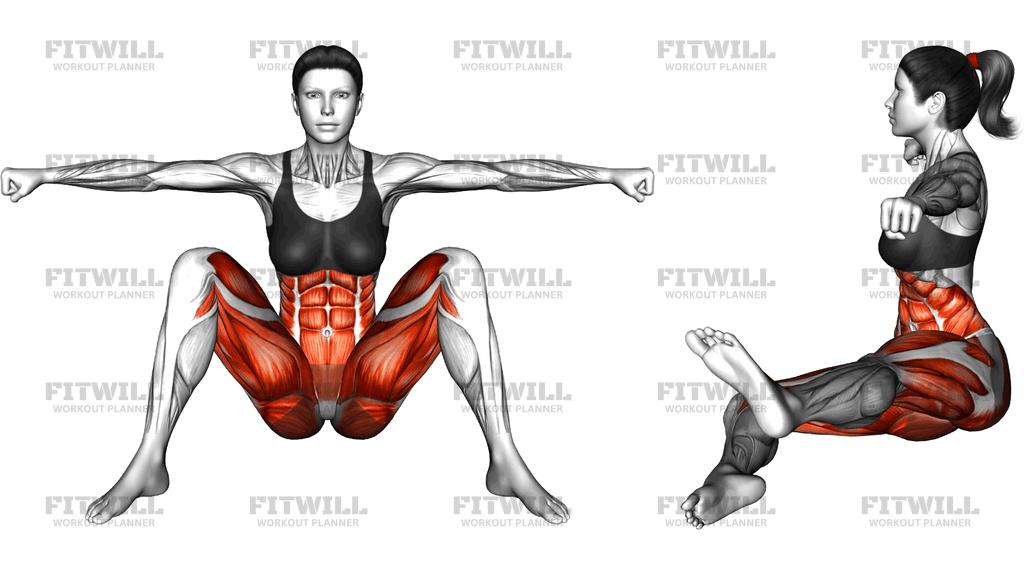
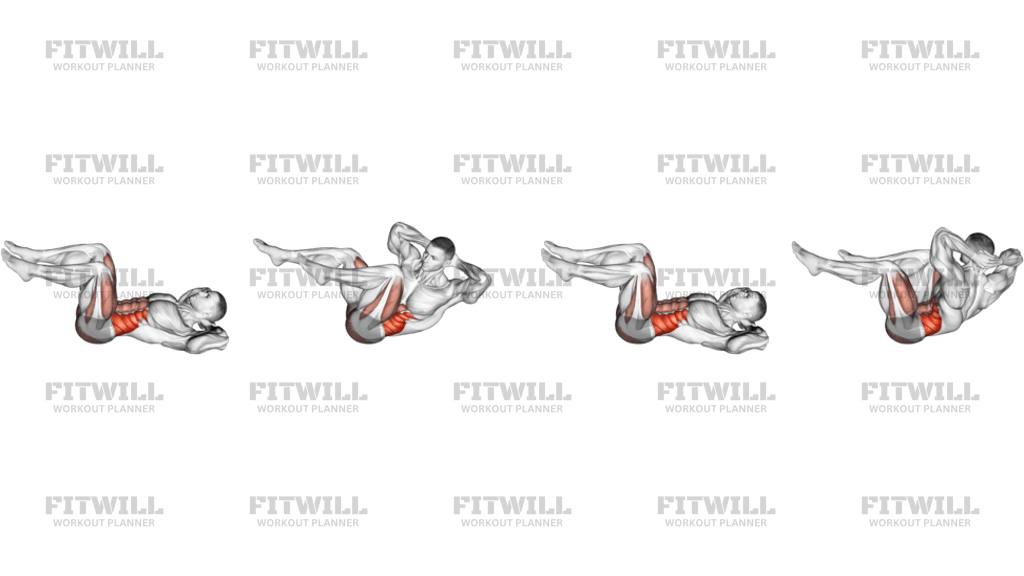
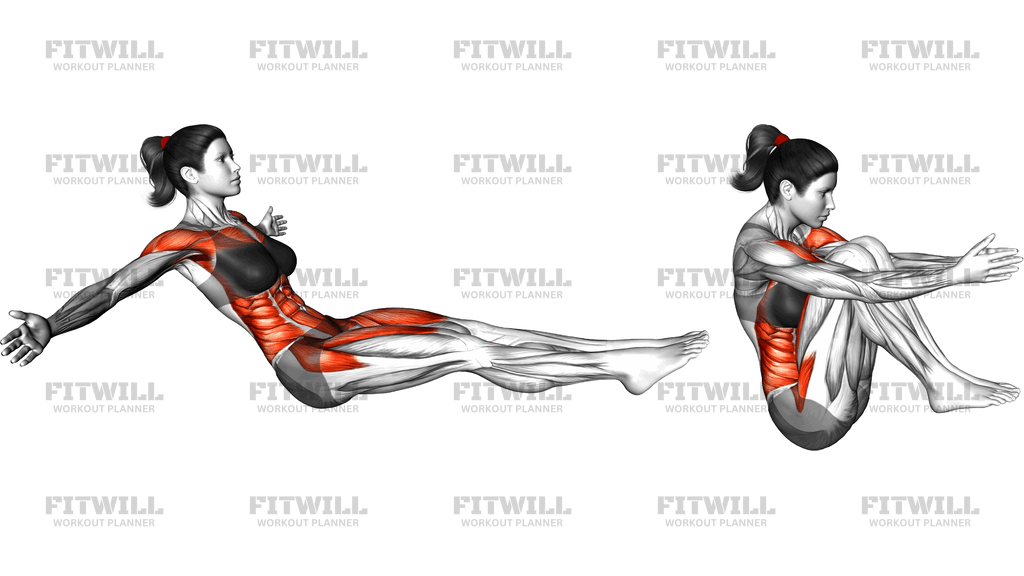
The Crunchy Frog is a demanding bodyweight core exercise performed from a seated V-sit position on the floor. You balance on your sitting bones with your torso leaned back and legs extended and lifted off the ground, arms spread wide. From there, you rapidly pull your knees toward your chest and wrap your arms around them in a hugging motion, then extend back out to the open V position without letting your feet or torso touch the floor. The name comes from that frog-like snapping action of the limbs closing and opening around the torso.
This movement is best suited for people who already have some core training history. Because you hold an isometric V-sit between reps, your abdominals and hip flexors work continuously rather than getting a rest at the bottom like they would in a standard crunch. That combination of dynamic knee pulls and static balancing makes it a favorite in calisthenics circuits, conditioning classes, and martial arts preparation, where midsection endurance and the ability to control your body in a compressed position matter.
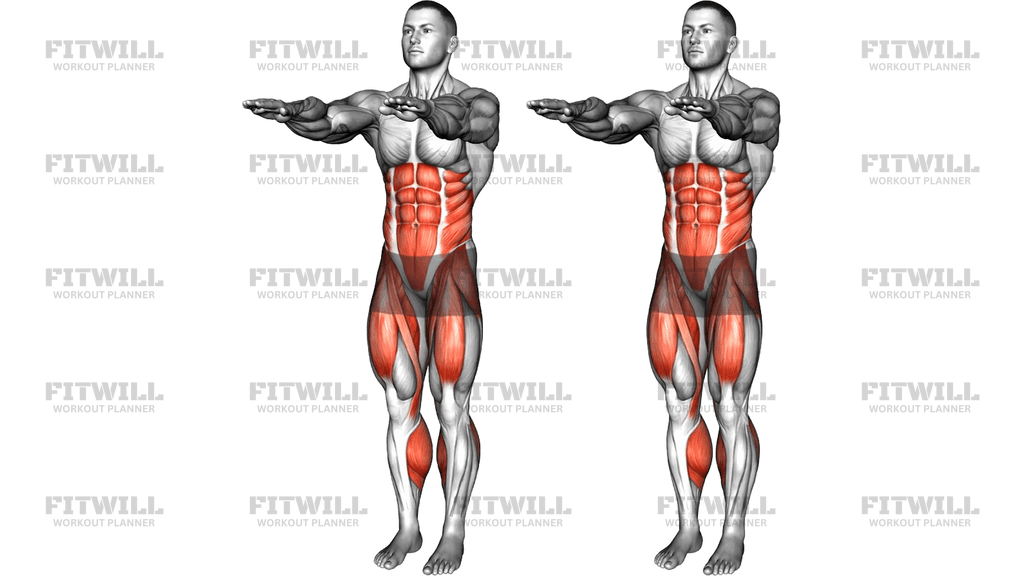
The primary muscles worked are the abdominals, especially the lower portion of the rectus abdominis, which drives the knees toward the chest. The hip flexors assist strongly on every knee tuck, the obliques stabilize the trunk as the arms sweep in and out, and the shoulders and upper back stay engaged isometrically to keep the arms lifted and wide in the open position. Your lower back muscles also work to hold your torso at the leaned-back angle without collapsing.
Setup matters more than most people expect. If you sit too far back on your tailbone or lean your chest down toward your knees, you lose the tension that makes the exercise effective and put unnecessary pressure on the lower spine. Aim to balance on the meaty part of your sitting bones with a long, proud chest, and only lean back as far as you can while keeping your lower back from rounding excessively.
To execute it well, think of each rep as two distinct phases: a forceful tuck where the knees and arms wrap simultaneously, and a controlled extension where the legs reach out long and the arms spread wide. Keep the movement rhythm steady rather than rushing, and keep your feet hovering above the floor the entire time. If your form breaks down quickly, shorten the set rather than letting your lower back take over.
Because the Crunchy Frog requires no equipment beyond a mat or a patch of floor, it fits easily into home workouts, travel routines, and finisher sets at the gym. Common use cases include burning out the abs after heavier lifting, building endurance for intermediate core skills like V-ups and L-sits, and adding variety to a bodyweight ab circuit.
[ Workout Log & Planner ]
Put your next workout in Fitwill
Keep your plan and training log ready when you are.


Instructions
- Sit on an exercise mat with your knees bent and feet flat on the floor, then place your hands lightly behind your thighs to find your balance point on your sitting bones.
- Lean your torso back to roughly a 45-degree angle, lift your feet off the floor, and extend your legs out long so your body forms a wide V, with your feet hovering a few inches above the mat.
- Spread your arms out wide to the sides at about shoulder height with your palms facing up or forward, keeping them lifted and away from your legs.
- Brace your abdominal muscles firmly and lengthen through the spine so your chest stays tall instead of sinking toward your thighs.
- Exhale as you bend your knees and pull them in toward your chest, sweeping your arms forward and around to hug your shins or knees at the top of the tuck.
- Pause for a beat in the hugged position with your feet clear of the floor and your torso upright over your hips.
- Inhale as you release the hug, extend your legs back out to the wide V position, and swing your arms back open to shoulder height, keeping your feet off the mat the whole time.
- Move with a controlled rhythm, letting the abdominal muscles, not momentum, drive each tuck and extension.
- Continue for your target repetitions, then lower your feet to the floor and rest before starting the next set.
Tips & Tricks
- If your tailbone aches or digs into the mat, shift your weight slightly forward onto your sitting bones or add a folded towel under your hips rather than tucking your pelvis under.
- The most common mistake is letting the chest collapse toward the thighs when the legs extend. Keep your sternum lifted so the torso stays at a consistent lean-back angle throughout the set.
- Avoid swinging your arms for momentum on the tuck. The arms should wrap around the knees because the knees are already coming up, not pull the body into position.
- Keep the extension honest: reach the legs toward full extension, but stop at the point where your lower back would start to round and your feet would drop. A slightly bent-knee V beats a sloppy deep one.
- Your feet should never touch the floor between reps. If they keep dropping, bend your knees slightly in the extended position or reduce your torso lean until your strength improves.
- Keep your shoulders relaxed and away from your ears when the arms are spread wide; shrugging fatigues the neck long before the abs give out.
- Breathe out sharply on every tuck. Holding your breath through a set of Crunchy Frogs is a fast route to early fatigue.
- If your neck strains when the torso leans back, keep your gaze forward and slightly down rather than craning to watch your feet.
- Start with short sets of 8 to 12 reps. This exercise is far more effective in tight, quality sets than in long, grinding ones where form degrades.
Frequently Asked Questions
What muscles does the Crunchy Frog work?
The Crunchy Frog primarily targets the abdominals, with strong involvement from the hip flexors on every knee tuck. The obliques stabilize the trunk while the shoulders and upper back hold the arms wide in the open position.
Is the Crunchy Frog suitable for beginners?
It is moderately advanced because you must hold a V-sit with your feet off the floor between reps. Beginners can regress it by keeping the heels lightly tapping the mat in the extended position and shortening the sets.
Why do my legs drop during the extended phase of the Crunchy Frog?
Dropping legs usually mean the hip flexors and lower abdominals are fatiguing, or the torso is leaning too far back. Reduce the range of the leg extension or bring your chest slightly more upright to keep the feet hovering.
How is the Crunchy Frog different from a V-up?
A V-up starts lying flat and folds the whole body up from the floor, while the Crunchy Frog stays balanced on the sitting bones the entire time and hugs the knees with the arms. That makes it more of an endurance and control exercise than a power movement.
Should my arms touch my legs when I tuck?
Yes, in the tucked position your arms wrap around your shins or knees in a hug, which is the signature of the movement. They only return to the wide open position as the legs extend back out.
Can I do the Crunchy Frog without a mat?
You can, but a mat or soft surface is recommended since your tailbone and sitting bones bear your weight for the whole set. Discomfort on a hard floor often causes people to tuck their pelvis and round their lower back.
How many reps of the Crunchy Frog should I do?
Start with 2 to 3 sets of 8 to 12 controlled repetitions. Because the abs stay under tension even in the extended position, quality matters more than total volume.
My lower back feels strain during the Crunchy Frog. What should I change?
Check that your chest is lifted and your lower back is not rounding as the legs extend. A good fix is to bend your knees slightly in the open position and stop the extension just before your back starts to flatten into the mat.
What can I use instead of the Crunchy Frog?
V-ups, tuck-ups, and seated knee tucks train a similar pattern. The seated knee tuck with feet elevated is the closest substitute if you want the same closed-and-open limb action with less balance demand.
How fast should I perform the Crunchy Frog?
Use a steady, deliberate rhythm of about one to two seconds per phase, tucking and opening with control. Rushing the reps turns the exercise into a momentum-driven swing that largely bypasses the abdominals.