Sciatic Nerve Glide Floss
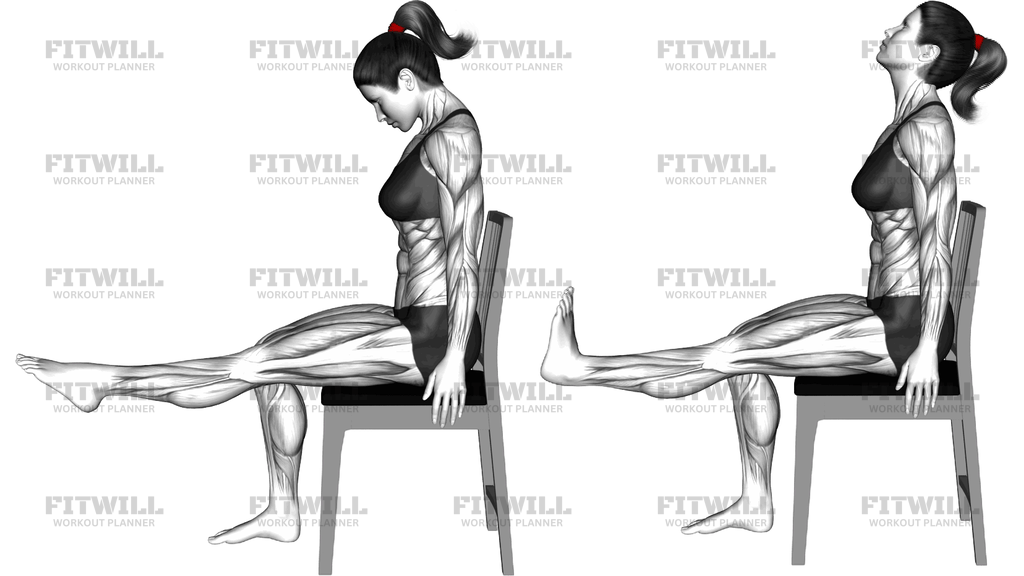
The Sciatic Nerve Glide Floss is a seated nerve mobility drill that gently moves the sciatic nerve back and forth inside the tissues of the leg. You sit on a sturdy chair with one leg extended straight in front of you, then alternate between looking down while relaxing the foot and looking up toward the ceiling while pulling the toes back toward the shin. This creates a smooth back-and-forth sliding motion of the nerve rather than a long static stretch, which is what separates flossing from traditional hamstring or calf stretching.
This drill is commonly used by people who feel tightness, pulling, or tingling along the back of the thigh and calf, especially those who sit for long hours, lifters who feel restricted in deadlifts and squats despite consistent stretching, and anyone whose hamstrings never seem to loosen up no matter how often they stretch. Because it targets nerve mobility rather than muscle length, it often helps when classic hamstring stretches feel sharp, electric, or uncomfortable rather than like a muscle stretch.
The key to the exercise is the combination of movements at opposite ends of the leg. When you extend the knee, look up, and pull the toes back, the sciatic nerve is gently drawn through the tissues from both the top and the bottom. When you look down and let the foot relax, tension is released. Neither position should be held aggressively; the value comes from the smooth, rhythmic slide between them.
Setup matters more than range here. Sit tall on the front half of the chair with your posture upright, and extend only the working leg while keeping the other foot planted on the floor. Slumping into a rounded back, cranking the neck, or forcing the knee dead straight all add tension too quickly. The movement should never reproduce sharp pain, numbness, or electric sensations down the leg — if that happens, reduce the range or stop and speak with a qualified professional.
Used consistently, the Sciatic Nerve Glide Floss works well as a warm-up before lower body training, a desk-break reset during long sitting periods, or a calming cooldown movement. It is not a strength exercise and the goal is not muscle fatigue; think of it as teaching the nervous system to tolerate knee extension and ankle flexion with less guardedness, which often translates into more comfortable hamstring flexibility and smoother movement in daily life.
[ Workout Log & Planner ]
Put your next workout in Fitwill
Keep your plan and training log ready when you are.


Instructions
- Sit on the front half of a sturdy chair with your feet flat on the floor and your back upright, hands resting on your thighs or the seat beside your hips.
- Extend your working leg straight out in front of you so the heel hovers just above the floor, keeping your sit bones grounded and your torso tall.
- Starting position: tuck your chin and look down toward your lap while letting the extended foot relax so the toes point slightly away from you.
- Exhale slowly as you begin the glide: lift your gaze toward the ceiling while at the same time pulling your toes back toward your shin.
- At the end position you should feel a mild pull or tingling along the back of the thigh or calf — hold this end for only one to two seconds, never forcing deeper.
- Smoothly reverse the motion: look back down toward your lap and let the ankle relax, releasing the tension completely for a brief moment.
- Continue alternating these two positions in a slow, wave-like rhythm for eight to ten repetitions, keeping the knee extended throughout the set.
- Breathe continuously and calmly the whole time — never hold your breath during the glide.
- After the final rep, bend the knee and place the foot back on the floor, sit quietly for a few breaths, then repeat on the other leg if needed.
Tips & Tricks
- The most common mistake is chasing range — if you push the neck extension and toe pull to their limits, the nerve can become irritated rather than soothed. Aim for a sensation of 2 to 3 out of 10.
- Do not round your lower back to get more pull behind the knee; slumping changes the tension at the spine and turns the floss into a passive hamstring stretch instead.
- If tingling shoots sharply down the leg, you have gone too far — shorten the range so the head and ankle move a smaller distance, and let the sensation stay gentle.
- Keep the movement rhythmic rather than static: holding the stretched end for more than a couple of seconds defeats the purpose of flossing, which is continuous sliding.
- Stay tall through the chest and crown of the head. An upright spine keeps the starting tension consistent from rep to rep and makes the glide predictable.
- If your hamstrings feel like ordinary muscle tightness rather than nerve pulling, slow the tempo down and focus on the ankle movement — the toe pull drives much of the nerve slide.
- Warm the area first with a short walk or a few gentle leg swings; gliding a sensitive nerve while completely cold often feels harsher than necessary.
- Doing the drill after long periods of sitting usually feels more productive than doing it first thing in the morning, when nerves tend to be more sensitive.
- Keep the planted foot genuinely planted — pushing through it or shifting on the seat sneaks extra tension into the lower back and muddies the effect.
Frequently Asked Questions
What does the Sciatic Nerve Glide Floss actually target?
It mobilizes the sciatic nerve as it travels behind the hip, thigh, and calf. The hamstrings and calves are involved because their positions set the tension, but the real work is the sliding of the nerve itself.
Why do I look up and down instead of just stretching the hamstring?
The sciatic nerve connects to the nervous system at the spine, so moving the neck changes tension from the top end while the ankle and knee change it from the bottom. Alternating the two makes the nerve slide rather than stretch statically.
Is the Sciatic Nerve Glide Floss suitable for beginners?
Yes, it is a low-load body weight drill that most people can learn quickly. Beginners should start with a small range — a gentle chin tuck and modest toe pull — and only increase the motion as the sensation stays comfortable.
How is flossing different from a regular seated hamstring stretch?
A static hamstring stretch holds one long position to lengthen muscle tissue, while flossing rhythmically moves between tension and slack to encourage the nerve to glide. If stretching produces tingling or electric sensations, flossing with a smaller range is usually the better choice.
How many reps and sets should I do?
A typical dose is eight to ten smooth glides per leg, one to two sets, once or twice a day. More is not better with nerve drills — mild, frequent, comfortable exposure works best.
Should my knee stay straight the whole time?
Yes, in this version the working leg stays extended and the movement comes from the neck and ankle. If you need less intensity, you can slightly bend the knee and straighten it as you look up.
What should I do if I feel numbness or electric sensations down my leg?
Stop the set immediately and let the leg rest, then retry with a much smaller range on the next session. Persistent or worsening symptoms, or symptoms that travel below the knee, are a reason to consult a healthcare professional before continuing.
Can I do the Sciatic Nerve Glide Floss before heavy lower body training?
Yes, it works well as a warm-up drill because it is gentle and quick. Keep the reps modest so the nervous system feels settled rather than sensitized before loading.
Do I need any equipment for this exercise?
Only a stable chair or bench to sit on. The movement itself is done with body weight, so it can be performed almost anywhere, including at a desk.