Hydrotherapy Walking On Spot
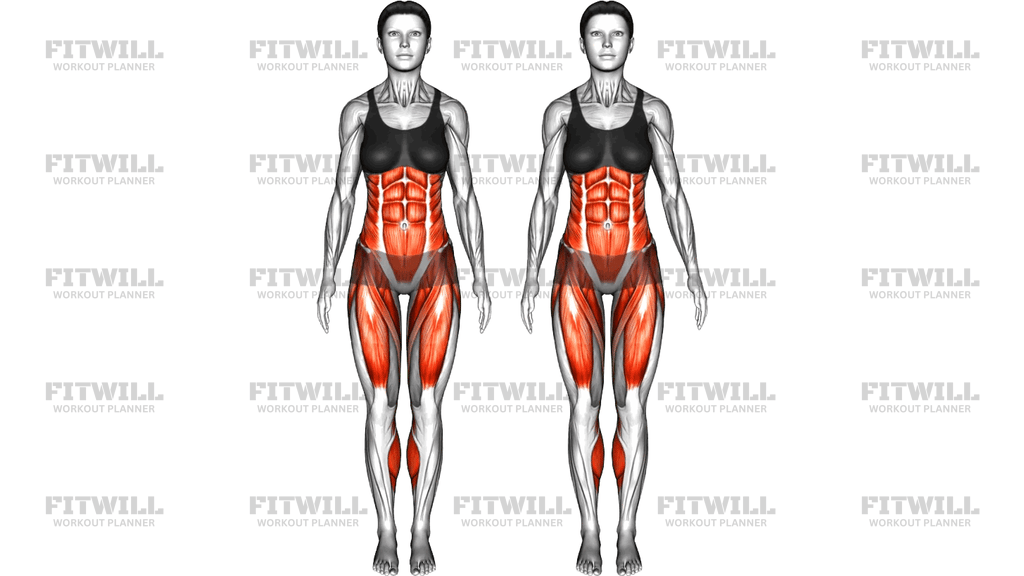
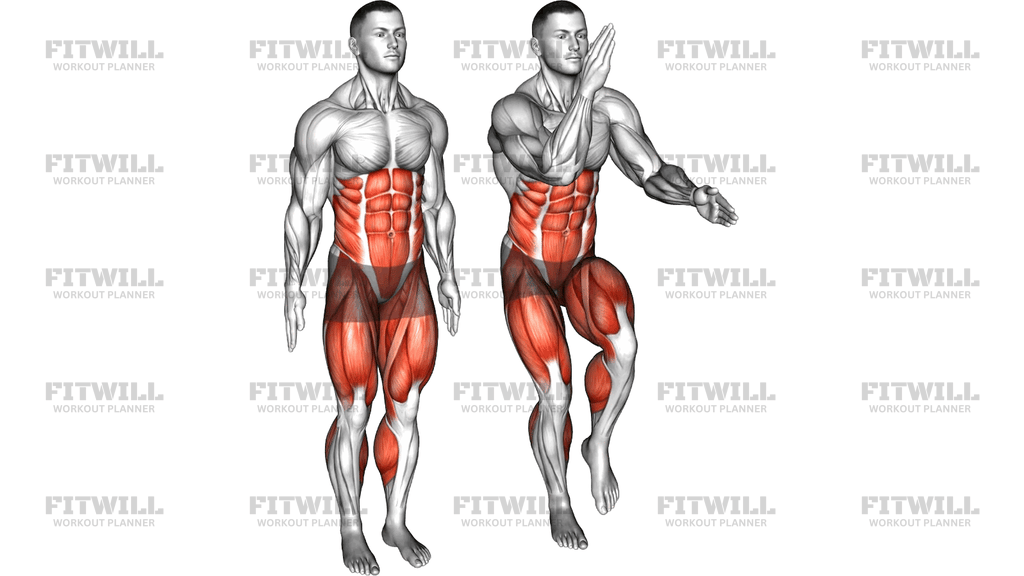
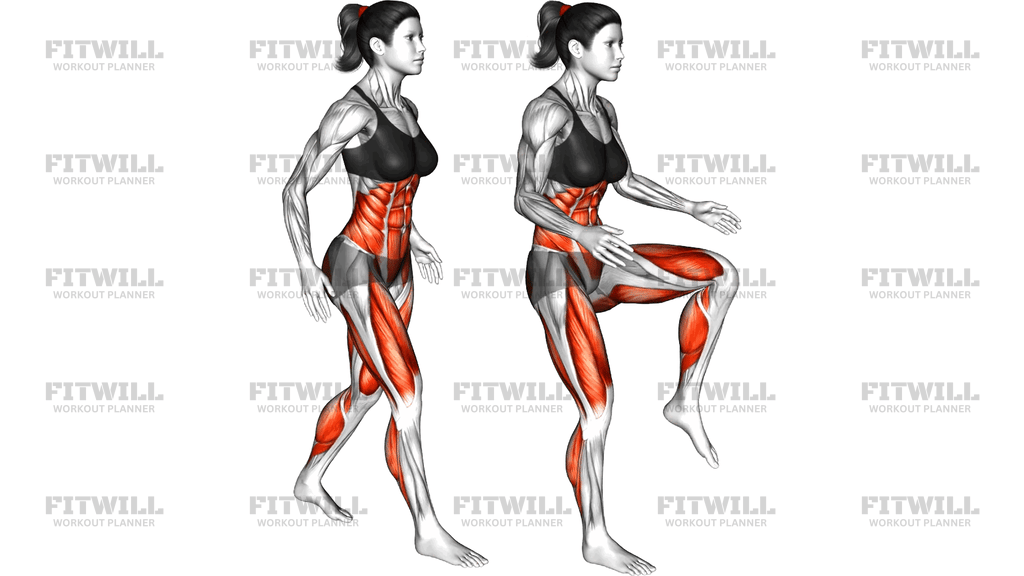
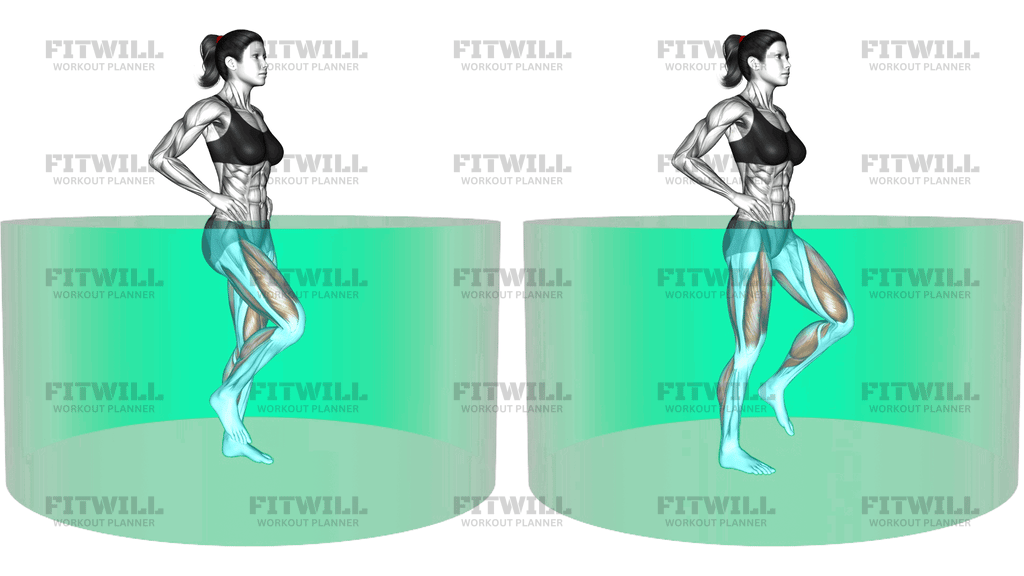
Hydrotherapy Walking On Spot is a low-impact water exercise performed standing in a pool with the water roughly at waist-to-hip height. Instead of travelling across the pool, you stay in one place and alternate lifting each knee in a marching rhythm, pushing the legs down against the resistance of the water. In the starting position the hands rest lightly on the hips, the torso stays tall, and one leg supports the body while the other drives up toward the surface.
The water changes everything about this movement. Buoyancy removes most of the landing impact that normal marching or jogging places on the knees, hips, and ankles, while the water itself provides resistance in every direction the leg moves. That combination makes Hydrotherapy Walking On Spot especially useful for people returning from lower-body injuries, older adults who want to keep their legs working without joint stress, and anyone easing back into cardiovascular training after a long break.
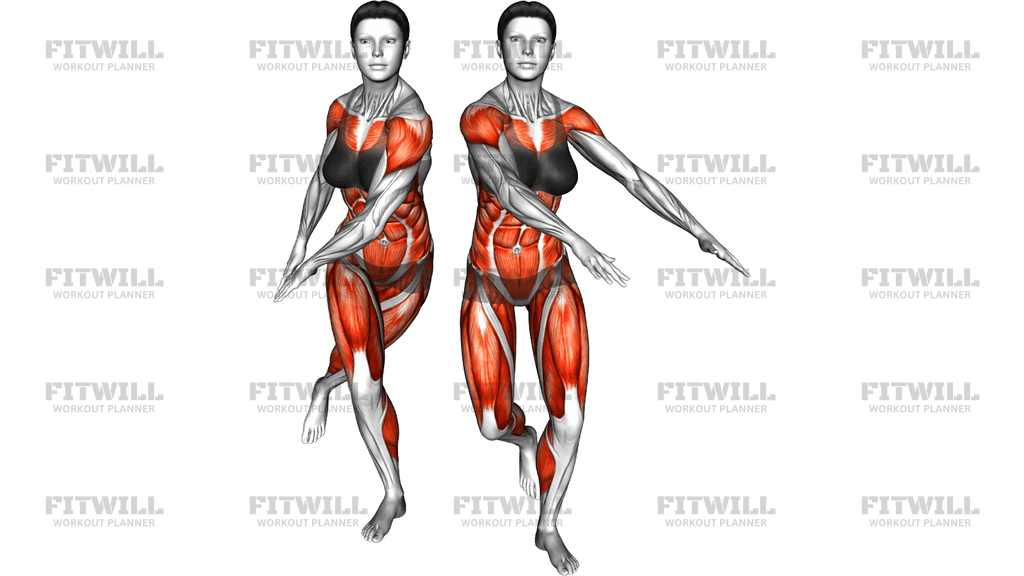
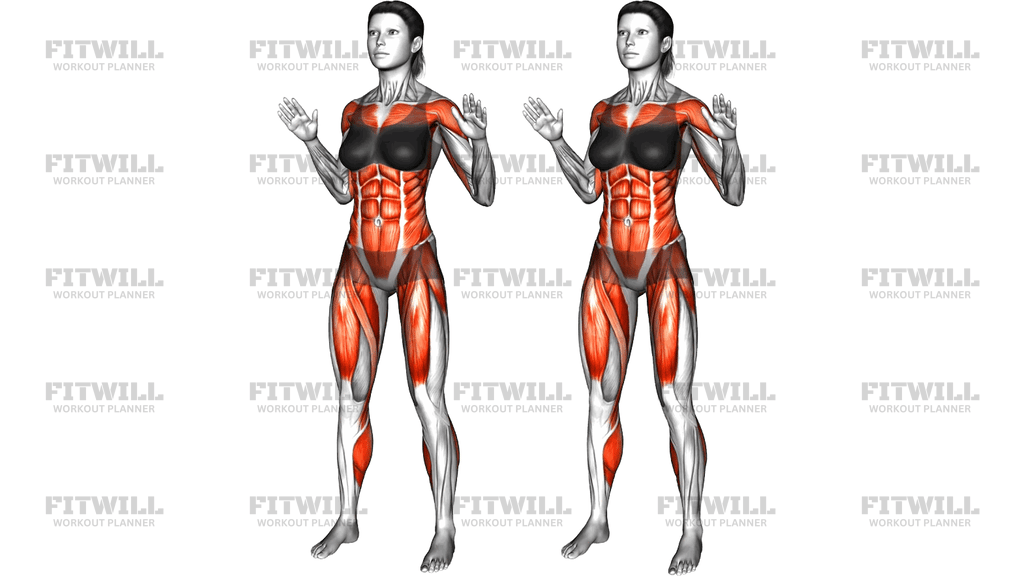
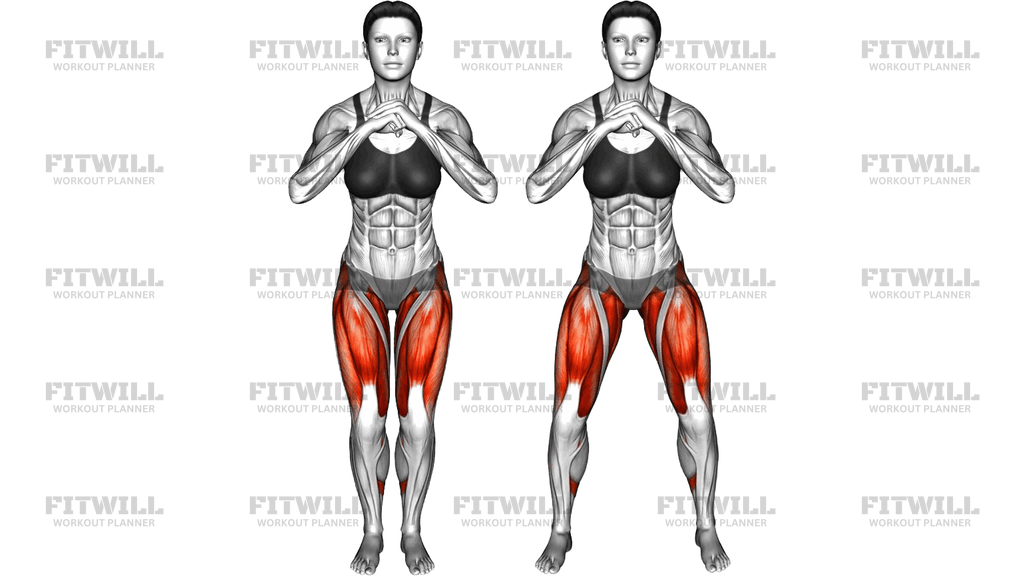
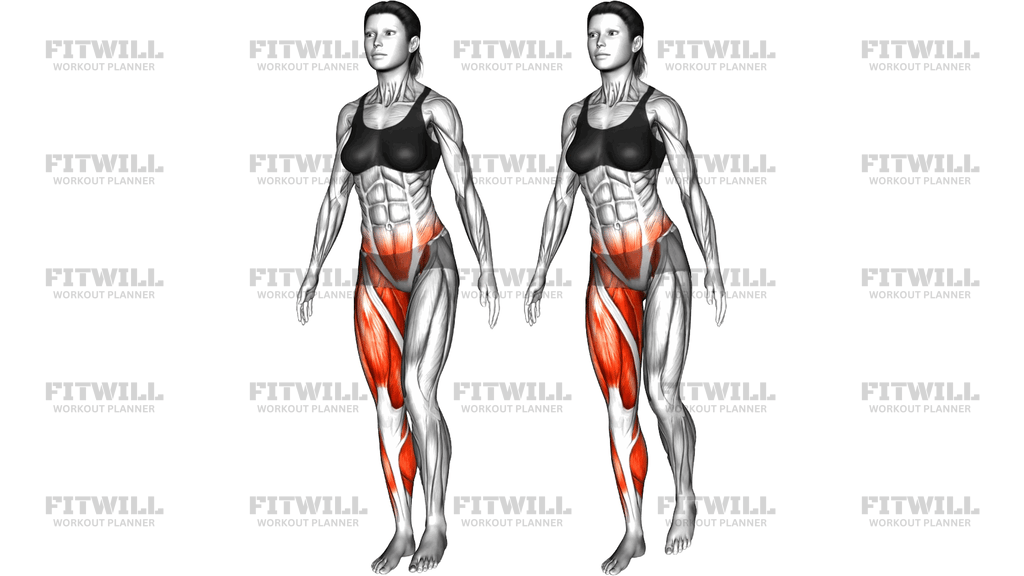
Muscularly, the exercise works the quadriceps and hip flexors as each knee lifts, the glutes and hamstrings as the leg presses back down through the water, and the calves and ankle stabilizers as the supporting foot maintains contact with the pool floor. Holding the hands on the hips and keeping an upright posture quietly challenges the core to hold the ribcage and pelvis steady while the legs move alternately underneath you.
Setup matters more than it looks. Stand where the water depth is comfortable and consistent, feet about hip-width apart, and keep your weight balanced over the whole supporting foot rather than leaning toward one side. Because you stay on the spot, it is easy to drift or rotate the hips, so a tall spine, level shoulders, and a soft bend in the supporting knee keep the marching pattern clean.
To execute well, lift one knee to roughly hip height or slightly lower, pause briefly at the top, then push that leg down through the water while the other knee rises. The water will slow both halves of the movement, and that resistance is the point, so avoid rushing or bouncing off the pool floor. Breathing should stay even and conversational; if you cannot keep a rhythm, lift the knees a little less or slow the pace.
A typical session lasts anywhere from thirty seconds to several minutes per set, depending on your goals and conditioning. Physical therapists often use this drill early in rehab plans, swimmers and land athletes use it as active recovery, and general fitness users find it an approachable way to raise the heart rate while sparing the joints. Exit the pool slowly and let your legs readjust to full body weight before moving on to harder land-based work.
[ Workout Log & Planner ]
Put your next workout in Fitwill
Keep your plan and training log ready when you are.


Instructions
- Stand in the pool with the water at approximately waist-to-hip height and position yourself where the floor is even and you have room on all sides.
- Place both hands lightly on your hips and set your feet about hip-width apart so your weight is spread evenly across both feet.
- Stand tall with your shoulders level and your ribcage stacked over your pelvis, then soften both knees slightly rather than locking them.
- Shift your weight fully onto your left leg and lift your right knee up toward hip height, letting the lower leg hang relaxed under the knee.
- Press the right leg down through the water, feeling the resistance on the way down, while simultaneously driving the left knee upward.
- Continue alternating knees in a steady marching rhythm, staying in the same spot without drifting forward, backward, or sideways.
- Keep the supporting foot flat on the pool floor with the knee softly bent on every step rather than pushing off forcefully.
- Breathe steadily throughout, inhaling and exhaling in a natural rhythm instead of holding your breath as the legs work.
- When finished, slow the marching down, place both feet on the floor, and stand still for a few breaths before stepping away.
- Rest, then repeat for additional sets, keeping the knee height and pace consistent from set to set.
Tips & Tricks
- Resist the urge to lean back as the knee lifts; a common mistake is tipping the pelvis forward and arching the lower back, so think of keeping the hips directly under the shoulders.
- If you find yourself travelling across the pool, check that each foot is pressing straight down rather than pushing backward off the floor.
- Lifting the knee too high too early often causes the torso to collapse; start with knee height around mid-thigh and progress toward hip height as control improves.
- Keep the hands resting on the hips rather than gripping them tightly, and avoid swinging the arms across the body, which twists the pelvis off line.
- The downward press against the water is where the glutes and hamstrings work, so make it deliberate instead of letting the leg just drop.
- If the supporting knee feels strained, stand in slightly shallower water, which reduces the resistance but also lowers the stability demand.
- Count strides or time the set rather than eyeballing it, because in water it is easy to slow down gradually without noticing.
- Stay aware of the pool floor surface; if it is slippery, shorten the stride of your march and keep the feet closer to the floor between lifts.
Frequently Asked Questions
Which muscles does Hydrotherapy Walking On Spot work?
The quadriceps and hip flexors lift each knee, while the glutes and hamstrings press the leg down through the water. The calves, ankle stabilizers, and core also work to keep you balanced and upright on the supporting leg.
How deep should the water be for Hydrotherapy Walking On Spot?
Waist-to-hip depth is the standard starting point, as shown with the water line around the upper thigh and hip. Deeper water increases resistance and buoyancy, while shallower water puts slightly more load on the legs.
Is Hydrotherapy Walking On Spot suitable for beginners?
Yes, it is one of the more beginner-friendly water exercises because the buoyancy limits joint impact and the pace is fully self-controlled. Start with short sets of twenty to thirty seconds and build duration gradually.
How high should I lift my knees during Hydrotherapy Walking On Spot?
Aim for roughly mid-thigh to hip height, as long as you can keep your torso tall and avoid leaning back. If your posture breaks or your lower back arches, lower the knee height and rebuild gradually.
Why do my hands stay on my hips in this exercise?
Resting the hands on the hips keeps the arms out of the way and makes it easier to notice if your torso is twisting or leaning. It also removes any temptation to pull on a pool edge instead of balancing on your own legs.
What is the most common mistake in Hydrotherapy Walking On Spot?
Rushing the march and bouncing off the pool floor, which turns the exercise into an impact drill and reduces the water resistance the muscles work against. Keep each knee lift and each downward press deliberate and controlled.
Can I substitute land marching or jogging for Hydrotherapy Walking On Spot?
Land marching trains similar muscles but removes the buoyancy support and adds ground impact, so it is a harder option. If you want a closer substitute, try slow marching in place on a soft surface while holding your posture.
How long should I perform Hydrotherapy Walking On Spot per set?
Thirty seconds to two minutes per set works well for most people, depending on fitness level and the purpose of the session. Rest between sets until your breathing settles, then repeat for two to four rounds.
Is Hydrotherapy Walking On Spot safe if I have knee discomfort?
The buoyancy of the water makes this much gentler on the knees than land-based marching, but comfort varies from person to person. Use a shallower depth, reduce knee height, and stop and consult a professional if pain increases rather than eases.
Does Hydrotherapy Walking On Spot improve cardiovascular fitness?
Yes, sustained marching against water resistance raises the heart rate while the water keeps cooling your body, which many people find more comfortable than land cardio. Longer, steadier sets build aerobic endurance, while faster bursts add a light interval effect.