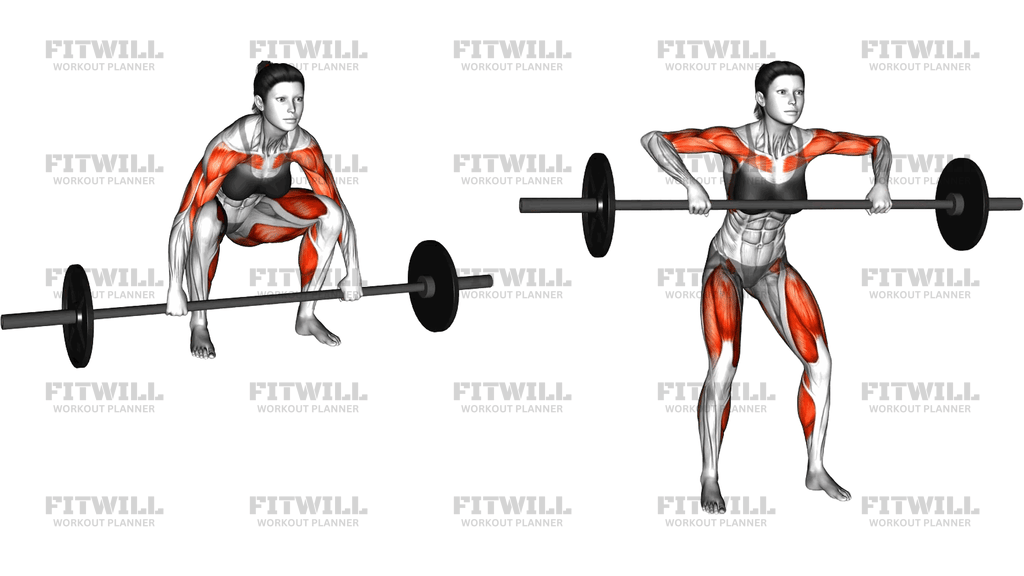
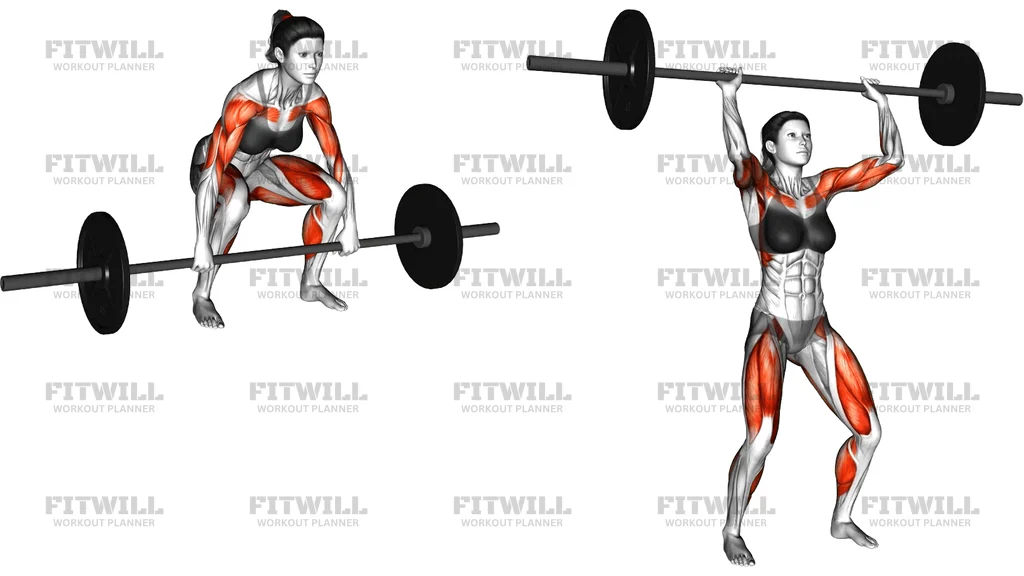
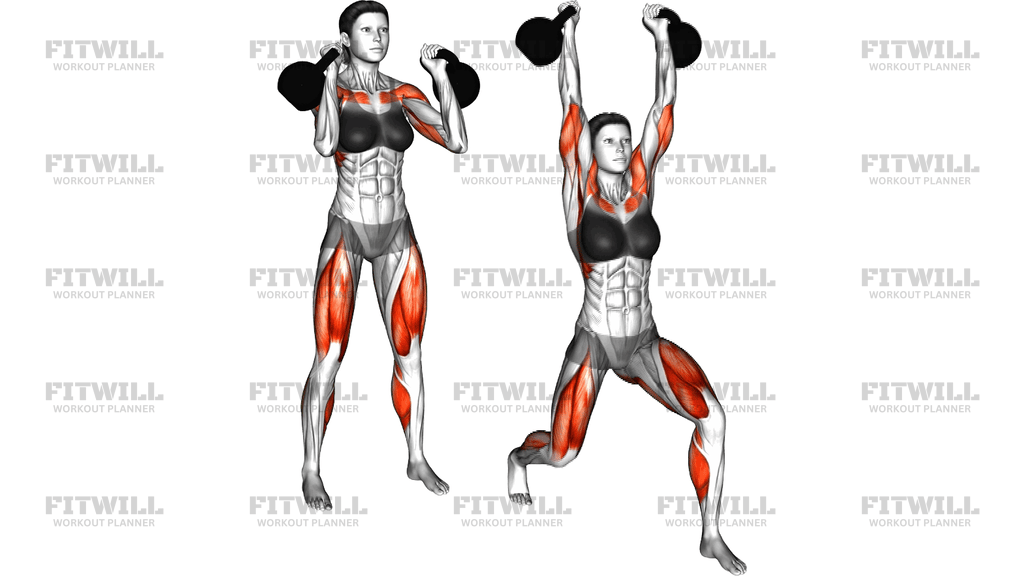
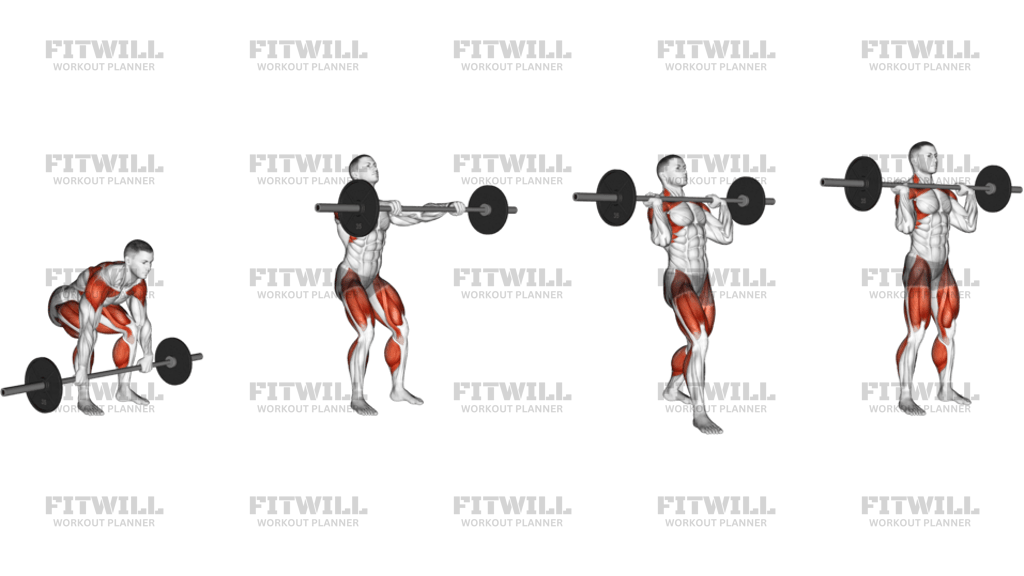
Barbell Hang Snatch
Barbell Hang Snatch is a classic Olympic-style lift that starts from the hang and sends the bar overhead in one fast, coordinated movement. In this version, the bar begins at the upper thighs or just above the knees, which shifts the focus away from the floor and toward speed, timing, and the ability to receive the bar with control. It is a useful drill for lifters who want to build explosive hip extension, sharp turnover, and stable overhead positions without the fatigue of repeated pulls from the ground.
The movement trains the whole chain that has to work in sequence during a snatch: legs drive the floor, hips create force, the upper back keeps the bar close, and the shoulders and core stabilize the catch. Because the lift is so technical, the setup matters as much as the pull. A narrow or sloppy hinge lets the bar drift away from the body, while a balanced hang position keeps the bar path efficient and makes the catch feel much more secure.
A good rep begins with a wide snatch grip, a tall chest, and a small athletic hinge that loads the hips without collapsing the torso. From there, the bar should stay close as you extend forcefully through the legs and hips, then pull yourself under it rather than trying to muscle it overhead with the arms. The finish is a locked-out overhead catch, usually in a partial squat or power position, with the bar stacked over the midfoot and the ribs kept down so the lower back does not overextend.
Barbell Hang Snatch fits well in weightlifting practice, power-focused training, and sport programs where speed and coordination matter. It is best kept light enough that each rep looks crisp; once the bar starts looping forward or the catch turns soft, the lift stops teaching good mechanics. Beginners can learn the pattern with an empty bar or a light training bar, but the goal should always be a clean pull, a fast pull-under, and a stable overhead finish before adding load.
[ Workout Log & Planner ]
Put your next workout in Fitwill
Keep your plan and training log ready when you are.


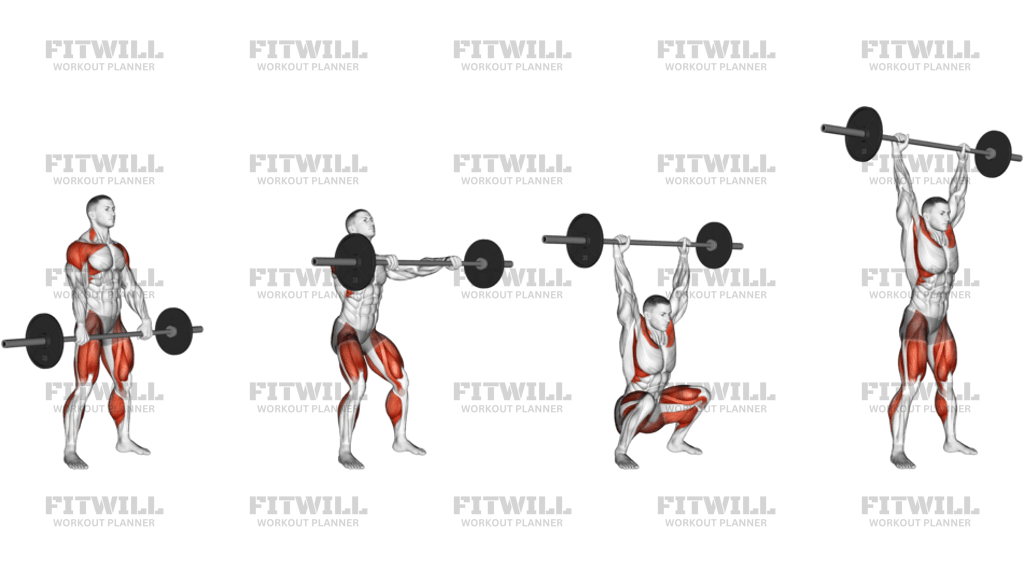
Instructions
- Stand with your feet about hip to shoulder width apart and take a wide snatch grip on the bar so your arms can lock out overhead without pressing it out.
- Hold the bar against the upper thighs or just above the knees with straight arms, a tall chest, and the shoulders slightly over the bar.
- Set your weight through the midfoot, brace your trunk, and keep the lats tight so the bar stays close when you move.
- Dip by hinging only a few inches and loading the hips, then keep the bar brushing close to the body as you start the pull.
- Drive hard through the floor and extend the knees, hips, and ankles explosively as if you are jumping with the bar.
- Shrug and guide the bar upward while actively pulling yourself under it instead of curling it with the arms.
- Punch the bar overhead and catch it with locked elbows, stacked wrists, and a slight knee bend in a stable partial squat.
- Stand up under control, pause to stabilize overhead, then lower the bar back to the hang and reset for the next rep.
Tips & Tricks
- Choose a grip wide enough that the bar can finish overhead with straight arms and no soft elbows at the bottom of the catch.
- Keep the bar close enough to skim the thighs during the drive; if it swings away, the turnover gets slower and harder to control.
- Think about finishing the jump before you pull under the bar, because early arm bend usually turns the lift into a high pull instead of a snatch.
- Keep the chest proud in the hang so the bar path stays vertical instead of drifting forward off the toes.
- Receive the bar with the ribs stacked over the pelvis; overarch in the catch and the lockout becomes less stable.
- Use a slight foot stomp or small stance adjustment only if it lands in a balanced receiving position, not a wide stumble.
- Stay light enough that every rep looks sharp; heavy grinding turns the hang snatch into a slow press-out or a forward rescue.
- If the bar does not lock out overhead before you stand, reduce the load and clean up the pull-under timing.
Frequently Asked Questions
What does Barbell Hang Snatch train the most?
It trains explosive hip extension, overhead stability, timing, and the ability to pull under a fast bar. The legs, glutes, upper back, shoulders, and core all have to work together.
How is the hang version different from a full snatch?
The bar starts from the hang instead of the floor, so you can focus more on the second pull and the catch. That usually makes it easier to practice speed and position without worrying about the first pull.
Do I need to squat deep to do this correctly?
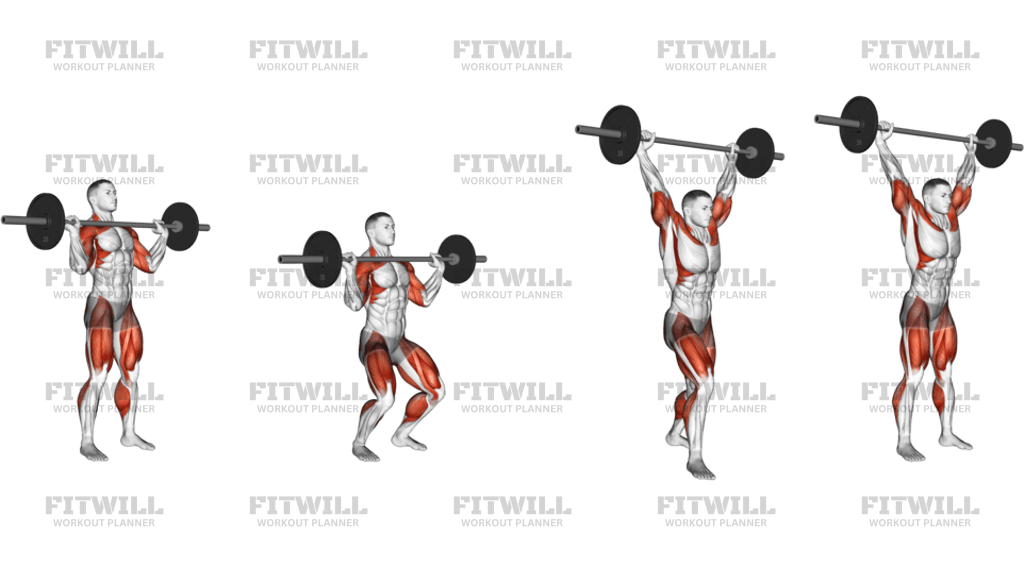
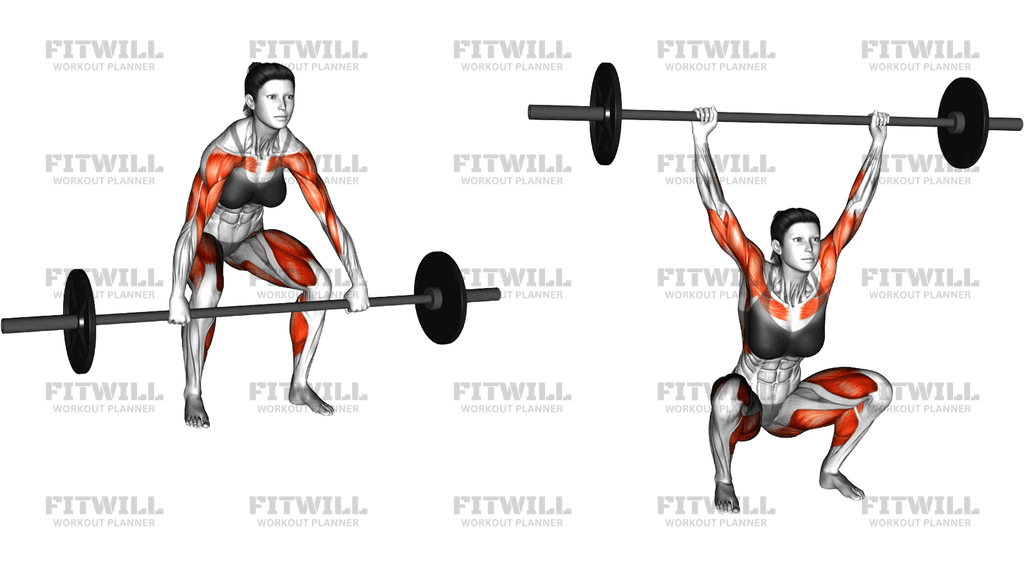
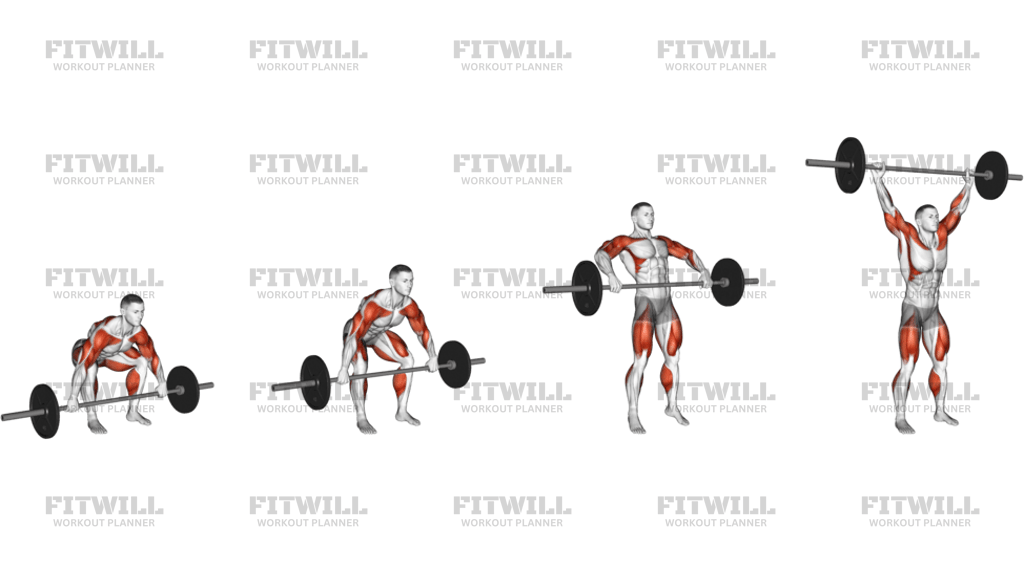
Not necessarily. The image shows a power-style catch with a shallow squat, which is common in hang work. Some lifters may catch lower, but the key is a stable overhead lockout over the midfoot.
What is the most common mistake with the bar path?
Letting the bar swing away from the thighs and out in front of the body. That forward loop makes the catch harder and usually forces the lifter to chase the bar instead of receiving it cleanly.
Should my arms pull the bar up first?
No. The legs and hips create the drive first, then the arms guide the bar and help you pull under. If the arms bend too early, the bar usually loses speed and stays in front of you.
Can beginners learn Barbell Hang Snatch?
Yes, if they start very light and treat it as a skill drill. A PVC pipe, training bar, or empty bar is often enough to learn the hinge, extension, and overhead catch before adding load.
What should I do if I cannot lock the bar overhead cleanly?
Reduce the load and shorten the rep until the catch is crisp. If the lockout is still shaky, work on shoulder mobility, wide-grip overhead holds, and lighter hang pulls before going heavier.
How many reps should I use for this lift?
Most people keep the reps low so each one stays fast and technical. Sets of 1 to 3 are common because the quality usually drops once the bar speed or receiving position starts to fade.