Cluster
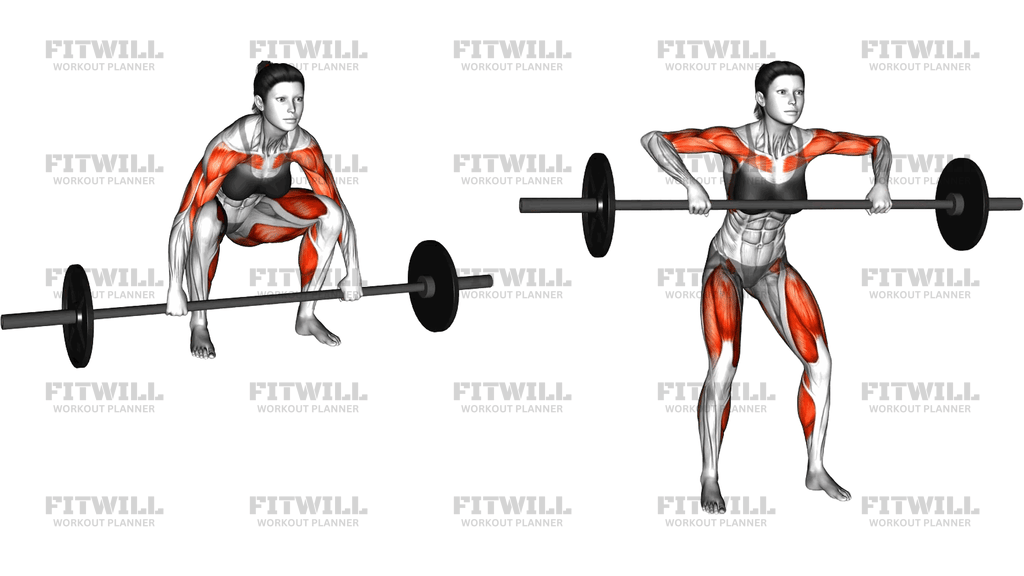
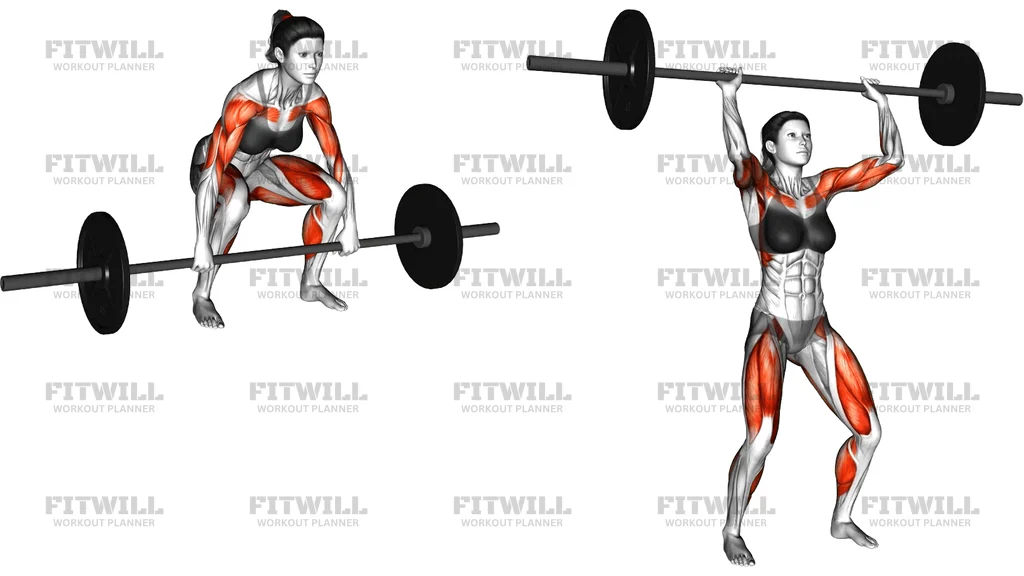
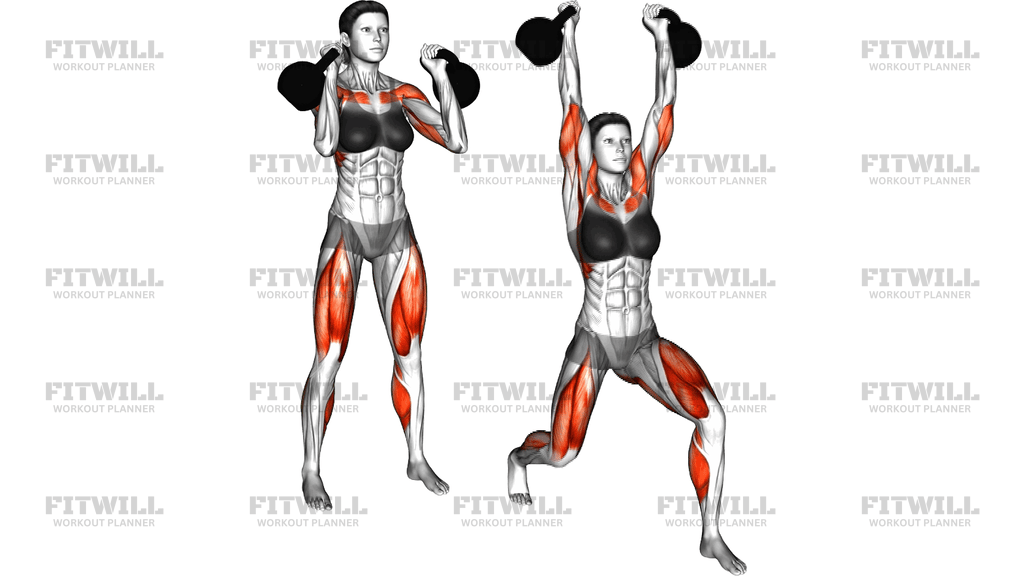
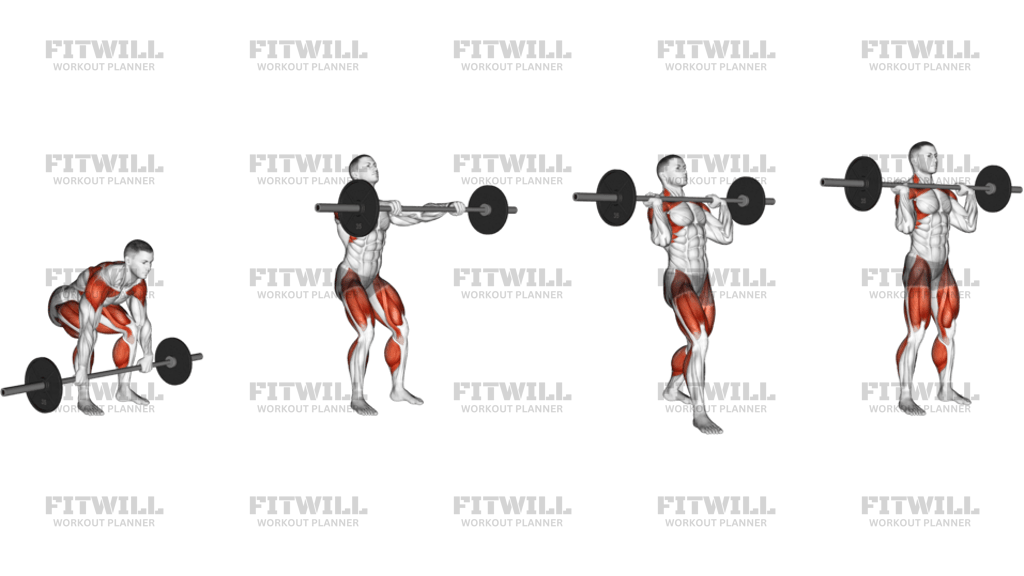
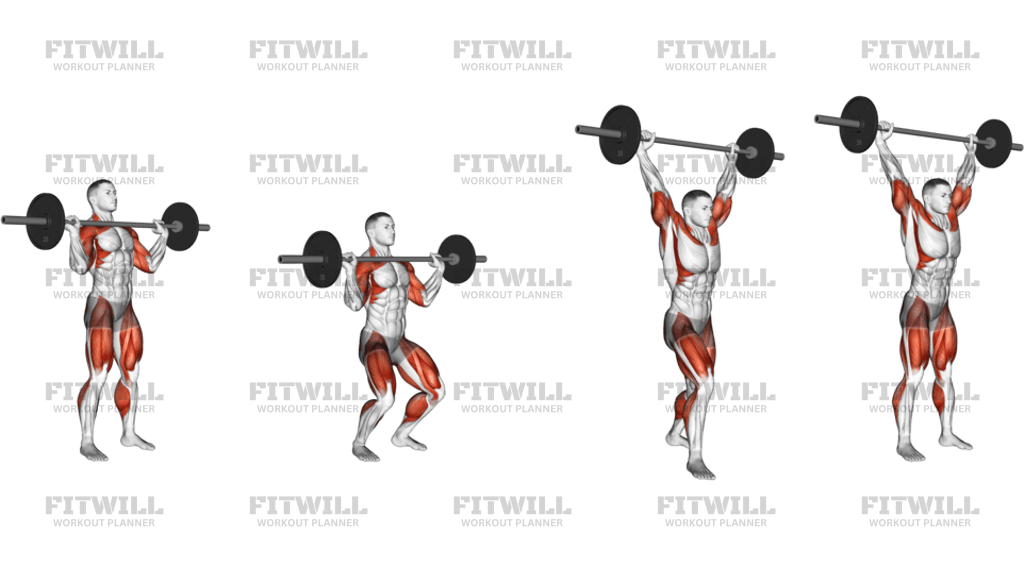
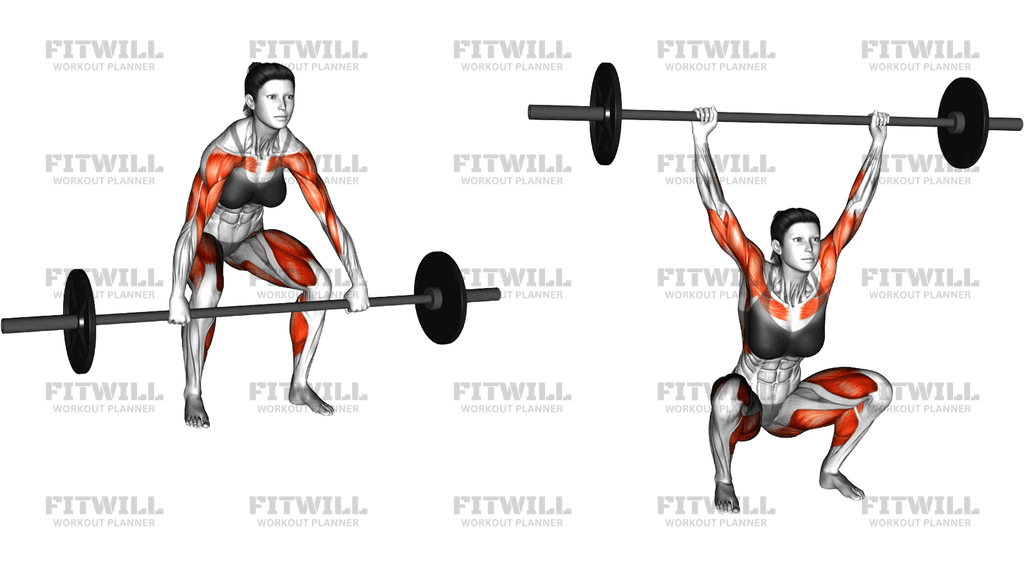
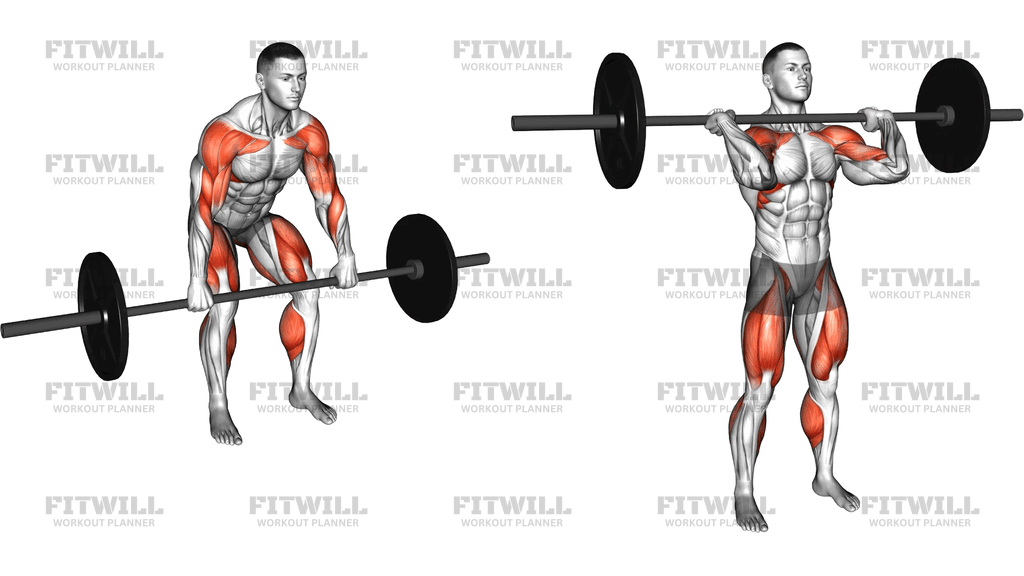
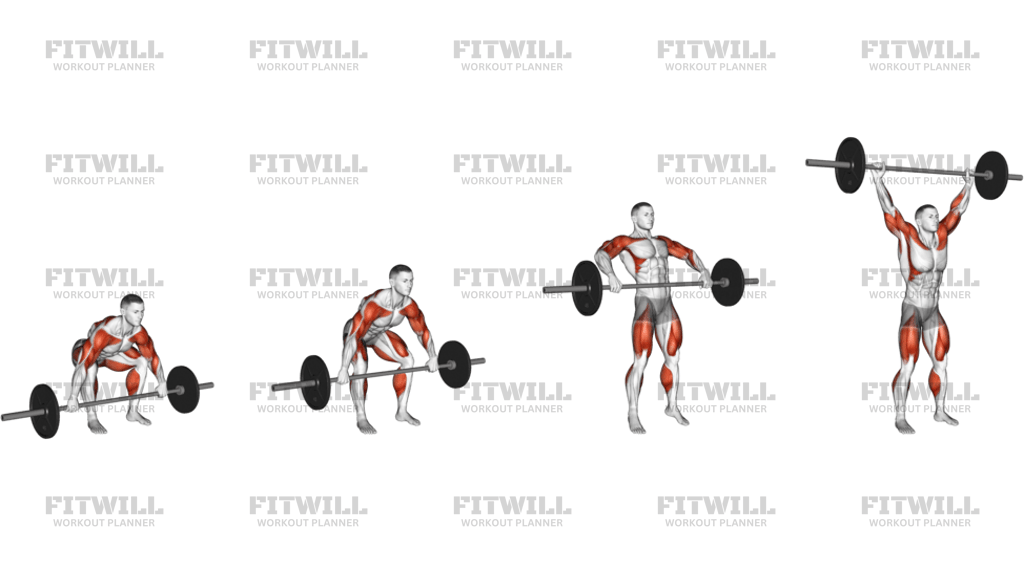
Cluster is a barbell weightlifting complex that combines a pull from the floor, a clean to the front rack, a front squat, and an explosive overhead finish. The movement is designed to train whole-body coordination under a loaded bar, so each rep rewards crisp positions more than brute speed. It is a strength-and-power drill, but it only works well when the transitions between the floor, rack, squat, and overhead positions stay tight and deliberate.
The bar path and body positions matter because the exercise asks you to organize force in stages. You start like a clean, stand tall with the bar close to the body, receive it in the front rack, settle into a controlled squat, then drive back up and finish overhead with locked elbows. That sequence makes the movement useful for weightlifters and athletes who need leg drive, trunk stiffness, and a stable overhead finish in one rep.
Good clusters are built from clean setup mechanics. A solid hinge, a stable midfoot, and an active brace keep the bar moving vertically instead of looping away from the body. The clean portion should feel snappy but not sloppy, the front squat should stay upright with the elbows high, and the overhead drive should finish with the ribs down and the bar stacked over the shoulders, hips, and feet.
Because the exercise combines several demanding positions, load choice is more important here than on a simpler barbell lift. Use a weight you can clean, squat, and press with consistent timing. If the catch is soft, the squat caves forward, or the overhead finish becomes a lean-back, the set is too heavy for this pattern. Clusters are especially useful in strength blocks, power sessions, and Olympic lifting practice where you want to connect pulling strength, leg drive, and coordination.
The main coaching goal is to make every rep look the same from the floor to the finish. Reset before each lift, keep the bar close, and finish each phase in control before moving to the next one. Done well, the cluster builds power, timing, and full-body tension without relying on a long set or a lot of repetition speed.
[ Workout Log & Planner ]
Put your next workout in Fitwill
Keep your plan and training log ready when you are.


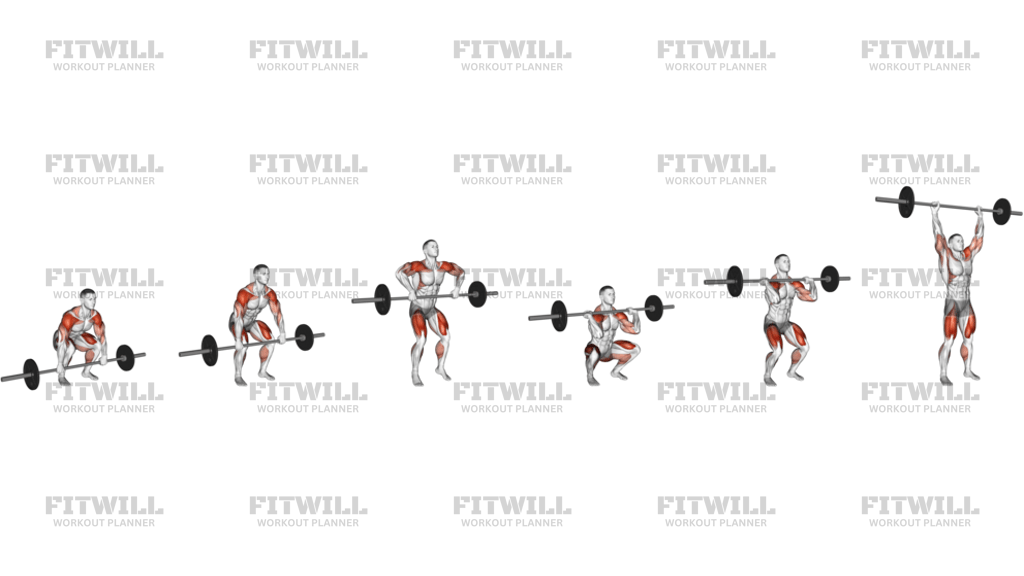
Instructions
- Stand over the bar with your feet about hip-width apart and the bar over midfoot.
- Grip the bar just outside your legs, hinge at the hips, and set your shoulders slightly in front of the bar with a flat back.
- Brace hard, keep your chest proud, and push the floor away to pull the bar off the ground in one smooth path.
- Extend through the hips and knees, then keep the bar close as you pull under and receive it in the front rack on the shoulders.
- Catch with high elbows, settle your balance, and sit into a controlled front squat until your thighs reach at least parallel if mobility allows.
- Drive up out of the squat by pushing through the whole foot while keeping the elbows lifted and the torso tall.
- At the top, dip a few inches straight down and drive the bar overhead with a strong leg push or a quick jerk-style finish, depending on the variation you are using.
- Lock the elbows fully overhead, stack the bar over the shoulders and hips, and hold the finish for a beat before lowering under control.
- Bring the bar back to the shoulders and then to the floor with control before the next rep or before resetting.
Tips & Tricks
- Keep the bar brushing close to the thighs and torso so the clean stays vertical instead of swinging forward.
- Finish the pull with the hips and knees before you try to pull yourself under the bar.
- Catch the clean with the elbows high; if the elbows drop, the front rack will collapse into the squat.
- Keep the front foot and heel rooted through the squat so the bar does not tip you onto your toes.
- Use a front-rack grip you can hold through the squat without losing the wrists or upper back.
- Dip for the overhead finish by bending the knees straight down, not by leaning the chest forward.
- Keep the ribs down on the drive so the bar ends up stacked over the midfoot instead of drifting behind you.
- Choose a lighter load than your clean or press max, because the weakest phase usually determines the quality of the whole cluster.
Frequently Asked Questions
What does the barbell cluster work?
It trains the legs, glutes, upper back, shoulders, and trunk together, with a strong emphasis on power and position changes.
Is a cluster the same as a clean and jerk?
It is similar, but the sequence here also includes a front squat after the clean so you have to control the bar through more stages.
Where should the bar sit during the catch?
It should rest across the front of the shoulders in the front rack, with the elbows lifted so the chest can stay tall.
What is the most common mistake in the clean phase?
Letting the bar swing away from the body. Keep it close to the legs so the pull stays efficient and the rack position is easier to catch.
Can beginners do this exercise?
Yes, but only with a light load and after they can front rack, squat, and press without losing position.
How heavy should I go on clusters?
Use a weight that you can clean smoothly, squat upright, and finish overhead without turning the rep into a grind.
Do I need to squat all the way down?
Go as deep as your mobility and front-rack position allow while keeping the torso upright and the heels planted.
What if the overhead finish feels unstable?
Lower the load and keep the dip and drive more vertical. The bar should finish stacked over the shoulders, not behind your head.