Medicine Ball Single Leg Wood Chop
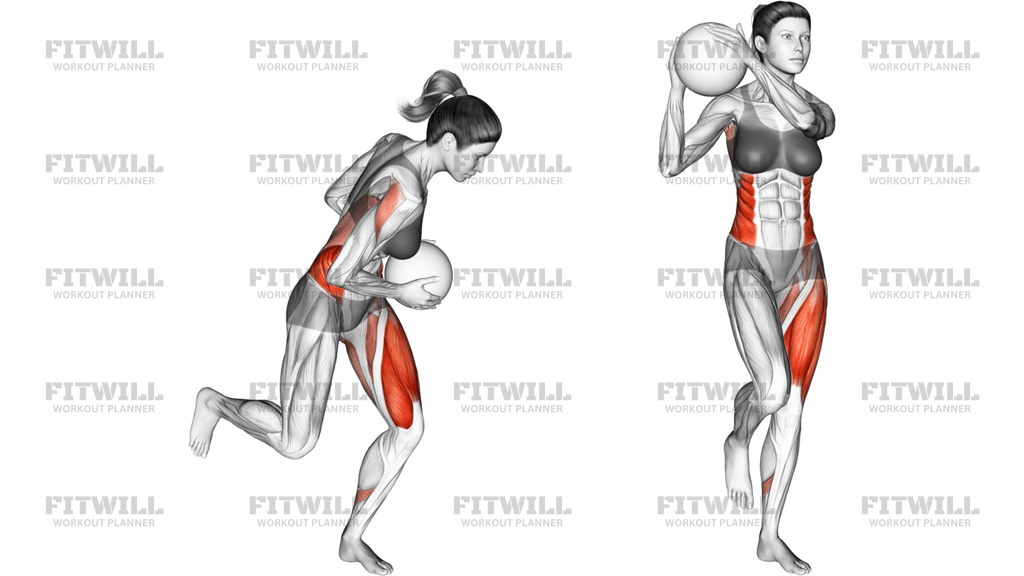
Medicine Ball Single Leg Wood Chop is a single-leg core and balance drill that combines a diagonal chop with a controlled hip hinge. In this version, the medicine ball is used as the load and as the lever: the moving leg and the ball travel together so the trunk has to stay organized while the body shifts from a hinged, loaded start into a tall, balanced finish. The exercise is especially useful when you want to train the abs, obliques, hip stabilizers, and shoulder control without turning the set into a fast rotational swing.
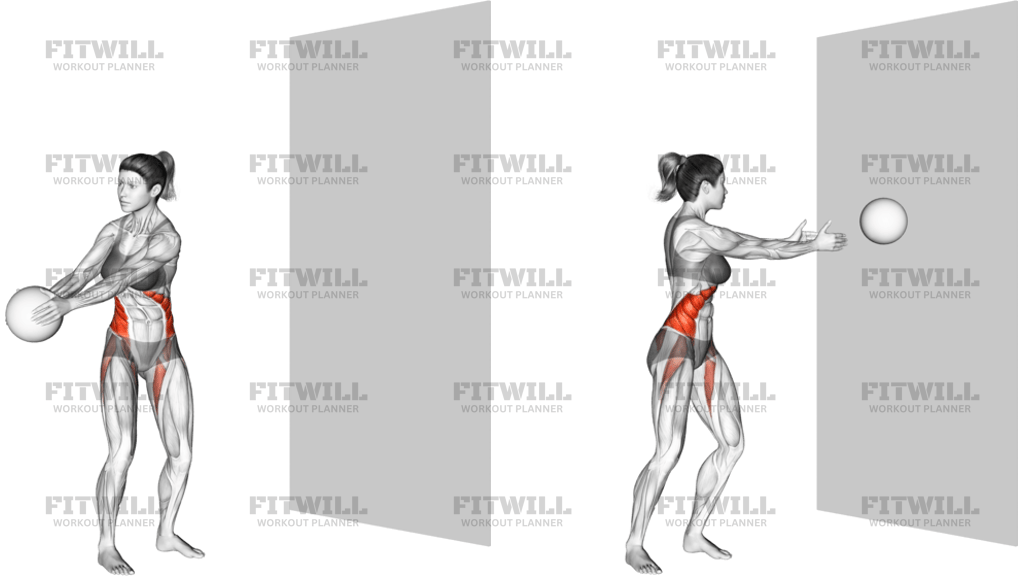
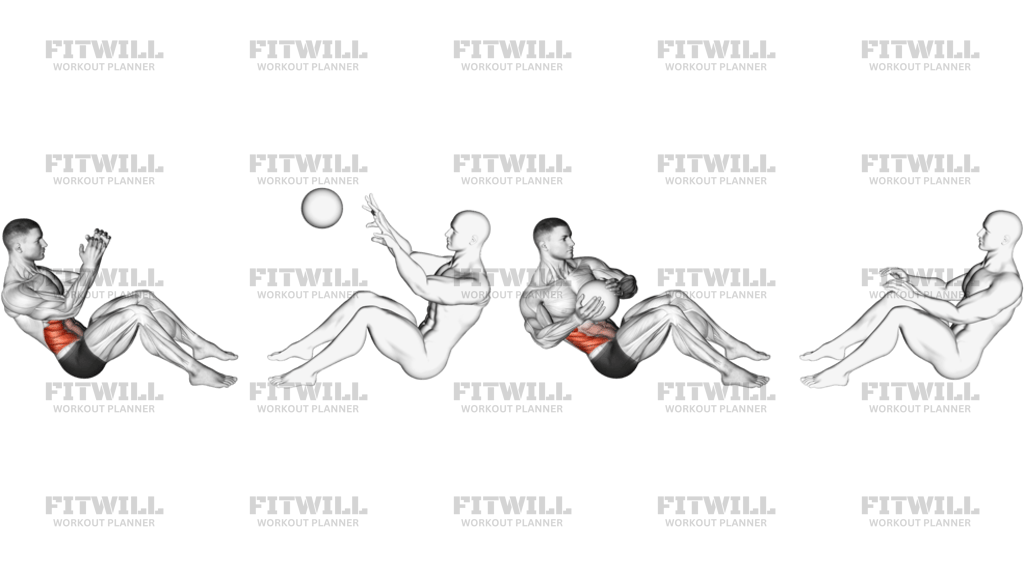
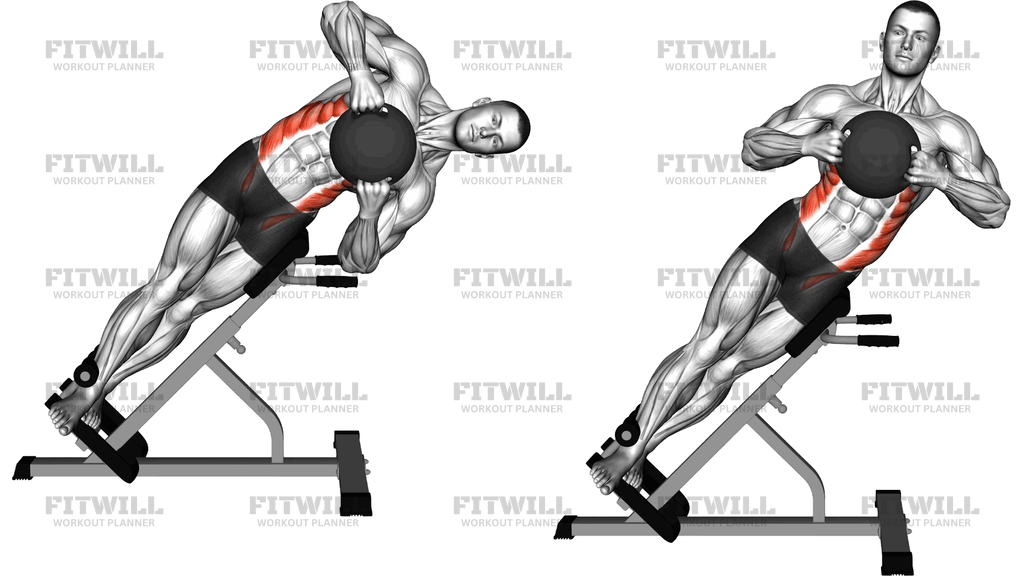
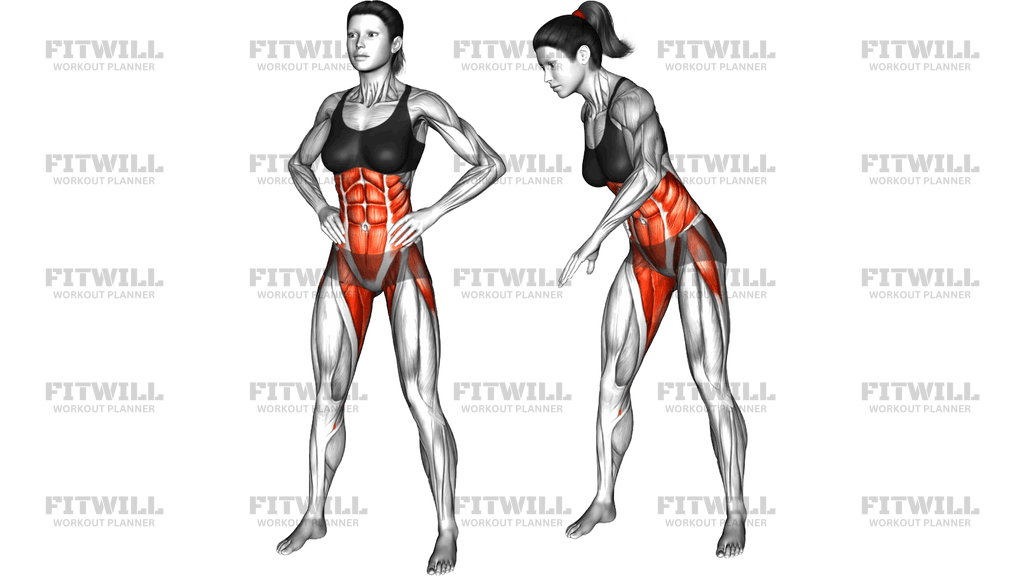
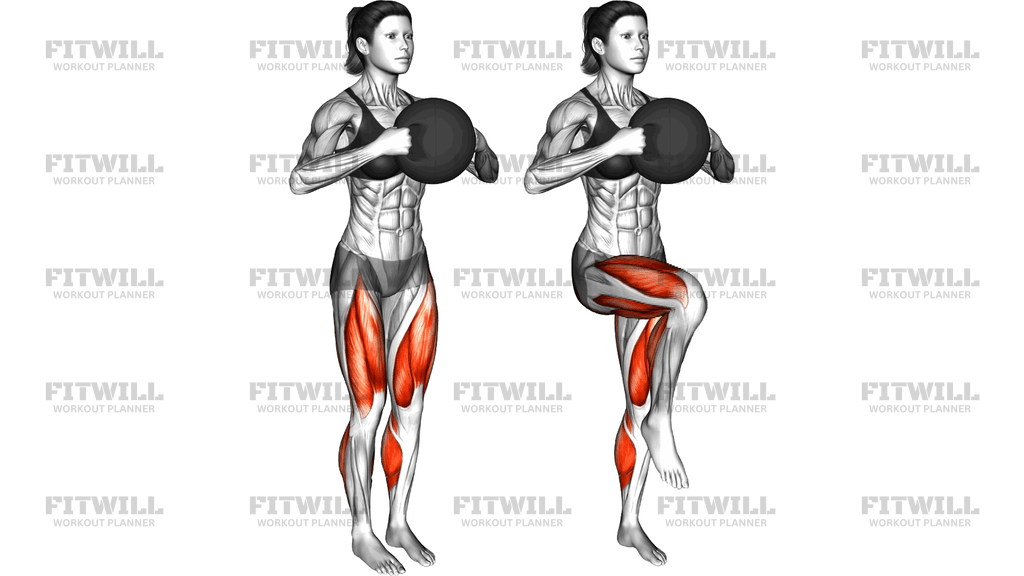
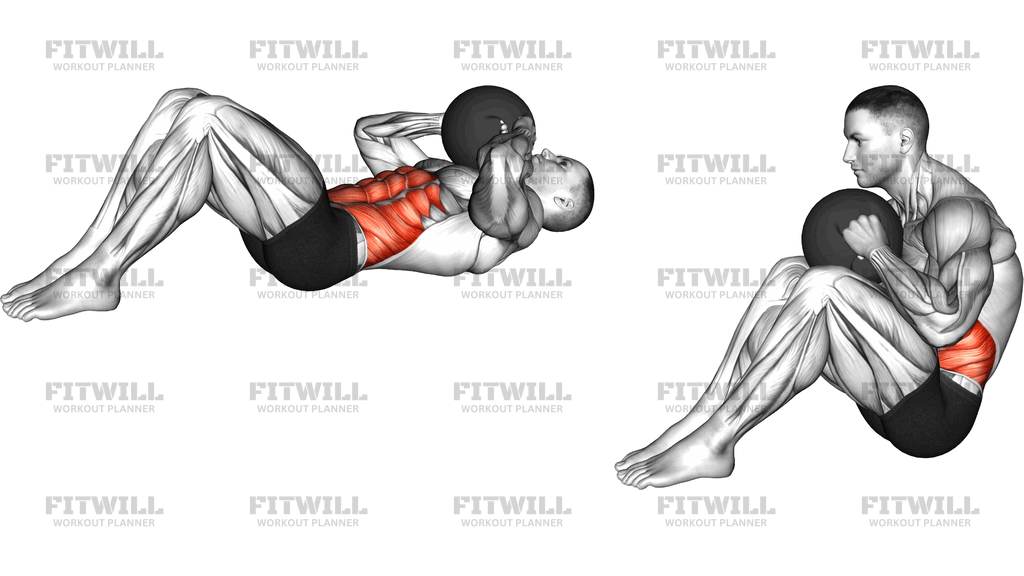
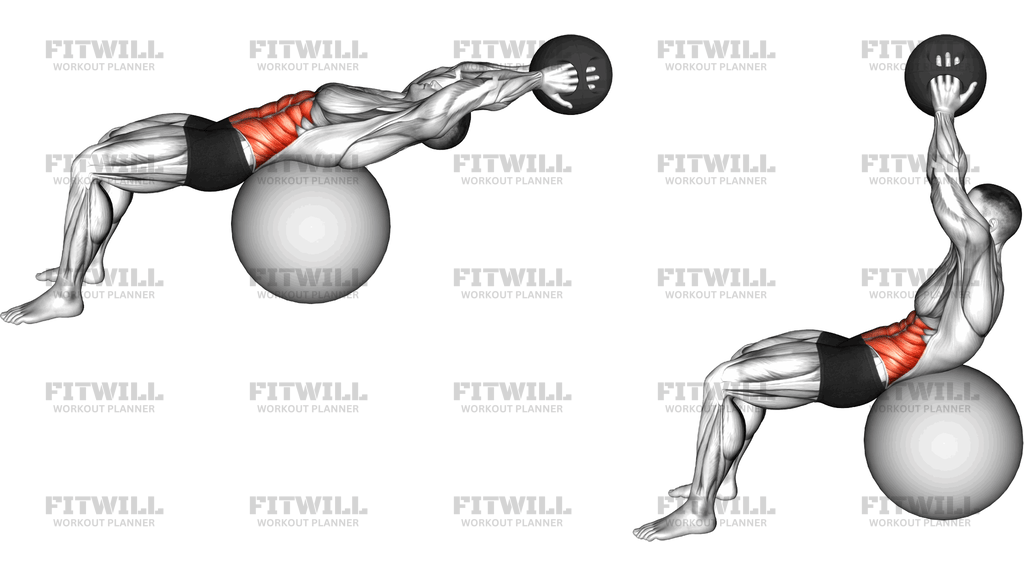
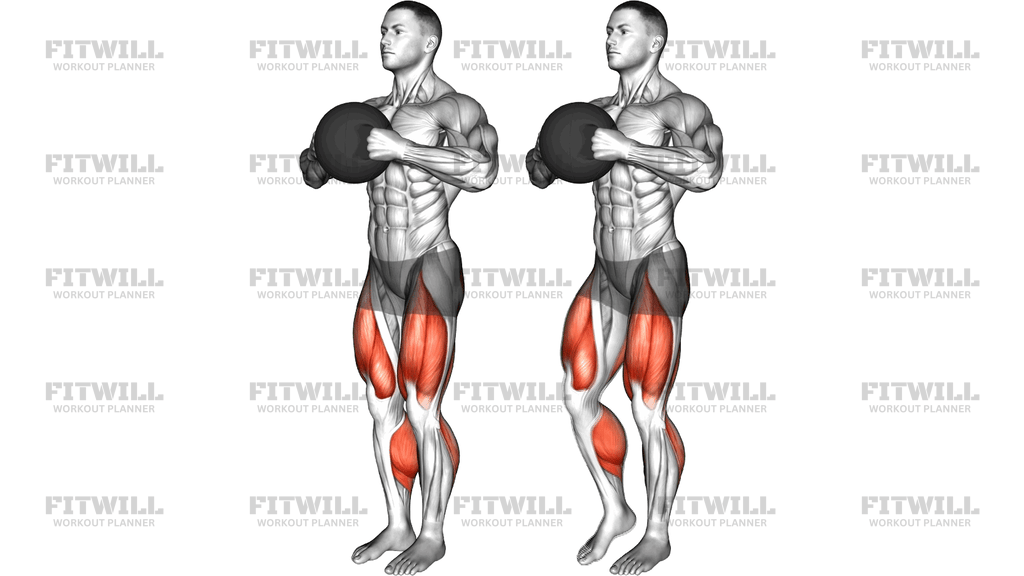
The image shows a forward-leaning, one-leg setup with the torso angled down, the free leg bent behind, and the ball held close to the front of the body before the chop finishes higher near the shoulder. That setup matters. If the standing foot is unstable, the pelvis twists early, or the chest collapses, the movement stops being a clean wood chop and becomes a wobble. A good repetition keeps the ribs stacked over the pelvis, the working hip loaded, and the ball path smooth from low to high.
This exercise is not about cranking through the biggest possible range. It is about controlling a diagonal pattern while balancing on one leg. The standing leg should do the main stabilization work while the trunk resists unwanted rotation and side-bending. The medicine ball should travel in a clear arc rather than drifting forward, and the torso should rise with the chop instead of yanking the load with the arms. That is what makes the drill useful for waist control, athletic balance, and coordination.
Use a light to moderate medicine ball and keep the tempo honest. If the standing knee caves in, the lifted leg swings wildly, or the ball gets launched with momentum, the load is too heavy or the range is too aggressive. Beginners can use a small range and tap the free foot lightly for balance between reps. More advanced lifters can slow the lowering phase, pause in the hinge, or keep the free leg floating the whole set.
Medicine Ball Single Leg Wood Chop fits well in core work, warm-ups, balance training, or athletic accessory blocks where quality matters more than fatigue. It is also a good option when you want to challenge the hips and trunk together instead of isolating the abs on the floor. Keep the motion crisp, controlled, and repeatable, and stop the set as soon as the balance strategy turns into a swing.
[ Workout Log & Planner ]
Put your next workout in Fitwill
Keep your plan and training log ready when you are.


Instructions
- Stand on one leg and hinge forward at the hips, with the free leg bent behind you and the medicine ball held low in front of the standing hip.
- Keep a soft bend in the standing knee, square the pelvis as much as possible, and set your ribs over the standing hip before you begin.
- Brace your midsection and keep the shoulders down so the ball starts from a stable, loaded position instead of a loose reach.
- Begin the chop by driving the ball diagonally upward across the body while the torso rises with the movement.
- Let the standing leg and trunk share the work so the ball travels in one smooth arc rather than being jerked by the arms.
- Finish tall on the standing leg with the ball near the opposite upper side of the body, keeping the neck long and the chest open.
- Lower the ball back along the same diagonal path under control as you hinge forward again and return to the single-leg start.
- Reset your balance between reps if needed, then repeat for the planned reps before switching sides.
Tips & Tricks
- Keep the standing foot planted through the big toe, little toe, and heel so the balance work stays in the hip instead of the ankle.
- If the pelvis opens early, shorten the chop path and keep the free hip pointed more toward the floor.
- Think of the ball as moving on a diagonal rail from the low front side of the body to the high opposite shoulder.
- Do not let the free leg swing for momentum; it should stay bent and quiet behind you.
- Exhale as the ball rises and inhale as you lower back into the hinge.
- Use a ball light enough that you can pause briefly at the top without losing the standing-leg line.
- Keep the standing knee tracking over the middle toes instead of collapsing inward as you rotate.
- If your torso twists hard instead of rising cleanly, reduce the load and make the arc smaller.
Frequently Asked Questions
What does Medicine Ball Single Leg Wood Chop train most?
It mainly trains the abs and obliques, with the standing hip and glute working hard to keep you balanced.
Is this a good exercise for beginners?
Yes, if the medicine ball is light and the range stays small enough that you can keep your balance on the standing leg.
Where should the medicine ball move during the chop?
It should travel on a diagonal path from low in front of the standing hip to high across the body, not straight up or straight out.
What is the most common mistake with the single-leg stance?
Letting the pelvis open or the standing knee cave in, which usually means the load is too heavy or the chop is too aggressive.
Should I keep the free leg straight or bent?
Bent is usually better here, because a quiet bent leg helps you stay balanced instead of using the back leg as a swing.
How heavy should the medicine ball be?
Use a load that lets you finish each rep without twisting violently or losing the upright finish at the top.
What should I feel at the top of the rep?
You should feel the trunk braced and the standing hip steady, with the medicine ball controlled near the high finish rather than thrown there.
Can I use this in a warm-up or only as hard core work?
It can work in either setting: use it lightly for balance and coordination, or load it a bit more for controlled core work.