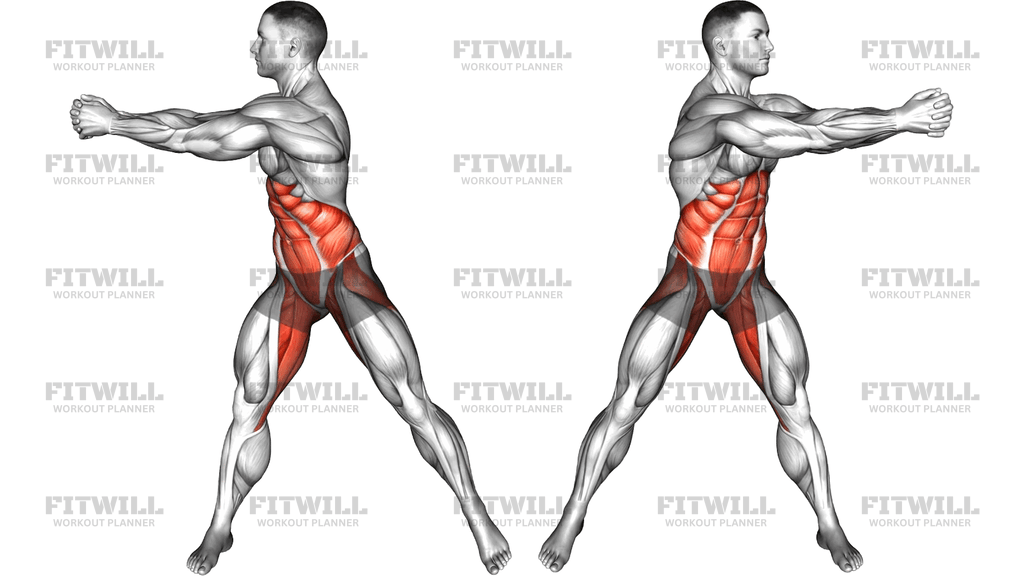
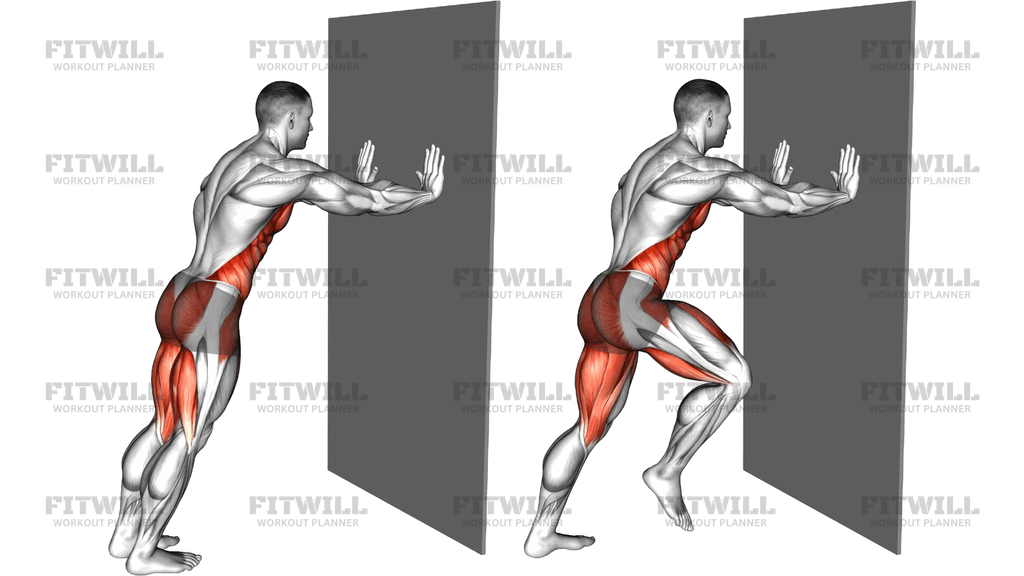
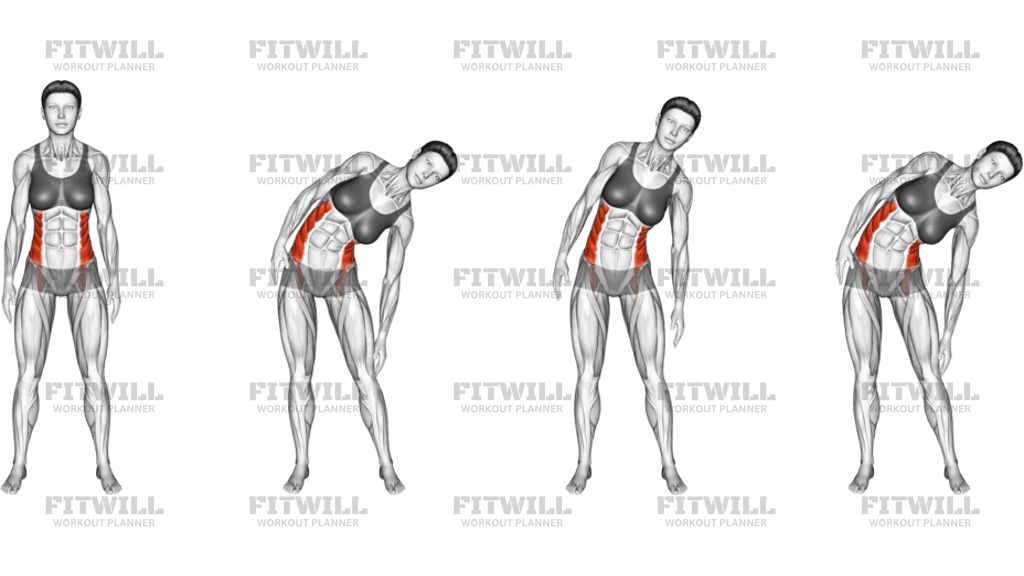
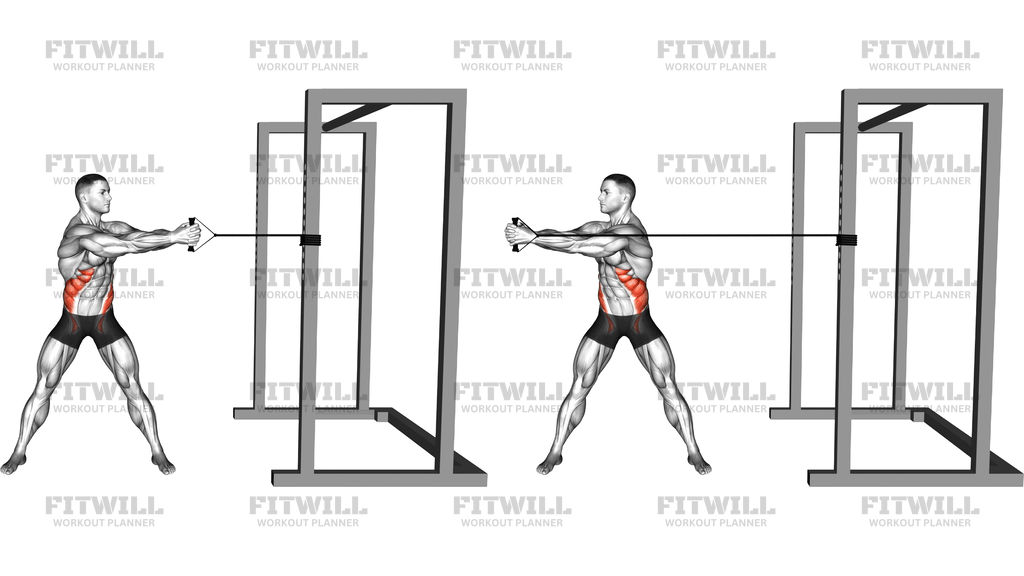
Lower Trunk Flexor Stretch
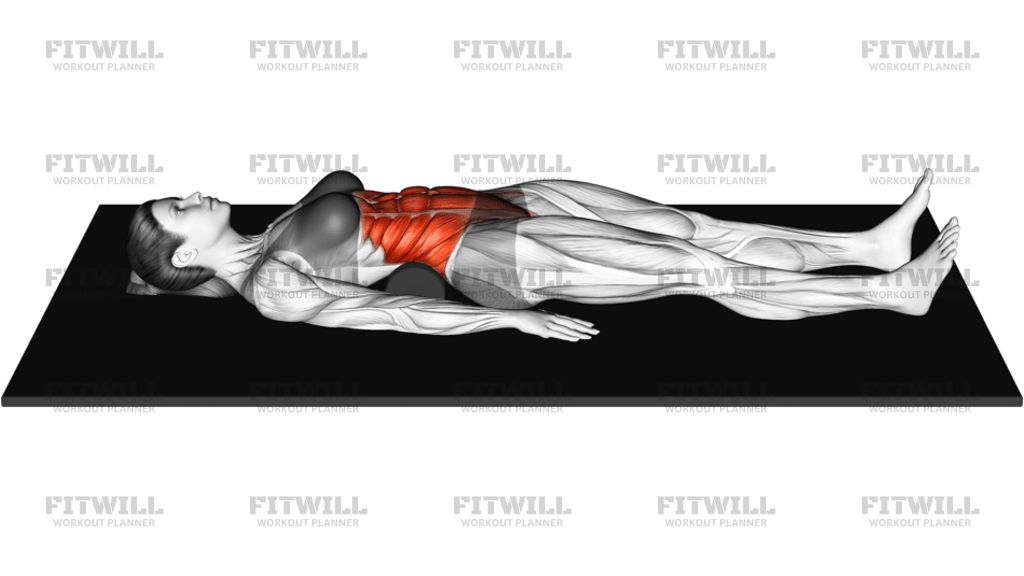
Lower Trunk Flexor Stretch is a mat-based mobility exercise that opens the front of the trunk, the lower abdominal wall, and the hip crease. In the pictured setup you lie on your back with the legs long, the pelvis settled, and the shoulders relaxed so the stretch comes from position and breathing rather than from forcing the lumbar spine. It is useful when the front of the body feels tight from prolonged sitting, heavy core work, or repeated extension-based training.
The goal is not to chase the biggest arch or the deepest pull. A good rep creates a gentle, even lengthening across the lower abs and front of the hips while the ribs stay calm and the neck stays loose. If your version uses a small towel or low pad under the pelvis or low back, that support should only nudge you into a comfortable opening, not create pressure points.
During the hold, breathe slowly and let the exhale soften the belly wall and the front of the pelvis. Keep the legs extended and quiet, let the feet rest naturally, and avoid twisting the knees or flaring the ribs. The stretch should feel broad and controlled, with no pinching in the low back and no sharp pull in the hip joints.
Use this stretch in the warm-up, cooldown, or mobility portion of a session when you want to restore length after sitting, cycling, sprinting, or abdominal work. Beginners can use it comfortably because the setup is simple, but the key is restraint: small adjustments, calm breathing, and a position you can hold without guarding. If the low back takes over, reduce the range, flatten the ribs, or remove any support until the stretch stays focused on the front of the trunk.
[ Workout Log & Planner ]
Put your next workout in Fitwill
Keep your plan and training log ready when you are.


Instructions
- Lie on your back on an exercise mat with both legs extended and your feet relaxed, using a small folded towel or pad under the lower trunk only if your version calls for it.
- Let the shoulders, arms, and jaw relax so the chest and abdomen are not bracing against the floor.
- Set the pelvis so the low back feels long and even, not jammed into an aggressive arch.
- Keep the knees pointing up and the feet quiet while you take a slow breath in.
- As you exhale, soften the lower abdominal wall and let the front of the hips and lower trunk open.
- Hold the stretch in a mild, steady range instead of pushing for a bigger bend or twist.
- Keep breathing smoothly through the hold; each exhale should feel like it melts tension rather than increasing it.
- Return by easing the tension out gradually, then reset before the next rep or hold.
Tips & Tricks
- Keep the stretch mild enough that you can breathe without bracing.
- If the low back pinches, reduce the setup arch or remove the support under the pelvis.
- A longer exhale usually helps the front of the trunk relax more than a forceful inhale.
- Keep the ribs from flaring upward; the movement should stay centered through the lower torso.
- Let the legs stay long and quiet so the stretch is not turned into a leg drill.
- A thin pillow under the head can help if the neck wants to extend.
- You should feel length across the lower abdomen and hip crease, not a sharp pinch in the lumbar spine.
- Stop short of numbness, cramping, or any pain that changes from stretching to irritation.
Frequently Asked Questions
What does Lower Trunk Flexor Stretch target most?
It mainly opens the lower abdominal wall and the front of the hips, especially the tissues along the trunk and pelvic line.
Is this exercise beginner-friendly?
Yes. The floor setup is simple, and you can keep the stretch very mild while you learn how it should feel.
Where should I feel the stretch?
You should feel a broad opening across the lower abdomen and hip crease, not a sharp pinch in the low back.
Should my knees stay straight?
The standard setup keeps the legs long, but a small bend at the knees is fine if it helps you keep the pelvis and ribs relaxed.
How long should I hold it?
A comfortable hold for about 20 to 30 seconds, or a few slow breaths, is usually enough unless your program says otherwise.
What is the most common mistake?
The biggest mistake is flaring the ribs and forcing a deeper arch instead of letting the front of the trunk open gradually.
Do I need the towel or pad under my lower back?
Not always. Use it only if it helps you find a gentle opening without pressure points or low-back discomfort.
Can I use this after ab training or long sitting?
Yes. It works well as a cooldown or mobility drill when the front of the torso feels shortened from training or sitting.