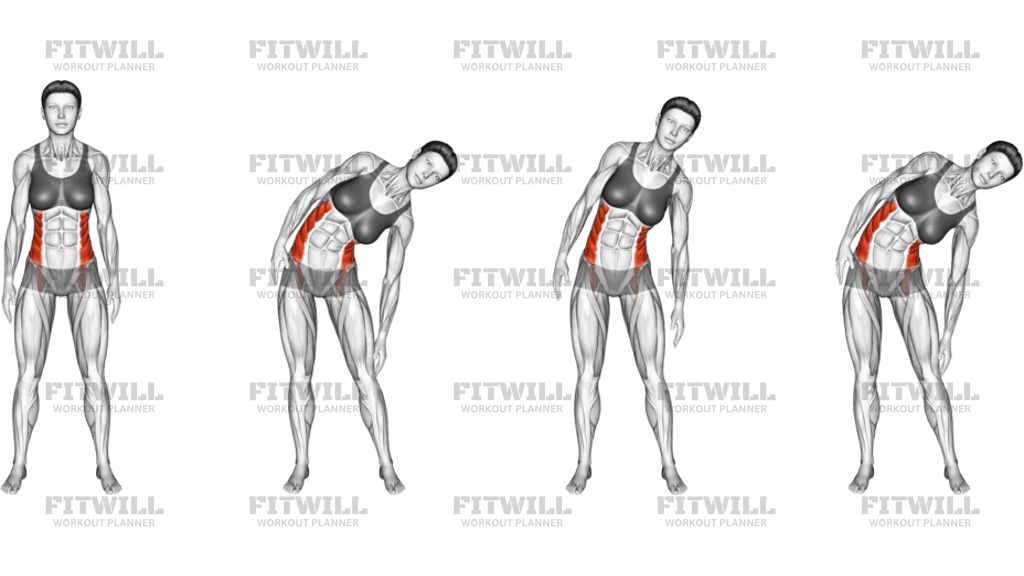
Lateral Bend On Floor By Kneeing
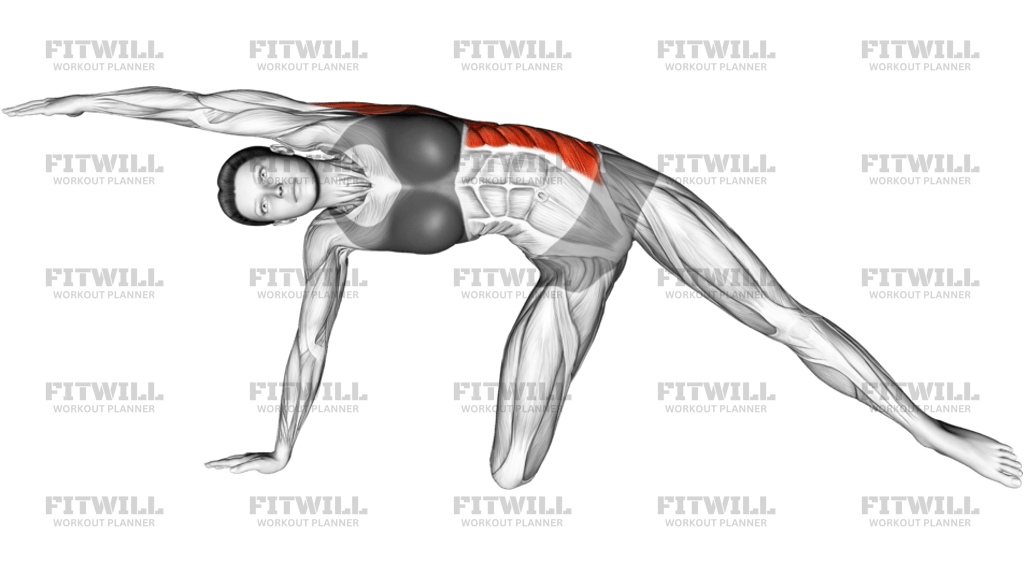
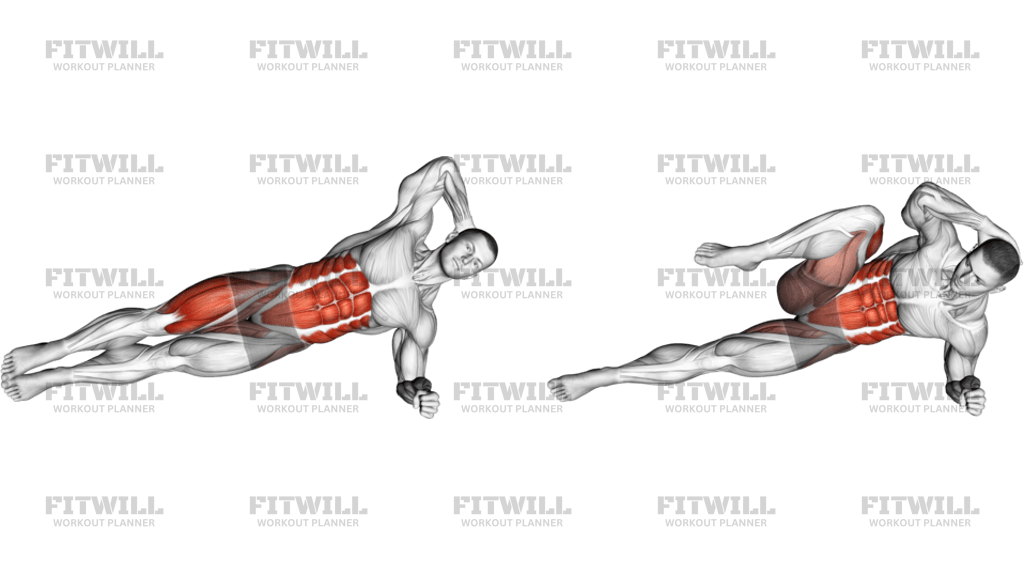
Lateral Bend On Floor By Kneeing is a floor-based kneeling side bend that trains the side of the trunk through a controlled arc. The image shows a supported half-kneeling position with one hand on the floor and the other arm reaching overhead, which makes the exercise useful for building lateral core control, side-body mobility, and awareness of how the ribs and pelvis move together.
The main value of this movement is the combination of support and reach. Because one hand stays on the floor, you can load the side bend without losing balance, and because one arm reaches long overhead, you can feel the line from the hip through the waist into the lat and shoulder. Done well, it should feel like a clean stretch and contraction through the side of the torso, not a twist or a collapse into the supporting shoulder.
Setup matters here. The kneeling leg, extended leg, planted hand, and overhead arm all help determine whether the bend stays in the waist or leaks into the low back and shoulder. Keep the chest open, the ribs stacked as much as possible before the bend, and the support hand directly under the shoulder so the floor can give you a stable base. A folded mat under the knee can make the position easier to hold and let you focus on the side bend itself.
Use the exercise by slowly reaching the top arm away, bending toward the floor hand, and then returning with the same level of control. Exhale as you move into the bend and inhale as you come back. This is a good choice for warmups, mobility blocks, core accessory work, or cooldowns when you want targeted side-body work without heavy spinal loading. Keep the range pain-free and stop if the shoulder, knee, or low back starts to pinch instead of stretch.
[ Workout Log & Planner ]
Put your next workout in Fitwill
Keep your plan and training log ready when you are.


Instructions
- Kneel on one knee on a mat and extend the opposite leg out to the side, keeping that foot planted or the heel grounded for balance.
- Place the supporting hand on the floor directly under the shoulder and spread the fingers so the wrist, elbow, and shoulder stay stacked.
- Reach the free arm overhead and lengthen from the hip to the fingertips before you start bending.
- Keep the chest open and the hips steady so the movement stays in the side of the trunk instead of turning into a twist.
- Exhale and slowly bend the torso toward the floor hand until you feel a clear stretch through the waist and lat.
- Keep pressure through the planted hand and avoid sinking into the shoulder or collapsing the rib cage.
- Pause briefly at the end range or hold the stretch for the planned time without bouncing.
- Inhale and return to the start by lifting the ribs and trunk back up along the same path.
- Reset the reach, then repeat for the desired reps before switching sides.
Tips & Tricks
- Use the floor hand as an active base: press away from the floor instead of hanging on the shoulder.
- The stretch should run along the side waist and lat; if you feel it mostly in the low back, shorten the range.
- Keep the extended leg active and the foot grounded so the pelvis does not drift and make the bend uneven.
- A small posterior pelvic tilt can help keep the ribs from flaring as you reach overhead.
- Do not let the torso spiral open; this should be a side bend, not a rotation drill.
- Move slowly enough that you can keep breathing smooth during both the descent and the return.
- If the kneeling side is uncomfortable, use extra padding under the knee before adding more range.
- Shorten the overhead reach if the shoulder feels jammed, then build range gradually.
- Use a controlled hold at the end of the bend instead of bouncing to chase more mobility.
Frequently Asked Questions
What does Lateral Bend On Floor By Kneeing work?
It mainly targets the side of the trunk, especially the obliques and quadratus lumborum, while the lat and shoulder help guide the overhead reach.
Is this more of a stretch or a strength exercise?
It can be used as both, but most people will treat it as a controlled mobility or core accessory drill.
What should the setup look like?
One knee stays on the floor, the opposite leg reaches out to the side, one hand supports you on the floor, and the other arm reaches overhead.
Should my chest turn as I bend?
No. Keep the chest mostly square and let the bend happen through the side of the torso instead of twisting the rib cage.
Why do I feel it in my shoulder?
That usually means you are hanging on the support side or reaching too hard overhead. Press the floor away and shorten the arm reach.
Can beginners do this movement?
Yes. Use a mat under the knee, keep the range short, and focus on a smooth bend and return.
What if I feel pressure in my low back?
Reduce the range, keep the ribs stacked better, and avoid arching as you reach overhead.
How can I make the exercise harder?
Hold the end position longer, slow the return, or add a small pause where the side body is fully lengthened.