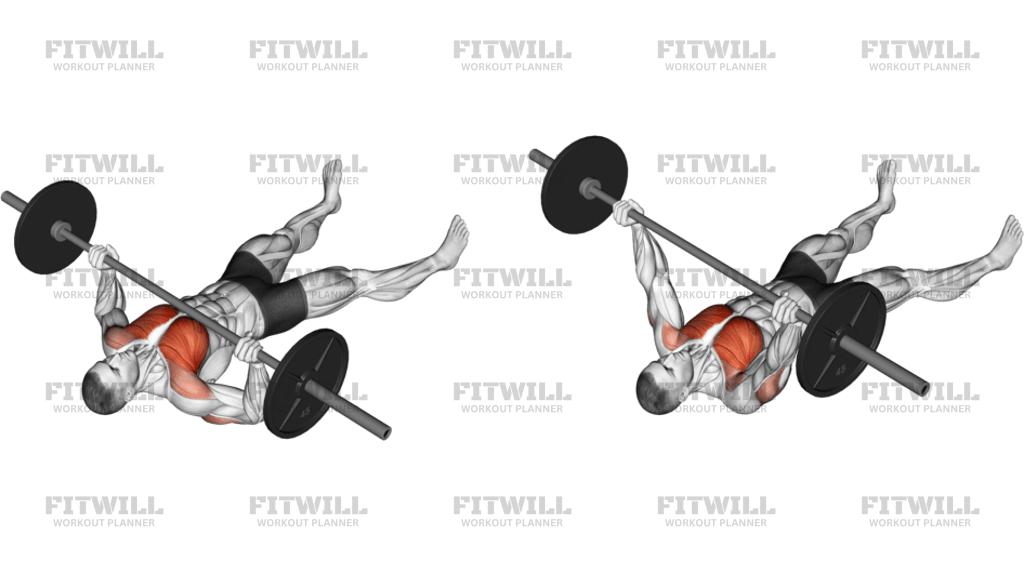
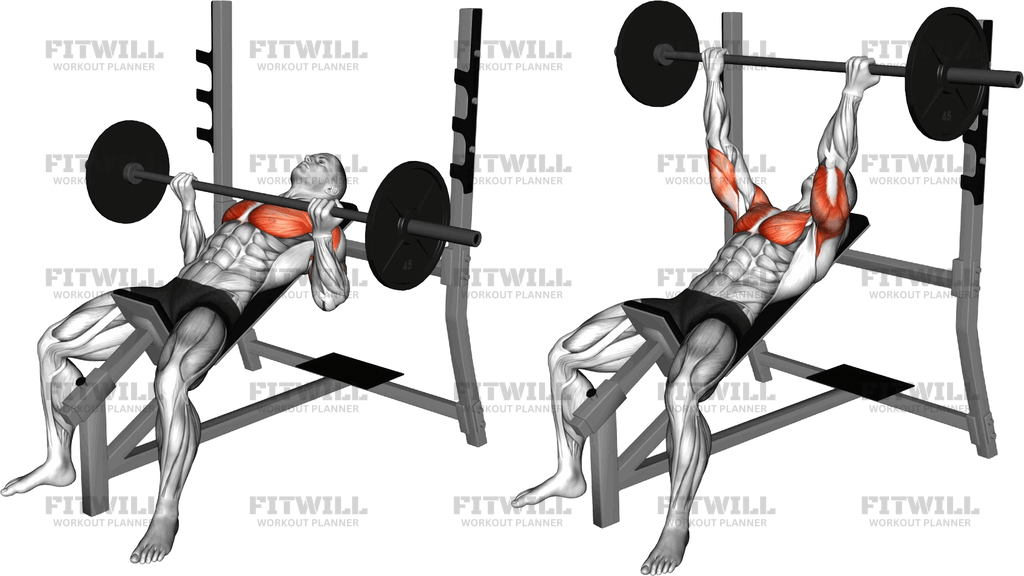
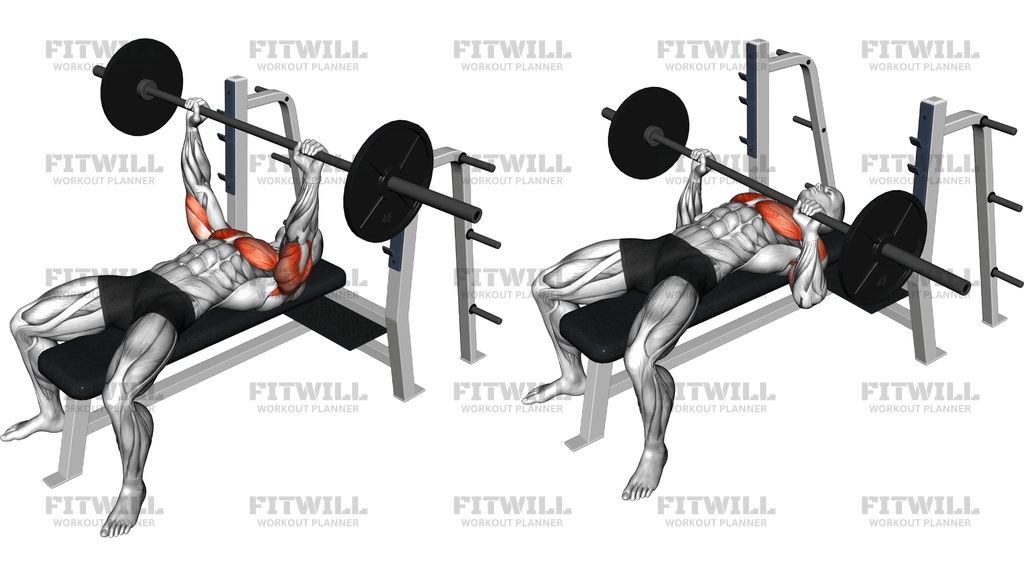
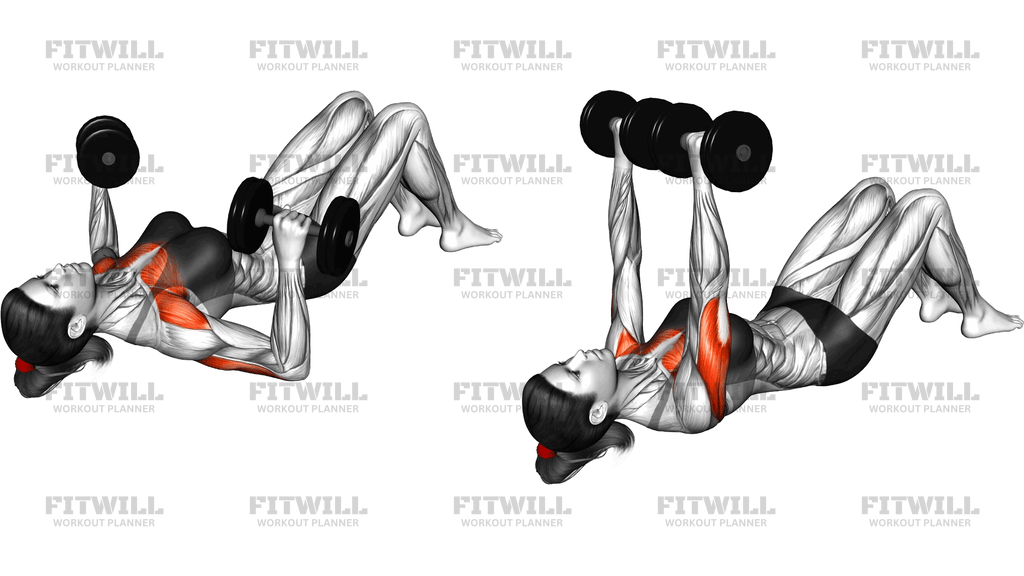
Chest Bench Press Grip Width WRONG-RIGHT
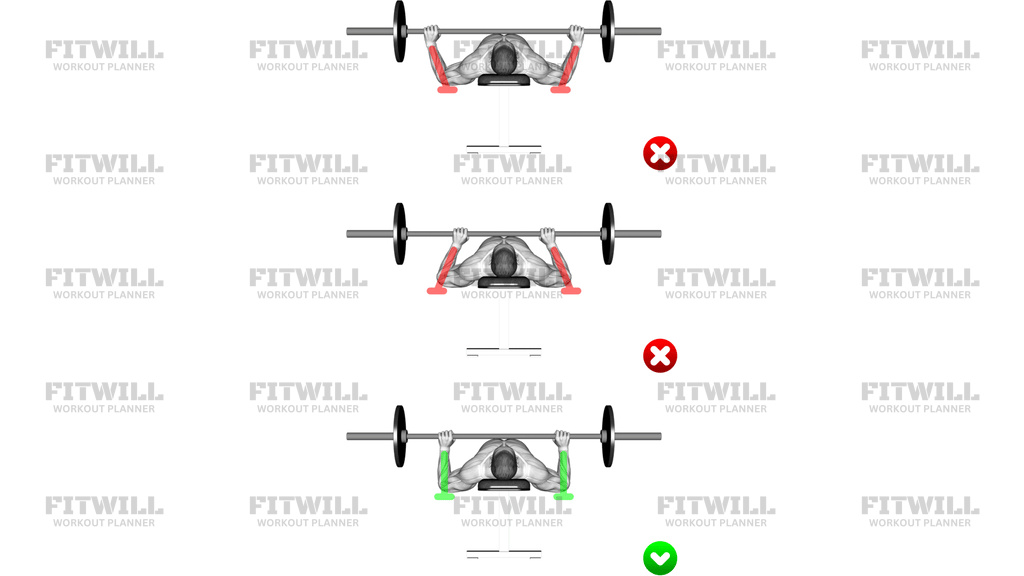
Chest Bench Press Grip Width WRONG-RIGHT is a barbell bench press variation where hand spacing is the main coaching cue. The exercise trains pressing strength through the chest, front shoulders, and triceps while also testing whether the upper back stays tight and the bar path stays consistent from rep to rep.
Grip width changes the feel of the press more than almost any other setup detail. A slightly wider grip usually shortens the range a little and lets the chest contribute more, while a closer grip shifts more work toward the triceps. Whatever spacing is shown for this exercise, the goal is to keep the wrists stacked, the forearms vertical at the bottom, and the shoulders packed against the bench.
The setup matters because a loose start turns a simple press into a shoulder-and-wrist problem. Lie on the bench with your eyes under the bar, plant both feet firmly, and retract your shoulder blades before unracking. A stable arch through the upper back is fine, but the ribs should not flare so much that you lose control or bounce the bar off the chest.
On the lowering phase, guide the bar to the lower chest or nipple line with control and keep the elbows from drifting straight out to the sides. Press the bar back up in a smooth line that finishes over the shoulder joint, then repeat without letting the bar drift forward, the wrists bend back, or the hips pop off the bench. The best reps look deliberate, not forceful.
Use this movement when you want to build pressing strength, practice bar path, or learn how grip width changes bench mechanics. It is useful for beginners if the load is light enough to keep the bench position stable, but it still rewards experienced lifters who want cleaner chest work and better control in the lockout. If the shoulders feel pinchy, reduce the load, narrow the grip slightly, or shorten the range until the rep stays smooth and pain-free.
[ Workout Log & Planner ]
Put your next workout in Fitwill
Keep your plan and training log ready when you are.


Instructions
- Lie on a flat bench with your eyes under the bar, feet flat on the floor, and a slight upper-back arch.
- Grip the bar with the spacing shown for this exercise, keep your wrists stacked over your forearms, and wrap your thumbs around the bar.
- Pull your shoulder blades back and down, then keep your chest lifted without losing contact with the bench.
- Unrack the bar to a position above the shoulder joints with straight but not overextended elbows.
- Lower the bar under control toward the lower chest or nipple line while keeping the elbows angled slightly below the shoulders.
- Pause briefly on or just above the chest if the set is meant to be strict, without bouncing out of the bottom.
- Press the bar up and slightly back so it finishes over the shoulders, keeping the wrists neutral and the bar path smooth.
- Keep your feet driving into the floor, breathe out through the press, and re-rack the bar only after the rep is fully controlled.
Tips & Tricks
- Set your grip first, because changing hand spacing mid-set changes elbow angle, bar path, and shoulder stress.
- Keep the forearms vertical at the bottom; if the wrists drift behind the bar, the load shifts into the joints instead of the press.
- Do not flare the elbows straight out at the bottom of the rep; a moderate tuck is usually friendlier on the shoulders.
- Touch the same point on the chest every rep so the press stays repeatable and the bar does not wander.
- Drive the bar up and back, not straight up, so it finishes over the shoulder joints instead of drifting toward the face.
- Keep the upper back tight on the bench; if the shoulders lose retraction, the chest cannot stay as stable through the descent.
- Use a spotter or safety arms when the bar is heavy enough that a missed rep would be hard to recover.
- If the wide grip irritates the shoulders, narrow the hands slightly and keep the same bench setup before changing the load.
Frequently Asked Questions
What does the grip width change in this bench press variation?
Grip width changes the elbow angle, range of motion, and how much the chest versus triceps contribute during the press.
Where should the bar touch on the bench press?
For most lifters, the bar should lower to the lower chest or nipple line, then press back up and slightly toward the shoulders.
How wide should my hands be on the bar?
Use the spacing shown for the exercise and keep both hands symmetrical, with wrists stacked over the forearms at the bottom.
What muscles work hardest here?
The chest does the main work, with the front shoulders and triceps assisting through the press and lockout.
Why do my wrists hurt on the barbell bench press?
Wrist pain usually means the bar is sitting too far back in the hand or the grip is too wide for your shoulder and forearm position.
Can beginners do this exercise safely?
Yes, but start light and use a stable bench setup, controlled lowering, and a spotter or safety arms until the bar path is consistent.
What is a common mistake with grip width?
A common mistake is changing hand spacing without adjusting elbow angle, which can make the bar drift and the shoulders feel unstable.
Can I use dumbbells instead of the bar?
Dumbbells are a reasonable substitute if you want a more shoulder-friendly press or need a freer range of motion.