Dumbbell Single-Arm Preacher Curl
Dumbbell Single-Arm Preacher Curl is a strict arm exercise built around one arm at a time, with the upper arm supported on the angled preacher pad. That support removes most of the temptation to swing or lean back, so the biceps have to do the work through a very controlled curl path. It is especially useful when you want focused biceps training without turning the set into a full-body heave.
The preacher setup changes the feel of the curl in an important way. Because your upper arm stays pinned to the pad, the rep starts from a stretched elbow position and stays honest all the way up to the top. That makes the exercise a strong choice for building size, strength, and control in the biceps brachii, with extra work from the brachialis and brachioradialis as the forearm still has to stabilize the dumbbell.
The setup matters more here than on many standing curls. Sit close enough that the back of the upper arm stays in contact with the pad, plant the feet, and let the free hand brace on the hip or bench for balance. Keep the wrist stacked over the forearm and curl with the palm facing up so the elbow bends without the shoulder rolling forward or the torso drifting off the pad.
On each rep, lower the dumbbell under control until the arm is nearly straight, then curl it back toward the shoulder without losing contact between the upper arm and the pad. A brief squeeze near the top is useful, but the main challenge is keeping the lowering phase smooth and controlled. If the dumbbell bounces off the bottom or the shoulder starts to help, the load is too heavy.
Dumbbell Single-Arm Preacher Curl works well as a focused accessory after bigger pulling movements or as a dedicated arm builder when you want strict tension instead of momentum. It is friendly for beginners because the bench gives clear positioning feedback, but the range can feel intense at the bottom, so lighter loads and a full warm-up are smart. Use a weight that lets you keep the shoulder quiet, the wrist neutral, and the curl path consistent from the first rep to the last.
Fitwill
Log Workouts, Track Progress & Build Strength.
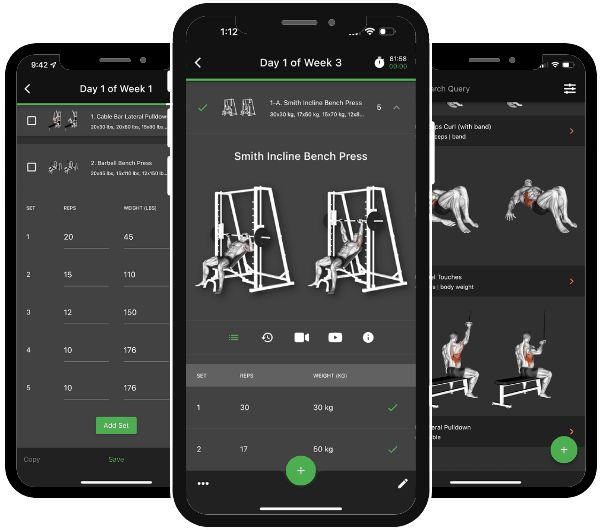
Achieve more with Fitwill: explore over 5000 exercises with images and videos, access built-in and custom workouts, perfect for both gym and home sessions, and see real results.
Start your journey. Download today!


Instructions
- Sit at the preacher bench and press the back of one upper arm into the angled pad, with your armpit just above the top edge and your working shoulder relaxed.
- Plant both feet flat, then brace the hand of the working side against the bench or hip for stability if that matches the setup you are using.
- Hold a dumbbell in the working hand with the palm facing up and the wrist stacked over the forearm, letting the arm hang almost straight down the pad.
- Set the shoulder down and back so the upper arm stays glued to the pad before the first curl begins.
- Curl the dumbbell toward the shoulder by bending only at the elbow, keeping the upper arm fixed against the pad and the torso still.
- Pause briefly near the top when the forearm is close to vertical and squeeze the biceps without rolling the shoulder forward.
- Lower the dumbbell slowly until the elbow is nearly straight, keeping tension on the arm instead of dropping into the bottom position.
- Exhale as you curl up, inhale as you lower, and repeat for the planned reps before switching sides and resetting the shoulder and upper arm on the pad.
Tips & Tricks
- Set the bench height so the top edge of the preacher pad sits just below the armpit; if it is too high, the shoulder will crowd the rep.
- Keep the elbow planted on the pad from start to finish. If it floats off the support, the set turns into a standing curl.
- Use a lighter dumbbell than you would for a free-standing curl. The fixed setup makes cheating obvious and the bottom position feels much harder.
- Let the wrist stay neutral or slightly supinated rather than bent back. A cocked wrist shifts stress into the forearm and makes the dumbbell harder to control.
- Stop just short of locking the elbow if that helps keep tension on the biceps and prevents the joint from snapping open at the bottom.
- Do not drive the dumbbell with the shoulder at the top. The upper arm should stay quiet while the forearm does the moving.
- A 2-3 second lowering phase works well here because the preacher pad removes most momentum and makes the eccentric phase productive.
- If the last few reps turn into a shoulder shrug or torso twist, end the set there instead of chasing extra reps with momentum.
Frequently Asked Questions
What muscles does Dumbbell Single-Arm Preacher Curl work most?
It mainly targets the biceps brachii, with the brachialis and brachioradialis helping through the curl and lower phase.
Why use a preacher bench for Dumbbell Single-Arm Preacher Curl?
The preacher pad locks the upper arm in place, which reduces swinging and makes the biceps do more of the work through the whole rep.
How far should I lower the dumbbell on the preacher pad?
Lower until the elbow is nearly straight and the biceps still stay under tension. Letting the arm slam into a hard bottom position usually makes the next rep sloppy.
Should my upper arm move during Dumbbell Single-Arm Preacher Curl?
No. The upper arm should stay pressed into the pad while the elbow bends. If the shoulder starts to roll forward, the load is too heavy.
Is Dumbbell Single-Arm Preacher Curl good for beginners?
Yes, because the bench gives clear support and makes the curl path easy to learn. Start with a light dumbbell so you can keep the elbow and wrist aligned.
What is the biggest mistake on this exercise?
Most people use too much weight and start lifting the shoulder or twisting the torso. That turns the set into a partial cheat curl instead of a strict preacher curl.
Can I do Dumbbell Single-Arm Preacher Curl instead of barbell preacher curls?
Yes. The dumbbell version lets each arm work independently, which can help even out side-to-side differences and makes it easier to match your own elbow path.
Where should I put my free hand during the set?
Most lifters brace the free hand on the hip or the bench for balance. Keep it out of the way so it does not help lift the weight.