Bodyweight Squatting Row
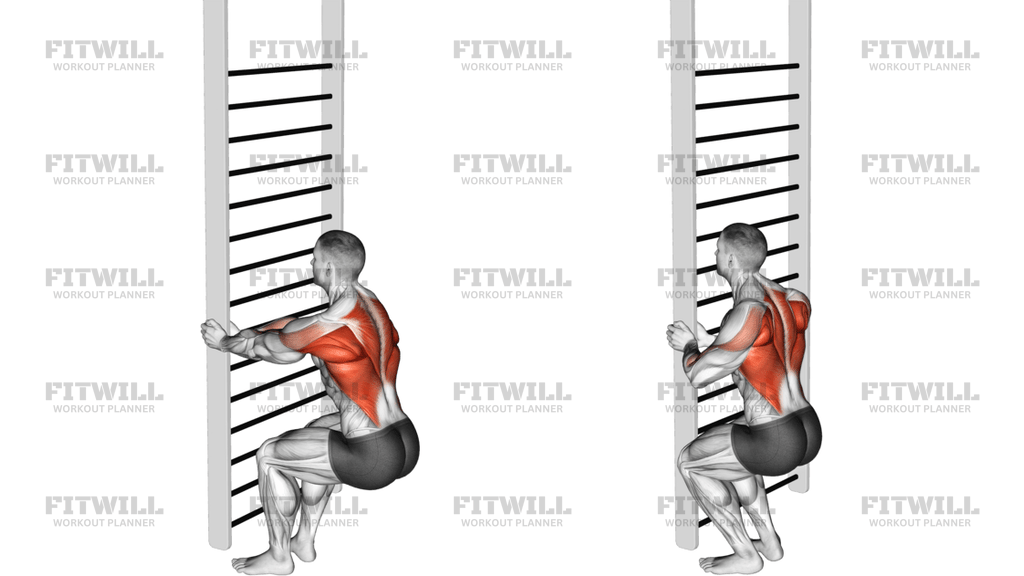
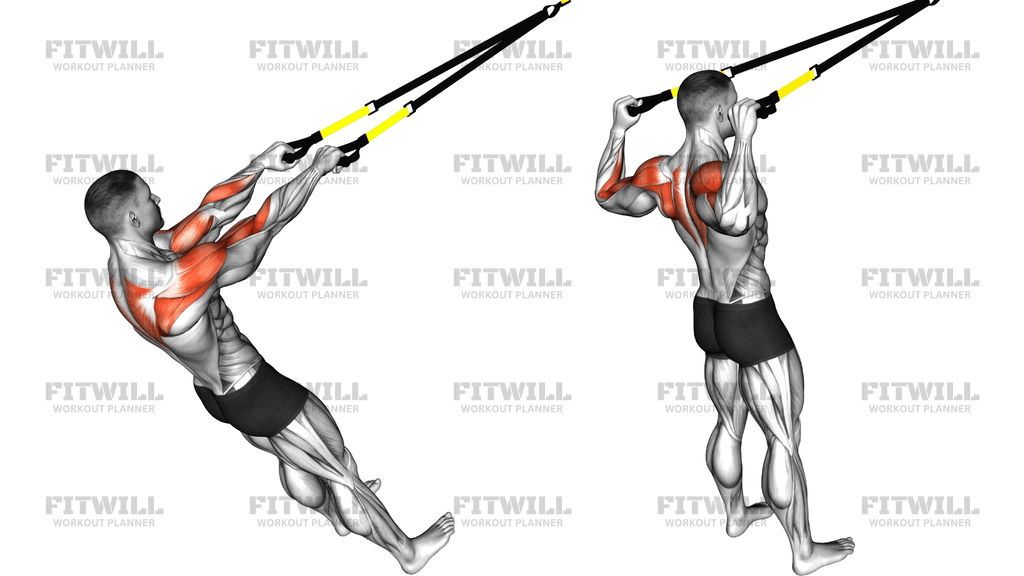
Bodyweight Squatting Row is a wall-bars rowing drill done from a held squat, not a standing pull. You face the fixed rungs, keep your feet planted, and use your arms and upper back to draw your chest toward the bar while the legs stay bent and quiet. That makes the exercise feel very different from a free-standing row, because the lower body is there to lock in position and reduce cheating rather than to generate power.
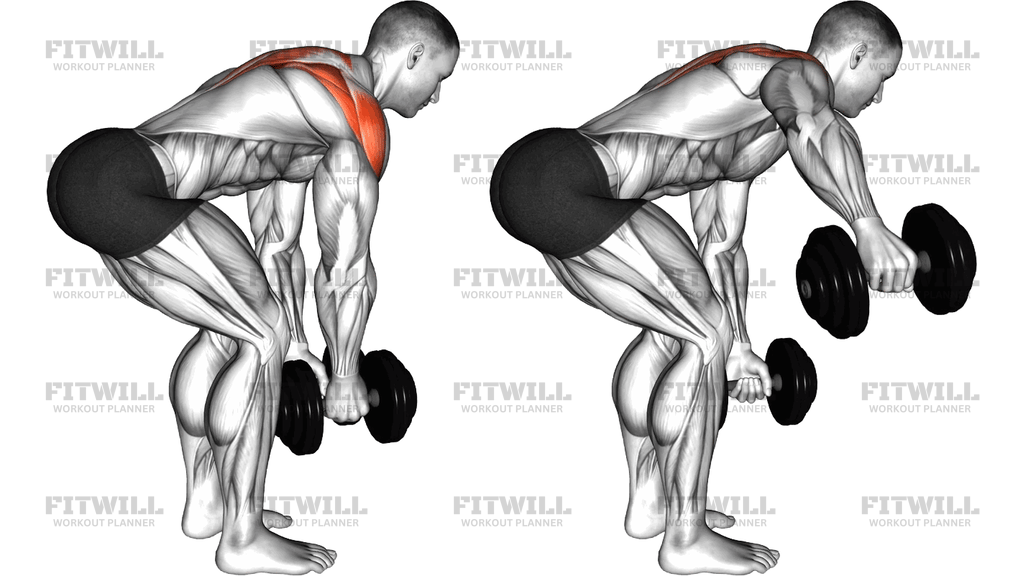
The position is what makes the exercise useful. A steady squat lowers your center of mass, keeps your torso organized, and forces the shoulder blades to do the work instead of momentum. When the rep is done well, the elbows travel back and slightly down, the chest stays tall, and the traps, rhomboids, lats, and biceps all contribute to a clean pull without the neck taking over.
Use a rung that lets you start with long arms and neutral wrists. From there, brace the midsection, keep the heels down, and pull until the upper back is tight and the chest is close to the bars. The return should be slow and deliberate so the shoulders can open back up under control rather than snapping forward at the end of each rep.
This movement works well as accessory upper-back training, as a warm-up for pulling sessions, or as a bodyweight option when you want tension without loading the spine heavily. It is especially useful for learning scapular control and for building volume with strict posture. If the shoulders feel pinched or the neck starts to shrug, raise the hand position, shorten the range, or reduce the effort until the row stays smooth and pain-free.
[ Workout Log & Planner ]
Put your next workout in Fitwill
Keep your plan and training log ready when you are.


Instructions
- Stand facing the wall bars with your feet about shoulder-width apart and sink into a comfortable quarter squat.
- Grip a rung around chest height with both hands, palms on the bar, and step far enough back to create tension through straight arms.
- Keep your heels flat, chest lifted, and ribs stacked over your pelvis before you start the pull.
- Brace your core and keep your shoulders down away from your ears.
- Pull your chest toward the bar by driving your elbows back and squeezing your shoulder blades together.
- Stop when the upper back is tight and your chest is close to the rung without letting your neck jut forward.
- Lower yourself slowly until your arms are straight and your shoulder blades can open slightly.
- Reset the squat, breathe, and repeat for the planned number of repetitions.
Tips & Tricks
- Pick a rung that lets your wrists stay neutral instead of bent back hard.
- Keep the squat depth consistent so every rep uses the same body angle.
- Think about driving the elbows behind the ribs, not just bending the arms.
- If the upper traps dominate, soften the shrug and keep the neck long.
- Move slowly on the way out; the lowering phase is where scapular control is built.
- Keep both heels planted so the row does not turn into a lean-and-sway drill.
- Use a smaller range if your low back arches to finish the rep.
- If your grip slips, raise the hand position before adding more reps.
- End the set when you can no longer keep the torso still.
Frequently Asked Questions
What muscle does Bodyweight Squatting Row target most?
It primarily trains the traps and upper back, with the lats, rhomboids, and biceps helping during the pull.
Is this the same as a regular row?
The pulling action is similar, but the held squat and fixed handhold make this more of a posture and scapular-control drill.
Where should I place my hands on the wall bars?
Use a rung that lets your arms start long and your shoulders stay relaxed, usually around chest height.
Should my knees stay bent the whole time?
Yes. Keep the squat angle steady so the movement comes from the shoulders and elbows instead of standing up and down.
What is the most common mistake?
Shrugging into the neck or leaning back to fake a bigger row usually reduces the work on the upper back.
Can beginners do this exercise?
Yes, if they use a higher hand position, a smaller range, and a controlled tempo.
How do I know if the rung is too low?
If you cannot keep your chest lifted and your wrists neutral, the hand position is probably too low.
What can I use instead of wall bars?
A sturdy fixed bar, suspension anchor, or similar stable handhold can work if it lets you keep the same squat-row pattern.