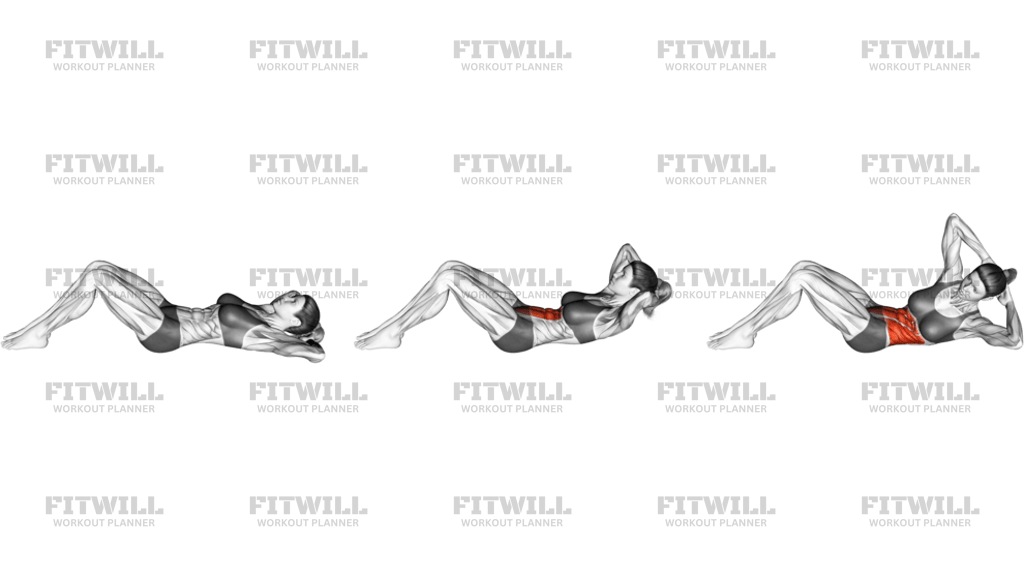
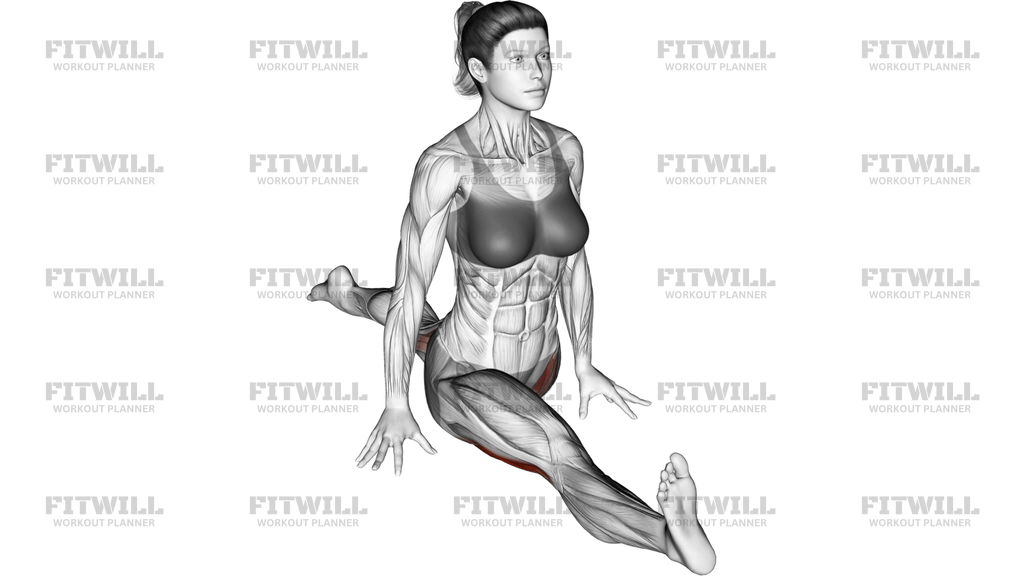
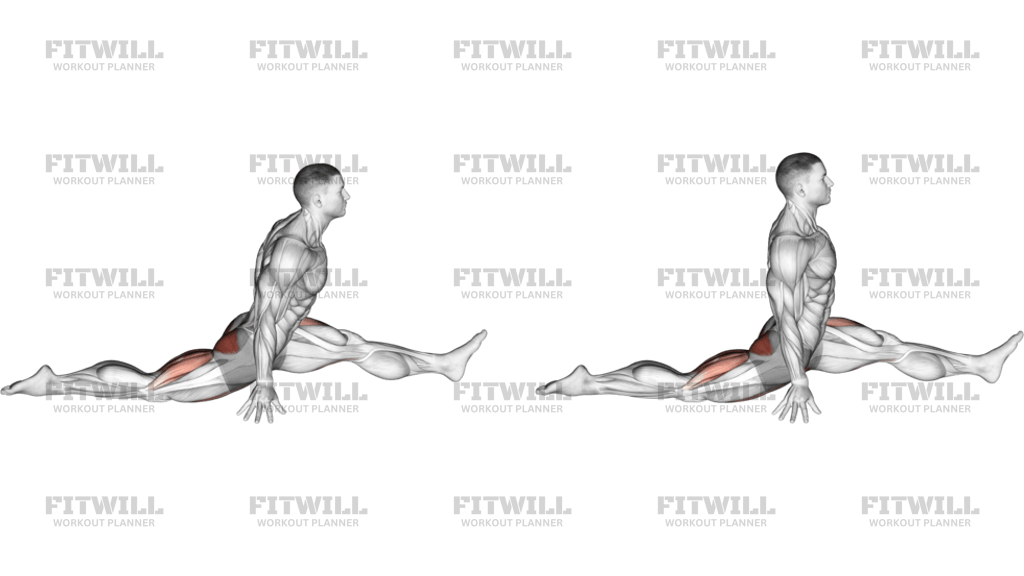
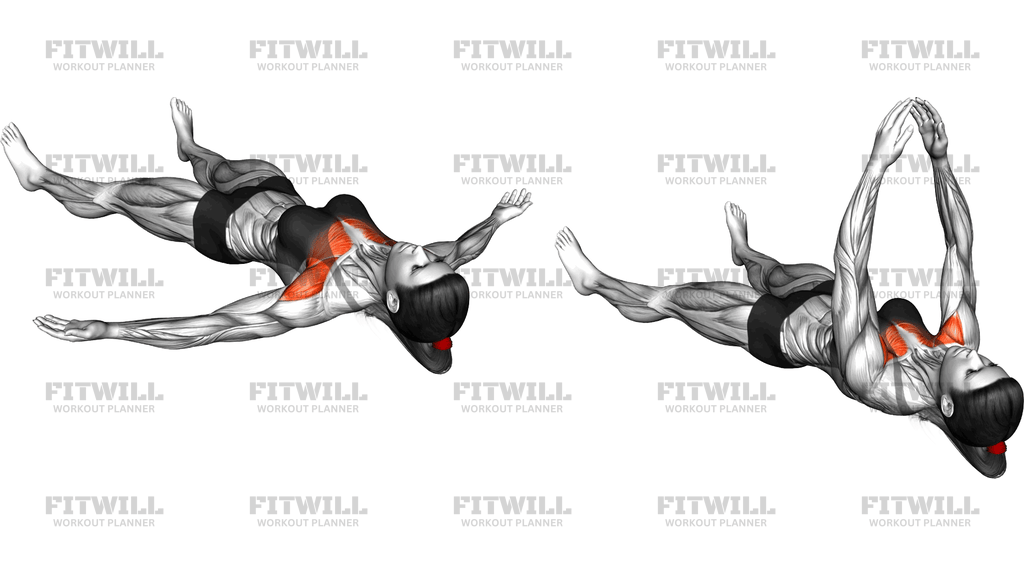
Lying Leg Tuck Hip Twist Stretch
Lying Leg Tuck Hip Twist Stretch is a floor-based mobility drill that opens the glutes, outer hip, and lower back while teaching you to control rotation through the pelvis. The setup is simple, but it matters: if the lower back arches, the shoulders lift, or the knee gets yanked across the body, the stretch turns into a sloppy twist instead of a useful reset.
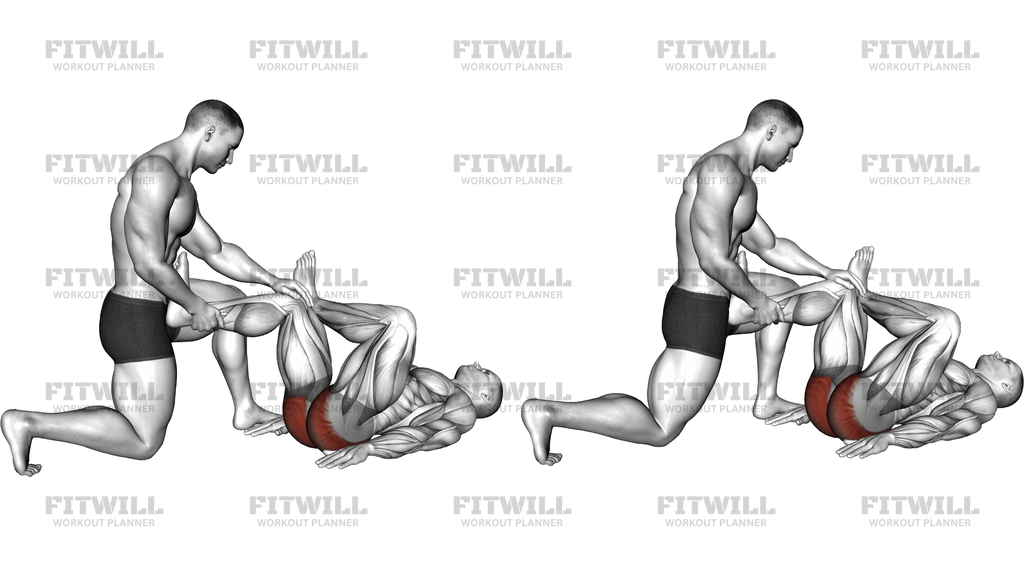
In the intended pattern, you lie on a mat, draw one leg in, and guide it across the body with slow control. The tucked leg creates the hip-flexion position, and the twist comes from the pelvis rotating while the upper body stays calm. That combination makes the stretch useful for people who sit a lot, train lower-body lifts, or need a low-intensity drill before work sets.
The goal is not to force the knee all the way to the floor. A better rep keeps the opposite shoulder heavy, the neck relaxed, and the exhale smooth so the hip can settle into the range you already own. When the movement is done well, you should feel length across the glute, side hip, and lower trunk rather than a sharp pinch in the front of the hip or lumbar spine.
Use it as part of a warm-up, cool-down, or mobility block when you want controlled rotation without loading the joints. It is especially helpful after squats, lunges, deadlifts, running, or long periods of sitting. Keep every rep slow, pause in the end position, and come back to center with the same control you used to enter the stretch.
[ Workout Log & Planner ]
Put your next workout in Fitwill
Keep your plan and training log ready when you are.


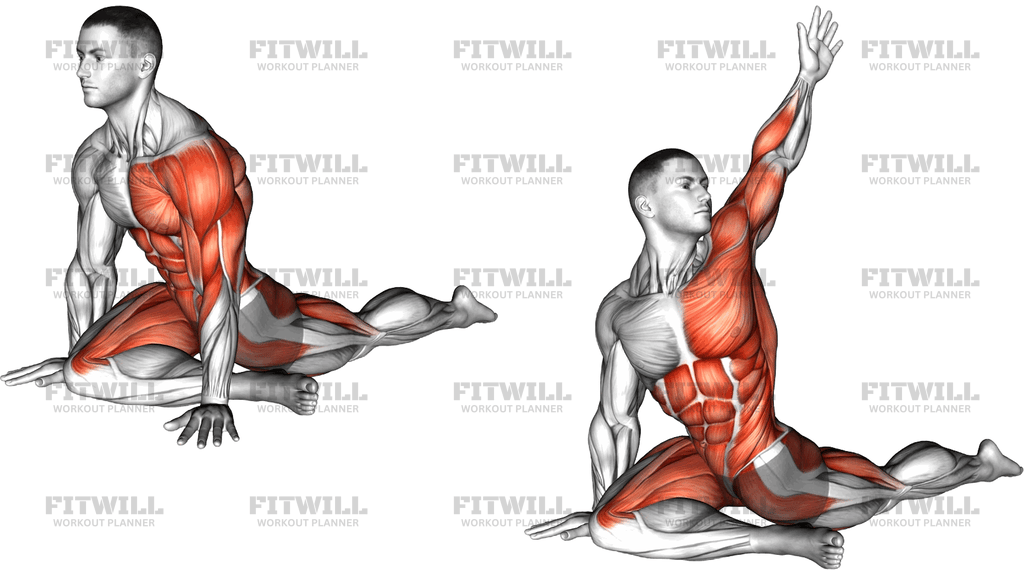
Instructions
- Lie on your back on an exercise mat with both legs long and your arms relaxed out to the sides for balance.
- Draw one knee toward your chest and keep the opposite leg relaxed and extended on the floor.
- Use the hand on the tucked-knee side to guide the knee gently across your body while the opposite shoulder stays anchored down.
- Let the hip and lower back rotate together as one unit instead of forcing the twist from the knee alone.
- Stop when you feel a strong but comfortable stretch through the outer hip, glute, or low back.
- Breathe out slowly and sink a little deeper only as your exhale lets tension drop.
- Hold the end position briefly, keeping the neck soft and the chest open toward the ceiling.
- Return the knee back to center with control, then repeat on the other side for balanced work.
Tips & Tricks
- Keep the opposite shoulder heavy on the mat; if it starts lifting, the twist is too aggressive.
- Do not yank the knee across the body. Guide it until the hips stop moving cleanly.
- If the lower back feels jammed, bring the knee in less and reduce the twist angle.
- A bent support leg can make the stretch easier if keeping the non-working leg straight pulls on your back.
- Think about rotating the pelvis, not just dropping the knee. That keeps the stretch centered in the hip and glute.
- Use a long exhale to let the thigh settle instead of bouncing into the end range.
- Keep the tucked thigh close enough to your torso that the stretch stays in the hip and not in the front of the groin.
- Move slowly when switching sides so the pelvis does not snap back to the floor.
- If you feel tingling, sharp pain, or joint pinching, come out of the stretch and shorten the range.
Frequently Asked Questions
What does the Lying Leg Tuck Hip Twist Stretch target?
It mainly stretches the glutes, outer hip, and lower back, with some opening through the obliques and hip rotators.
Should both shoulders stay on the floor?
Yes. Keeping the opposite shoulder grounded helps the stretch stay controlled and keeps the twist from becoming a full roll-over.
How far should the knee cross the body?
Only as far as you can go without the hip pinching or the lower back tightening hard. More range is not better if it is forced.
Can beginners do this stretch?
Yes. It is beginner-friendly as long as they move slowly and keep the twist small at first.
What is the biggest mistake with this movement?
Pulling the knee aggressively until the shoulder pops up or the lower back twists sharply is the most common problem.
Is it better to keep the other leg straight or bent?
Straight gives a stronger line through the body, but bending that leg slightly can reduce tension if your back feels too tight.
When should I use this exercise?
It works well before lower-body training, after long sitting periods, or at the end of a workout when you want to downshift and open the hips.
How long should I hold each side?
Hold for a few slow breaths or about 20 to 30 seconds, then switch sides if you are using it as a mobility hold.