Weighted Single Leg Lift
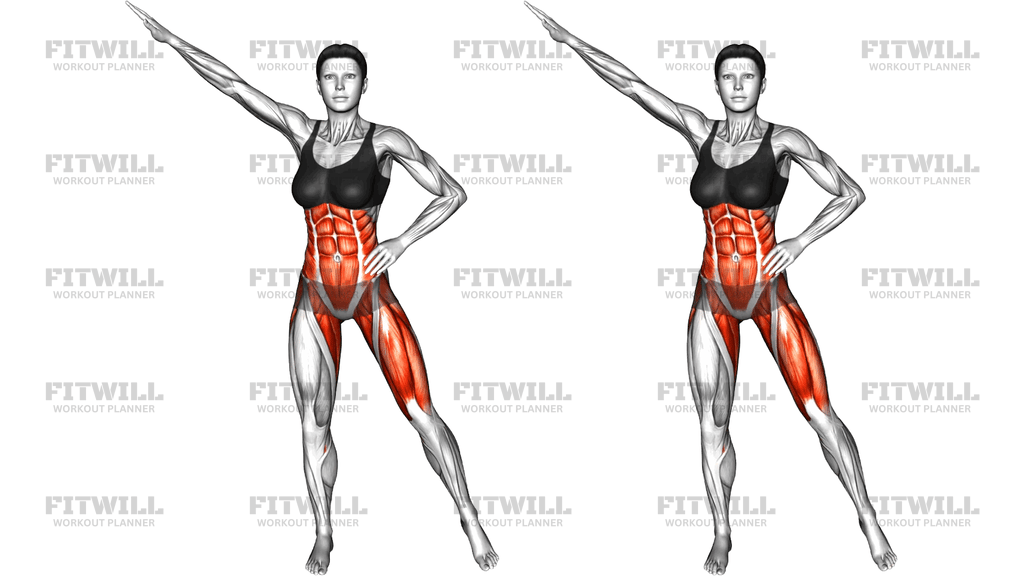
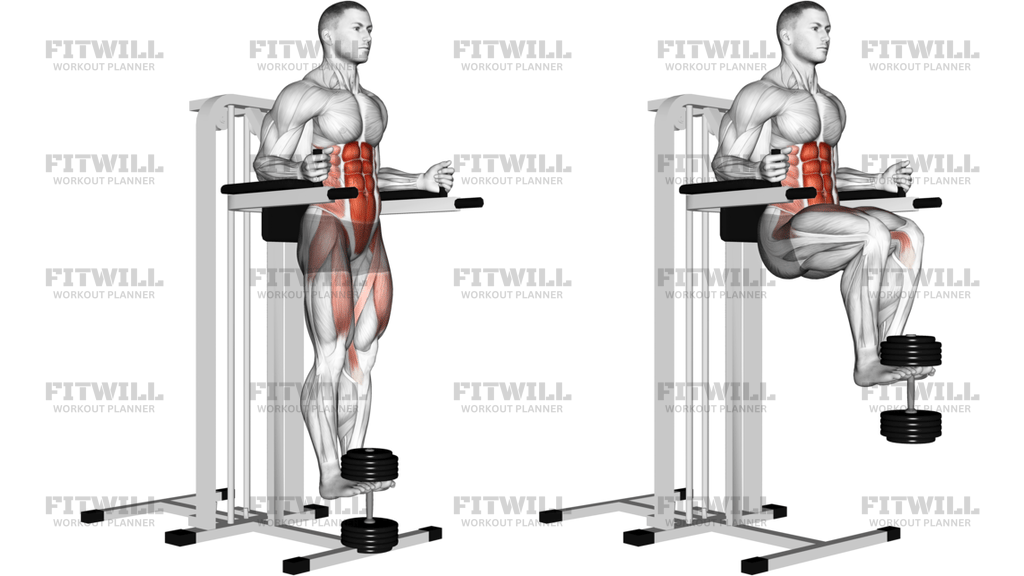
Weighted Single Leg Lift is a standing core-and-hip flexor exercise built around a controlled single-knee raise while you keep the rest of your body quiet. The added load makes the movement more demanding than a bodyweight knee lift, so the exercise becomes a test of balance, trunk control, and clean hip flexion rather than a race to get the knee higher.
The main training effect comes from the abs working with the obliques and deep core to stop the torso from twisting or leaning back as the knee comes up. The lifted leg also asks the hip flexors to drive the thigh forward, while the standing leg and glutes help you stay stacked over one foot. In anatomy terms, the exercise emphasizes the Rectus abdominis with support from the External obliques, Iliopsoas, and Transversus abdominis.
The setup matters because a small change in stance or hand position can turn this into a wobbling balance drill. Stand tall on one leg, keep the planted foot grounded, and hold the weight close to your midline so it does not pull your shoulders forward. A soft bend in the standing knee is useful, but the pelvis should stay level and the ribcage should stay stacked over the hips before you start the first lift.
Each repetition should look deliberate: lift the free knee toward the chest or hip height, pause long enough to feel control, then lower it without dropping the leg or swinging the torso. The movement should come from the hip, not from a jerk through the lower back or a hard lean from the upper body. If you cannot keep the load still while the knee rises, the weight is too heavy or the range is too large.
Weighted Single Leg Lift works well as an accessory core exercise, a warm-up drill for hip control, or a balance-focused finisher when you want the abs and hip flexors to work together. It is useful for beginners if the load is light and the range stays clean, and it is also effective for experienced lifters who need a stricter single-leg stability challenge. Keep the reps crisp, switch sides without rushing, and stop the set as soon as the standing hip starts to drift or the torso starts to rotate.
[ Workout Log & Planner ]
Put your next workout in Fitwill
Keep your plan and training log ready when you are.


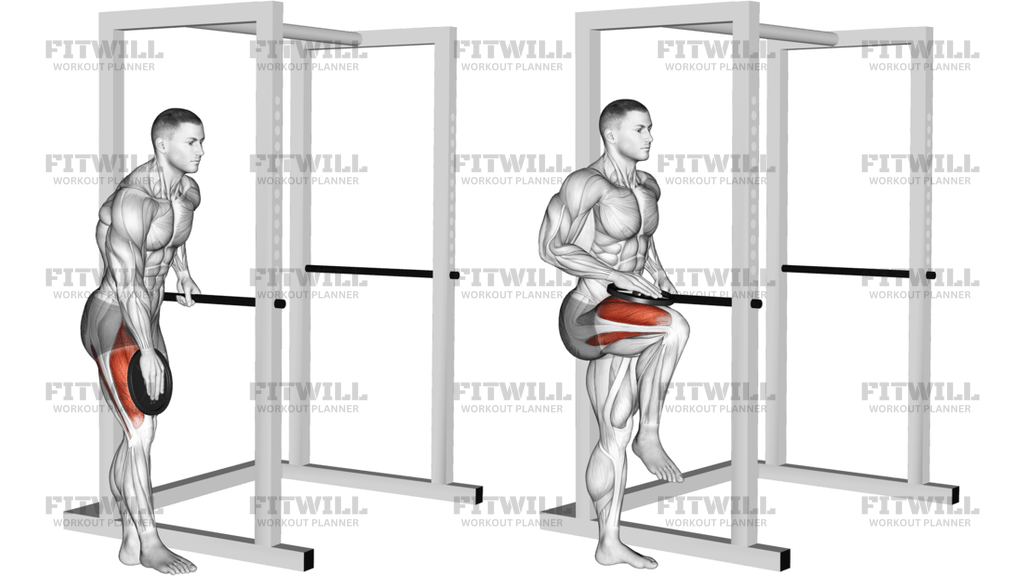
Instructions
- Stand tall on one leg and hold the weight close to your torso with both hands, keeping your shoulders level and your ribs stacked over your hips.
- Set the planted foot flat on the floor, soften the standing knee, and square your hips before the first rep.
- Brace your abs, keep your standing leg rooted, and let the free leg hang relaxed beside you.
- Drive the free knee upward toward your chest or hip height without leaning back or swinging the load.
- Keep the weight steady in front of your body so your shoulders do not rock or twist as the knee rises.
- Pause briefly at the top while the standing hip stays level and the lifted thigh is under control.
- Lower the leg slowly until the foot returns toward the floor with the same controlled path you used on the way up.
- Reset your balance, breathe, and repeat all reps on one side before switching legs.
Tips & Tricks
- Hold the weight close to your lower ribs or chest; letting it drift away from your body makes the torso sway and turns the lift into a balancing act.
- Keep the planted foot heavy through the heel, big toe, and little toe so the standing side does not collapse inward as the other knee comes up.
- A small forward torso lean is fine, but do not arch back to fake a higher knee position.
- Lift only as high as you can keep the pelvis level; a lower knee with clean control is better than a higher rep that twists your trunk.
- If the lifted hip flexor starts cramping, shorten the range and slow the lowering phase before adding more load.
- Use a light plate, dumbbell, or similar load first; heavy resistance usually breaks balance before it challenges the abs.
- Pause for a beat at the top to remove momentum, especially if the free leg wants to swing forward on its own.
- If balance is the limiting factor, hover a fingertip near a rack or wall instead of turning the exercise into a full support drill.
Frequently Asked Questions
What muscles does Weighted Single Leg Lift work?
It mainly trains the abs and deep core to stabilize the torso, with the obliques and hip flexors helping drive and control the knee lift.
Is Weighted Single Leg Lift more of an abs exercise or a hip flexor exercise?
It is both, but the abs do the bigger job of preventing sway and rotation while the lifted leg's hip flexors raise the knee.
How should I hold the weight during Weighted Single Leg Lift?
Keep the weight close to your torso with both hands so it stays centered over your standing foot instead of pulling you forward.
How high should I lift the knee?
Raise it only as high as you can without the standing hip dropping or the ribcage flaring back; hip height is enough for most people.
Can beginners do Weighted Single Leg Lift?
Yes, but start with very light resistance or bodyweight first and use a wall or rack for a light balance touch if needed.
Why do I feel Weighted Single Leg Lift in my lower back?
That usually means you are leaning back or letting the pelvis tip forward; lower the load and keep the ribs stacked over the hips.
What is the biggest mistake on this exercise?
Swinging the free leg and twisting the torso to cheat the knee upward, which removes tension from the abs and makes balance the limiter.
Can I use Weighted Single Leg Lift as a warm-up?
Yes, it works well as a warm-up drill if you keep the load light and the reps smooth, because it wakes up the core and hip flexors without much fatigue.