Dumbbell Kneeling Hold To Stand
Dumbbell Kneeling Hold To Stand is a controlled transition drill that links a kneeling base, an overhead dumbbell hold, and a smooth stand-up pattern. The exercise asks you to keep the weights stacked over the shoulders while the hips, glutes, core, and legs do the work of getting you from the floor to standing. It is less about explosive lifting and more about staying organized under load while your body changes levels.
That overhead position matters. When the dumbbells drift forward, the ribs flare, or the lower back takes over, the rep turns into a balance fight instead of a useful strength and stability drill. A clean repetition keeps the elbows extended, the shoulders active, and the torso tall as you move from both knees down into a half-kneeling stance and then up to standing. The body should rise as one connected unit rather than folding and lunging the way it wants to.
This movement is a strong fit for warmups, accessory work, and general athletic prep because it trains coordination, hip drive, and overhead control at the same time. It can also help identify side-to-side differences in kneeling balance, ankle mobility, hip extension, and overhead stability. If one side feels noticeably harder, that usually means the setup or load is exposing a control issue rather than just a strength limit.
Use a light to moderate load and keep each repetition deliberate. Start from a stable kneeling position, step one foot forward into a planted half-kneeling base, stand by driving through the front foot and rear toes, then reverse the path under control. If the shoulders lose position, the knees feel crowded, or the stand-up becomes a lunge with a backward lean, reduce the weight and shorten the set. The best reps look quiet, stacked, and repeatable from start to finish.
Fitwill
Log Workouts, Track Progress & Build Strength.
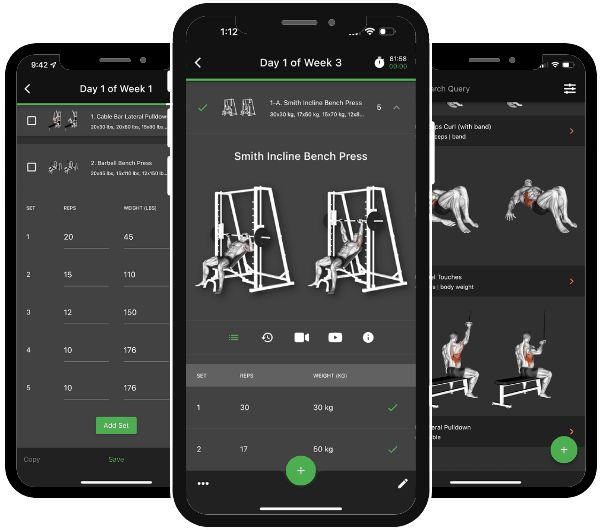
Achieve more with Fitwill: explore over 5000 exercises with images and videos, access built-in and custom workouts, perfect for both gym and home sessions, and see real results.
Start your journey. Download today!


Instructions
- Start on both knees with a dumbbell in each hand, arms locked out overhead, palms facing forward or slightly inward, and ribs stacked over the pelvis.
- Keep the dumbbells directly above the shoulders and set your gaze forward so the torso stays tall instead of leaning back.
- Step one foot forward into a half-kneeling position, planting the whole foot flat and keeping the back knee under the hip.
- Brace your midsection, squeeze the glute of the kneeling-side leg, and keep both arms vertical as you prepare to rise.
- Drive through the front foot and the back toes to stand, letting the hips and legs lift you without letting the weights drift forward.
- Finish tall with the dumbbells still stacked overhead, glutes lightly engaged, and shoulders active rather than shrugged.
- Lower back down by sending one leg to the floor first, returning to the half-kneeling position under control.
- Bring the second knee down to reset, then repeat for the planned number of reps on the same side or alternate sides if programmed.
Tips & Tricks
- Keep the dumbbells in line with the ears and shoulders; if they drift forward, the torso will usually arch to compensate.
- Think about standing up from the front heel and rear toes instead of yanking the body upright with the arms.
- A tall rib cage is the goal, not a flared chest; stacked ribs make the overhead hold much more stable.
- If one knee feels unstable on the floor, pad it well before you add load or volume.
- Move the front foot far enough forward that the shin can stay comfortable when you rise to standing.
- Choose a weight you can hold overhead without bending the elbows or shrugging hard at the top.
- Exhale as you drive from half-kneeling into standing so the trunk stays braced through the transition.
- If balance breaks down on the way down, lower the load before you practice more reps.
- Keep the descent just as deliberate as the stand-up so the set trains control, not momentum.
Frequently Asked Questions
What muscle does Dumbbell Kneeling Hold To Stand target most?
The biggest demand is on the shoulders and upper back for the overhead hold, while the hips, glutes, and core drive the kneeling-to-standing transition.
Can beginners perform this exercise?
Yes, but only with light dumbbells and a very controlled setup. Beginners should master the half-kneeling stand-up path before increasing load.
Do the dumbbells stay overhead the whole time?
Yes. The goal is to keep them stacked over the shoulders from the kneeling start through the stand and back down to the floor.
What is the most common mistake in the half-kneeling position?
Letting the ribs flare and the lower back arch. That usually means the weight is too heavy or the torso is no longer stacked.
Should I alternate sides or do all reps on one side first?
Either can work, but many people do a full set on one side first so they can keep the setup consistent and compare both sides cleanly.
Is this more of a strength exercise or a mobility drill?
It sits in the middle. You need enough strength to stand up cleanly, but the drill also tests hip mobility, balance, and overhead control.
What should I do if my balance feels shaky on the way up?
Reduce the load, widen the front-foot placement slightly, and slow the transition so the feet and hips can organize before you stand.
What should the reset look like at the bottom?
Lower back to half-kneeling first, then place the second knee down without dropping the dumbbells or losing the overhead stack.