Barbell Bent-Over Wide Row Plus
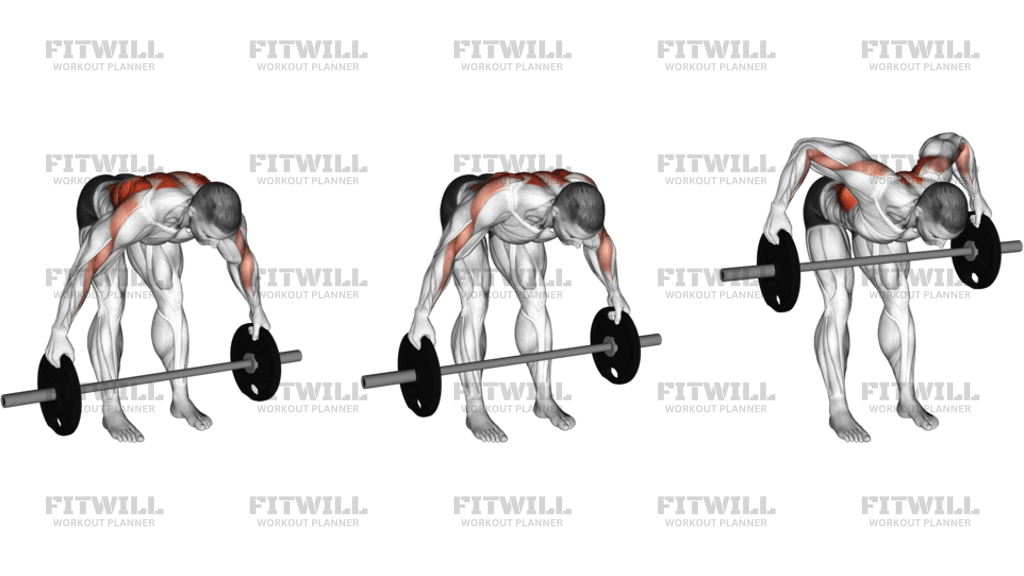
Barbell Bent-Over Wide Row Plus is a bent-over pulling exercise that places a strong emphasis on the upper back while still training the lats, rear shoulders, biceps, and grip. The wide overhand grip changes the pull angle compared with a close row, so the elbows travel out from the torso and the bar finishes higher on the body, usually around the upper abdomen or lower chest. That makes the exercise especially useful when you want more upper-back engagement and less of the tucked-elbow lat emphasis that comes with narrower rows.
The setup matters because the hinge position is doing as much work as the arms. A solid bent-over stance keeps the torso locked in place, the spine neutral, and the bar path consistent from rep to rep. When the hips, ribs, and shoulders stay organized, the row becomes a clean strength movement instead of a swing driven by lower-back extension or leg bounce.
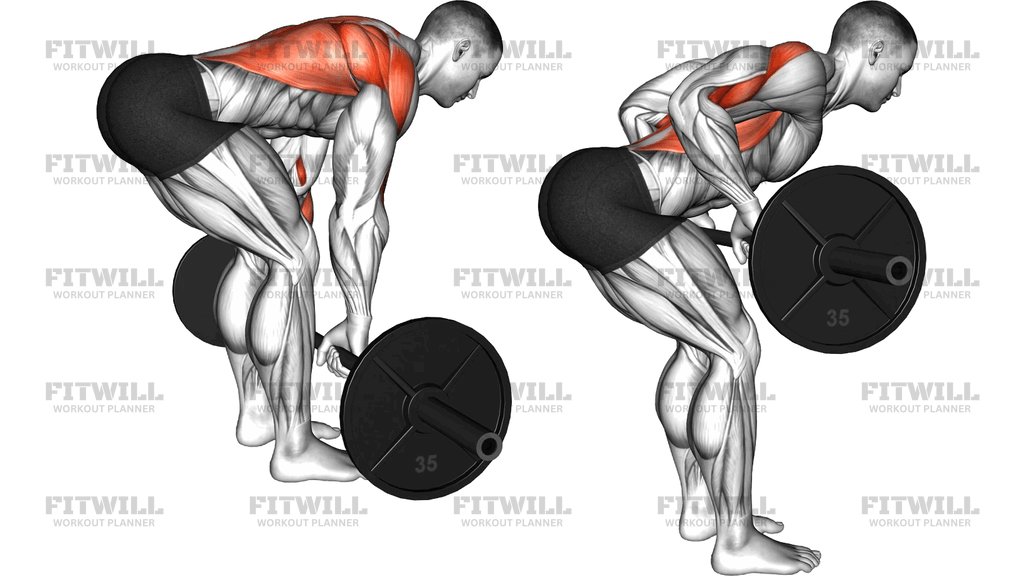
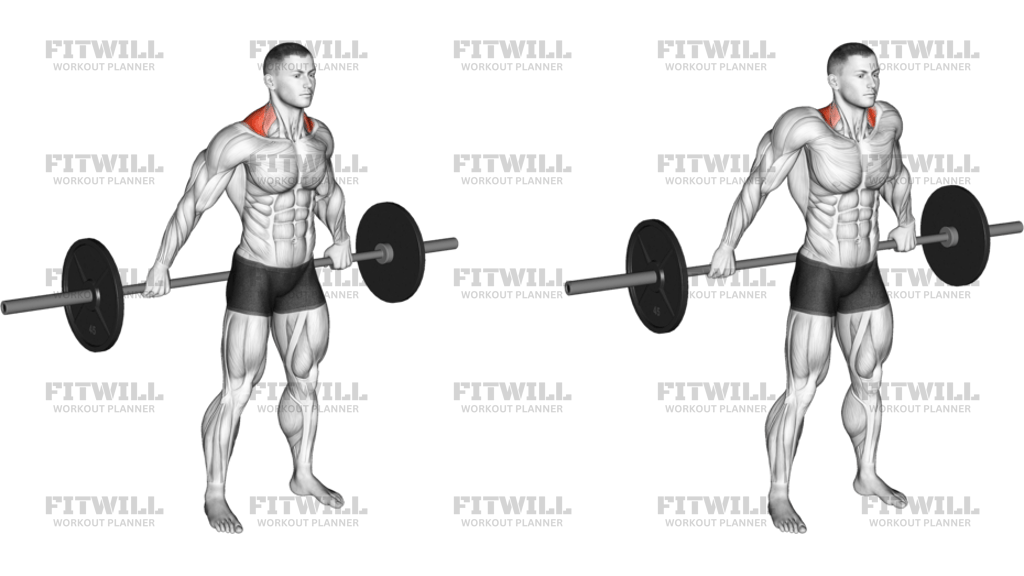
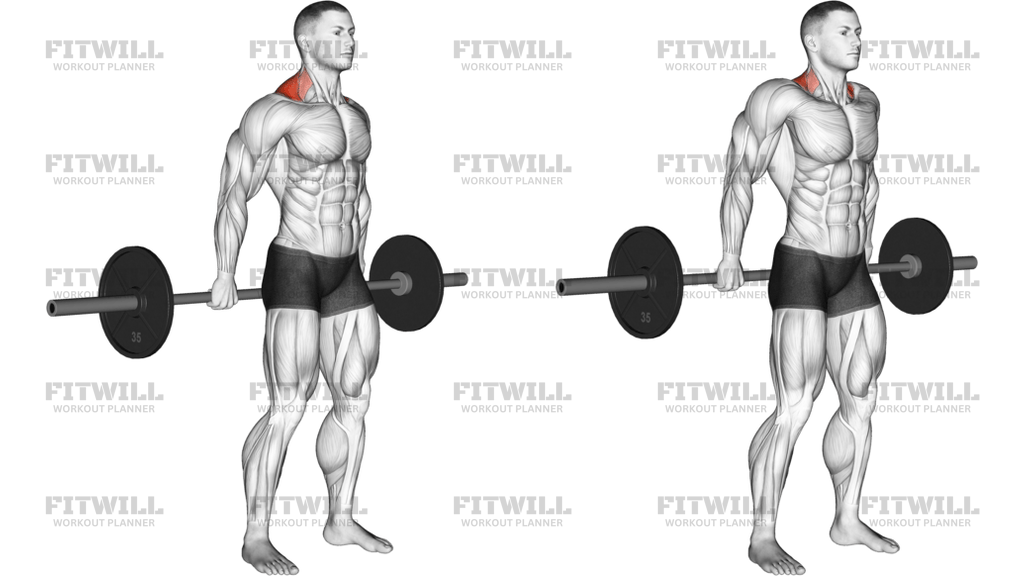
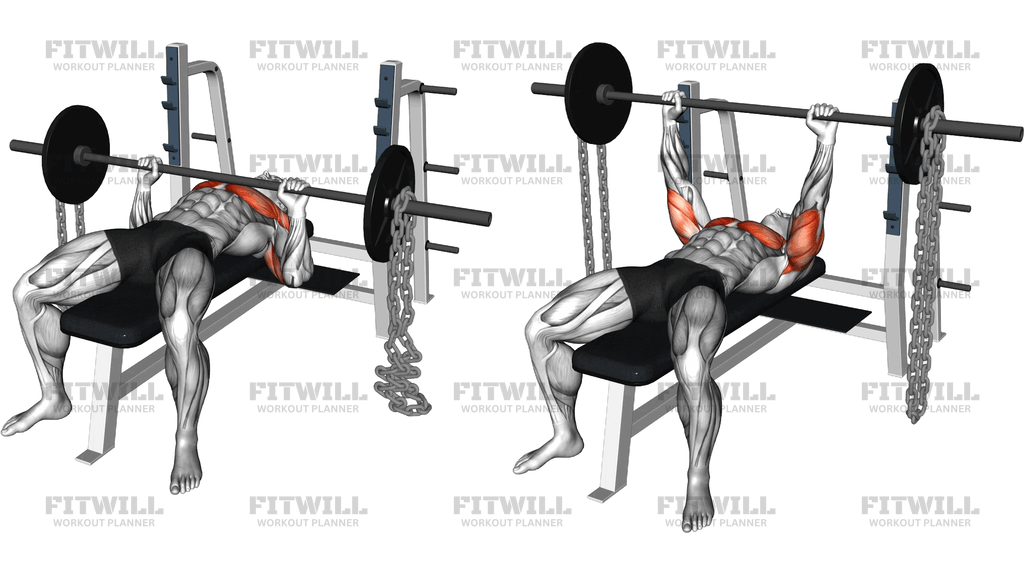
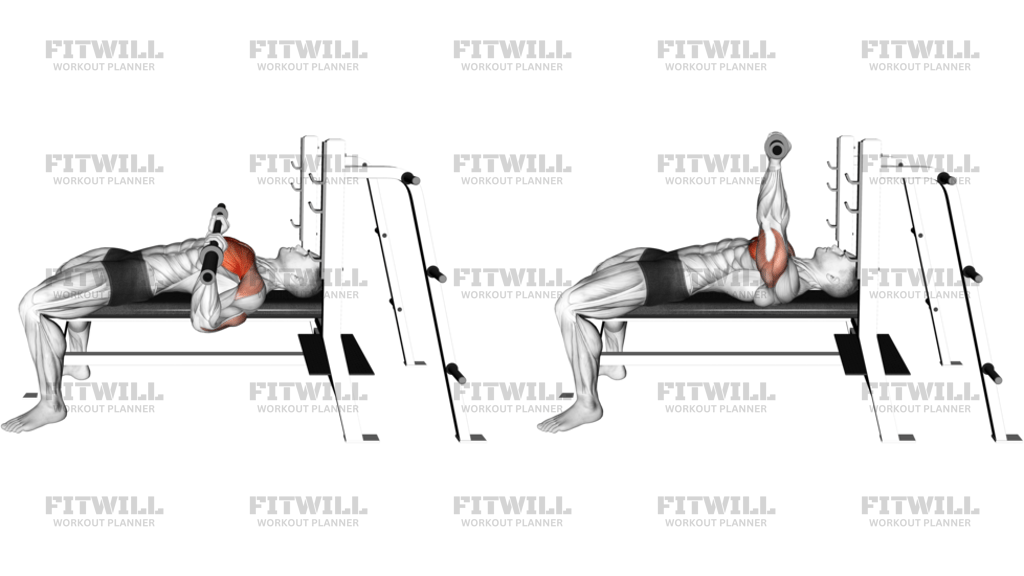
In the image, the lifter is bent forward with soft knees, the torso angled down, and the bar hanging beneath the shoulders before being pulled toward the body. The elbows flare outward as the bar rises, which is the key cue for this variation. That elbow path shifts tension into the mid traps, rhomboids, rear delts, and upper back while the lats and arms still contribute to the pull.
For best results, drive the elbows up and back without shrugging the shoulders toward the ears or turning the row into a hip thrust. Keep the neck long, brace the trunk before each rep, and lower the bar under control until the arms are fully extended and the shoulders stay packed. The goal is a repeatable hinge and a clean pull, not maximum load. If the torso starts rising as the bar gets heavier, the set is too heavy for this version of the row.
This exercise fits well in back-focused strength work, hypertrophy sessions, or accessory pulling blocks after heavier hinges or presses. It is also a practical choice when you want to train pulling strength with a barbell while keeping the movement simple and equipment-efficient. Use strict technique, a controlled tempo, and a load that lets every rep look nearly identical.
[ Workout Log & Planner ]
Put your next workout in Fitwill
Keep your plan and training log ready when you are.


Instructions
- Stand with your feet about hip-width apart and hinge forward until your torso is close to parallel with the floor.
- Grip the bar with an overhand hold that is wider than shoulder width and let it hang just below your shoulders.
- Keep a soft bend in your knees, your chest proud, and your spine neutral before the first pull.
- Brace your trunk, then pull the bar toward your upper abdomen or lower chest by driving your elbows out and back.
- Squeeze your shoulder blades together at the top without jerking your torso upward.
- Lower the bar under control until your arms are straight again and your shoulders stay set.
- Keep your neck neutral and your weight balanced through the mid-foot and heels throughout the set.
- Exhale as you row and inhale as you lower, repeating each rep with the same hinge angle.
Tips & Tricks
- If the plates drift forward at the bottom, reset the bar closer to your shins so the pull starts from a more stable line.
- Use a grip that is wide enough to flare the elbows, but not so wide that your wrists collapse outward.
- Keep the bar brushing close to the body on the way up; letting it drift away increases lower-back stress.
- Stop the rep when the torso starts to rise, because that usually means the load is too heavy for a strict bent-over row.
- Think about pulling the elbows back rather than curling the bar with the hands.
- A brief squeeze at the top helps upper-back engagement, but do not turn it into a long hold if your lower back starts to fatigue.
- Keep the knees soft and unlocked so the hinge can stay fixed without stiffening the legs.
- If you feel the rear shoulders doing most of the work, reduce the weight and make the bar path smoother.
Frequently Asked Questions
What does the wide grip change in Barbell Bent-Over Wide Row Plus?
The wider overhand grip flares the elbows and shifts more work to the upper back, rear delts, and mid-back muscles.
What muscles are working hardest in this row?
The upper back and lats do most of the work, with the rear shoulders, biceps, and forearms assisting.
Where should the bar touch or finish at the top?
In this variation, the bar usually finishes around the upper abdomen or lower chest, not low on the waist like a tucked-elbow row.
Should my torso move during each repetition?
The torso should stay nearly fixed in the hinge; if it keeps rising and falling, the row is turning into a cheat rep.
Is this a good exercise for beginners?
Yes, if the hinge is controlled and the load is kept light enough to avoid back rounding or body swing.
What is the most common mistake with this bar path?
Letting the bar drift far from the body or yanking it with the lower back instead of pulling with the elbows.
How should I breathe during the set?
Brace before the pull, exhale as the bar comes up, and inhale as you lower it back to the hang.
Why would I choose this row instead of a close-grip barbell row?
Choose it when you want a wider elbow path and more upper-back emphasis rather than a closer lat-dominant pull.