Tiger Tail Peroneal
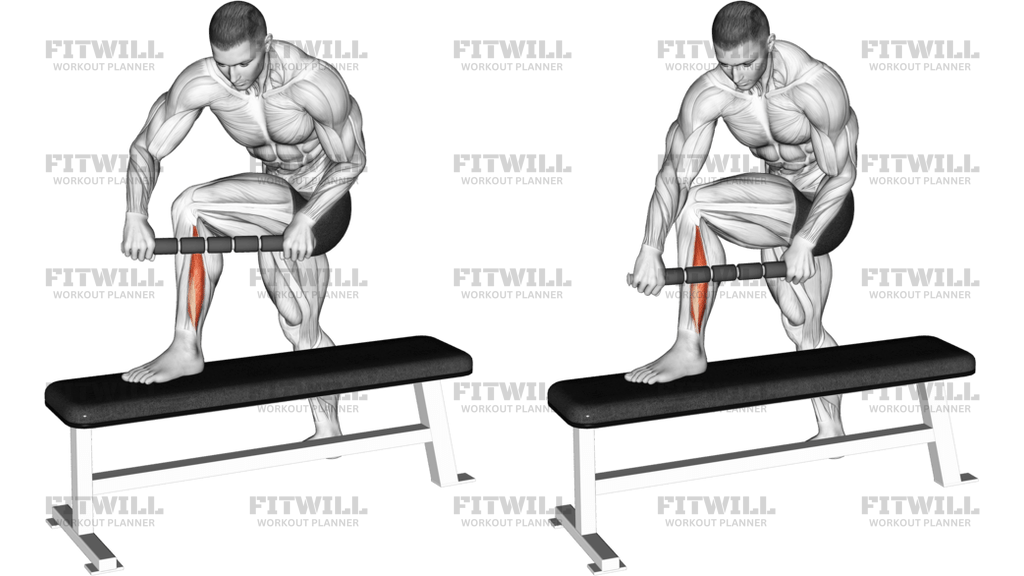
Tiger Tail Peroneal is a handheld soft-tissue release for the outer lower leg, especially the peroneal muscles along the outside of the shin. One foot is usually supported on a bench so you can expose the working leg, lean into the massage stick, and apply controlled pressure without having to contort the ankle or hip. The goal is not to force a hard stretch; it is to calm down tissue tension, improve local circulation, and make the ankle and lower leg feel freer for walking, running, jumping, or calf work.
The setup matters because the target area is narrow. If the stick drifts onto the tibia, the ankle bone, or the front of the shin, the pressure quickly becomes sharp instead of useful. The clean version keeps the tool on the muscle belly on the outer side of the lower leg, with the knee bent and the foot relaxed so the peroneals can be rolled rather than braced.
During the movement, you control the pressure with your body weight and the angle of the stick. Glide slowly from just below the outside of the knee toward the upper ankle, then reverse direction and rescan the same strip of tissue. Short pauses on tender spots are normal, but the sensation should stay tolerable and should never create numbness, tingling, or joint pain. Smooth breathing helps the tissue relax and keeps you from pressing too aggressively.
Tiger Tail Peroneal is useful before lower-body training, after running, or any time the outside of the lower leg feels overworked or stiff. It can also pair well with ankle mobility work if the ankle feels blocked by calf and peroneal tension. The best results come from patient, repeatable passes rather than hard grinding, and from staying on the muscle instead of chasing pain on the bone or around the ankle joint.
[ Workout Log & Planner ]
Put your next workout in Fitwill
Keep your plan and training log ready when you are.


Instructions
- Sit or stand beside a bench and place one foot on top so the lower leg is easy to reach.
- Hold the Tiger Tail with both hands and place the roller across the outer lower leg, just below the knee and away from the shin bone.
- Relax the ankle and keep the toes mostly forward so the peroneal muscles stay exposed.
- Lean your body weight into the stick until you feel firm pressure on the muscle belly, not sharp pressure on bone.
- Roll slowly down the outside of the shin toward the upper ankle, keeping the tool on the fleshy part of the leg.
- Pause for a few breaths on any tender spot, then keep moving in small, controlled passes.
- Reverse direction and work back up the same line to rescan the tissue from ankle to knee.
- Keep the pressure comfortable and repeat for the planned time, then step off the bench carefully.
Tips & Tricks
- Keep the roller on the outer calf, not on the sharp edge of the tibia or the ankle bone.
- Start with light body weight first; the peroneals respond better to steady pressure than to aggressive grinding.
- A slightly turned-in foot can make the outer lower-leg tissue easier to reach.
- Move slowly enough that you can feel changes in texture instead of just sliding over the skin.
- If the pressure feels pinchy near the ankle, shorten the stroke and stay higher on the muscle belly.
- Pause on a tender spot for a few calm breaths rather than forcing the stick harder.
- Keep the knee bent and the lower leg supported so you are not fighting balance while you work.
- Stop if you get numbness, tingling, or pain that feels like it is inside the joint rather than in the muscle.
Frequently Asked Questions
What does Tiger Tail Peroneal work?
It targets the peroneal muscles on the outside of the lower leg, which help control ankle position and foot stability.
Why is one foot placed on a bench?
The bench elevates the lower leg so you can reach the outer shin more easily and control pressure with the Tiger Tail.
Should I roll the front of the shin too?
No. Stay on the muscle along the outer lower leg and avoid pressing directly on the tibia.
How much pressure should I use on the Tiger Tail?
Use enough pressure to feel a firm release, but not so much that you create sharp pain, numbness, or joint irritation.
Can I do this before running or leg training?
Yes. It is often useful as a short warm-up release for tight outer calves before movement that demands ankle mobility.
Is this the same as foam rolling the calf?
It is similar, but the handheld stick gives more precise pressure on the peroneals than a broad foam roller.
What if the outer ankle feels sensitive?
Shorten the stroke and stay higher on the muscle belly; do not dig into the ankle joint or the bony area around it.
How long should I spend on each leg?
Usually a brief pass of 30 to 90 seconds per side is enough, depending on how tight the area feels.