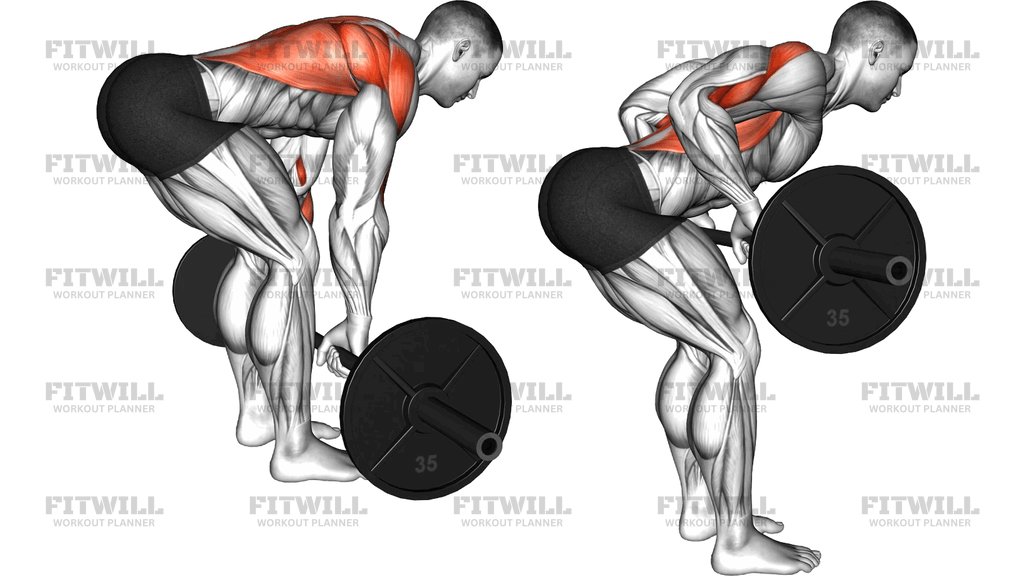
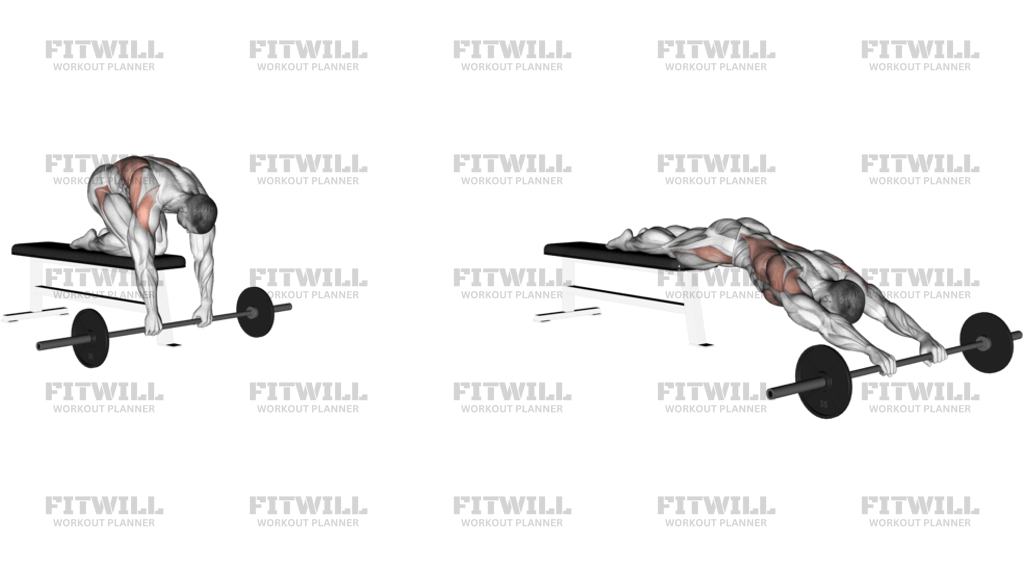
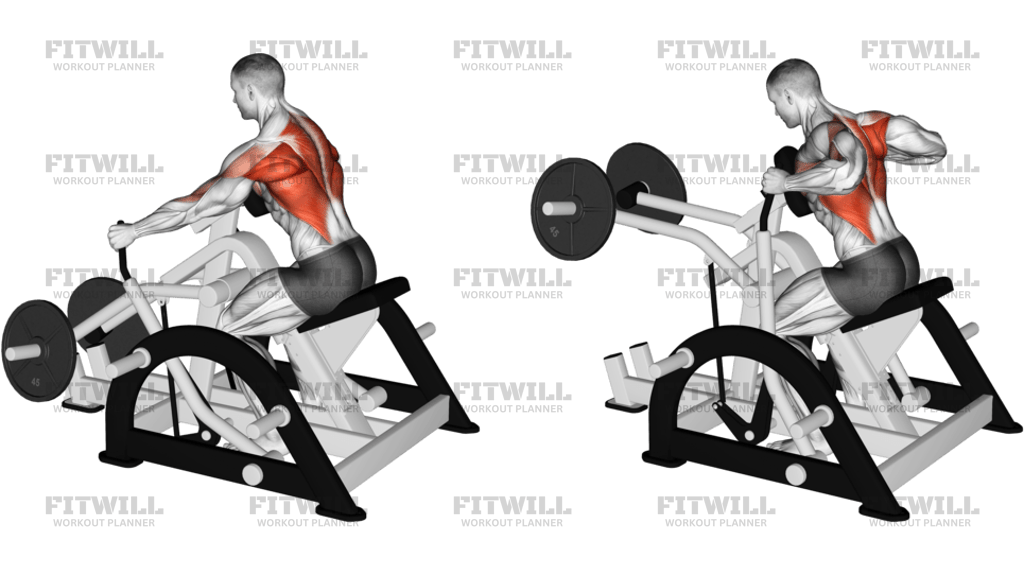
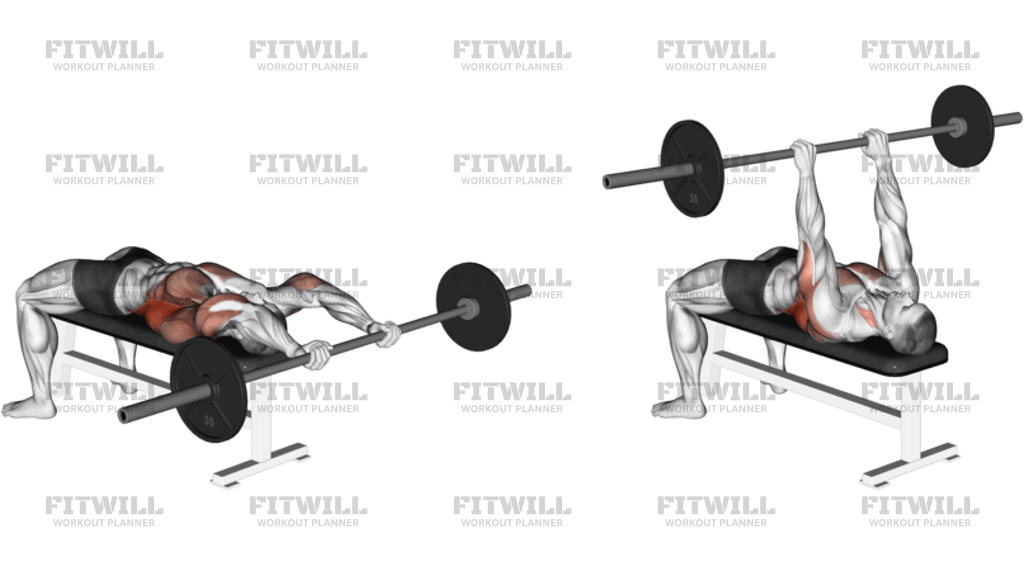
Barbell Lying Close-Grip Overhand Row On Rack
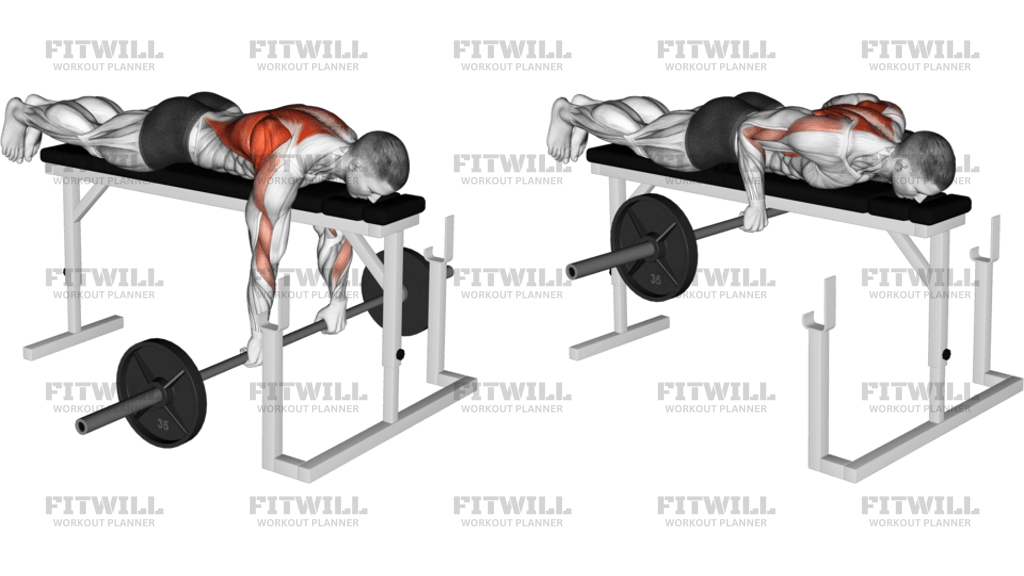
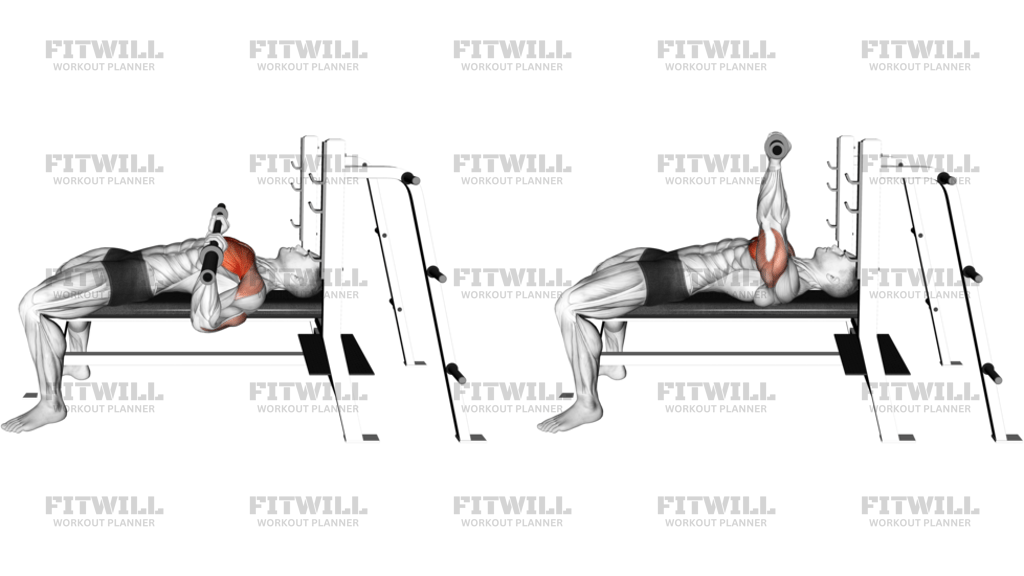
Barbell Lying Close-Grip Overhand Row On Rack is a horizontal pulling exercise built around a strict row from a fixed rack position. The close overhand grip keeps the elbows tucked closer to the torso and shifts the work toward the lats, upper back, and arm flexors while the body stays pinned and organized. It is a useful option when you want a rowing pattern that rewards tension and control instead of leg drive or torso swing.
The main training effect comes from the combination of scapular retraction and shoulder extension. The lats do the heavy lifting, while the rhomboids, mid traps, rear delts, biceps, and forearms help finish the pull and keep the bar path clean. In anatomy terms, the primary mover is the Latissimus dorsi, with support from Rhomboids, Biceps brachii, and Forearm flexors. Because the torso is fixed, the exercise is especially good for learning how to pull with the back instead of yanking with momentum.
Setup matters more here than it does in a loose free-standing row. Set the bar in the rack at a height that lets you reach it with straight arms while keeping your ribs down and your shoulders out of your ears. Lie into position so your torso stays solid, set a close overhand grip, and feel your feet or body support before the first rep starts. If the bar is too high, you will shrug and shorten the pull; if it is too low, you will lose the line of force and turn the movement into a sloppy reach.
Each repetition should start from a controlled stretch, then flow into a strong pull toward the lower chest or upper ribs. Drive the elbows back, keep the wrists stacked, and finish by squeezing the shoulder blades without letting the shoulders roll forward. Lower the bar slowly until the arms are straight again and the back stays set. Breathe out as you pull and reset your brace on the way down so the next rep begins from the same position.
This exercise fits well in a back-focused session, an accessory block for pressing balance, or any program that needs more upper-back volume without loading the lower back heavily. It is useful for athletes and lifters who need cleaner scapular control, but it still demands respect for shoulder position and bar height. Keep the movement strict, use a load you can row without jerking, and stop the set when the torso or neck starts helping more than the back.
[ Workout Log & Planner ]
Put your next workout in Fitwill
Keep your plan and training log ready when you are.


Instructions
- Set the bar in the rack at a height that lets you reach it with straight arms while lying in position.
- Lie into the setup with a close overhand grip and align your body so your torso stays fixed.
- Keep your ribs down, neck long, and shoulders away from your ears before you start the first pull.
- Pull the bar toward your lower chest or upper ribs by driving your elbows back.
- Squeeze your shoulder blades together briefly at the top without shrugging.
- Lower the bar under control until your arms are straight and your back stays set.
- Breathe out as you row up, then inhale and reset your brace on the way down.
- Repeat for the planned number of repetitions without losing the strict body position.
Tips & Tricks
- Choose a rack height that lets the bar start from a full arm reach without forcing your shoulders to shrug.
- Keep the grip close enough that the elbows track near your sides instead of flaring wide.
- Think about pulling the bar to the lower chest, not to the chin or throat.
- Pause for a beat at the top so the upper back finishes the rep instead of momentum carrying it through.
- Do not let the ribs pop up or the lower back arch to fake extra range.
- Use a controlled descent so the lats stay loaded as the arms straighten.
- If your neck tightens, reset with a longer neck and eyes down rather than craning forward.
- Reduce the load if you cannot keep the bar path smooth from the first rep to the last.
Frequently Asked Questions
What muscle does Barbell Lying Close-Grip Overhand Row On Rack target most?
The lats are the main target, with the rhomboids, mid traps, biceps, and forearms helping finish the pull.
Why use a close overhand grip on the bar?
The close overhand grip helps keep the elbows near the torso and emphasizes a stricter back-dominant pull.
Where should the bar touch at the top of the row?
Aim for the lower chest or upper ribs, not the neck or upper sternum.
How high should the bar be set in the rack?
Set it high enough to reach with straight arms, but low enough that you can keep your shoulders down and avoid a shrugged start.
Can beginners do this exercise safely?
Yes, if the load is light and the rack height lets them keep a stable torso and smooth bar path.
What is the biggest form mistake in this row?
Shrugging the shoulders or using body swing instead of pulling the bar with the back.
Should I pause at the top of each repetition?
A short pause is useful because it makes the upper-back squeeze honest and keeps the rep from turning into a bounce.
What should I do if the bar feels too awkward to row?
Lower the load and adjust the rack height before chasing more reps; the setup should let you row in a straight, controlled line.