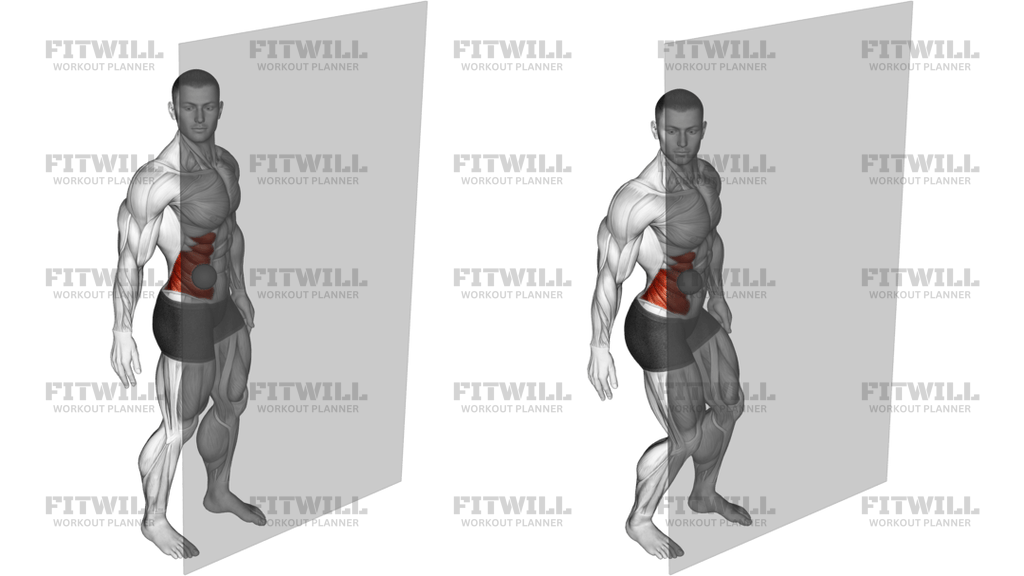
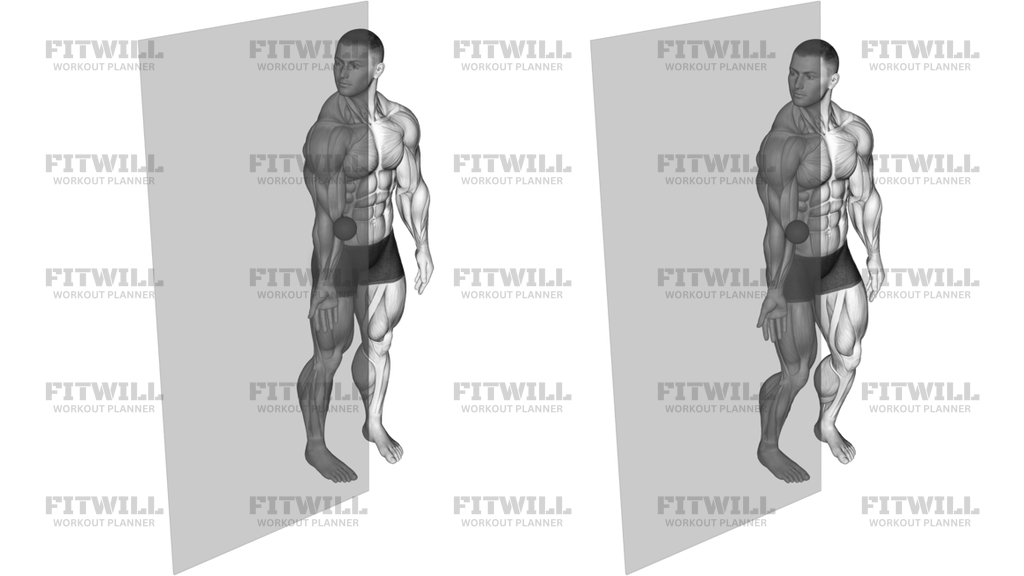
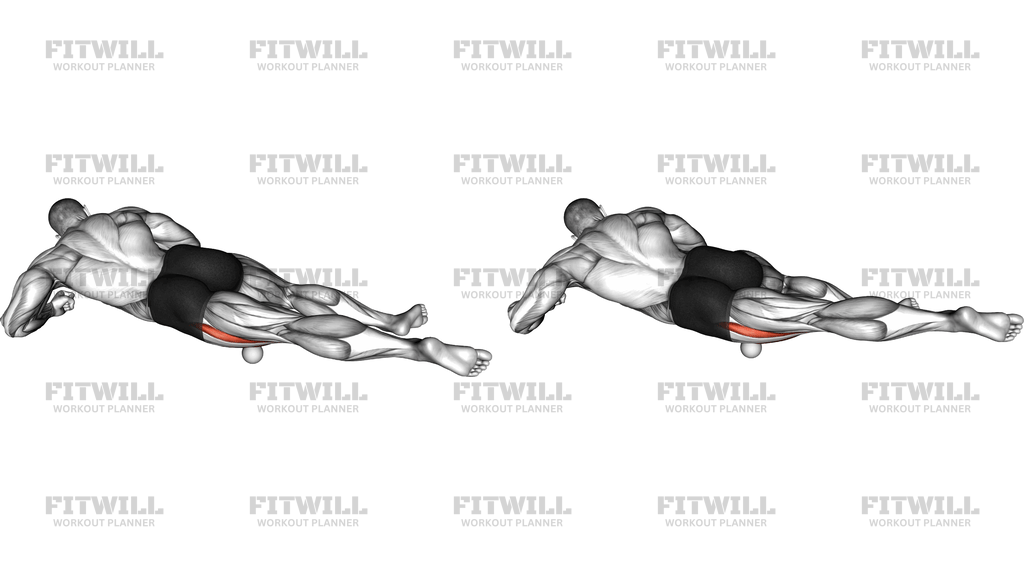
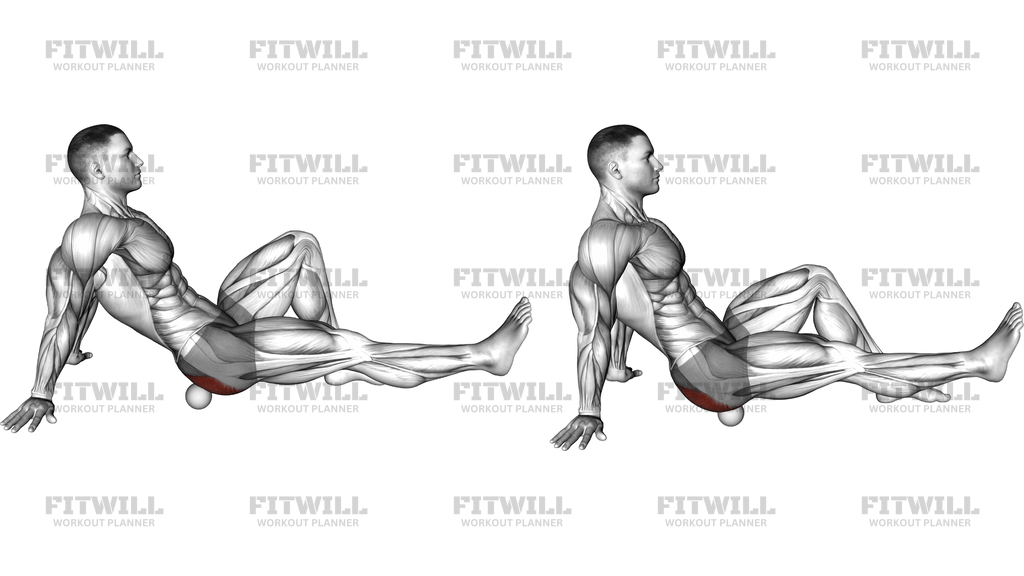
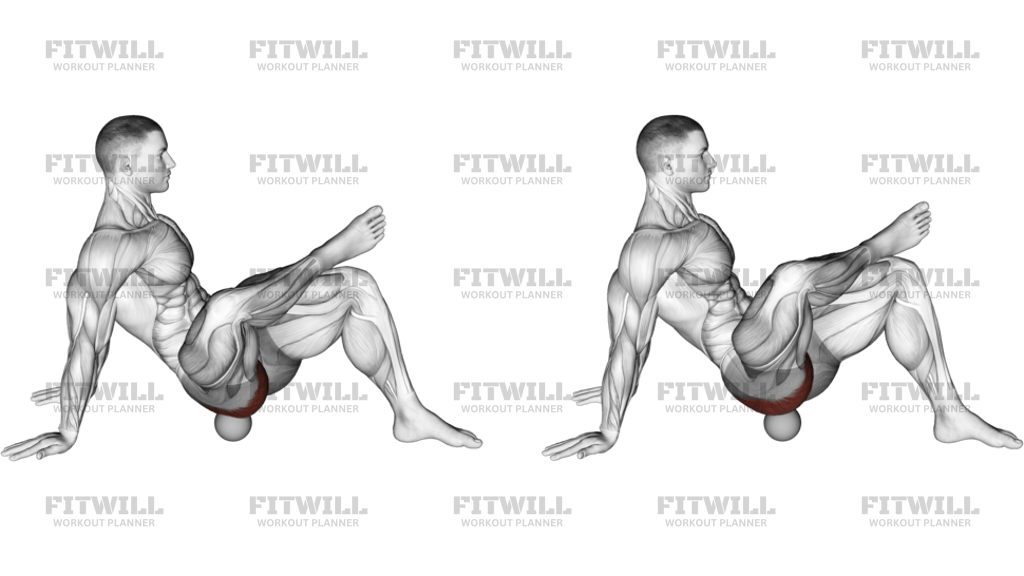
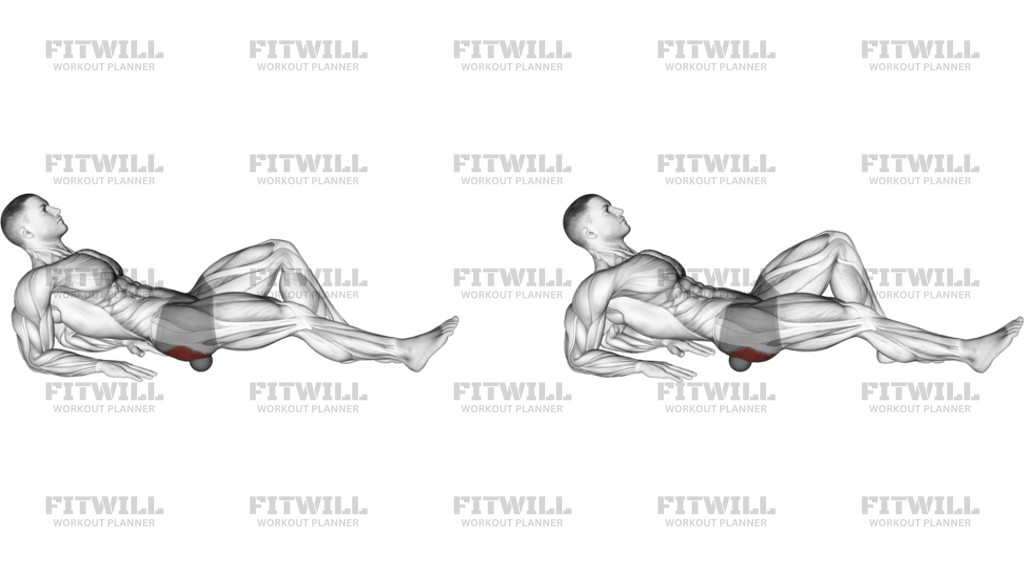
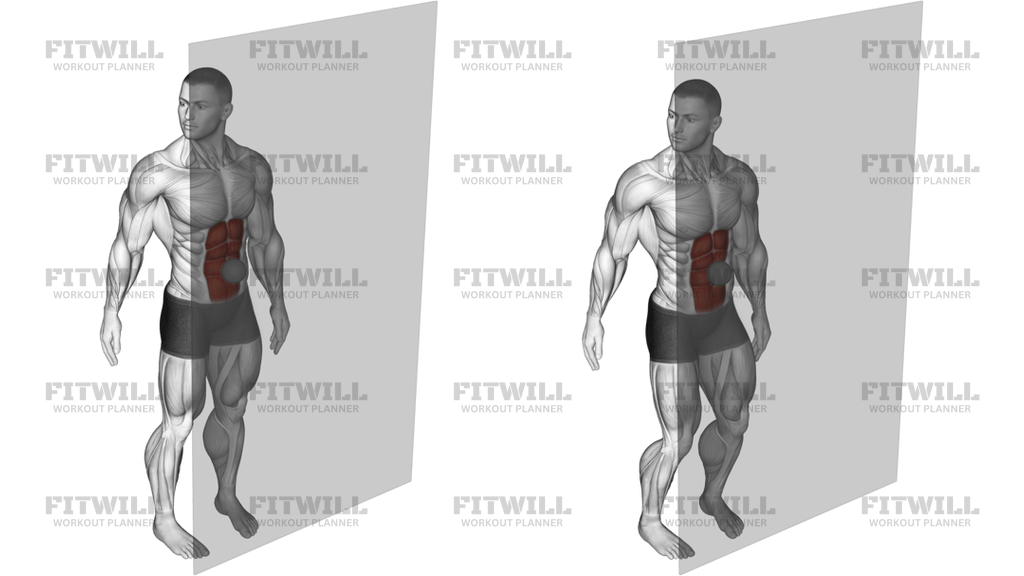
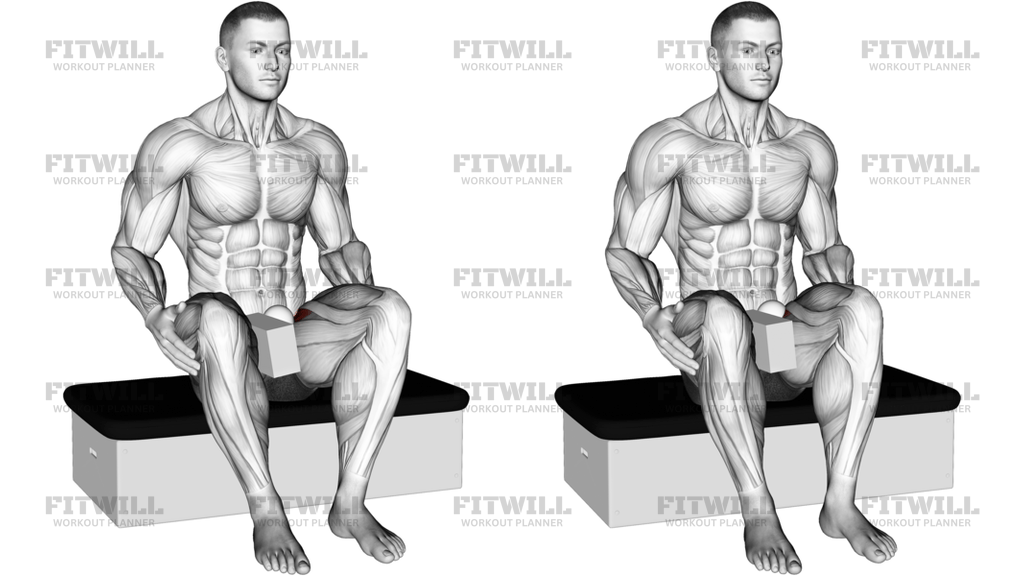
Roll Ball Peroneus
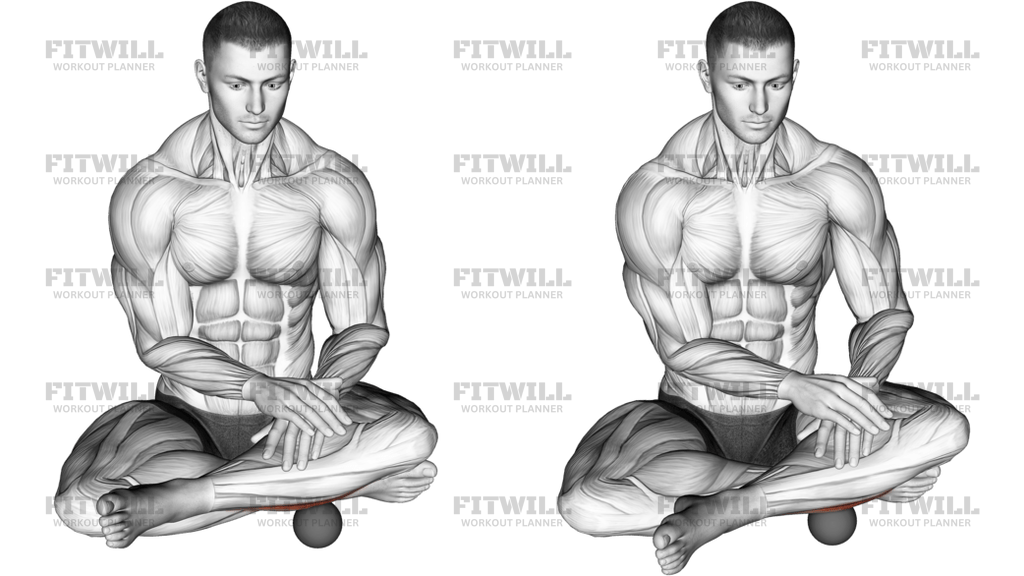
Roll Ball Peroneus is a seated self-massage drill for the outer lower leg, especially the peroneal muscles along the outside of the calf. The rollball lets you apply targeted pressure to a hard-to-reach area that often gets tight from walking, running, cutting, or ankle-dominant training. The goal is not to force a dramatic stretch; it is to create steady, tolerable pressure so the tissue can relax and the ankle can move more freely.
The exercise matters because the peroneal line helps control foot stability and side-to-side balance at the ankle. When the outside of the lower leg is overworked or stiff, people often feel it during lateral movement, after long standing periods, or when the ankle feels restricted in dorsiflexion and eversion. Working this area with a ball can be a practical warm-up or recovery tool before lower-body sessions, field work, or mobility work.
The setup should keep you supported so you can control pressure instead of collapsing onto the ball. Sit on the floor with the rollball under the outer lower leg, then use your hands and the other leg for balance. Keep the pressure on the soft tissue of the peroneals, not directly on the ankle bone or the bony ridge of the fibula near the knee. Small shifts in body weight are usually enough; you do not need to grind aggressively to get a useful effect.
During the movement, roll slowly along the outer calf and pause on tender spots for a few breaths. Let the ankle stay relaxed while you make short, controlled passes over the muscle belly. If the pressure is too sharp, adjust by taking weight off the ball, moving a little higher or lower on the lower leg, or switching to a softer ball. The best result comes from calm breathing, small adjustments, and a pressure level you can stay on for several seconds without guarding.
Use Roll Ball Peroneus when you want to reduce local tightness, improve comfort around the outside of the shin and ankle, or prepare the lower leg for more demanding movement. It works well on its own or as part of a broader lower-leg recovery sequence that includes calf and foot work. If you have acute swelling, a recent sprain, or sharp pain around the ankle, skip the drill and address the issue before applying direct pressure.
Fitwill
Log Workouts, Track Progress & Build Strength.
Achieve more with Fitwill: explore over 9600 exercises with images and videos, access built-in and custom workouts, perfect for both gym and home sessions, and see real results.
Start your journey. Download today!




Instructions
- Sit on the floor and place the rollball under the outer side of one lower leg, with the other leg and your hands available to support your balance.
- Shift your weight onto the ball until you feel firm pressure in the peroneal muscles, not a sharp hit on the ankle bone or the bony edge below the knee.
- Keep your torso tall enough to control the pressure instead of collapsing into the ball.
- Roll a few inches up and down the outer calf with short, slow passes.
- When you find a tender spot, stop there and breathe for several slow breaths.
- Use your hands and opposite leg to reduce pressure if the tissue feels too intense.
- Move the ball slightly higher or lower to cover the full outer lower-leg line.
- Repeat the same pattern on the other leg if both sides need work.
Tips & Tricks
- Aim the ball at the soft tissue on the outside of the calf, not the ankle joint or the fibular head near the knee.
- A little body-weight shift is usually enough; aggressive pressure often makes the area guard instead of release.
- Keep the passes short so you can actually stay on the peroneal line instead of sliding across it too quickly.
- If the ball feels too hard, use a softer ball or place more of your body weight on your hands.
- Breathe out while you settle onto a tender spot, then keep the jaw and shoulders relaxed.
- If the foot or ankle starts tingling or going numb, reduce pressure and move off the spot.
- The best spots are usually on the fleshy outer calf, not directly on bone or tendon.
- Stop well before sharp pain; this drill should feel intense but manageable, not stabbing.
Frequently Asked Questions
What does Roll Ball Peroneus target?
It targets the peroneal muscles on the outside of the lower leg, especially the outer calf tissue that helps control ankle stability.
Where should the ball sit on my leg?
Place it on the soft outer calf, not on the ankle bone and not on the hard bony ridge just below the knee.
Is this a stretch or a massage drill?
It is mainly a self-massage or trigger-point style release drill, though it can make the ankle feel looser afterward.
How much pressure should I use with the rollball?
Use enough pressure to feel the tissue, but keep it tolerable and controlled so you can breathe normally.
Can I roll all the way up to the knee?
You can work the outer calf close to the knee, but avoid pressing directly on the bony fibular head.
Why does this area get tight?
The peroneals often work hard during walking, running, cutting, uneven terrain, and ankle stabilization, so they can feel overused and stiff.
Can beginners do this exercise?
Yes. Beginners usually do best with light pressure, short passes, and a softer ball until they learn the right intensity.
When should I skip Roll Ball Peroneus?
Skip it if you have sharp ankle pain, a recent sprain, obvious swelling, or numbness that gets worse with pressure.