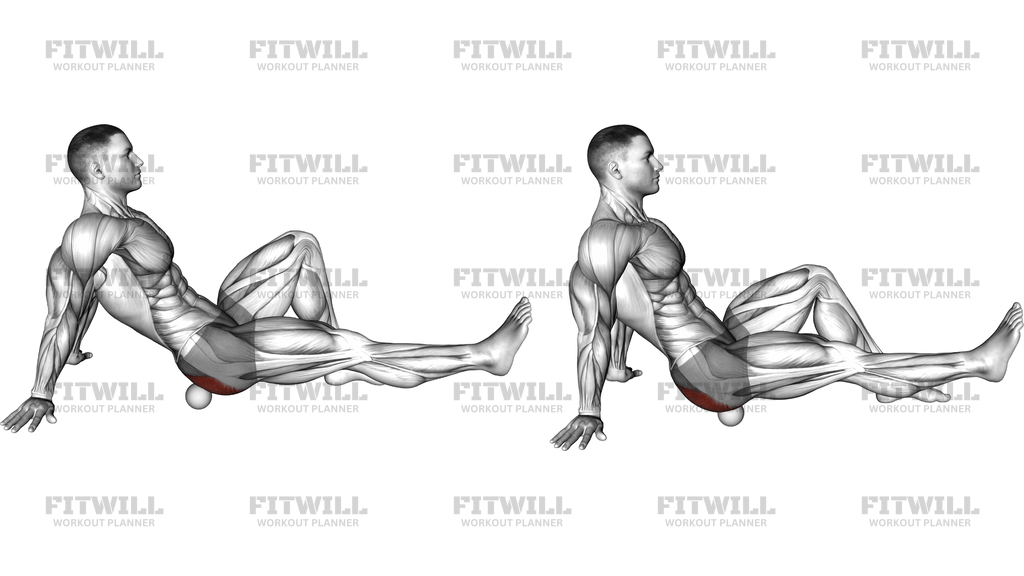
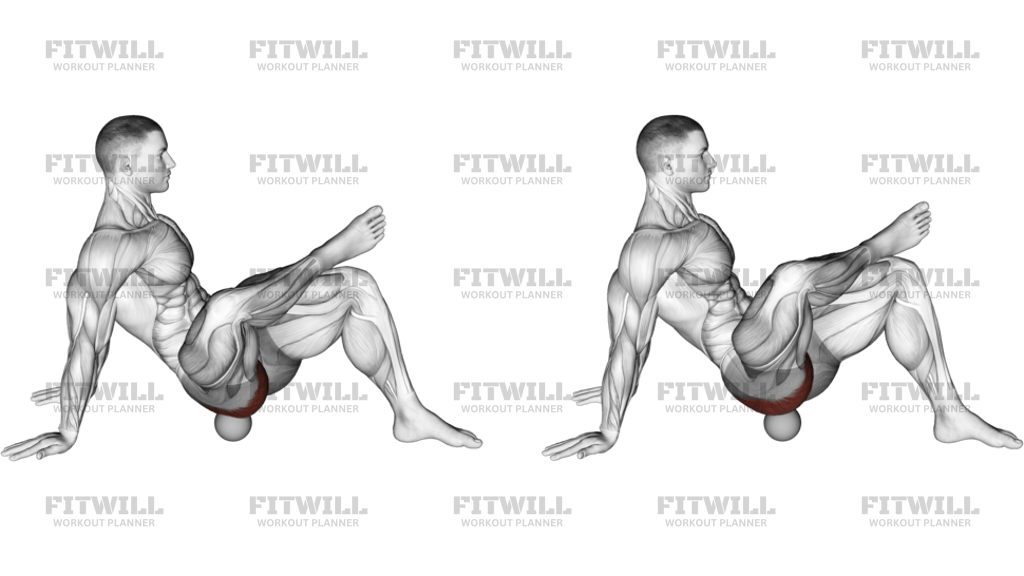
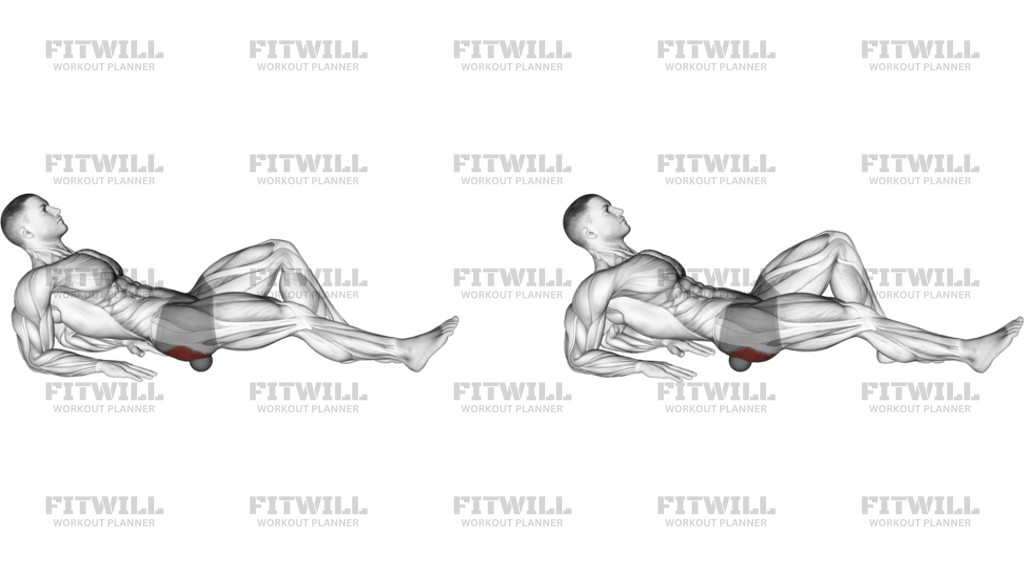
Roll Ball Scapula Levator Version 2
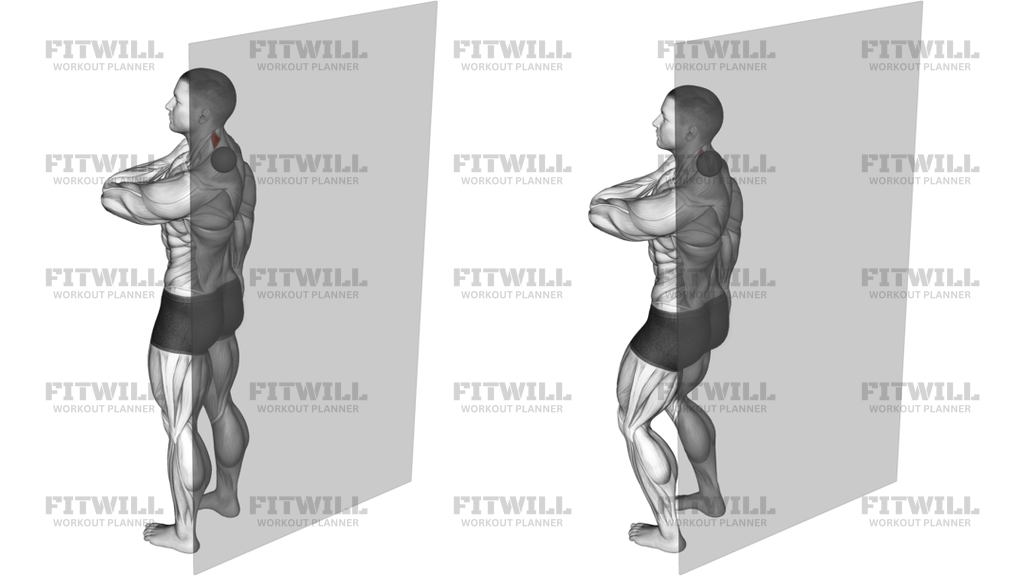
Roll Ball Scapula Levator Version 2 is a wall-assisted release and mobility drill for the side of the neck and upper shoulder. It is aimed at the levator scapulae area with help from the upper trapezius and the small stabilizers around the shoulder blade, so the work feels local rather than like a full-body effort. The rollball gives you a focused contact point, while your stance and head position determine whether the pressure stays useful or turns into a neck pinch.
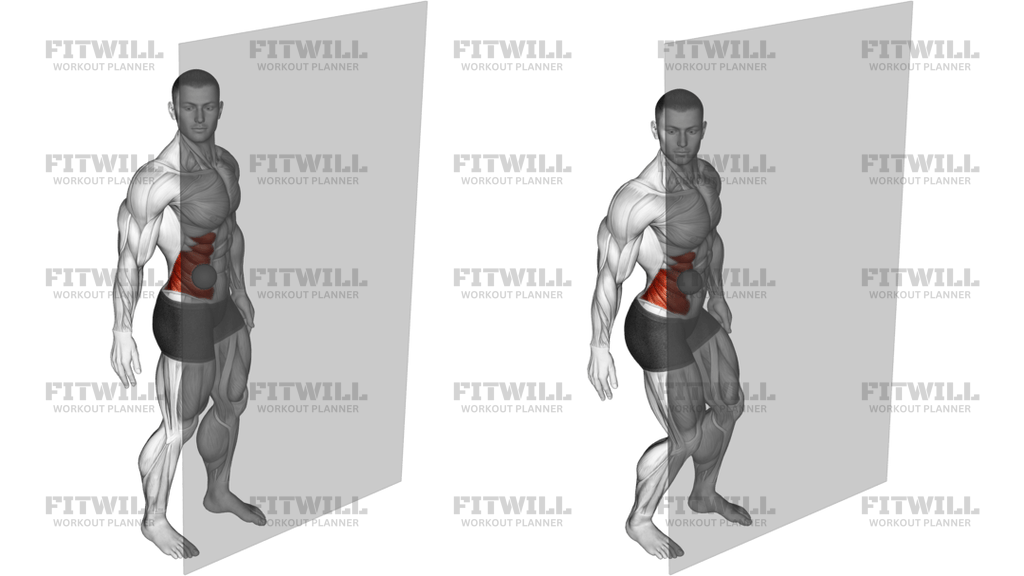
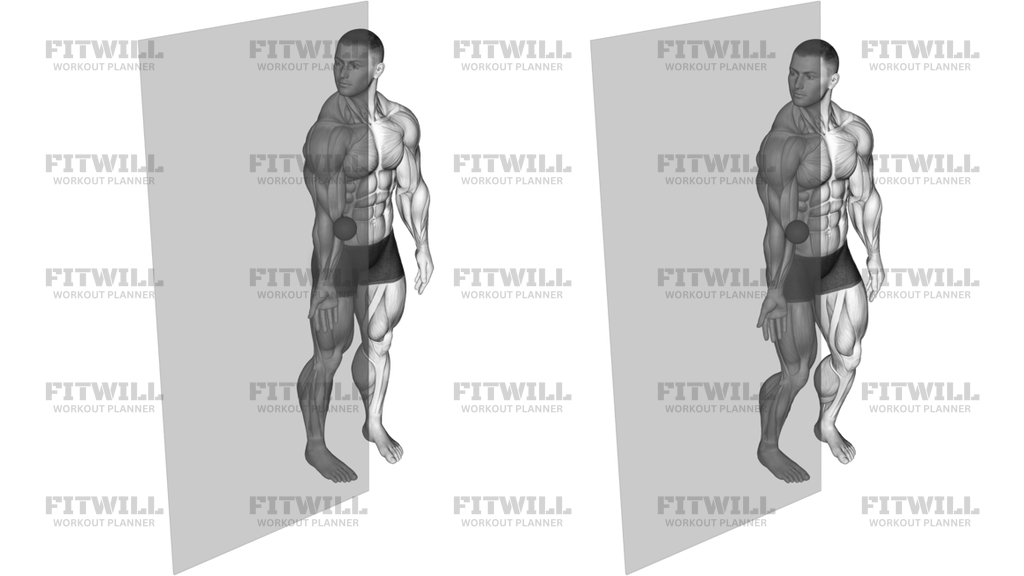
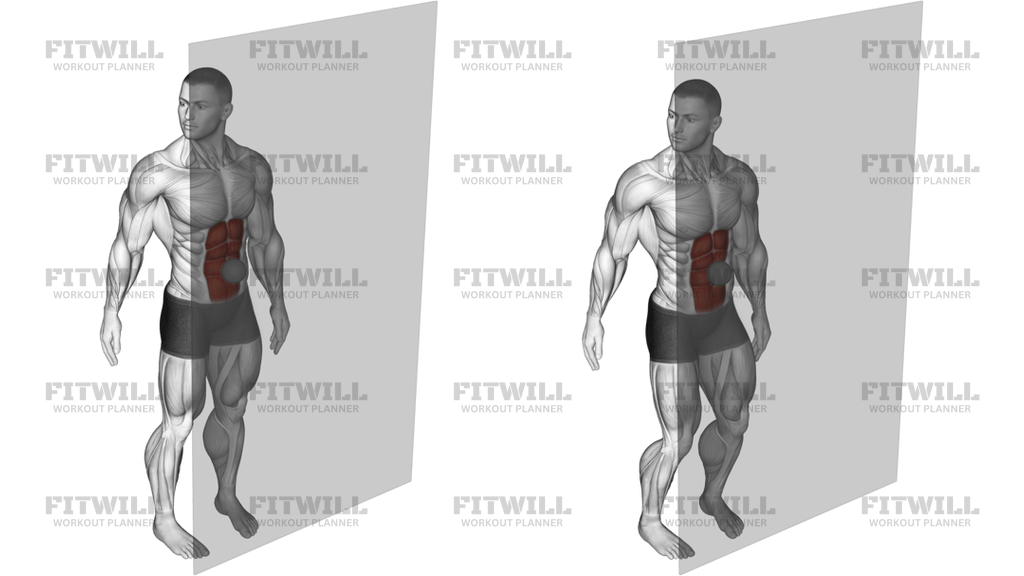
The setup matters because this is a small target with a lot of nearby sensitive tissue. In the image, the body is turned side-on to the wall with the ball placed high on the upper shoulder/neck line, just above the shoulder blade and away from the spine. Cross the arms in front of the chest or lightly pin the shoulder to keep the shoulder girdle quiet, then use a staggered stance and soft knees so you can control pressure without shrugging or leaning too hard.
Each repetition should be a slow search for the tight line in the upper shoulder and side of the neck. Lean into the ball, make small body shifts, and pair that with a gentle chin tuck or slight head turn away from the ball to change the tissue tension. The goal is not to grind the area or force a bigger range; it is to find a tolerable pressure point, breathe through it, and let the tissues soften as the position stays organized.
Use this version as a warm-up, recovery drill, or accessory piece when you want better neck and scapular comfort before training or after long desk work. It is usually better with light pressure and short pauses than with aggressive rolling. If you feel sharp pain, tingling, numbness, or symptoms that travel down the arm, reduce the pressure or stop and reassess your setup.
[ Workout Log & Planner ]
Put your next workout in Fitwill
Keep your plan and training log ready when you are.


Instructions
- Stand side-on to the wall and place the rollball high on the upper trapezius and levator scapulae area, just above the shoulder blade and below the side of the neck.
- Cross your forearms in front of your chest or lightly hold the opposite shoulder so the shoulder on the ball stays relaxed.
- Set one foot slightly in front of the other, soften both knees, and lean until the pressure feels firm but still controllable.
- Tuck your chin slightly and turn your head a little away from the ball to lengthen the side of the neck.
- Make small up-and-down or forward-and-back body shifts to roll across the tight tissue without sliding onto the spine.
- Pause on a tender spot for a few slow breaths, then ease off a little before moving again.
- Keep the shoulder low and the jaw relaxed; do not shrug, brace hard, or force a larger range than the tissue accepts.
- Step away from the wall to reset, then repeat on the other side if needed.
Tips & Tricks
- Start with light pressure; the levator area responds better to patient contact than to heavy leaning.
- Keep the ball on the soft tissue above the shoulder blade, not on the cervical spine or the hard edge of the neck.
- If the pressure feels sharp under the jaw or collarbone, move the ball slightly lower or farther out on the shoulder.
- A small chin tuck often changes the sensation more than a bigger roll, so use the smallest useful head adjustment.
- Exhale slowly while you settle into a tight spot instead of holding your breath and bracing through it.
- Use short pauses and tiny body shifts; large rolls usually turn this into a scramble instead of a release.
- Keep the jaw unclenched so the neck can relax instead of recruiting extra tension.
- Stop if the sensation travels into the arm, causes numbness, or creates a headache-like pressure.
Frequently Asked Questions
What does Roll Ball Scapula Levator Version 2 work most?
It mainly targets the levator scapulae area with help from the upper trapezius and nearby neck stabilizers.
Where should the rollball sit on the body?
Place it high on the upper shoulder and side of the neck, just above the shoulder blade and away from the spine.
Should my arm position stay fixed while I do it?
Yes. Crossing the forearms or lightly pinning the shoulder helps keep the shoulder girdle quiet while you work the spot.
Do I need to move a lot for this exercise to work?
No. Small body shifts and a subtle chin tuck usually create a better release than large rolling motions.
What should the pressure feel like?
Firm and focused, but not sharp, pinchy, or numb. If it feels aggressive, back off and reposition the ball.
Is this more of a stretch or a massage drill?
It is closer to a wall-based self-massage and mobility drill than a strength exercise.
Can beginners use this version?
Yes, as long as they start with light pressure, short holds, and careful neck positioning.
When should I stop the set?
Stop if the pressure turns into pain, symptoms spread into the arm, or the neck starts to feel irritated instead of relieved.