Roll Ball Tibialis Anterior
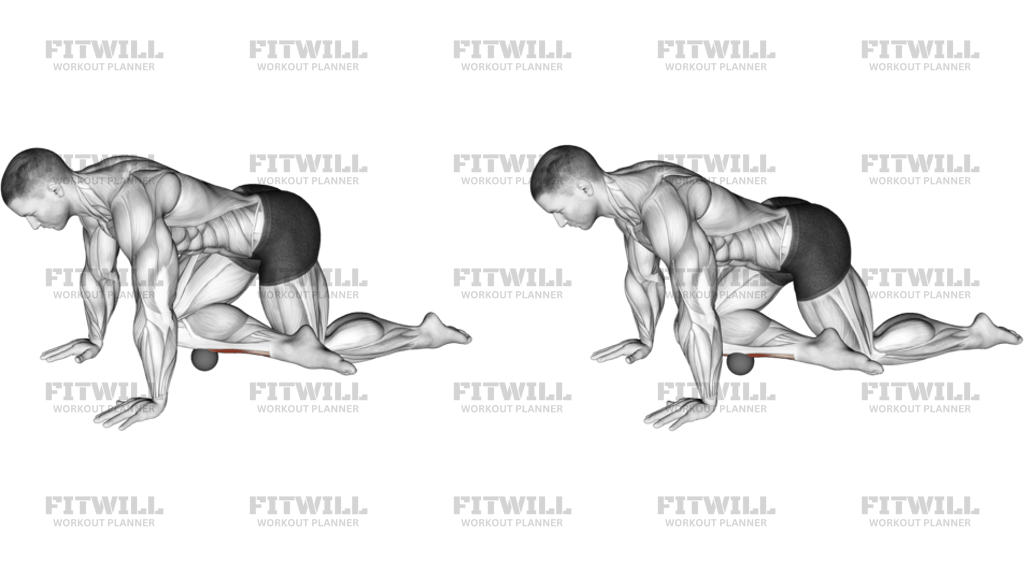
Roll Ball Tibialis Anterior is a floor-based self-release drill for the front of the lower leg. It uses a small roll ball to apply controlled pressure to the tibialis anterior and the soft tissue beside the shin bone. The goal is not to build strength in the usual lifting sense, but to calm stiffness, improve tissue tolerance, and make the ankle and front of the shin feel easier to move.
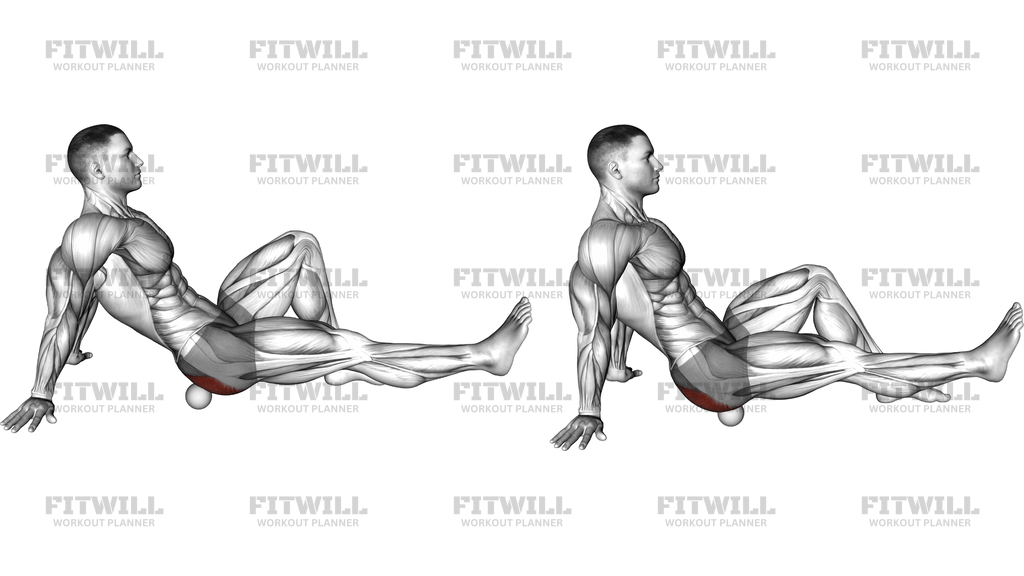
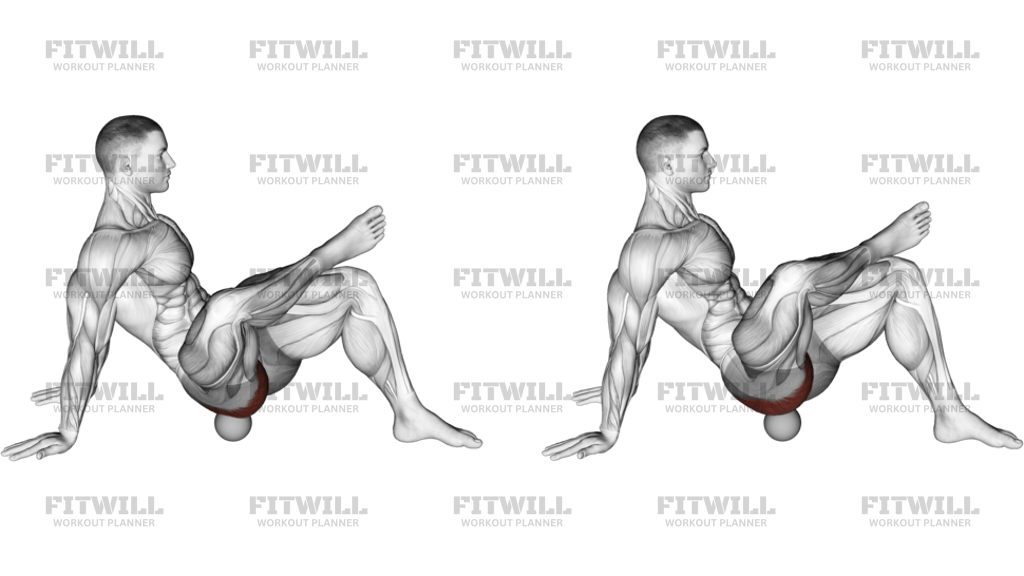
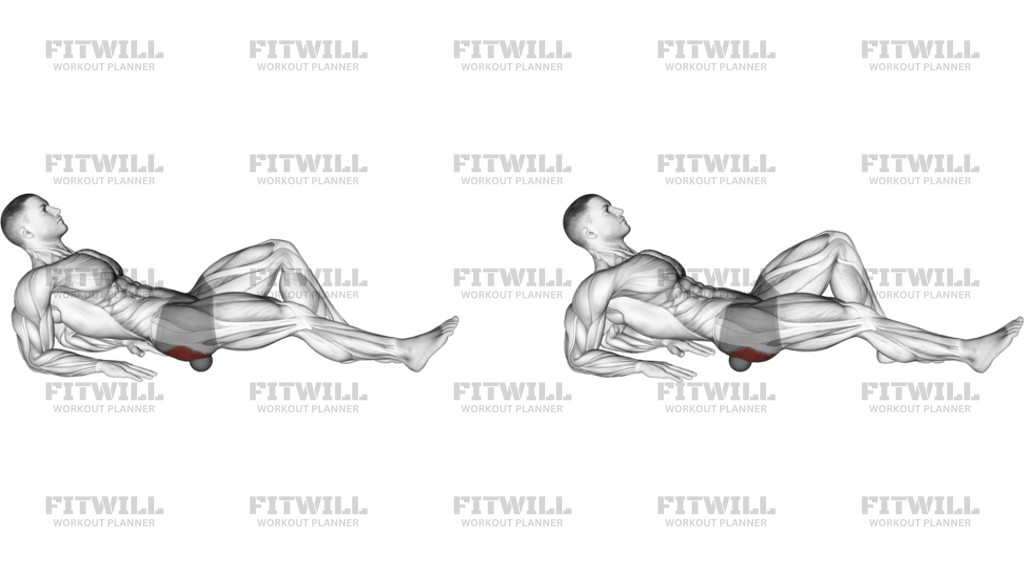
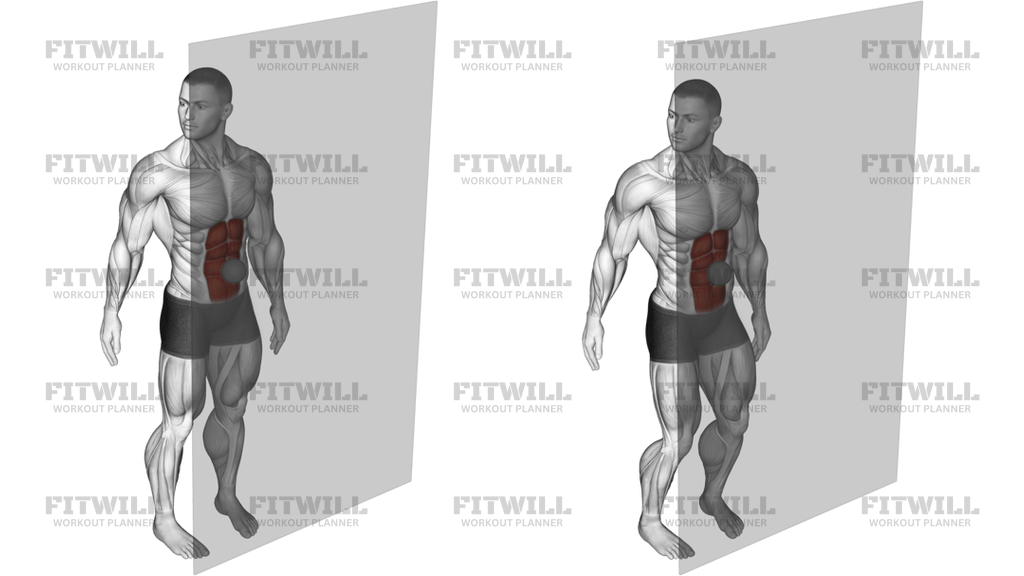
The image shows the body supported on the hands and one knee while the ball sits under the lower leg. That setup matters because you control pressure by shifting your bodyweight instead of forcing the ball into the tissue. The ball should stay on the fleshy part of the shin rather than directly on the hard ridge of the tibia, where pressure becomes sharp and unhelpful.
Roll Ball Tibialis Anterior works best when the passes are slow and deliberate. Glide the lower leg a short distance so the ball travels along the muscle belly, then reset and repeat. When you find a tender or stiff spot, pause for a few breaths and let the pressure settle instead of chasing a bigger range or faster movement. Keep the foot relaxed unless you are intentionally changing the sensation with ankle motion.
This drill is useful before running, jumping, squatting, or any session that asks the front of the ankle to move cleanly. It can also help after hill work or long bouts of standing when the lower leg feels overworked and tight. Because the pressure is local and the range is small, light bodyweight shifts usually work better than aggressive rolling.
If the contact feels sharp, numb, or bony, move the ball slightly toward the softer muscle tissue and back off the pressure. A good set should leave the shin feeling warmer, looser, and easier to load, not bruised or irritated. Treat Roll Ball Tibialis Anterior as preparation or recovery work, and stop the moment the tissue stops responding well.
[ Workout Log & Planner ]
Put your next workout in Fitwill
Keep your plan and training log ready when you are.


Instructions
- Get onto your hands and knees and place the roll ball under the front of one lower leg, just beside the shin bone and below the knee.
- Set your palms under your shoulders and keep the working knee and lower leg supported so the ball stays on the soft tissue.
- Square your hips toward the floor and keep the ankle relaxed before you add any pressure.
- Shift your bodyweight forward a few inches until the ball presses into the tibialis anterior without digging into the bone.
- Roll the lower leg slowly so the ball travels from the upper shin toward the ankle in a short pass.
- Pause on any tight spot for two to four calm breaths while keeping the shoulders steady.
- Rock back just enough to release pressure, then repeat the pass along the same strip of muscle.
- Keep the movement smooth and small until the set feels complete, then reset the leg and switch sides if needed.
Tips & Tricks
- Keep the ball on the fleshy strip beside the tibia; direct pressure on the shin bone turns this into a painful grind.
- Small weight shifts change the pressure more than big rocking motions, so start light and build only if the tissue accepts it.
- If the front of the ankle feels pinched, move the ball a little higher on the muscle belly or reduce how far you lean forward.
- Let the foot stay loose while you roll; forcing active dorsiflexion can cramp the tibialis anterior instead of releasing it.
- Short pauses on one tender spot usually work better than racing the ball up and down the shin.
- Use this as a warm-up or recovery drill after running, hills, or jumps, when the lower leg feels stiff and overworked.
- If you feel numbness, tingling, or a sharp bony edge, stop and move the ball to softer tissue immediately.
- Keep your shoulders stacked over your hands so the upper body does not collapse and dump all the pressure into the lower leg.
Frequently Asked Questions
What does Roll Ball Tibialis Anterior work?
It focuses on the tibialis anterior and the soft tissue along the front of the lower leg. You should feel broad pressure and release, not a sharp hit on the shin bone.
Where should the roll ball sit on the leg?
Place it on the fleshy strip beside the shin bone, usually between the knee and ankle. If the contact feels bony, slide it slightly outward or upward onto softer tissue.
Is Roll Ball Tibialis Anterior a strength exercise?
No. It is a self-release and mobility drill meant to reduce stiffness and improve tolerance in the front of the lower leg.
Can beginners do Roll Ball Tibialis Anterior?
Yes. Beginners should use very light bodyweight pressure and short passes so the front of the shin does not get irritated.
Why does my foot cramp during Roll Ball Tibialis Anterior?
That usually means you are forcing the ankle or pressing too hard. Relax the foot, back off the lean, and keep the ball on the muscle belly rather than the ankle joint.
How long should I stay on one tender spot?
A few slow breaths is usually enough. If the spot stays sharp or does not soften, move on instead of grinding into it.
When should I use Roll Ball Tibialis Anterior?
It fits well before running, jumping, squatting, or after hill work when the front of the shin feels tight or overworked.
What is the biggest mistake with the roll ball?
Pressing directly onto the shin bone or using too much bodyweight too soon. The drill should feel targeted and manageable, not bruising.