Roll Ball Calf
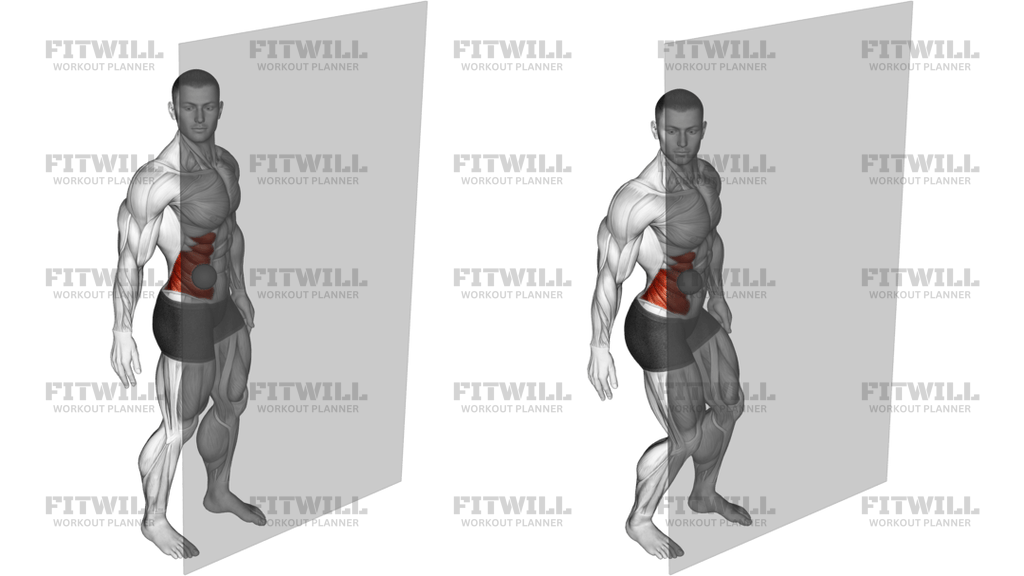
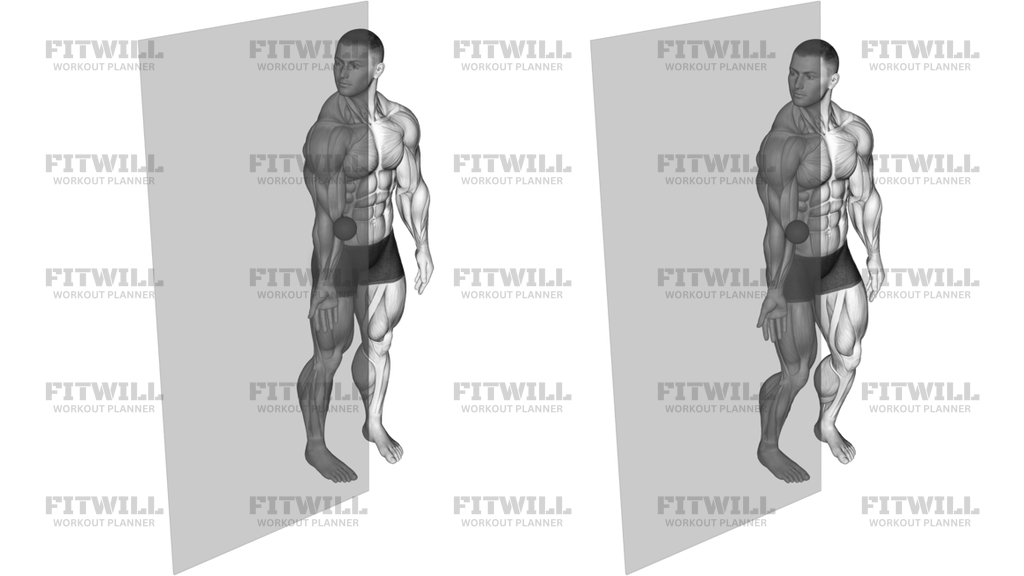
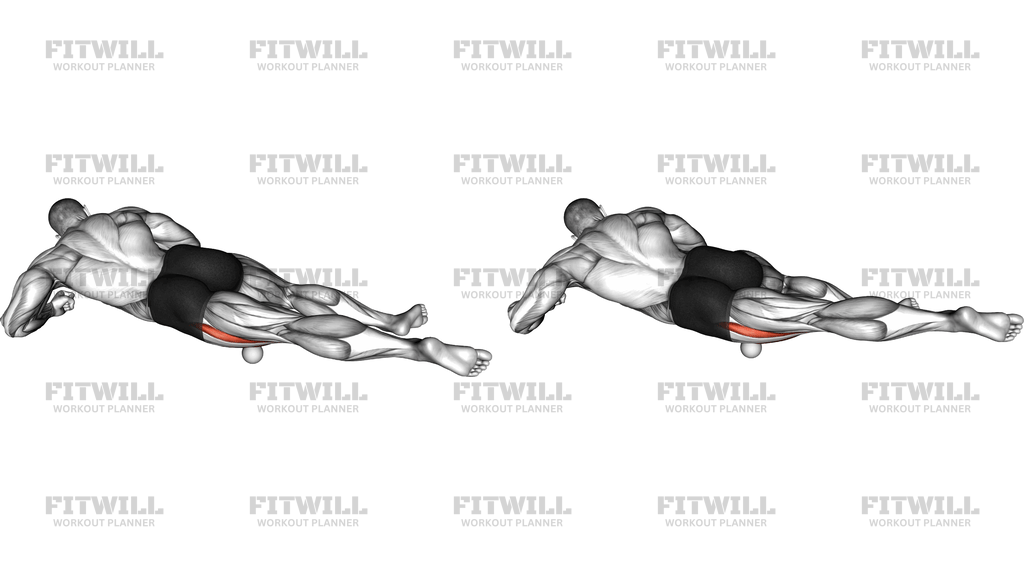
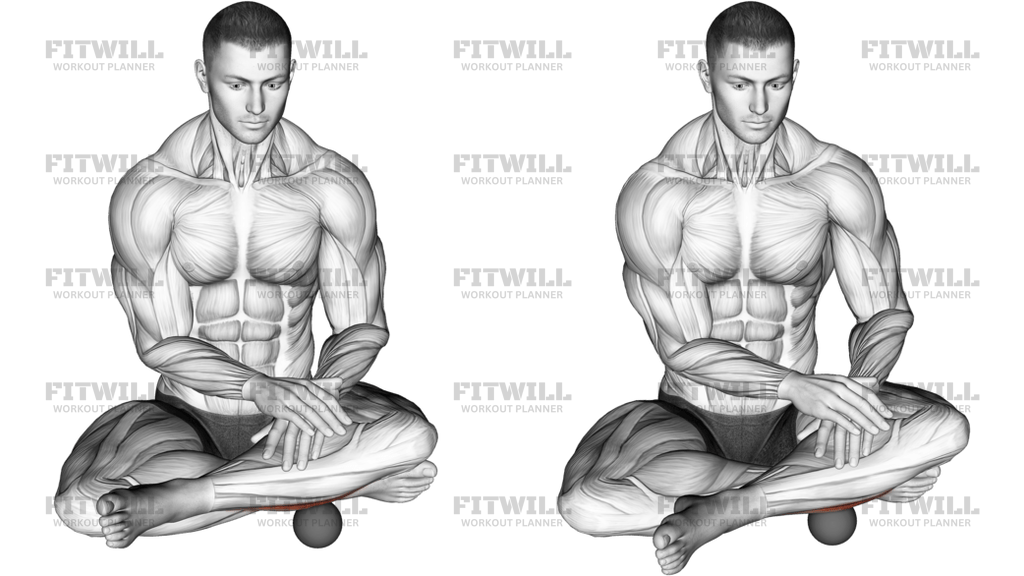
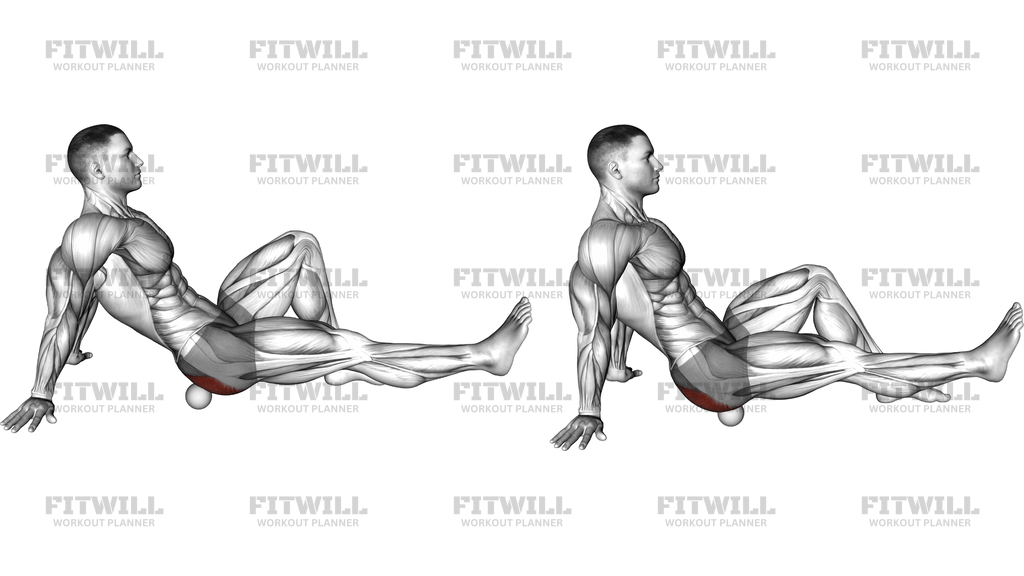
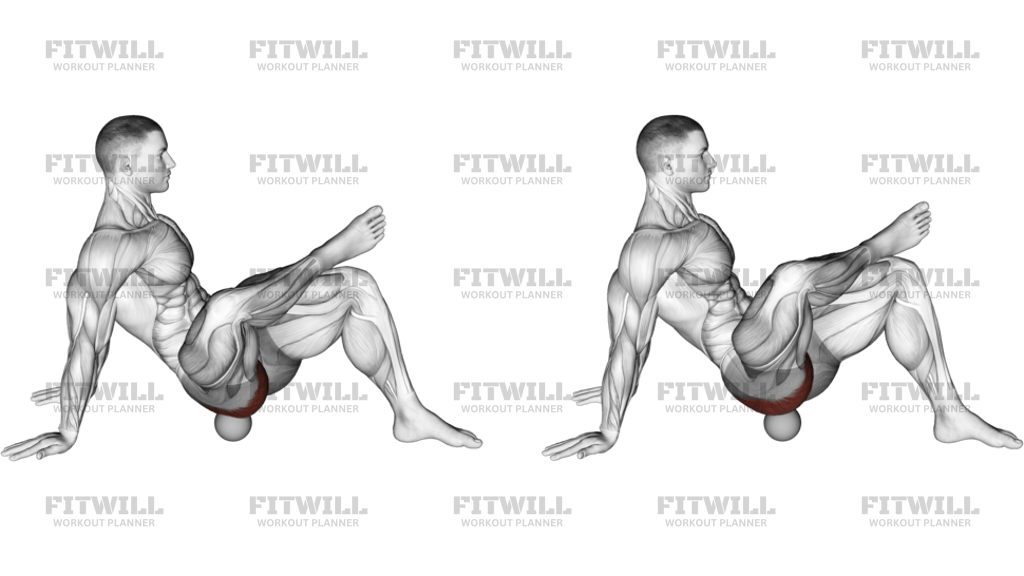
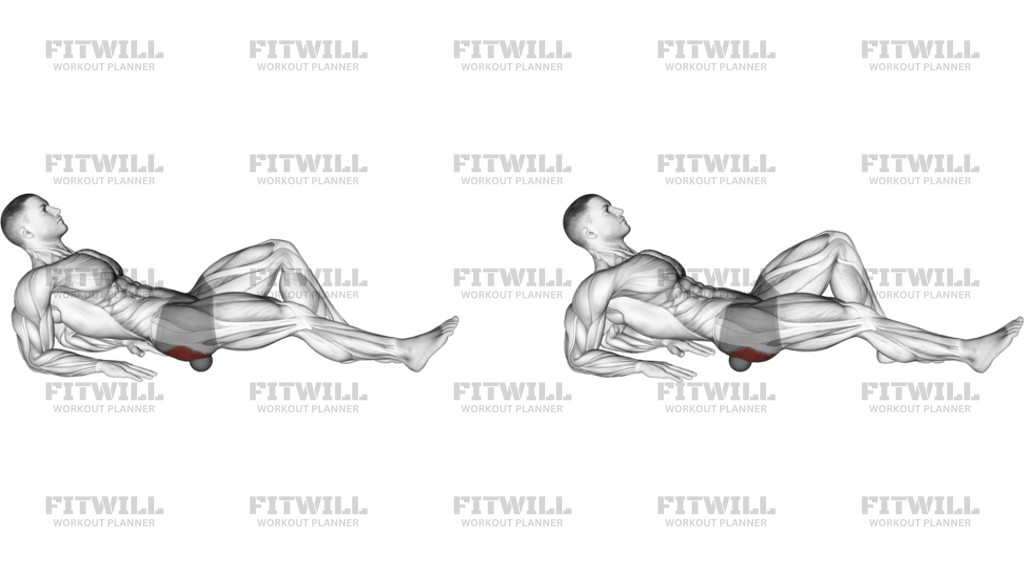
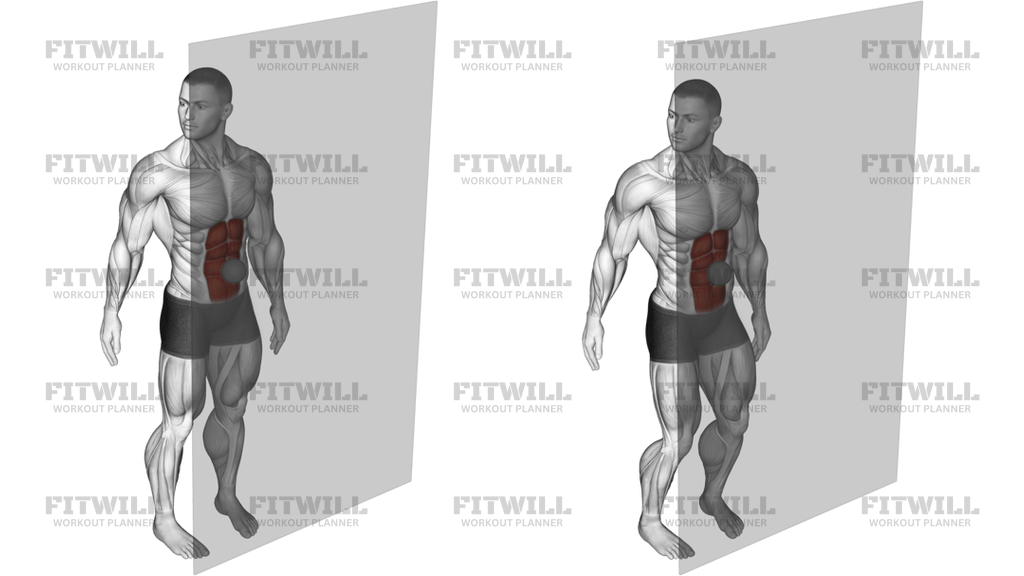
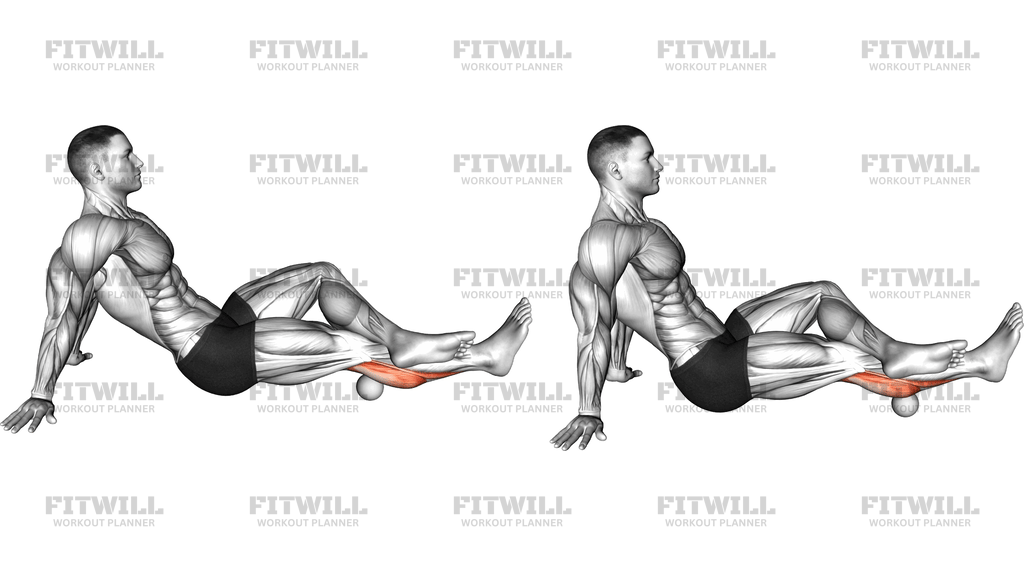
Roll Ball Calf is a floor-based calf release and mobility drill that uses a small rollball to work along the lower leg. The setup in the image shows the athlete leaning back on the hands, legs extended, and one calf resting over the ball so bodyweight can create steady pressure. That supported position matters because it lets you control how much load you place on the calf instead of collapsing into the ball.
The main purpose of the exercise is to loosen the gastrocnemius and soleus, reduce the feeling of stiffness around the lower leg, and improve ankle comfort before training or after longer sessions on the feet. It is not a strength exercise in the traditional sense. The value comes from slow pressure, small shifts in position, and a calm breathing pattern that lets the tissue relax without turning the rep into a scramble.
Set the ball under the tight part of the calf, then use your hands behind you to lightly lift some bodyweight off the floor. From there, move slowly so the calf rolls across the top of the ball instead of bouncing on it. You can bias the upper calf by keeping the knee straighter, or shift slightly lower toward the Achilles by softening the knee a little. Keep the foot relaxed and let the ankle stay natural while you search for the tender spots.
Use this drill as a warm-up reset, between lower-body sets, or after running, jumping, or leg training when the calves feel dense and restricted. The goal is a controlled, tolerable release, not pain. If the pressure gets sharp, numb, or travels into the foot, back off immediately and adjust the ball position or bodyweight. Clean execution here means slow passes, even pressure, and a posture that keeps the shoulders and hips supported while the calf does the work.
Fitwill
Log Workouts, Track Progress & Build Strength.
Achieve more with Fitwill: explore over 9600 exercises with images and videos, access built-in and custom workouts, perfect for both gym and home sessions, and see real results.
Start your journey. Download today!




Instructions
- Sit on the floor with your hands behind you and place the rollball under one calf, just above the ankle or in the tightest part of the lower leg.
- Extend the working leg straight and keep the other leg out of the way so you can control the pressure on the ball.
- Lean back onto your hands to take some weight off the leg and find a pressure level that feels strong but manageable.
- Slowly roll the calf over the ball by shifting your body a few inches forward and back.
- Pause on any tender spot and hold steady pressure for a breath or two instead of bouncing.
- Adjust the leg angle to bias different fibers, keeping the knee straighter for the upper calf or slightly softer for the lower calf.
- Keep the ankle relaxed and let the foot move naturally as the leg travels over the ball.
- Breathe slowly through the pressure and stop if the sensation becomes sharp, numb, or radiates into the foot.
- Switch sides and repeat with the same controlled pace and pressure.
Tips & Tricks
- Use your hands to regulate pressure; more bodyweight is not better if the calf starts guarding.
- A slow, small roll usually works better than long sweeps across the muscle.
- If the spot near the Achilles is sensitive, move the ball slightly higher onto the thicker part of the calf.
- Keep the toes relaxed instead of aggressively pointing or pulling them unless you are deliberately changing the stretch feel.
- Hold one tender point for several slow breaths before moving on to the next area.
- Do not chase pain; a strong but tolerable sensation is enough for this drill.
- Keep the shoulders supported and the chest open so you do not slump as fatigue builds in the arms.
- If both calves feel tight, spend more time on the side that feels denser rather than forcing equal time.
Frequently Asked Questions
What does Roll Ball Calf work?
It mainly targets the calf muscles, especially the gastrocnemius and soleus, through direct pressure and slow rolling.
Is this a stretching exercise or a massage drill?
It is closer to a self-massage or myofascial release drill than a loaded strength exercise.
Where should the ball sit on the leg?
Place it under the thick part of the calf first, then move slightly lower only if the pressure stays comfortable.
Should I keep my knee straight the whole time?
A straighter knee emphasizes the upper calf, but a small bend can help you reach lower fibers without dumping pressure into the Achilles.
Why am I supporting myself with my hands behind me?
The hands let you control how much bodyweight goes into the calf, which makes the pressure easier to fine-tune.
How long should I spend on each calf?
A short, controlled pass followed by a few breath holds on tight spots is usually enough before switching sides.
Can I do this before lower-body training?
Yes, it works well before running, squats, lunges, or jumping when your calves feel stiff and need to open up.
What should I do if the pressure feels sharp?
Move the ball higher on the calf, take more weight off with your hands, or stop if the sensation is not settling down.