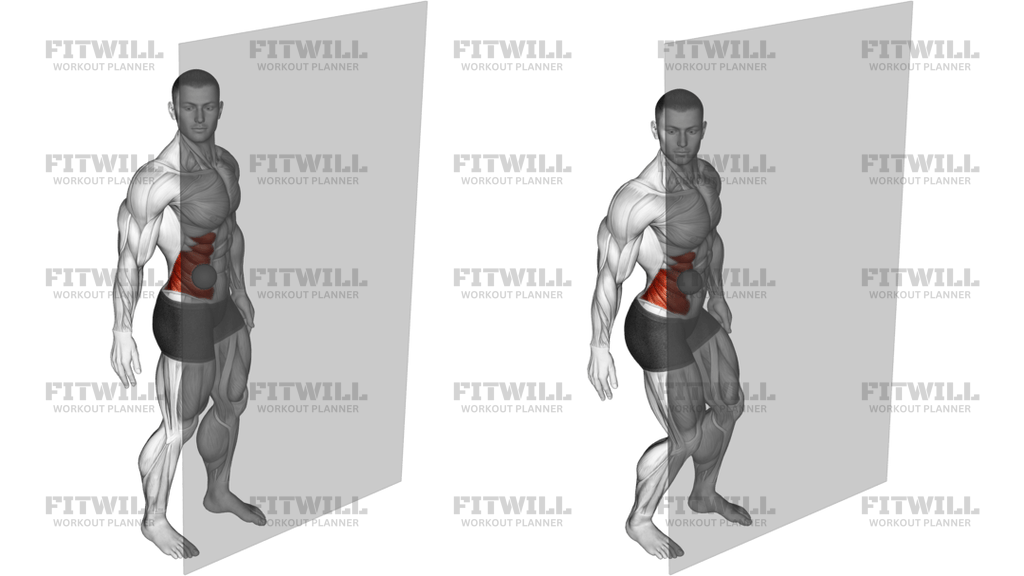
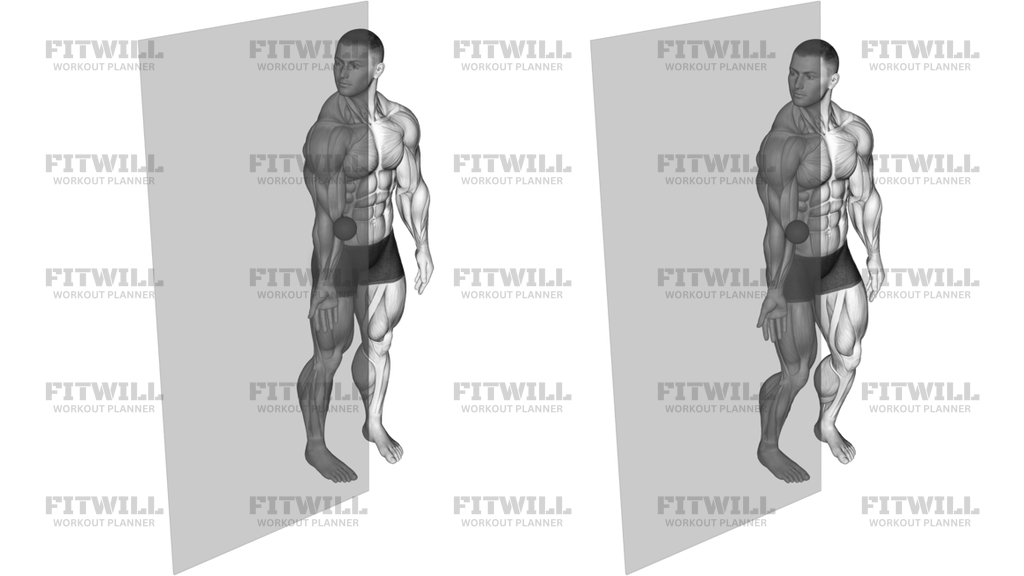
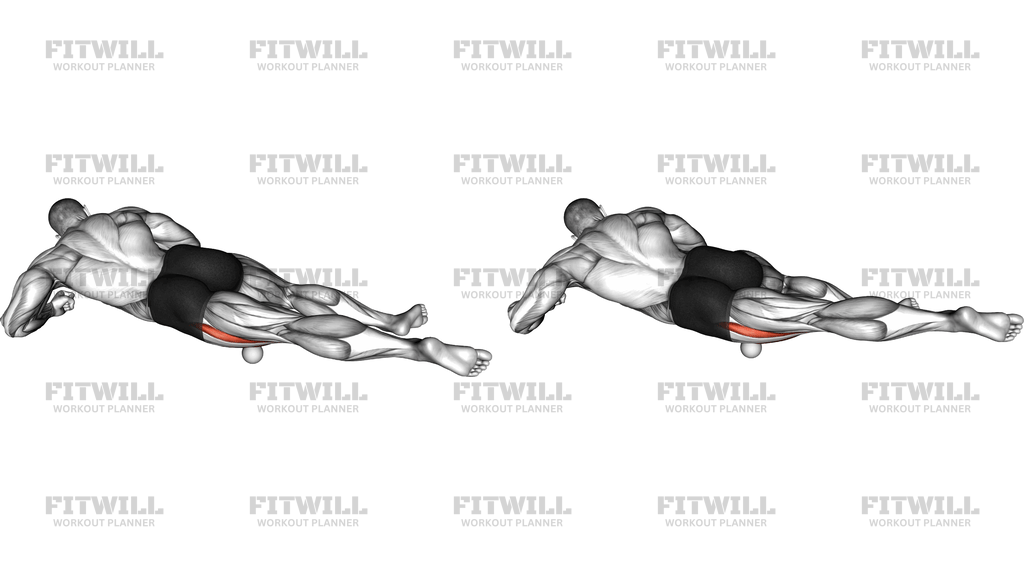
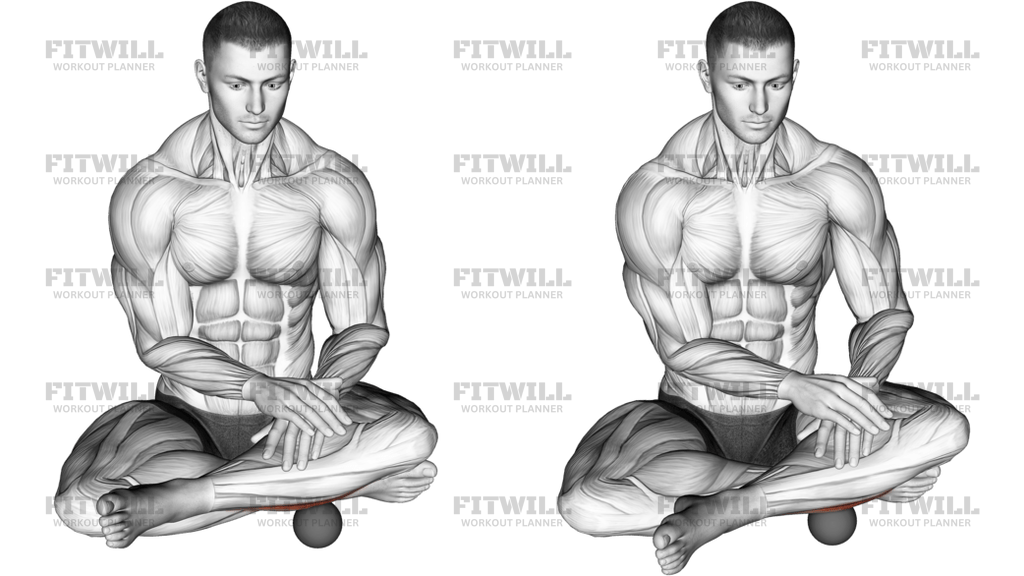
Roll Ball Tibialis Posterior
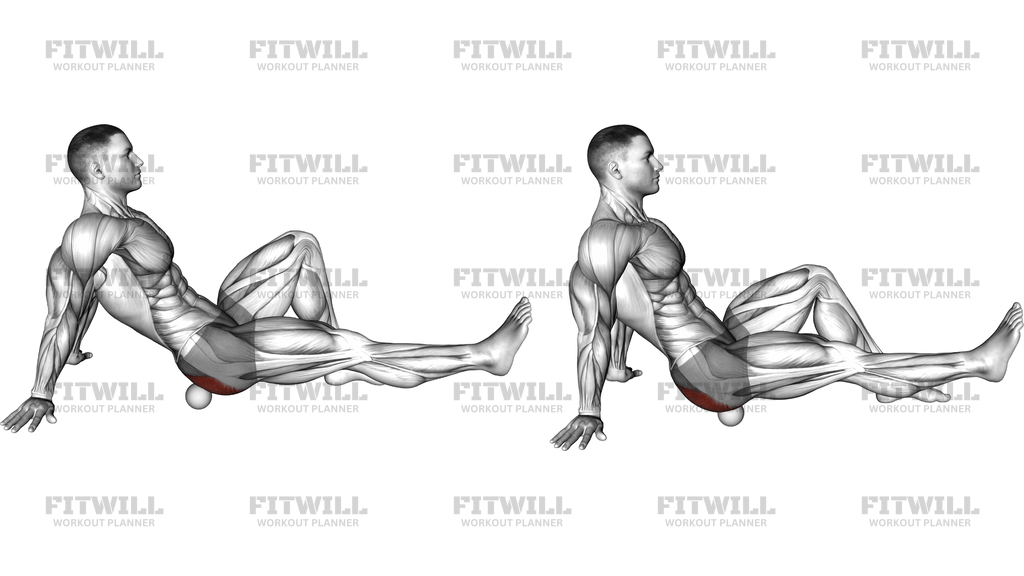
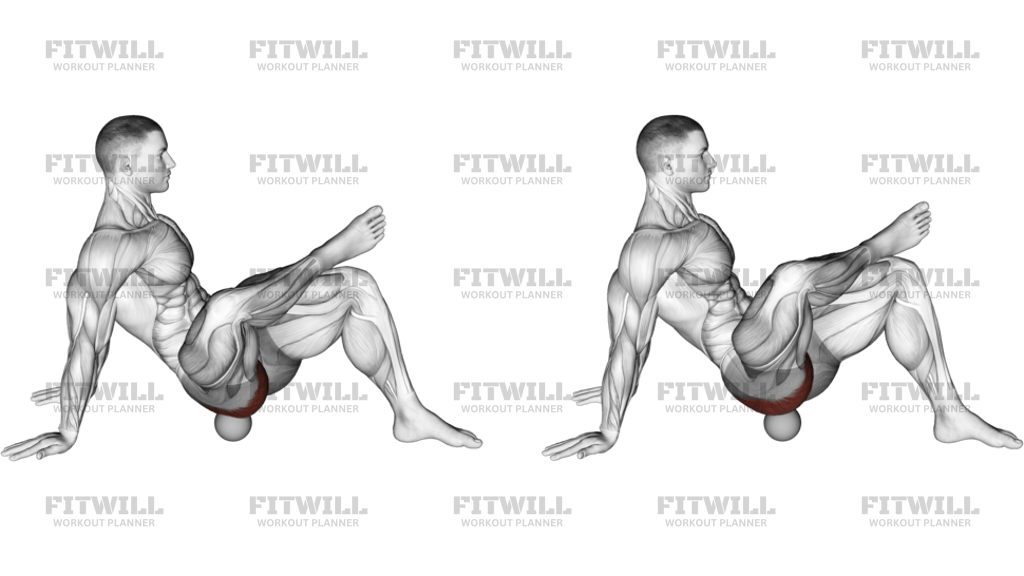
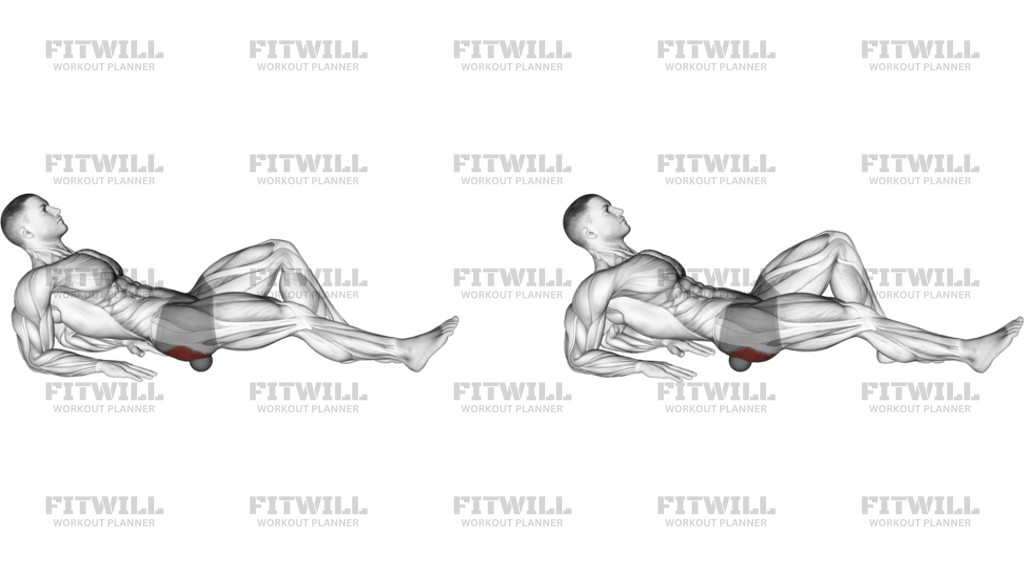
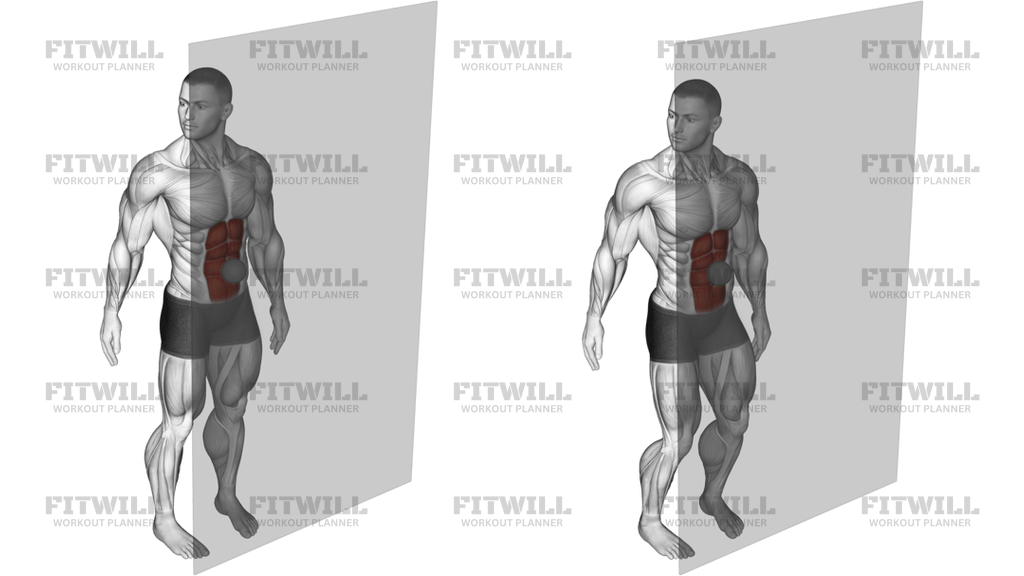
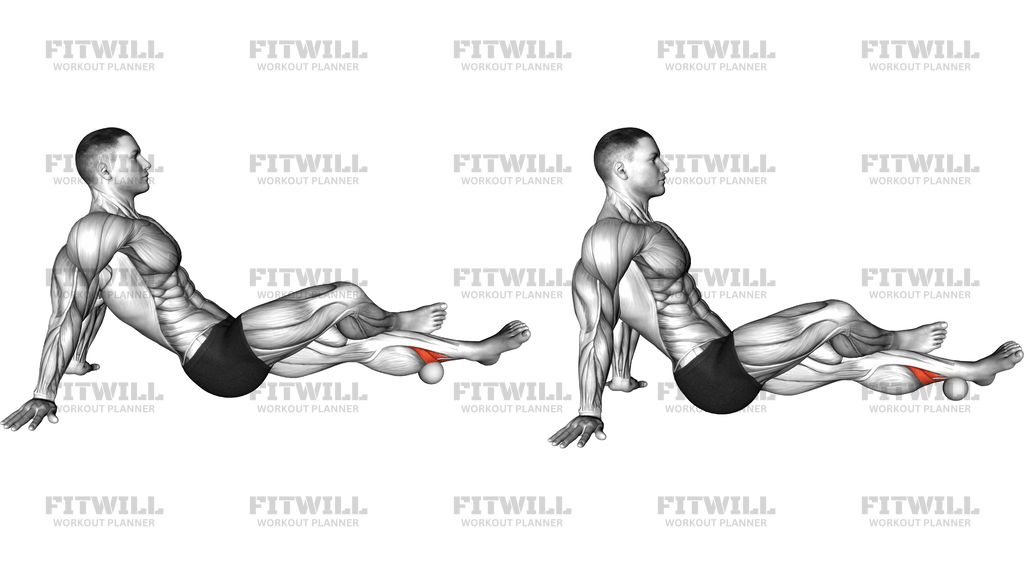
Roll Ball Tibialis Posterior is a seated roll-ball drill for the deep inner lower leg, especially the tibialis posterior as it runs behind the shin and toward the ankle. In the image, the body is supported on the hands behind the hips while the working leg is positioned so a small ball can be pressed into the soft tissue on the inside of the lower leg. The goal is not to bounce or chase a big range, but to find the tissue, breathe, and apply controlled pressure where the muscle feels dense or tender.
This exercise is most useful when the inner lower leg, arch-supporting tissue, or the area just behind the inner ankle feels tight after running, jumping, calf work, or long periods on your feet. Tibialis posterior helps support the arch and control foot and ankle position, so the drill is often used as a warm-up, recovery tool, or accessory mobility piece before more demanding lower-body work. The support from the hands lets you fine-tune how much bodyweight you place into the ball.
The setup matters because the ball should stay on soft tissue, not directly on the shin bone or ankle bone. A stable hand position behind the body keeps the torso tall enough to shift pressure gradually and lets you roll slowly along the inner line of the lower leg. Small changes in foot angle change what you feel, so the best reps come from patient adjustments rather than fast rocking.
When performed well, the pressure stays smooth, the ankle stays relaxed, and the breath stays calm while you sweep over the tender strip of tissue. The working area should feel like focused soft-tissue pressure, not sharp pain or joint pinching. Use this movement to clean up lower-leg tension, improve tissue tolerance, and prepare the foot-ankle complex for training without forcing aggressive pressure into a sensitive area.
Fitwill
Log Workouts, Track Progress & Build Strength.
Achieve more with Fitwill: explore over 9600 exercises with images and videos, access built-in and custom workouts, perfect for both gym and home sessions, and see real results.
Start your journey. Download today!




Instructions
- Sit on the floor and place the rollball under the soft tissue on the inside of one lower leg, just behind the shin bone and a little above the inner ankle.
- Lean back on your hands with your fingers pointing away from you and lift enough of your bodyweight to control the pressure on the ball.
- Keep the working foot relaxed and the ankle neutral so you can feel the tissue instead of grinding the joint.
- Roll slowly along the inner line of the lower leg, moving from the ankle area toward the lower calf in short, controlled passes.
- Pause on a tender spot for a moment and let the pressure settle instead of bouncing on it.
- Shift your weight slightly to change the pressure, but keep the movement smooth and deliberate.
- Exhale as you roll into the tightest area and keep breathing steadily through the hold.
- After several passes, reset the ball and repeat on the same leg or switch sides.
Tips & Tricks
- Keep the ball off the shin bone; the useful pressure should stay on the soft tissue behind the inner border of the tibia.
- Small changes in hip height make a big difference in pressure, so use your hands to fine-tune load before you roll farther.
- If the ankle feels pinched, shift the ball slightly higher or lower instead of forcing the same spot.
- A relaxed foot helps you feel the tibialis posterior better than actively pointing or curling the toes.
- Slow passes are more effective than long, fast sweeps because this tissue responds better to patience than speed.
- If the area is especially tender, spend less time on it and use lighter bodyweight rather than pressing harder.
- Use this drill before running or leg training when the arch or inner ankle feels stiff, not as a max-pressure pain session.
- Stop if you get numbness, sharp pain, or tingling down the foot.
Frequently Asked Questions
What does Roll Ball Tibialis Posterior work?
It targets the deep inner lower leg tissue around the tibialis posterior, which helps support the arch and control the ankle.
Where should the ball sit during this exercise?
Place it on the soft tissue behind the inner edge of the shin, just above the inner ankle, not directly on the shin bone or ankle bone.
How much pressure should I use?
Use only enough bodyweight to feel a firm, controllable release. If you have to brace hard or hold your breath, the pressure is too much.
Is this a stretching exercise or a massage drill?
It is closer to a soft-tissue release drill. You are rolling and pressing the tissue, not performing a strength repetition.
Can beginners do this safely?
Yes, as long as they keep the pressure light and avoid rolling directly over bone, sharp pain, or numbness.
Why are my hands on the floor behind me?
The hand support lets you control how much bodyweight goes into the ball so you can adjust pressure without losing balance.
When is this exercise most useful?
It fits well before running, jumping, calf work, or any session where the arch and inner ankle feel tight.
What is a common mistake with this drill?
The biggest mistake is pressing too hard and rolling over the bone instead of the muscle tissue.