Roll Ball External Oblique
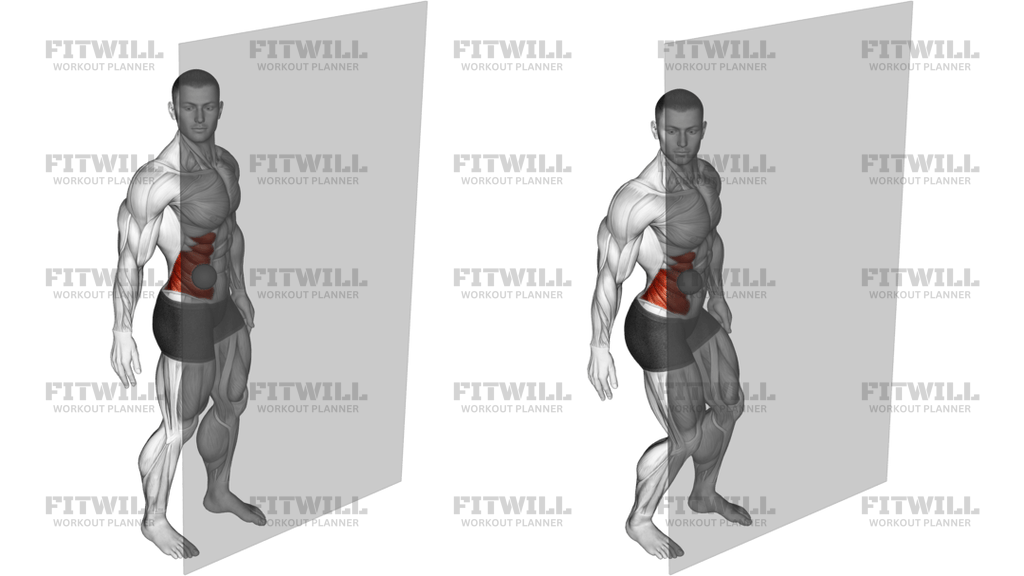
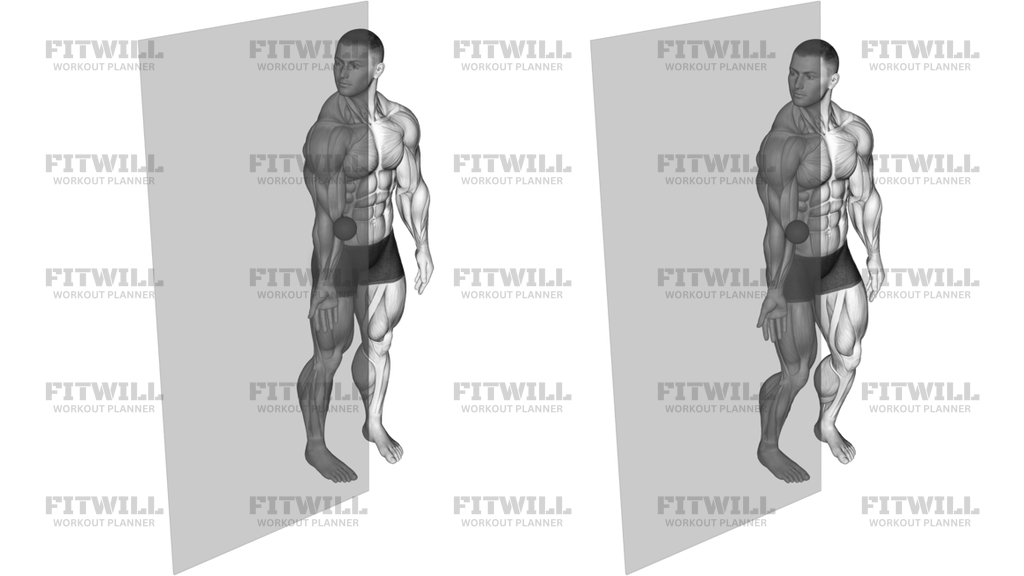
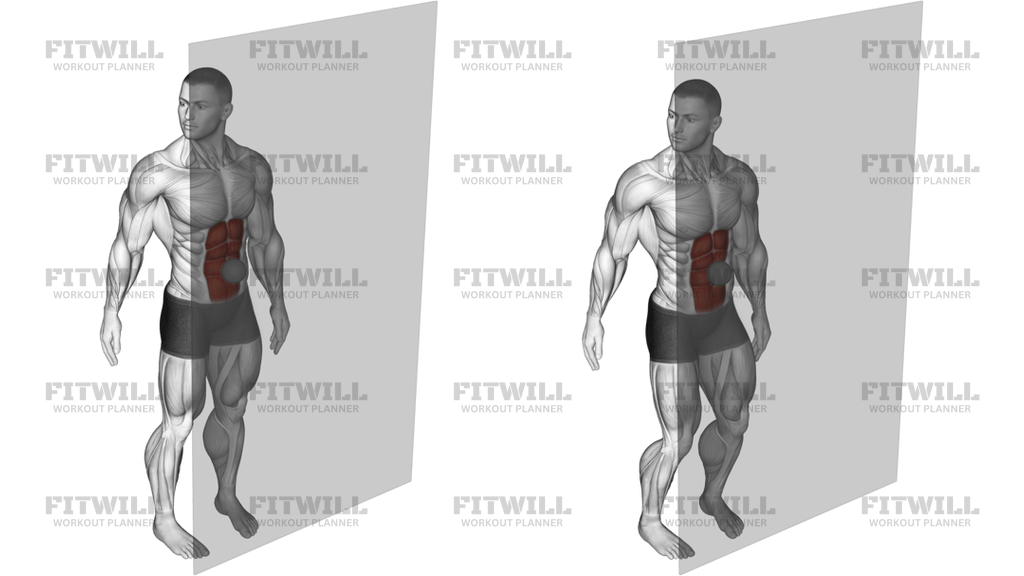
Roll Ball External Oblique is a side-body release that uses a wall and a rollball to apply steady pressure to the external obliques, lower ribs, and the tissue above the hip. It is less about grinding into a knot and more about creating enough pressure to let the rib cage and trunk soften around the ball. People who twist, brace, throw, run, or sit for long periods often use it when the side of the waist feels tight or overworked.
The setup matters because a few inches make the difference between a useful oblique release and a low-back or hip-bone bruise. By standing side-on to the wall and placing the ball on the fleshy part of the waist, you can keep pressure on the external oblique while avoiding the spine and the front edge of the pelvis. A staggered stance helps you fine-tune how much of your bodyweight you feed into the ball, and it also makes it easier to keep the rib cage from flaring as you breathe.
Once you are set, breathe slowly and shift only a small amount at a time. Roll the ball a short distance up toward the lower ribs and down toward the top of the hip, then pause where the tissue feels dense or guarded. The best version of this movement stays smooth, quiet, and controlled; there should be no jerking, bouncing, or sharp pinching. If you feel the pressure move into the spine or the front of the hip, reset the ball before continuing.
Use Roll Ball External Oblique as part of a warm-up for trunk rotation, a cooldown after core work, or a recovery block when the side of the torso feels stiff from loaded carries, cable chops, or repetitive twisting. It can also help you notice whether one side holds pressure differently than the other, which is useful when you are trying to balance rotation and rib control in training. A few patient passes are usually enough to make the area feel more open without turning the drill into a strength test.
Keep the pressure broad and tolerable. If the ball feels too aggressive, reduce the lean or step farther from the wall; if it feels too light, shift a little more weight into it and slow the breath. The goal is to leave the area feeling freer and easier to move, not to force the tissue into discomfort, and not to treat the side of the trunk like a spot that needs to be muscled through.
Fitwill
Log Workouts, Track Progress & Build Strength.
Achieve more with Fitwill: explore over 9600 exercises with images and videos, access built-in and custom workouts, perfect for both gym and home sessions, and see real results.
Start your journey. Download today!




Instructions
- Stand side-on to a wall and place the rollball against the side of your waist just below the lower ribs.
- Step the foot closest to the wall slightly forward or back so you can lean into the ball without losing balance.
- Soften both knees, stack the ribs over the pelvis, and let your shoulder on that side relax.
- Press your bodyweight into the ball until you feel firm pressure on the external oblique, not the spine or front hip.
- Breathe out slowly and shift a few inches up toward the lower ribs or down toward the top of the hip to roll the ball along the side of your torso.
- Pause on the tightest spot and make small side-to-side or up-and-down adjustments until the pressure feels productive.
- Keep the movement slow and steady, using the wall for control instead of bouncing or twisting aggressively.
- Ease off the ball, step away from the wall, and repeat on the other side for the planned time or number of passes.
Tips & Tricks
- Use a gentle lean first; the rollball should compress the side waist, not dig into the ribs.
- Keep the ball on the soft tissue between the lower ribs and the top of the pelvis.
- If the pressure shifts toward the spine, turn your torso a little more toward the wall and reset.
- If the ball slips toward the front of the hip, move it slightly back onto the side body.
- Long exhales help the rib cage settle so the tissue can soften around the ball.
- Stay with small rolls; big sweeping motions usually turn this into an awkward twist.
- Spend more time on a broad, dull tight spot than on a sharp, pinching one.
- After a few passes, compare both sides so you do not overwork the more sensitive side.
Frequently Asked Questions
What does Roll Ball External Oblique target most?
The side of the trunk, especially the external obliques and nearby core tissue around the lower ribs.
Is Roll Ball External Oblique a strength exercise?
No, it is mainly a mobility and soft-tissue release drill rather than a loaded strength movement.
Where should the ball sit?
Place it on the fleshy side of the waist, between the lower ribs and the top of the hip, not on the spine.
How much pressure should I use?
Enough to feel steady tissue contact, but not so much that you brace or hold your breath.
Should I move the ball or stay still?
Both can work, but small rolls and brief pauses are usually best for finding the tight line of the oblique.
Can beginners do Roll Ball External Oblique?
Yes, as long as they keep the pressure light and avoid pressing directly on bone or sharp pain.
When is this exercise most useful?
It works well before trunk rotation work, after core training, or anytime the side of your waist feels stiff from repeated twisting or bracing.
What if one side feels much tighter?
Spend a little extra time on the tighter side, but keep the pressure comfortable and compare how both sides feel after a few passes.