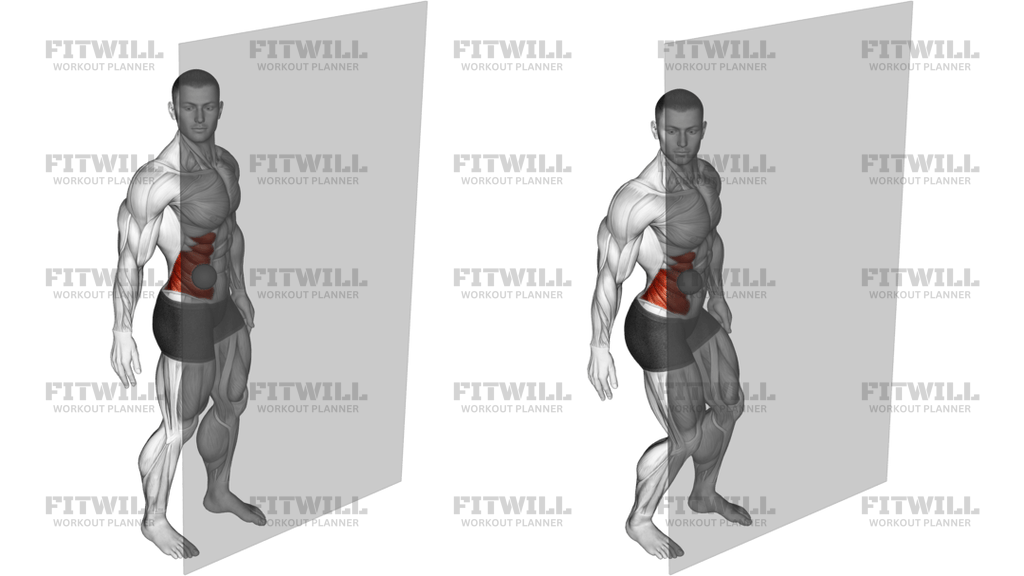
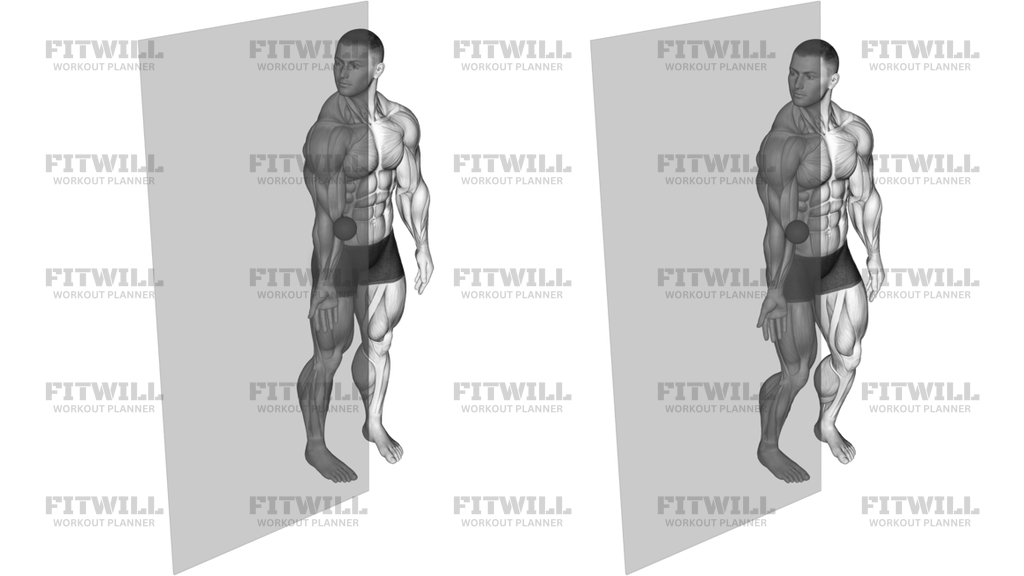
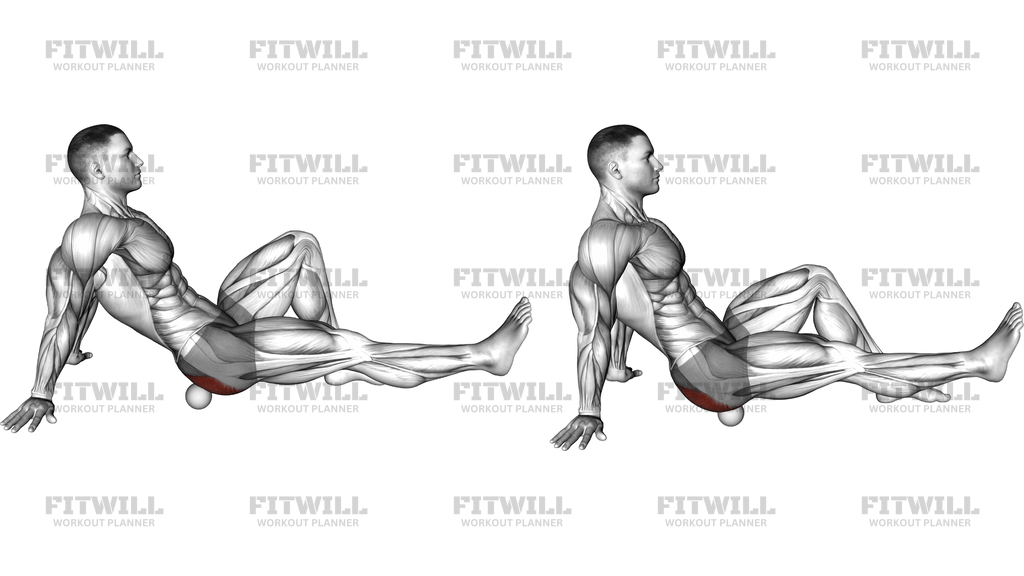
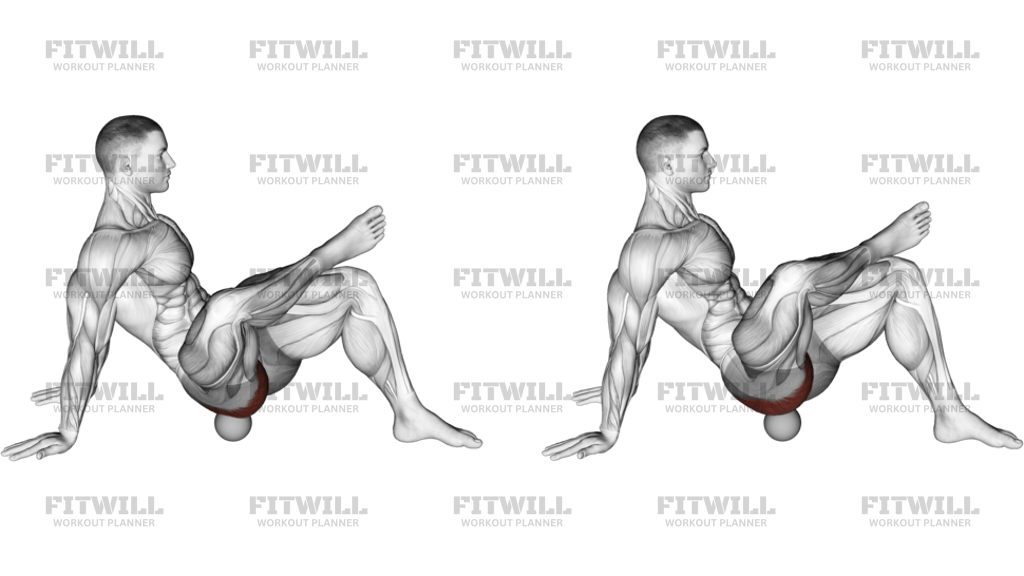
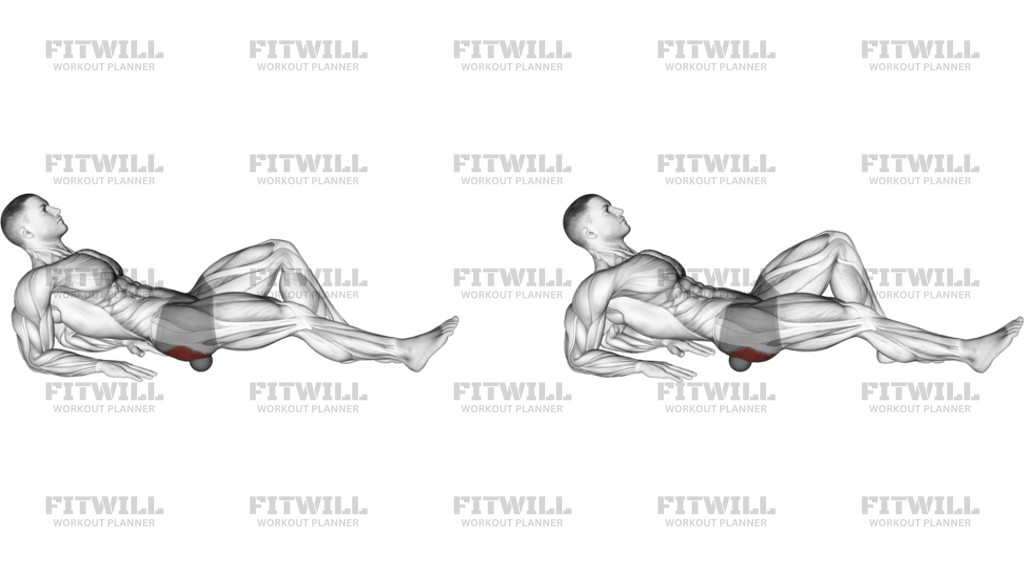
Roll Ball Erector Spinae
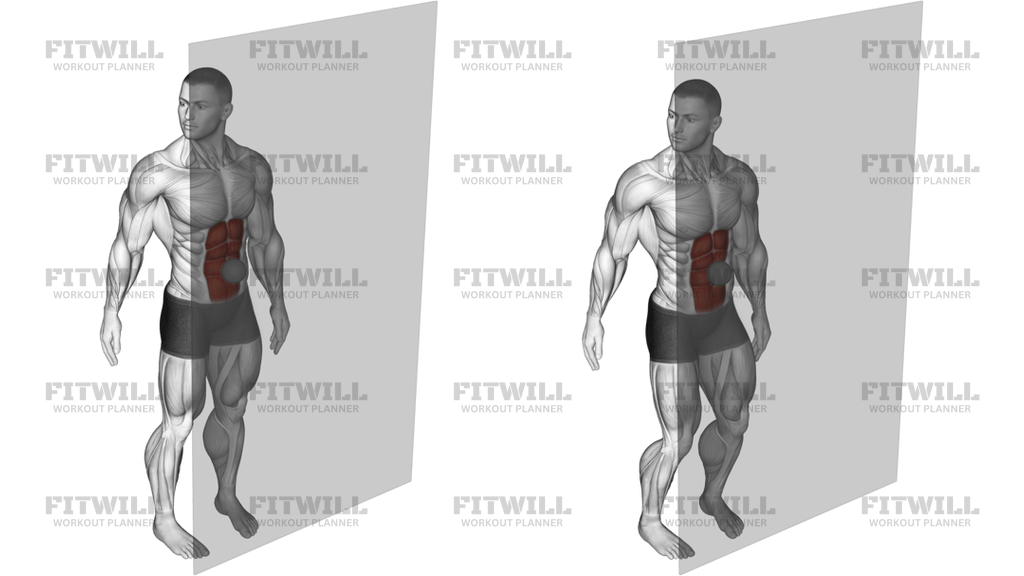
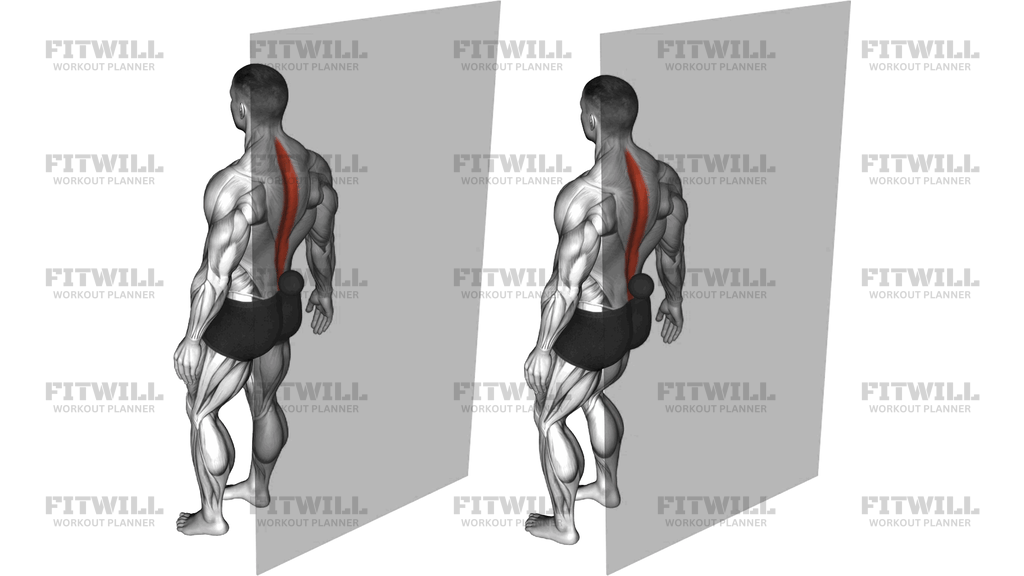
Roll Ball Erector Spinae is a wall-supported drill that places a rollball against the lower back so you can train the lumbar erectors through a small, deliberate rolling or rocking motion. It is less about heavy loading and more about building awareness of the spinal extensor line while keeping the pelvis, ribs, and head stacked as the low back works against the ball.
The wall gives the ball a fixed reference point, which makes Roll Ball Erector Spinae useful for learning how to control pressure through the lower back without turning the movement into a full-body sway. Because the ball sits on a narrow section of the trunk, foot position and knee bend matter a lot. Stand too close or too far away and the ball will drift off the target area or press into the wrong spot.
Once you are set, keep a gentle brace and move through a short range by bending and straightening the knees and hips while maintaining steady contact with the ball. The goal is to feel the erector spinae stay organized as the spine stays long, not to collapse into the wall or crank into an exaggerated arch. Smooth breathing helps keep the ribcage from flaring and keeps each repetition controlled.
Roll Ball Erector Spinae works well as a warm-up, an activation drill before hinging or rowing, or a low-load accessory when you want to wake up the lower back without heavy spinal compression. It can also help lifters learn how to keep the low back organized during standing work, but the range should stay small, clean, and pain-free.
When the setup is right, you should feel a controlled line of tension along the low back rather than a hard pinch or a general spine squeeze. If the motion turns into a hip hinge, a squat, or a backward lean, shorten the range and re-center the ball before adding more reps.
Keep the pressure moderate and the motion tidy. If the ball digs into the spine instead of the muscle, shift it slightly off-center or reduce your depth. The best reps feel like deliberate pressure and smooth control through the lower back rather than a hard roll or a rushed squat against the wall.
[ Workout Log & Planner ]
Put your next workout in Fitwill
Keep your plan and training log ready when you are.


Instructions
- Stand with your back to a wall and place the rollball against the lower back, just beside the spine at belt-line height.
- Step your feet forward until the ball has light pressure against the wall, keeping your feet about hip-width apart and your heels planted.
- Stack your ribs over your pelvis, lengthen your neck, and let your hands rest by your sides or lightly across your chest.
- Brace gently so the ball stays pinned between your low back and the wall before you start the rep.
- Bend your knees and hips a few inches to roll the ball through the erector spinae while keeping your torso tall.
- Reverse the motion by straightening your legs and returning to the start without letting the lower back collapse or arch hard.
- Keep the movement short and smooth, using the legs to guide the roll instead of twisting your torso or bouncing off the wall.
- Breathe out as you move through the effort, inhale on the return, and stop the rep if the ball slips off the low-back line.
- Step away and reset the ball if it climbs onto the ribs, drops onto the pelvis, or starts pressing directly on the spine.
Tips & Tricks
- Keep the ball on the muscle belly beside the spine, not centered on the vertebrae.
- Use a shorter step forward if the pressure feels too sharp or the ball keeps sliding.
- Limit the knee bend if your hips start swaying instead of staying square to the wall.
- Keep both heels down so the pressure stays steady through the erector spinae.
- Do not turn the drill into a low-back crunch; the torso should stay long while the legs create the motion.
- Slow the return so the lower back stays under tension instead of snapping back to standing.
- Exhale during the rolling phase and keep the ribs from flaring upward.
- If you feel pinching or direct spinal pressure, move the ball slightly higher, lower, or a touch farther off center.
Frequently Asked Questions
What muscles does Roll Ball Erector Spinae work?
It mainly targets the lumbar erector spinae, with the glutes and core helping stabilize the torso against the wall.
Is Roll Ball Erector Spinae a strength exercise or a mobility drill?
It behaves more like a light activation and mobility drill than a heavy strength lift. You should feel local tension and control, not a max-effort load.
Where should the rollball sit on my back?
Place it beside the spine around the lower back so it contacts the erector spinae, not directly on the vertebrae or the hips.
How much should I bend my knees?
Only enough to keep the ball pinned to the same muscle line. A big squat usually turns the movement into a sway instead of a controlled roll.
Can beginners do Roll Ball Erector Spinae?
Yes, as long as the pressure is light and the range stays small. It should feel controlled and precise rather than intense.
What if I feel it in my spine instead of my muscles?
Shift the ball slightly off center, step your feet a little farther from the wall, or reduce the depth until the pressure is on the muscle tissue.
Should I keep my heels down?
Yes. Keeping the heels grounded helps the pressure stay consistent and stops the set from turning into a forward lean.
When is Roll Ball Erector Spinae useful in a workout?
It fits well before deadlifts, hinges, rows, or any session where you want the erector spinae awake without fatigue from heavy loading.