Roll Ball Infraspinatus
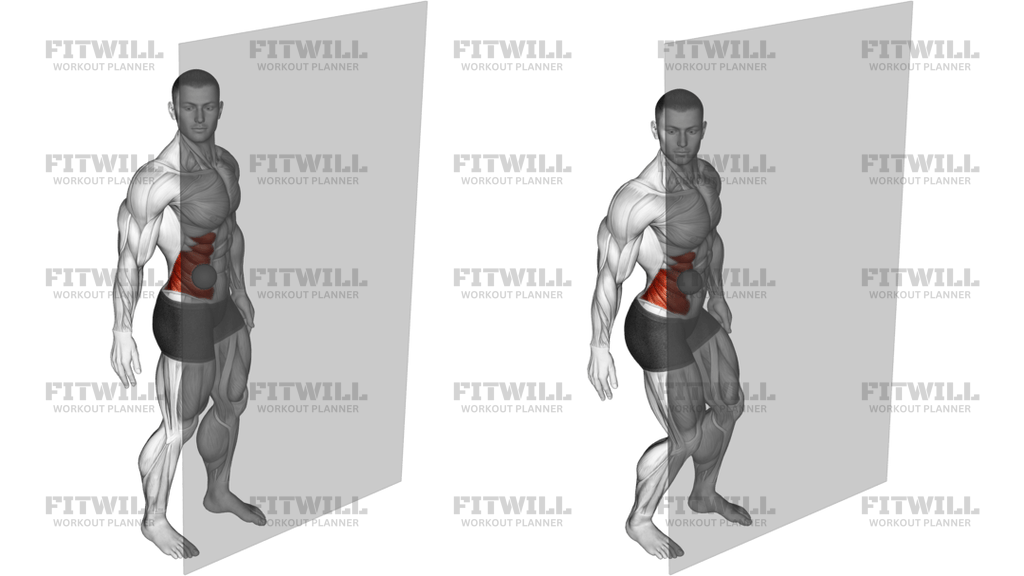
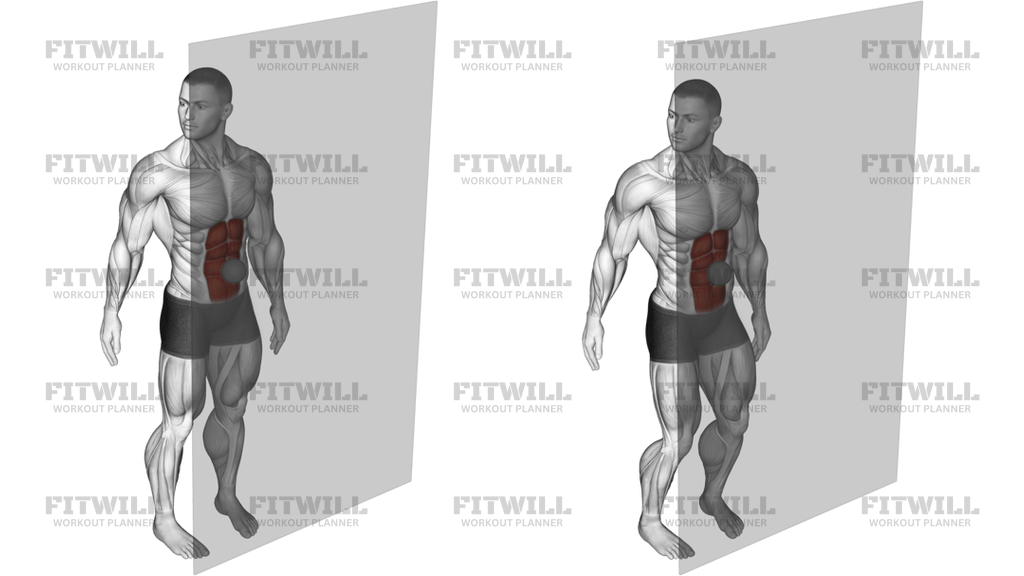
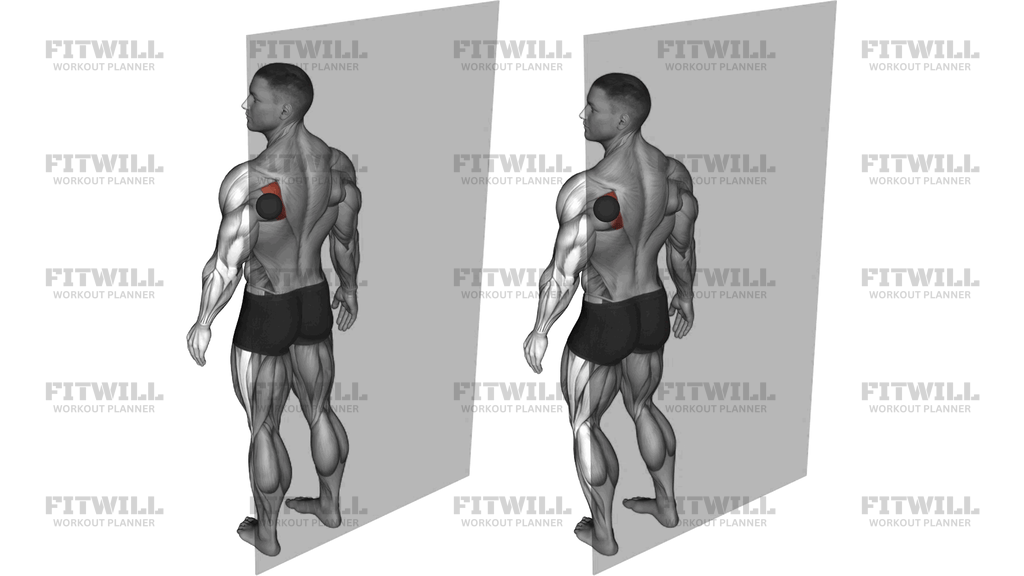
Roll Ball Infraspinatus is a wall-based self-release for the back of the shoulder. It uses a rollball to apply controlled pressure to the infraspinatus and nearby rear-shoulder tissue, which can help the area feel less tight before pressing, pulling, or overhead work. The goal is not to grind through pain, but to find a tolerable spot, breathe, and let the tissue relax under steady pressure.
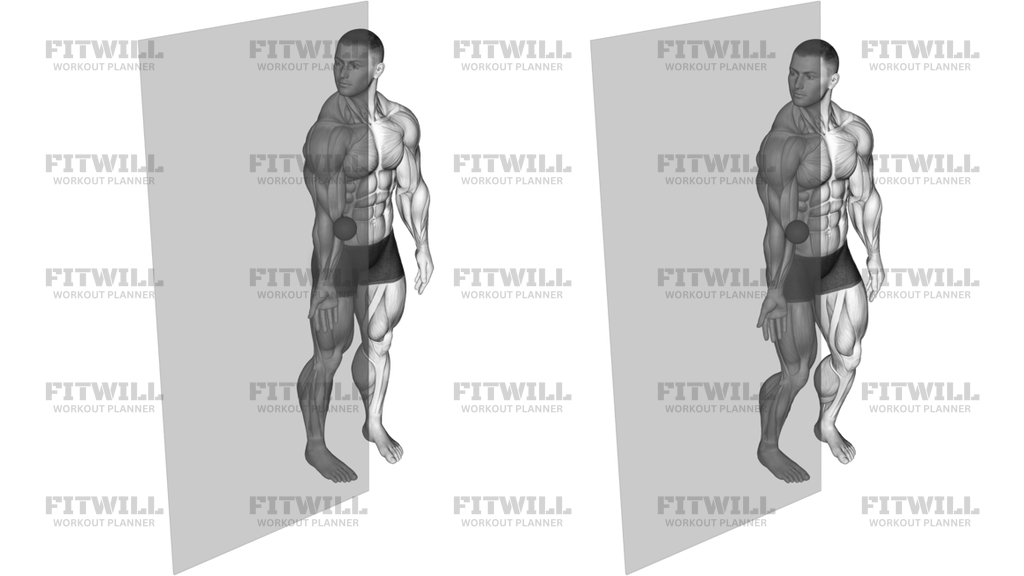
The setup matters because the infraspinatus sits on the back of the shoulder blade, close to bone, the neck, and the joint itself. Place the ball on the fleshy part of the rear shoulder, just behind the top of the arm and below the spine of the scapula. Stand side-on to the wall with soft knees and enough lean to create firm contact without pinching the shoulder or pressing on the spine.
Once the pressure is set, use tiny rolls and short circles to search the muscle fibers rather than sweeping over a large area. Small changes in torso angle, shoulder position, and body weight will change where the pressure lands, so adjust slowly and deliberately. A long exhale often helps the shoulder soften around the ball, especially if you pause on a tender point for a few breaths.
Roll Ball Infraspinatus is useful as part of a warm-up, recovery routine, or between upper-body sets when the back of the shoulder feels stiff. It can also help you explore one shoulder at a time and notice side-to-side differences in tone or sensitivity. Keep the pressure steady and the movement calm; this drill works best when it feels specific and controlled, not aggressive.
Stop if the sensation turns into sharp joint pain, tingling, numbness, or pain that shoots down the arm. You should feel a deep, local release in the rear shoulder, not a jolt in the neck or a bruise-like squeeze on bone. Used well, Roll Ball Infraspinatus can be a simple way to prepare the shoulder for better movement without overworking it.
[ Workout Log & Planner ]
Put your next workout in Fitwill
Keep your plan and training log ready when you are.


Instructions
- Stand side-on to a wall and place the rollball on the back of your shoulder, just behind the upper arm and below the spine of the shoulder blade.
- Keep your feet staggered and your knees soft, then lean into the ball until you feel firm pressure in the rear shoulder instead of the neck or rib cage.
- Let the arm on that side hang relaxed by your side or rest in a slightly bent position so the shoulder can settle around the ball.
- Roll your torso in tiny up-and-down and front-to-back motions to trace the infraspinatus area.
- Add short circles and stop on any tender spot that feels useful, but avoid forcing through sharp or bony contact.
- Breathe in through your nose and exhale slowly as you hold pressure on the tightest point for a few seconds.
- Shift the ball a small amount to a neighboring spot and repeat the same controlled pressure and breathing.
- Ease off the wall immediately if you feel tingling, numbness, or a pinching sensation in the shoulder joint.
- Step away from the wall, shake out the arm, and repeat on the other side if both shoulders need work.
Tips & Tricks
- Keep the ball on the fleshy rear shoulder, not on the top of the scapula or directly on the shoulder joint.
- A small roll is usually enough; if you are moving a lot, the pressure is probably too light for the infraspinatus.
- Turn your chest a few degrees toward or away from the wall to change which part of the posterior shoulder gets loaded.
- Use the wall version first if you are new to the drill, since it is easier to control pressure than a floor setup.
- Longer exhales tend to help the shoulder soften around the ball, especially when you pause on a tender spot.
- If the ball slips into the back of the armpit or down onto the lat, reset it higher and slightly farther back.
- The goal is a deep, local release, not a sharp pain or a bruised feeling that lingers after the set.
- If one side feels dramatically tighter, keep the same pressure and compare both sides instead of chasing a bigger range.
Frequently Asked Questions
What does Roll Ball Infraspinatus target?
It targets the infraspinatus and nearby rear-shoulder tissue around the rotator cuff. You should feel the work on the back of the shoulder, not the neck.
Is Roll Ball Infraspinatus a stretch or a massage drill?
It is closer to a self-massage or soft-tissue release drill than a stretch. The ball creates steady pressure while you make small rolls and let the area relax.
Where should the rollball sit on the shoulder?
Place it on the back of the shoulder, just below the spine of the shoulder blade and behind the upper arm. Stay off the neck, spine, and top of the shoulder joint.
How much pressure should I use on Roll Ball Infraspinatus?
Use enough pressure to feel a deep, manageable release, but not so much that you brace hard or hold your breath. If the pressure makes you flinch, back off a little.
Can beginners do this with a wall?
Yes. The wall version is the easiest place to start because you can control pressure by leaning more or less into the ball.
What are the most common mistakes with this exercise?
People usually press too hard, roll onto bone, or move too fast to find the tight spot. Small motions and careful ball placement make the drill much more useful.
When should I use Roll Ball Infraspinatus?
It works well before upper-body training, between pressing sets, or after a workout when the back of the shoulder feels stiff. Keep it brief and specific.
What should I do if I feel pain in the joint instead of the muscle?
Move the ball slightly farther back onto the muscle belly or reduce pressure. Sharp joint pain, tingling, or numbness means you should stop the drill.