Roll Ball Infraspinatus Version 2
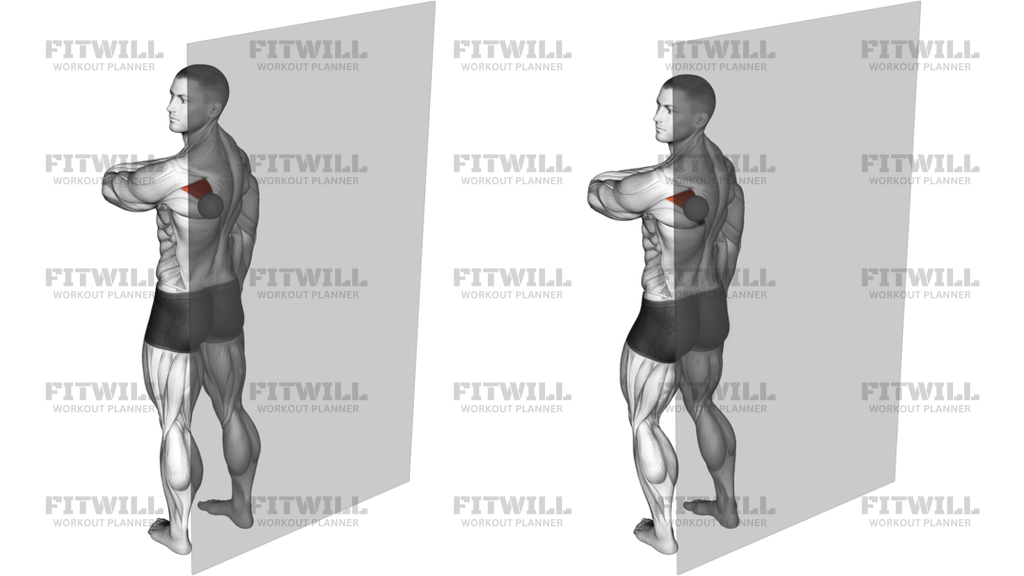
Roll Ball Infraspinatus Version 2 is a wall-based shoulder release and control drill that focuses on the back of the shoulder where the infraspinatus sits. The roll ball gives you a small, precise contact point, so you can work the posterior cuff without having to compress the whole upper back or trap area. It is useful when the back of the shoulder feels tight after pressing, pulling, throwing, or long periods of desk work.
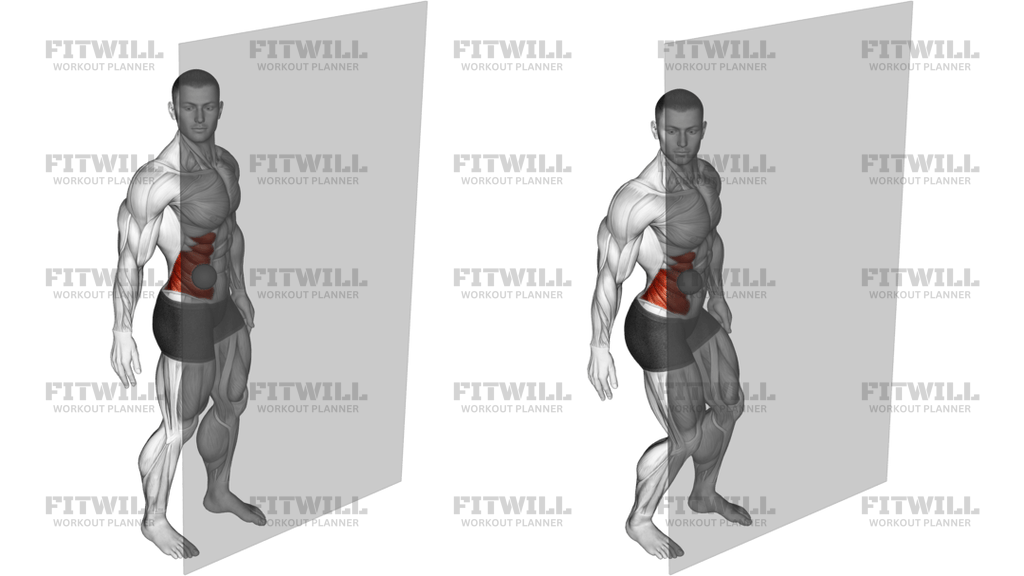
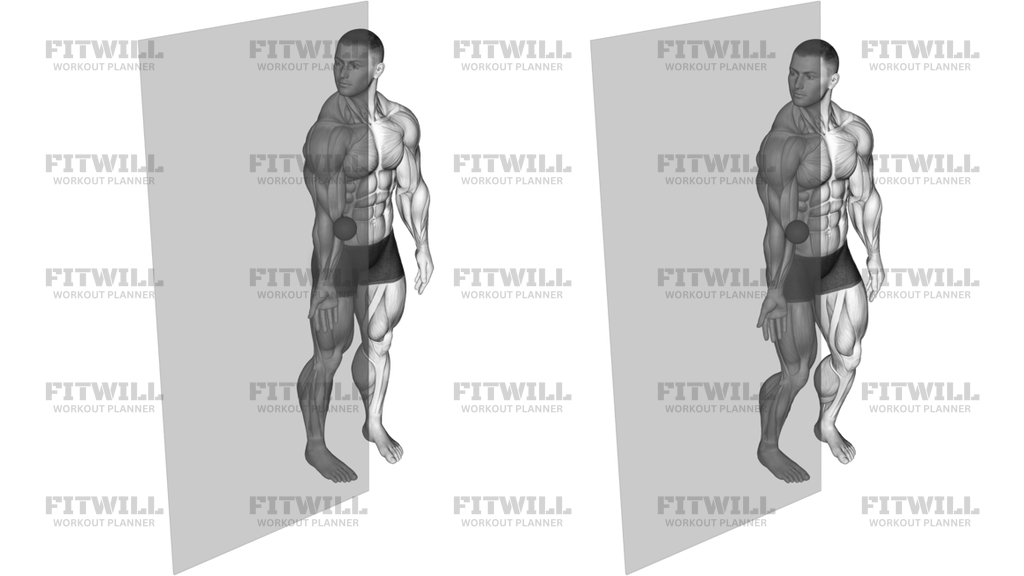
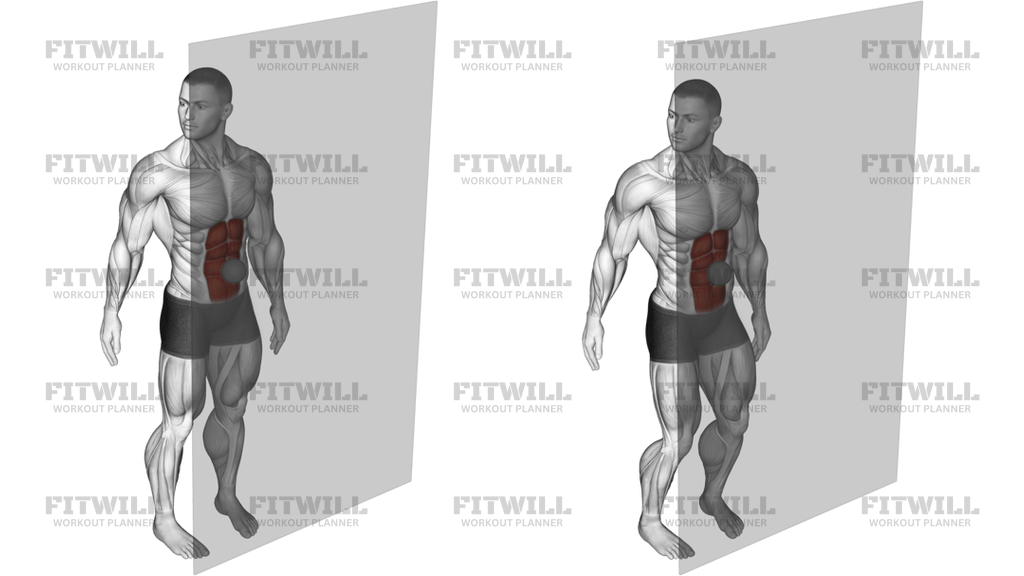
The setup matters because the ball needs to stay on the posterior shoulder, not drift up into the neck or slide onto the rear deltoid. In the image, the body is turned sideways to the wall, the working arm is held in front of the torso, and the shoulder is lightly loaded against the ball. That angle keeps the pressure organized and makes it easier to find the tender spot on the rotator cuff rather than bouncing around the joint.
Roll Ball Infraspinatus Version 2 should feel like controlled pressure with small, deliberate movement. Once the ball is pinned to the wall, search the area with tiny circles or short rolls, then pause on a sensitive point for a few breaths. Keep the rib cage stacked, the neck long, and the shoulder blade relaxed so the pressure stays on the posterior shoulder instead of turning into a shrug.
This drill works well as part of a warm-up before benching, overhead work, rowing, or any session where the shoulder needs to move cleanly. It can also be used after training or on recovery days when the back of the shoulder feels stiff or hard to rotate. The goal is not to grind through pain, but to create enough targeted pressure that the tissue softens and the shoulder feels easier to position afterward.
Keep the range small and the sensation manageable. Sharp pain, numbness, or symptoms that travel down the arm are signs to reduce pressure or stop. Roll Ball Infraspinatus Version 2 is most effective when the movement stays quiet and repeatable, because the value comes from precise contact and relaxed breathing rather than from forcing a bigger range.
[ Workout Log & Planner ]
Put your next workout in Fitwill
Keep your plan and training log ready when you are.


Instructions
- Stand sideways to a wall and place the roll ball on the back of one shoulder, just behind the shoulder cap and below the top of the scapula.
- Bend the working elbow and hold the forearm in front of your chest so the shoulder stays open and the ball can sit on the posterior cuff.
- Step the same-side foot slightly away from the wall and lean in just enough to pin the ball without shrugging the shoulder.
- Find a tender but tolerable spot on the back of the shoulder and keep the contact steady for a breath.
- Make tiny circles or short up-and-down rolls to search the infraspinatus area instead of scrubbing across the whole shoulder.
- Pause on a tight point for two to three slow breaths, then move a few millimeters to the next spot.
- Keep the neck long, the jaw relaxed, and the shoulder blade gently settled rather than jammed upward.
- Back off immediately if the sensation turns sharp, numb, or travels down the arm.
- Step away from the wall and gently circle the shoulder before repeating on the other side.
Tips & Tricks
- Use just enough bodyweight to create pressure on the posterior shoulder without pinching the joint.
- If the ball keeps sliding onto the rear deltoid, move the elbow slightly farther forward and slightly lower.
- Tiny circles usually work better than big scrubbing motions for this spot.
- Keep the shoulder away from the ear so the pressure stays off the upper trap.
- Exhale slowly while you hold a tender point to keep the tissue from guarding.
- Work around the most painful point first; the exact hot spot often settles after a few small passes.
- If the back of the shoulder feels irritated after benching, use lighter pressure and shorter holds.
- Stop before the sensation becomes sharp, electric, or numb because that is no longer simple soft-tissue work.
Frequently Asked Questions
What does Roll Ball Infraspinatus Version 2 target most?
It mainly targets the back of the shoulder, especially the infraspinatus area of the rotator cuff.
Where should the roll ball sit on Roll Ball Infraspinatus Version 2?
It should sit on the back of the shoulder, just behind the shoulder cap, not high in the neck or out on the rear delt.
Should my elbow stay bent during Roll Ball Infraspinatus Version 2?
Yes. A bent elbow helps keep the arm in front of the body and makes it easier to pin the ball on the posterior cuff.
How much pressure should I use?
Use enough pressure to feel a firm, manageable release, but not so much that you have to brace or hold your breath.
Is Roll Ball Infraspinatus Version 2 supposed to hurt?
It should feel intense but controllable. Sharp pain, numbness, or pain that shoots down the arm means the pressure is too much.
Can beginners do Roll Ball Infraspinatus Version 2?
Yes, beginners can use it if they keep the pressure light and work with tiny movements instead of pushing aggressively.
When is Roll Ball Infraspinatus Version 2 most useful?
It works well before benching, rowing, or overhead work, and it can also help after training if the back of the shoulder feels stiff.
What should I do if the ball slides off the shoulder?
Reduce pressure, bring the forearm a little farther forward, and keep the torso slightly more upright so the ball stays on the target spot.