Table Top Bridge
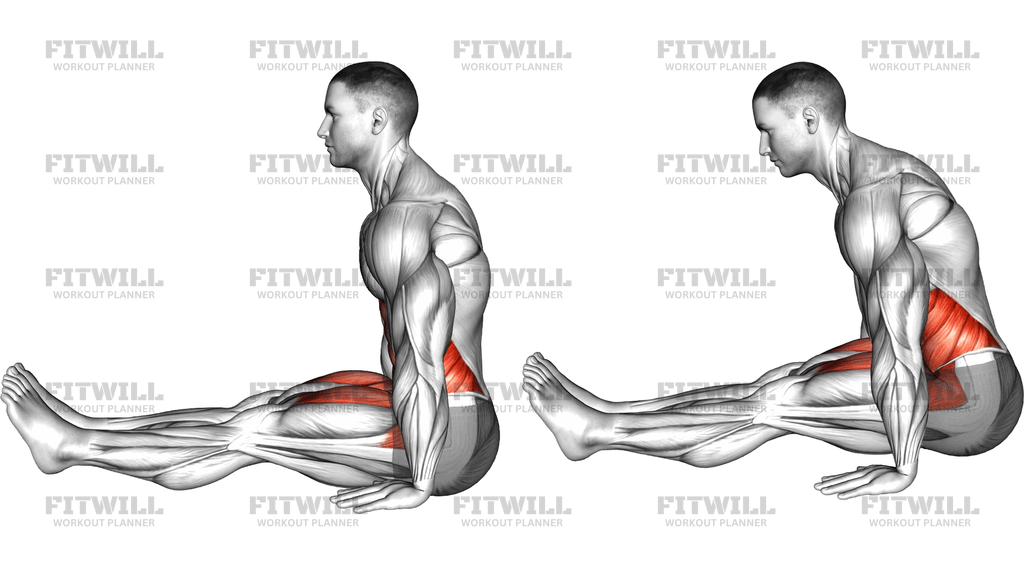
Table Top Bridge is a reverse tabletop bridge performed from the floor with your hands planted behind you and your feet flat in front. It trains the glutes, hamstrings, core, and shoulder stabilizers while also asking the triceps and upper back to support body weight. The exercise is simple in appearance, but it only works well when the hands, feet, and hip line are set up carefully.
The starting position matters because the shoulders, wrists, and hips all share the load. Sit down first, place your palms slightly behind your hips, and set your feet flat about hip-width apart. From there, brace the trunk, keep the chest open, and press through the palms and heels so the body can rise without dumping into the lower back or collapsing into the shoulders.
At the top, the goal is a clean straight line from shoulders to knees, or from shoulders to ankles if your mobility allows it. The hips should stay high, the ribs should stay controlled, and the neck should remain long. This is a bridge, not a backbend, so the lift should come mostly from hip extension and glute tension instead of flaring the rib cage or hanging on passive joint stretch.
Use Table Top Bridge as a warm-up, accessory strength drill, or bodyweight conditioning movement when you want posterior-chain work without external load. It is useful for building hip extension strength, improving shoulder tolerance in extension, and teaching better midline control under bodyweight support. Beginners can use shorter holds or smaller range, while more advanced lifters can add pauses, slow tempo, or longer sets as long as the wrists and shoulders stay comfortable.
[ Workout Log & Planner ]
Put your next workout in Fitwill
Keep your plan and training log ready when you are.


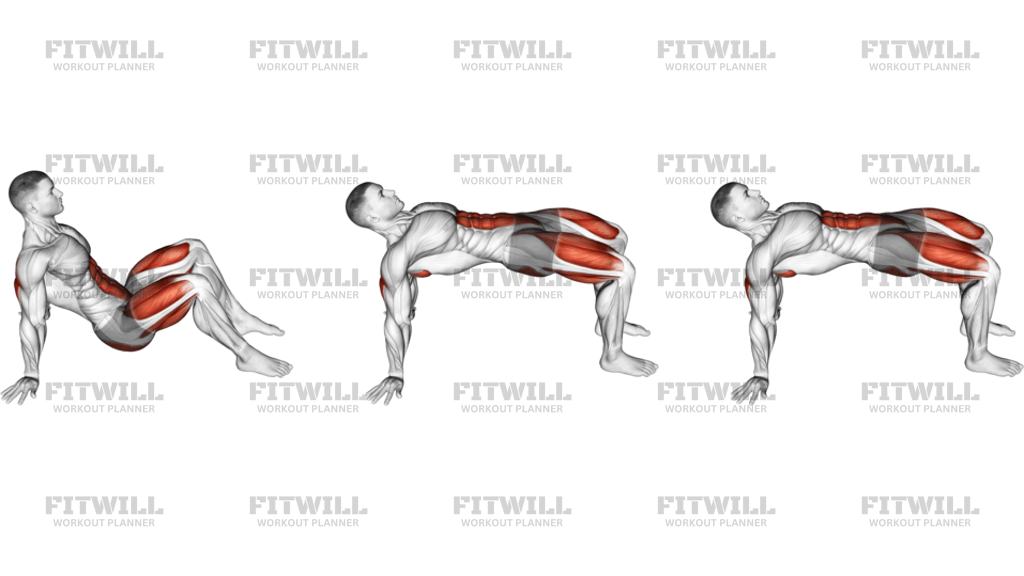
Instructions
- Sit on the floor with your knees bent and your feet flat about hip-width apart.
- Place your hands on the floor slightly behind your hips, with your fingers pointing toward your feet or slightly outward if your wrists need it.
- Stack your shoulders over your hands, spread your fingers, and keep your chest lifted before you move.
- Brace your abs, then press through your palms and heels to lift your hips off the floor.
- Keep your ribs controlled and your neck long as you drive the hips upward.
- Raise your hips until your torso and thighs form a straight line and your glutes are fully engaged.
- Hold the top position briefly or perform the planned controlled repetition tempo without letting the shoulders sink.
- Lower the hips under control, then reset your hands and feet before the next rep.
Tips & Tricks
- If your wrists feel stressed, turn the fingers slightly outward instead of forcing them straight back.
- Press through the heels and the base of the palms so the hips rise evenly instead of drifting forward.
- Keep the ribs down at the top; the bridge should come from the glutes, not from arching the low back.
- Squeeze the glutes hard before you start the lowering phase so the hips stay level.
- Do not let the shoulders creep toward the ears; keep them packed and active as you hold your weight.
- If the top position feels cramped, shorten the range and stop at a pain-free hip height.
- Breathe out as you lift and inhale while you lower or hold the bottom reset.
- Slow the descent if you want more posterior-chain tension without adding load.
Frequently Asked Questions
What muscles does Table Top Bridge work?
It mainly hits the glutes and hamstrings, with the core, triceps, shoulders, and upper back helping support the bridge.
Is Table Top Bridge the same as a reverse tabletop bridge?
Yes. This movement is commonly called a reverse tabletop bridge because you support your body with your hands behind you and your feet in front.
Where should my hands go in the setup?
Place your palms slightly behind your hips, about shoulder-width apart, so you can press into the floor without crowding your wrists.
How high should I lift my hips?
Lift until your torso and thighs make a straight line. If you have to arch your low back to go higher, stop a little lower.
Why do my wrists hurt during this exercise?
The reverse tabletop position puts the wrists in extension. Turn the hands slightly outward, reduce the hold time, or elevate the hands if the position is too aggressive.
Can beginners do Table Top Bridge?
Yes. Beginners should start with short holds, a smaller hip lift, and a setup that feels stable before adding time or reps.
What is the most common form mistake?
Letting the ribs flare and turning the bridge into a low-back arch instead of a glute-driven lift is the biggest error.
Should this be held or repeated?
It can be used either way. Hold the top for endurance and stability work, or use controlled reps if the workout calls for repeated bridges.