Barbell Pause Incline Bench Press
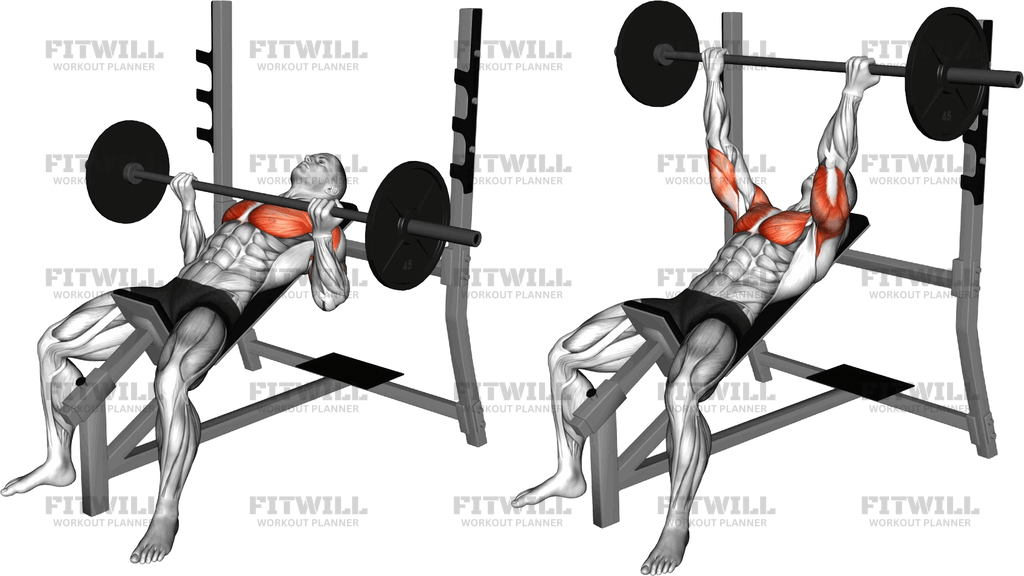
Barbell Pause Incline Bench Press is a barbell pressing exercise done on an incline bench to train the upper chest with help from the front shoulders and triceps. The pause removes the bounce at the bottom, so each rep has to start from a dead stop instead of using momentum off the chest. That makes the lift useful for building strength, tightness, and control in the part of the press where many lifters lose position.
The incline angle shifts more work toward the clavicular fibers of the pectoralis major, while the anterior deltoids and triceps brachii help finish the press. Because the bar starts and stops under load, the setup matters as much as the press itself. A stable upper back, solid leg drive, and a consistent touch point keep the bar path repeatable and reduce stress on the shoulders.
Set the bench to a moderate incline, usually around 30 to 45 degrees, and lie back with your eyes under the bar. Plant your feet firmly, grip the bar a little wider than shoulder width, and keep your wrists stacked over your forearms. Pull your shoulder blades back and down before unracking, then lower the bar with control to the upper chest or just below the collarbones, depending on your build and comfort.
At the bottom, hold the bar motionless long enough to kill all rebound. From that pause, press the bar up and slightly back toward the rack until your elbows straighten without losing upper-back tension. Keep your ribs down, breathe under control, and stop the set if the bar drifts toward your neck, your shoulders roll forward, or the pause turns into a relaxed sink into the bench.
This variation is commonly used for strength work, hypertrophy blocks, and technique training when a lifter wants a stricter incline press than the standard rebound version. It is also a useful option when the goal is to clean up bar control, improve starting strength off the chest, or reduce dependence on touch-and-go momentum. Light to moderate loads work best when the pause is honest and the rep path stays consistent from the first rep to the last.
[ Workout Log & Planner ]
Put your next workout in Fitwill
Keep your plan and training log ready when you are.


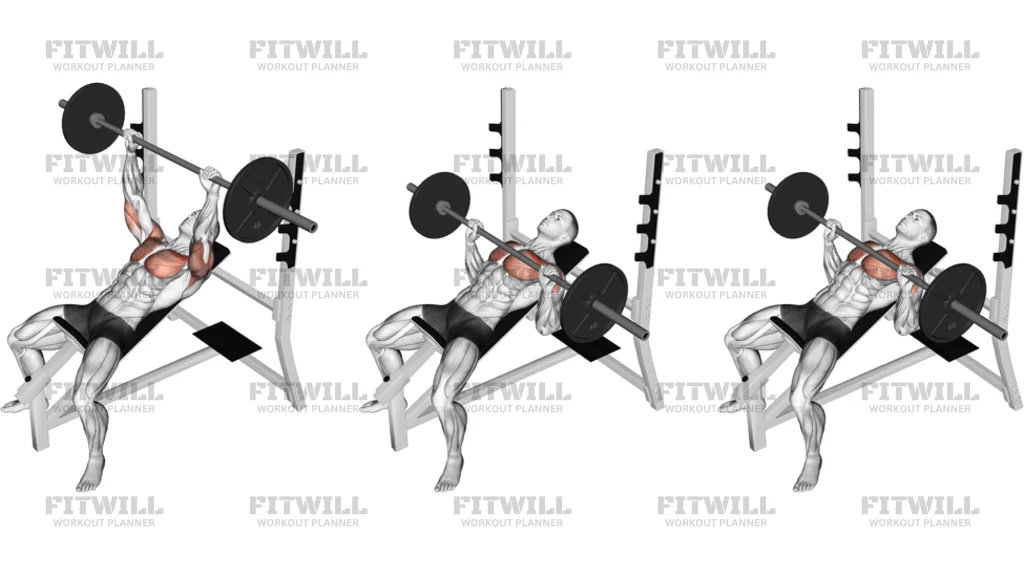
Instructions
- Set the incline bench to about 30 to 45 degrees and lie back with your eyes under the bar.
- Plant both feet flat, keep a slight arch in your upper back, and grip the bar a little wider than shoulder width.
- Wrap your thumbs around the bar, stack your wrists over your forearms, and pull your shoulder blades back and down.
- Unrack the bar and hold it over your shoulder line with your elbows under the bar.
- Lower the bar in a controlled path to the upper chest or just below the collarbones.
- Pause on the same touch point until the bar is completely still and the rebound is gone.
- Press the bar up and slightly back toward the rack until your elbows straighten without losing upper-back tension.
- Rerack the bar under control and repeat for the planned number of repetitions.
Tips & Tricks
- Keep the incline moderate; a very steep bench turns this into more of a shoulder press.
- Pause long enough to stop the bar dead, but do not relax into the bench or lose shoulder tension.
- If your wrists bend back, reduce the grip width and keep the bar lower in the palm.
- Let the bar travel slightly back on the way up so it finishes over the shoulder line, not over the stomach.
- Do not flare the elbows straight out to the sides; a moderate angle is usually friendlier on the shoulders.
- Use a load you can pause cleanly for every rep, because a sloppy bottom position defeats the purpose of the exercise.
- Keep your feet planted and use leg drive to stay tight, not to bounce the bar off the chest.
- If the bar touches too high on the chest, lower the touch point a little and keep the press path consistent.
- A spotter is useful when training close to failure because the pause removes the usual bounce off the bottom.
Frequently Asked Questions
What does Barbell Pause Incline Bench Press train most?
It emphasizes the upper chest, with the front shoulders and triceps assisting the press.
Why pause the bar on the chest?
The pause removes the stretch reflex, so the press has to start from a true dead stop and build real bottom-end strength.
Where should the bar touch on the incline?
Most lifters will touch around the upper chest or just below the collarbones, but the exact spot should feel stable and pain-free.
How wide should my grip be?
A grip a little wider than shoulder width is a good starting point because it usually keeps the forearms vertical at the bottom.
Is this exercise beginner-friendly?
Yes, if you use a light load, a controlled pause, and a rack or spotter that lets you set up safely.
What is the biggest form mistake?
Bouncing the bar off the chest or relaxing the upper back during the pause usually turns the lift into a loose touch-and-go press.
How long should the pause be?
Long enough for the bar to become completely still, usually about one to two seconds for most lifters.
Can I substitute dumbbells for this movement?
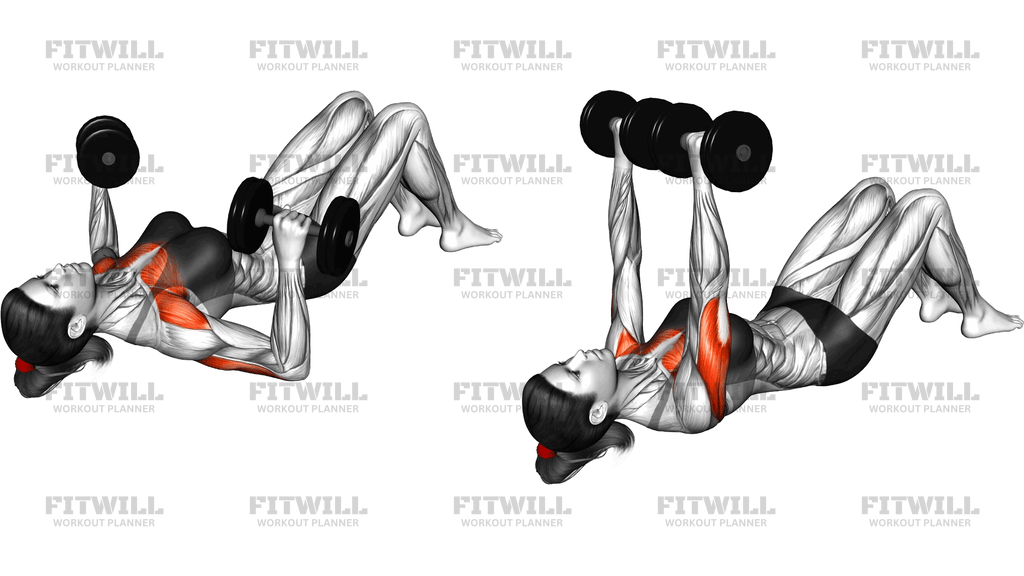
Dumbbells can work, but the barbell version gives a more stable bottom position and makes the pause more consistent.