Barbell Pin Squat
Barbell Pin Squat is a rack-based squat variation that uses safety pins or spotter arms as the bottom stop. It is built for lifters who want more control out of the hole, stronger thigh drive, and a cleaner repeatable depth than a free rebound squat gives. Because the bar settles onto the pins, each rep asks you to create tension on purpose instead of bouncing out of the bottom.
This version shifts a lot of work to the thighs, especially the quads, while the glutes, adductors, core, and upper back keep the bar path organized. It is useful when your regular back squat stalls at the bottom, when you want to practice consistent depth, or when you need a squat pattern that reinforces positioning inside the rack. The dead-stop bottom also makes the rep honest: if you lose brace or bar path, the pins tell on you immediately.
Set the pins at the exact depth you want to train, usually just below parallel, and place the bar on your upper back the same way you would for a standard back squat. Step back far enough to clear the rack, then keep your whole foot planted as you descend. The torso should stay tight, the knees should track over the toes, and the bar should travel straight down and up instead of pitching forward.
On each rep, lower under control until the bar reaches the pins, let it settle without crashing, and drive up from the floor with a hard brace. Because the bar cannot rebound, the first inch of the ascent matters: stay patient, keep the chest and hips rising together, and push through the midpoint before standing tall. That pause at the bottom is what makes the exercise valuable for strength from a dead stop.
Barbell Pin Squat can be used as a main lower-body lift with moderate loads, but it is also very useful as an accessory after front squats, back squats, or dead-stop work. Beginners can use it with a light bar or empty bar if the rack setup is correct and the bottom position feels stable. The safest reps are the ones that touch the pins softly, stay balanced over the midfoot, and finish with the bar fully controlled before you rerack.
Fitwill
Log Workouts, Track Progress & Build Strength.
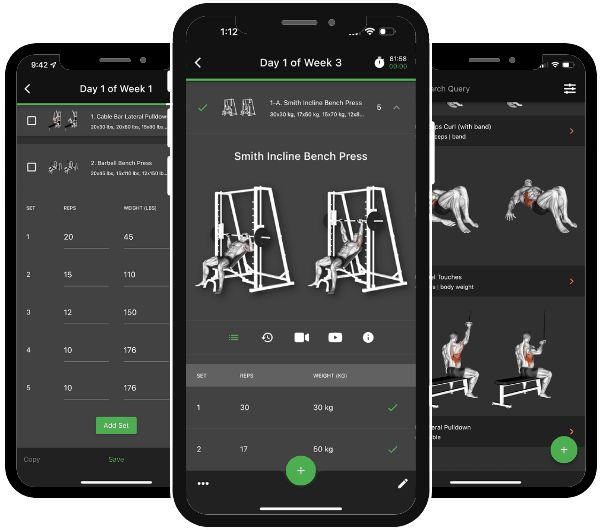
Achieve more with Fitwill: explore over 5000 exercises with images and videos, access built-in and custom workouts, perfect for both gym and home sessions, and see real results.
Start your journey. Download today!


Instructions
- Set the safety pins in a power rack just below your squat depth and load the bar evenly on both sides.
- Step under the bar so it rests across your upper back, grip it just outside shoulder width, and stand up to clear the hooks.
- Take one or two small steps back, plant your feet about shoulder width apart with the toes slightly turned out, and balance over the midfoot.
- Inhale deeply, brace your torso, and lock your upper back before you start the descent.
- Sit your hips down between your heels while your knees bend and track over your toes, keeping the bar path vertical over the midfoot.
- Lower until the bar makes a controlled contact with the pins at the bottom of the squat.
- Pause briefly on the pins without relaxing your brace, then drive your feet through the floor to stand up.
- Exhale near the top, reset your breath and brace if you have another rep, and rerack the bar after the final repetition.
Tips & Tricks
- Set both pins to the same height so the bar meets them level; a crooked setup can twist the bar at the bottom.
- Choose pin height carefully: too low and the rep becomes a partial squat, too high and you lose the bottom-end strength challenge.
- Lower the bar under control so it touches the pins softly instead of dropping onto them.
- Keep the bar pinned to your upper back, not in your hands; the hands should guide the bar, not support the load.
- Keep pressure through the whole foot, especially the midfoot and heel, to stop the knees and hips from drifting forward together.
- Stay tight against the pins for a short pause so the bottom position builds starting strength instead of a bounce.
- Use less weight than your regular back squat because the dead stop removes the stretch reflex.
- If your torso folds or your lower back rounds, raise the pins slightly and shorten the range you train.
- A belt can help if you can still breathe into your abdomen and brace hard before the bar leaves the pins.
Frequently Asked Questions
What muscles does Barbell Pin Squat work most?
The quads and glutes do most of the lifting, while the core and upper back keep the bar stable inside the rack.
How is Barbell Pin Squat different from a regular back squat?
A regular back squat uses the stretch reflex out of the bottom, while Barbell Pin Squat removes that rebound by making you start from the pins.
Should the bar rest on the pins every rep?
Yes, the bar should make a controlled, light contact with the pins at the bottom before you drive up again.
Where should I set the pins for Barbell Pin Squat?
Set them just below parallel or at the exact depth you want to train consistently, then keep both sides even.
Is Barbell Pin Squat good for beginners?
Yes, if the rack is set correctly and you start with a light bar or empty bar so you can learn the brace and bottom position.
What is the most common mistake in Barbell Pin Squat?
Relaxing on the pins and losing tension is the biggest mistake; keep your torso braced and your upper back tight the whole time.
Can I use Barbell Pin Squat instead of pause squats or box squats?
Yes, but it feels more like a dead-stop squat because the bar rests on a hard rack stop rather than a box or soft pause.
Why does Barbell Pin Squat feel harder out of the bottom?
You cannot bounce out of the hole, so the first inch of the ascent has to come from pure leg and torso force.