Lotus Pose Breathing
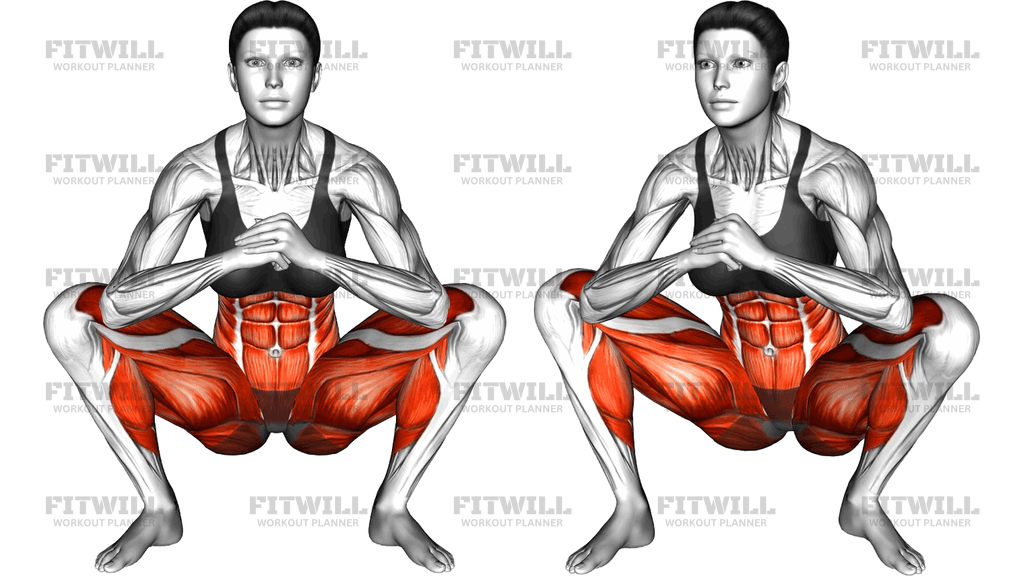
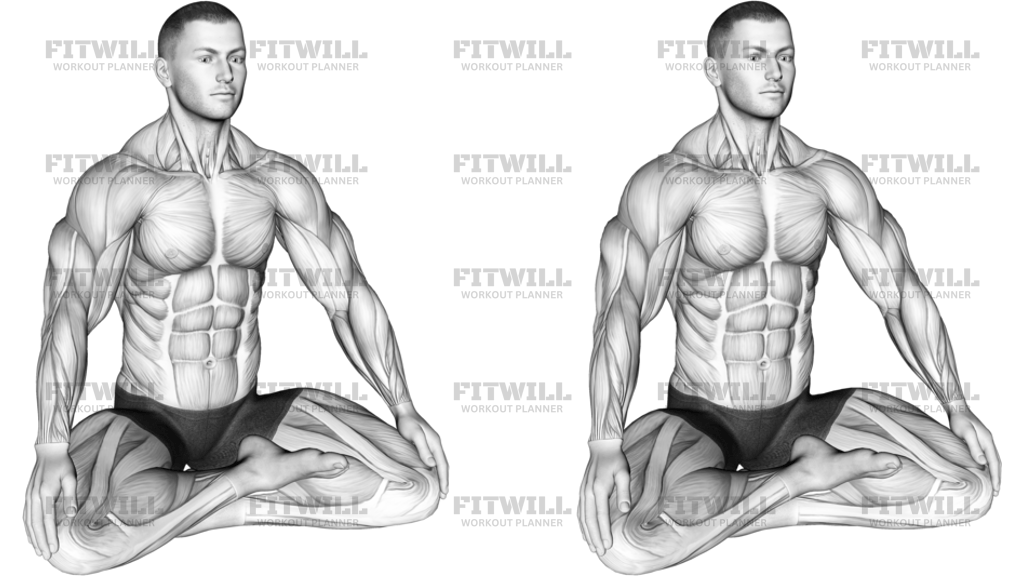
Lotus Pose Breathing is a floor-based breathing drill performed in a full lotus seat. It is less about lifting or loading and more about creating a stable, upright posture so the breath can move cleanly through the ribs, belly, and lower back without the torso collapsing or the shoulders taking over. The lotus position matters because the crossed-leg seat helps anchor the pelvis, which makes it easier to keep the spine long and the breathing pattern calm.
The exercise primarily trains diaphragmatic breathing, rib expansion, and postural endurance in the muscles that keep the trunk stacked. You should feel the work mostly in the breathing musculature and the small stabilizers that hold the chest up over the pelvis. The goal is not to force a deeper breath by arching the back or flaring the ribs; it is to stay tall and let the inhale and exhale stay smooth, quiet, and controlled.
Start by sitting on a mat or other flat surface and settling into lotus only as far as your hips and knees allow without strain. If the knees hover or the hips tip backward, raise the seat on a folded blanket or use a simpler cross-legged variation. Once seated, place the hands on the knees or thighs, lengthen the spine, soften the shoulders, and keep the chin level so the neck stays long. That stacked setup keeps the chest open enough for breathing without turning the pose into a tense back extension.
Each breathing cycle should be deliberate. Inhale through the nose and let the lower ribs expand outward while the belly gently rises. Exhale slowly and fully enough that the ribs settle back down and the abdomen draws in without forcing a hard brace. Keep the face relaxed, the jaw unclenched, and the breath even from one side to the other. If the breath starts to hitch, shorten the hold and reduce the duration before trying to deepen the pattern.
Lotus Pose Breathing is useful as a warm-up, recovery drill, or mobility-focused reset when you want to calm the nervous system while keeping the trunk organized. It is also a practical way to practice sitting posture for meditation or yoga work without slumping through the low back. The main safety point is simple: do not force full lotus if the knees, ankles, or hips complain. A clean, pain-free seat with steady nasal breathing is the right version of the exercise.
Fitwill
Log Workouts, Track Progress & Build Strength.
Achieve more with Fitwill: explore over 9600 exercises with images and videos, access built-in and custom workouts, perfect for both gym and home sessions, and see real results.
Start your journey. Download today!




Instructions
- Sit on a mat or flat floor and move into lotus only as far as your hips and knees allow without pain.
- If full lotus feels tight, sit on a folded blanket or use a simpler cross-legged seat so the pelvis can stay upright.
- Place your hands on your knees or thighs and stack your sit bones so your weight is centered, not rolled back on the tailbone.
- Grow tall through the crown of the head, keep the chin level, and let the shoulders drop away from the ears.
- Inhale slowly through the nose and let the lower ribs widen outward before the chest lifts.
- Exhale in a long, quiet stream and let the ribs settle down as the abdomen draws inward.
- Keep the face, jaw, and hands relaxed while you maintain the upright seat.
- Repeat for the planned breathing count, then uncross the legs slowly and stand up carefully.
Tips & Tricks
- Use a folded blanket or cushion under the sit bones if your low back rounds as soon as you sit down.
- Do not force both knees toward the floor; the knees should rest where the hips comfortably place them.
- Keep the pelvis vertical enough that the breath can expand the ribs instead of collapsing the torso forward.
- Let the exhale last a little longer than the inhale if you want a calmer, more down-regulated breathing pattern.
- Breathe through the nose unless the nose is blocked, since nasal breathing helps keep the pace smooth and quiet.
- Avoid shrugging the shoulders on the inhale; the upper chest should stay soft while the lower ribs expand.
- If the ankles start to pinch, come out of full lotus and switch to a simpler seated position immediately.
- Keep the back of the neck long so the head does not drift forward as the breath deepens.
Frequently Asked Questions
What does Lotus Pose Breathing train?
It mainly trains controlled breathing, rib expansion, and the postural muscles that keep you tall in a seated lotus position.
Do I need full lotus to do this exercise?
No. If full lotus feels forced, use a half-lotus, easy cross-legged seat, or a cushion so you can breathe without knee or ankle strain.
Where should I feel the breath during the inhale?
You should feel the lower ribs and belly expand first, with the chest staying relaxed instead of popping up aggressively.
What is the biggest mistake in lotus breathing?
The most common mistake is forcing the knees down or arching the back to make the posture look deeper than it actually is.
Should I hold my breath at the top or bottom?
Only use a brief pause if it stays comfortable. The main goal is smooth, controlled breathing rather than long breath holds.
Is this more of a mobility drill or a breathing drill?
It is both, but the breathing pattern is the priority and the lotus seat is what creates the stable posture around it.
Can beginners use this exercise?
Yes, beginners can use it if they choose a comfortable seat and keep the breathing smooth instead of chasing the full lotus shape.
How can I make the exercise harder without adding weight?
You can extend the breathing duration, slow the exhale, or hold the upright seat longer while keeping the torso steady.