Lizard Pose
Lizard Pose is a deep bodyweight stretch used to open the front of the hip, groin, and inner thigh while keeping the torso long and stable. In this position the back leg stays extended, the front foot steps wide outside the hand line, and the forearms lower toward the floor so you can settle into a controlled hip-opening hold instead of collapsing into the lower back.
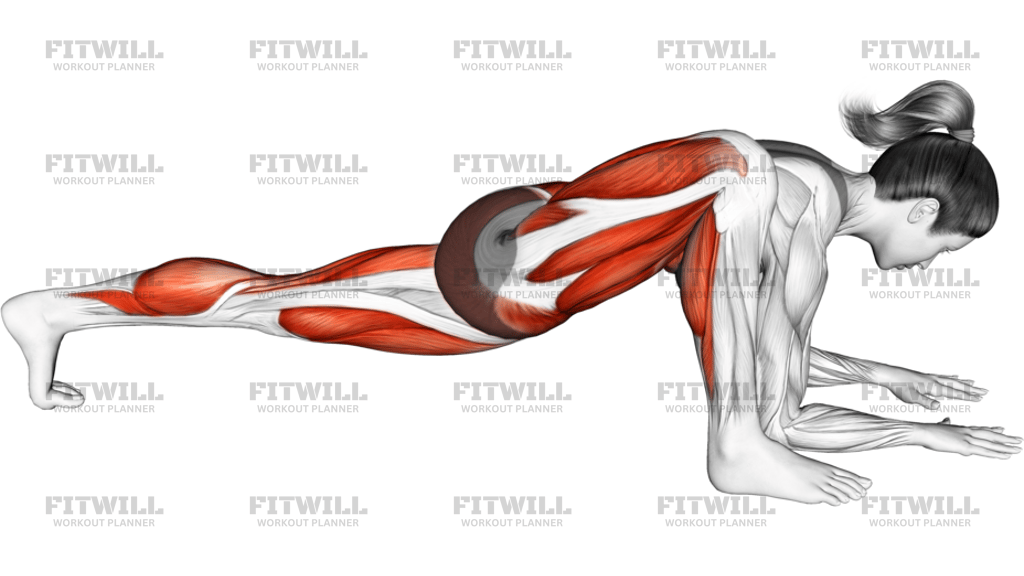
The image shows the classic lizard setup: one foot planted near the outside of the same-side hand, the opposite leg stretched long behind you, and the elbows or forearms supported on the floor. That arrangement shifts the stretch into the hip flexors, adductors, and glutes while the shoulders, core, and back leg work quietly to keep you from sinking unevenly. The better the setup, the more the stretch stays where you want it.
Lizard Pose is useful when you want to prepare for squatting, lunging, running, kicking, or any session where hip mobility matters. It can also serve as a recovery drill after lower-body training if you need time under tension in the front hip and inner thigh without adding fatigue. Because the position is long and open, small changes matter: stepping the front foot a little wider, lowering onto blocks, or keeping the back knee down can make the pose more accessible.
The best version of Lizard Pose feels strong but not pinchy. Keep the front knee tracking in line with the toes, press the forearms down to steady the torso, and lengthen the spine before you sink deeper. Exhale as you settle into the stretch, then use the next inhale to broaden the ribs and create a little more space at the hip. If the lower back takes over or the front knee caves inward, back out of the range and rebuild the position.
Treat Lizard Pose as a mobility position with purpose, not a contest for maximum depth. The goal is to find a repeatable shape that opens the hip without compressing the lumbar spine or irritating the groin. Done well, it can improve how the front leg feels in split squats, low lunges, and other hip-dominant movements while giving you a clear, controlled stretch you can hold and breathe through.
[ Workout Log & Planner ]
Put your next workout in Fitwill
Keep your plan and training log ready when you are.


Instructions
- Start in a low lunge with the front foot outside the same-side hand and the back leg extended behind you.
- Square the hips as much as your mobility allows, then lower onto your forearms with the elbows under the shoulders.
- Spread the front toes and keep the front heel grounded so the knee tracks over the toes instead of collapsing inward.
- Lengthen through the crown of the head and brace lightly so the lower back does not pinch when you sink deeper.
- Exhale and let the hips drift forward and down until you feel a clear stretch in the front hip and inner thigh.
- Hold the position while breathing slowly and keeping the chest open rather than dumping into the floor.
- If the stretch is one-sided, shift a little toward the tight hip and then come back to center without bouncing.
- To come out, press through the hands, lift the chest, and step the front foot back under control.
- Repeat on the other side for the same amount of time.
Tips & Tricks
- Keep the front knee stacked over the toes; if it drifts inward, the stretch shifts away from the hip and into the knee.
- A shorter stance usually makes the pose more manageable and keeps the pelvis from tipping forward too aggressively.
- If the floor is too low, rest the forearms on blocks or a bench so you can keep the spine long.
- Think about reaching the back heel back as you breathe; that creates length through the rear leg without arching the low back.
- Do not chase depth by forcing the hips down if you feel a pinch at the front of the hip joint.
- Keep the rib cage from flaring up; a stacked ribcage helps the stretch stay in the hip flexors instead of the lumbar spine.
- The front foot can be turned slightly outward for comfort, but avoid letting the arch collapse completely.
- Use slower exhales to soften the groin and adductors before taking a small extra inch of range.
- If the position feels unstable, widen the stance a little and lower less aggressively before holding the stretch.
Frequently Asked Questions
What does Lizard Pose stretch the most?
It mainly stretches the front of the hip, the groin, and the inner thigh on the front leg side.
Is Lizard Pose good for beginners?
Yes, if you keep the stance short and stay on your hands or forearms only as deep as you can control.
Why are the forearms down in Lizard Pose?
Lowering to the forearms lets you relax the upper body and settle the hips deeper without relying on your hands for support.
Should my front foot stay inside or outside the hand in Lizard Pose?
Outside the hand line is the standard lizard setup because it opens the hip and groin more than a narrow lunge stance.
What is the most common mistake in Lizard Pose?
The biggest mistake is dumping into the lower back instead of lengthening the torso and letting the hips open gradually.
Can I keep my back knee down in Lizard Pose?
Yes. Keeping the back knee down usually makes the stretch easier and helps you control the pelvis before you progress deeper.
Where should I feel Lizard Pose if I am doing it correctly?
You should feel a long stretch in the front hip of the back leg, plus some opening in the inner thigh and groin of the front leg.
How can I make Lizard Pose less intense?
Shorten the stance, keep the elbows higher, or place your forearms on blocks so you can stay tall through the spine.