Mindful Breathing Meditation
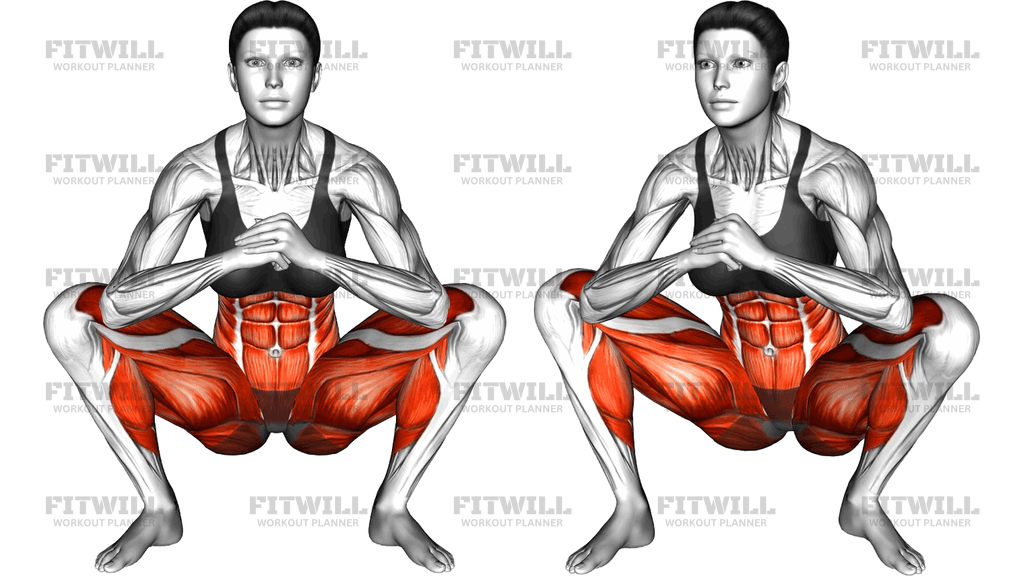
Mindful Breathing Meditation is a simple seated breathing drill used to slow the pace of training and restore control between harder sets. It is not a strength exercise in the usual sense; the value comes from the posture, the breath rhythm, and the ability to stay relaxed while the torso remains tall and organized. The cross-legged floor position shown here makes it easy to create a quiet, stable base for that work.
The setup matters because a slumped seat turns the exercise into a passive rest position instead of an active breathing practice. Sit on the floor or on a thin cushion, cross your legs comfortably, and let both sit bones share the weight. Keep the spine long, the chest soft, and the shoulders down so the ribs can move without strain. Hands can rest on the knees or thighs to help the upper body stay calm and still.
Once you are set, breathe through the nose if possible and aim for slow, even breaths that expand the ribcage without forcing the shoulders upward. A useful pattern is a smooth inhale, a brief pause only if it feels natural, and a longer exhale that gently lowers tension in the neck, jaw, and upper back. The goal is not to chase maximum lung volume, but to create a steady rhythm that you can maintain without bracing hard or fidgeting.
This drill is especially useful at the start of a session, during recovery blocks, or at the end of training when you want to downshift after heavier work. It can also be used as a stand-alone reset on days when you need to clean up posture and breathing mechanics. Beginners can do it easily, but the challenge is precision: stay upright, stay quiet, and keep each breath smooth instead of shallow or rushed.
Treat Mindful Breathing Meditation like a skill practice. The more consistent the seat, head position, and breath cadence are from rep to rep, the more effective it becomes. If discomfort builds in the hips or knees, change the support under the sit bones or move the legs to a position you can hold without strain. The exercise should feel calming and focused, not like a stretch you have to force.
Fitwill
Log Workouts, Track Progress & Build Strength.
Achieve more with Fitwill: explore over 9600 exercises with images and videos, access built-in and custom workouts, perfect for both gym and home sessions, and see real results.
Start your journey. Download today!




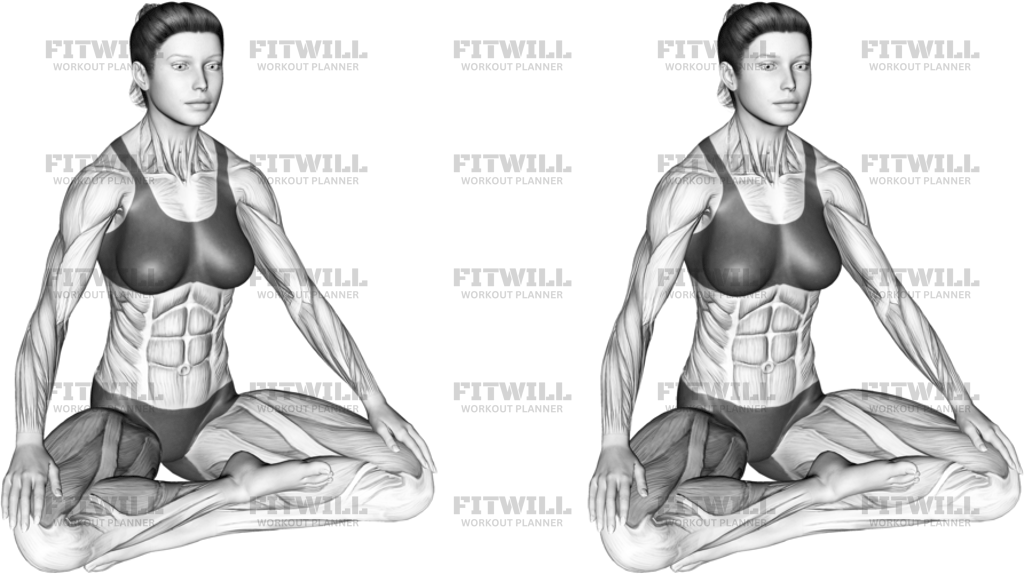
Instructions
- Sit on the floor or a thin cushion with your legs crossed and both sit bones grounded.
- Place your hands lightly on your knees or thighs and let the shoulders drop away from your ears.
- Stack your head over your ribs and lengthen your spine without leaning back or curling forward.
- Close your mouth, inhale slowly through your nose, and feel the ribs expand wide rather than shrugging the shoulders up.
- Pause briefly only if it feels smooth and natural, then begin a longer, controlled exhale through the nose or gently through pursed lips.
- Keep the jaw, face, and hands relaxed while you maintain the upright seat.
- Repeat the breathing pattern for the planned time or number of cycles without changing your posture.
- To finish, take one calm breath, soften the posture, and uncross the legs slowly before standing or moving on.
Tips & Tricks
- Use a cushion under the sit bones if your hips tilt backward in the cross-legged seat.
- Keep the exhale longer than the inhale if you want the drill to feel more calming.
- Let the ribs move instead of lifting the shoulders; shoulder shrugging usually means the breath is too shallow.
- If your knees feel strained, bring the feet closer together or switch to a more open seated position.
- Keep the hands heavy and quiet on the knees so the upper body does not sway with each breath.
- A soft pause after the inhale is fine, but do not hold your breath hard or tense the throat.
- If the lower back rounds, sit a little higher and think about lifting through the crown of the head.
- Use this between heavier sets when your breathing is fast and noisy, not when you need another hard effort.
Frequently Asked Questions
What is Mindful Breathing Meditation supposed to train?
It trains breathing control, posture awareness, and the ability to relax while staying upright and still.
Do I need to sit cross-legged for Mindful Breathing Meditation?
Cross-legged is the common setup shown here, but you can sit on a cushion, on the floor, or on a bench as long as your spine stays tall and relaxed.
How should my hands and shoulders be positioned?
Rest your hands lightly on your knees or thighs and let the shoulders stay down. If the shoulders creep upward, the breath is probably too forced.
Should I breathe through my nose or mouth?
Nasal breathing is ideal because it encourages a slower, quieter rhythm. Use a gentle mouth exhale only if that helps you keep the pace smooth.
What is the biggest mistake in Mindful Breathing Meditation?
The biggest mistake is turning it into a slouched rest position or a forceful breathing drill. Stay upright, keep the ribs moving, and avoid straining the throat.
Can beginners do this exercise safely?
Yes. It is beginner-friendly because there is no load to manage, but the seat should still feel comfortable enough that you can stay relaxed for the full session.
How long should I stay in the seated position?
Use it for a few calm breathing cycles between exercises or for several minutes as a dedicated reset, depending on why you are using it.
What should I do if my hips or knees get uncomfortable?
Sit on a cushion, open the legs a little more, or choose a different seated position. The breath work should be calm, not a test of flexibility.