Peacock Pose Mayurasana
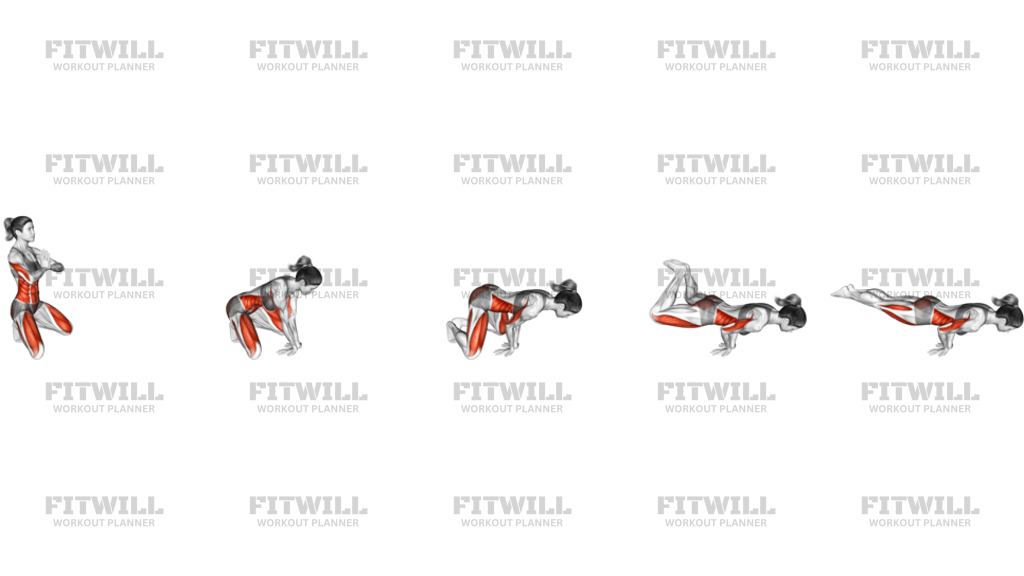
Peacock Pose Mayurasana is a demanding bodyweight yoga arm balance built around a deep forward lean, strong wrist extension, and a tight midline. The pose looks dramatic because the whole body has to stay organized while the elbows press into the abdomen and the hands support most of the load. It is less about moving through a big range and more about creating enough leverage and tension to lift and hold the body in one clean line.
This movement places a strong demand on the wrists, forearms, shoulders, chest, and deep core, with the hips and legs contributing to the final extension. The elbows act like a shelf against the belly, so the setup has to be precise before the feet leave the floor. If the hands are too far apart, the elbows drift away from the torso, or the chest stays too upright, the balance usually collapses before the legs can float.
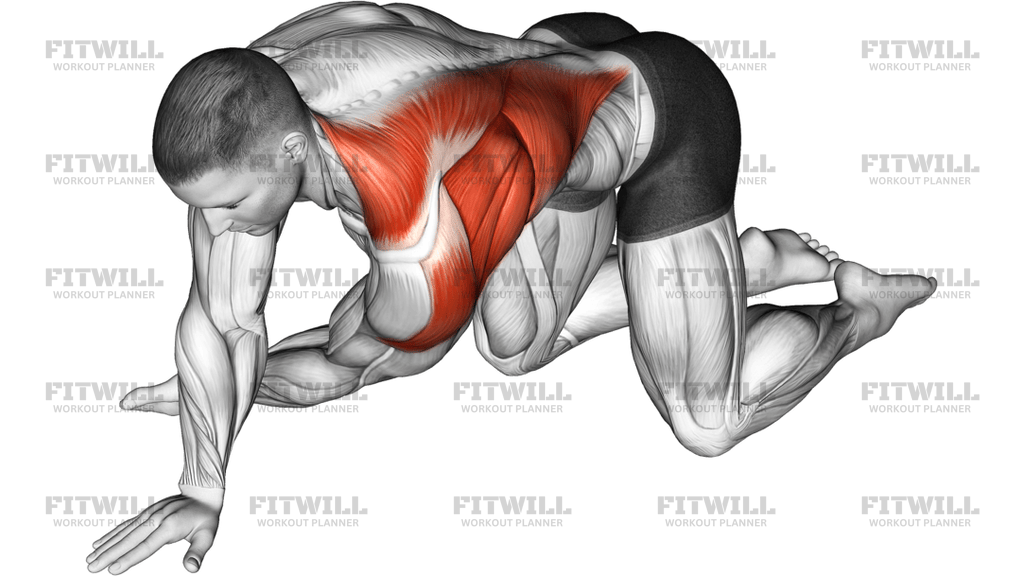
A good Peacock Pose Mayurasana starts from a low kneeling or crouched position with the palms planted and the fingers turned back toward the feet as far as the wrists allow. From there, the chest shifts forward, the abdomen stays braced, and the elbows stay pinned into the center of the torso. That forward shift is what creates the counterbalance needed to unweight the feet, so the movement should feel deliberate rather than rushed.
When the lift happens, keep the body active from head to heel. The shoulders stay strong and slightly protracted, the legs squeeze together, and the glutes and abs help maintain a straight, steady line rather than a sagging low back. The hold should be smooth and controlled, with steady breathing and no sudden jerking through the wrists or shoulders. If the balance point is lost, lower one foot at a time and reset instead of collapsing onto the hands.
Peacock Pose Mayurasana is best used as a technical strength and balance drill for experienced yoga practitioners or advanced bodyweight athletes. It can also be trained in partial versions, such as toe-assisted holds or short float attempts, when the full pose is not yet consistent. Treat it as a precision skill: the quality of the lean, the pressure of the elbows into the torso, and the shape of the line matter more than how long you can fight to stay up.
Fitwill
Log Workouts, Track Progress & Build Strength.
Achieve more with Fitwill: explore over 9600 exercises with images and videos, access built-in and custom workouts, perfect for both gym and home sessions, and see real results.
Start your journey. Download today!




Instructions
- Kneel or crouch on a firm mat and place both palms flat on the floor beside your thighs, with the fingers turned back toward your feet as far as your wrists allow.
- Bring your elbows in tight and press the inner elbows or forearms into the center of your abdomen so your torso has a stable shelf to balance on.
- Lean your chest forward over your hands, keep your head in line with your spine, and look slightly ahead of your fingertips.
- Press the palms down hard, spread the fingers, and shift enough weight forward that your feet begin to feel light.
- Lift one foot, then the other, while keeping the elbows glued to your belly and the legs close together behind you.
- Extend both legs back until your body forms a long, straight line from head to heels, with the hips level and the low back not sagging.
- Hold the position for the planned count while breathing steadily and keeping the shoulders strong rather than collapsing into the chest.
- Lower one foot at a time, bend the knees, and return to the kneeling setup before repeating.
Tips & Tricks
- The hands and wrists do the job here, so warm them up first and do not force an extreme hand turn if your wrists are not ready for it.
- If the elbows slide apart, the balance point disappears quickly; squeeze them into the belly before you try to lift the feet.
- Lean the shoulders forward enough that your weight travels ahead of the hands, or the feet will stay glued to the floor.
- Keep the fingers spread and press through the fingertips, not just the heel of the hand, to make the base less shaky.
- A soft mat can make the pose wobblier; use a firm surface or a thin mat if your hands keep sinking.
- Do not let the low back arch hard when the legs extend, because the pose should come from a rigid midline, not a lazy hinge.
- If both feet will not float yet, practice toe-assisted holds and one-foot lifts instead of forcing a full lift too early.
- Stop the set if the wrists feel sharp pain or if the elbows keep slipping off the abdomen, since both usually mean the setup needs to be simplified.
Frequently Asked Questions
What muscles does Peacock Pose Mayurasana work most?
It heavily challenges the wrists, forearms, shoulders, chest, and deep core, with the hips and legs helping you hold the body in line.
Is Peacock Pose Mayurasana beginner-friendly?
Not usually. Most people need solid wrist tolerance, core control, and some arm-balance practice first, such as plank holds or crow pose progressions.
Where should my elbows be in Peacock Pose Mayurasana?
Keep them pinned into the center of your abdomen, not flared out to the sides. If they drift apart, the torso shelf disappears and the lift gets unstable.
Why won’t my feet lift off the floor in Peacock Pose Mayurasana?
You probably need more forward lean and a stronger elbow-to-belly connection. Keep the shoulders ahead of the hands and shift your weight until one foot feels light.
Should my fingers point forward or back in Peacock Pose Mayurasana?
They usually turn back toward the feet as much as your wrists allow. The exact angle can vary a little, but the hands need a stable, planted base.
Can I do Peacock Pose Mayurasana on a yoga mat?
Yes, but use a firm mat or a thin layer of padding. Too much softness can make the hands sink and make the balance harder to control.
What should I feel if the pose is set up correctly?
You should feel strong pressure through the palms, a firm squeeze from the elbows into the torso, and a hard brace through the core while the body stays long.
How do I make Peacock Pose Mayurasana easier?
Keep the toes on the floor longer, shorten the hold, and practice forward leans before attempting a full float. That lets you build the balance without dumping into the wrists.