Dragonfly Pose Maksikanagasana
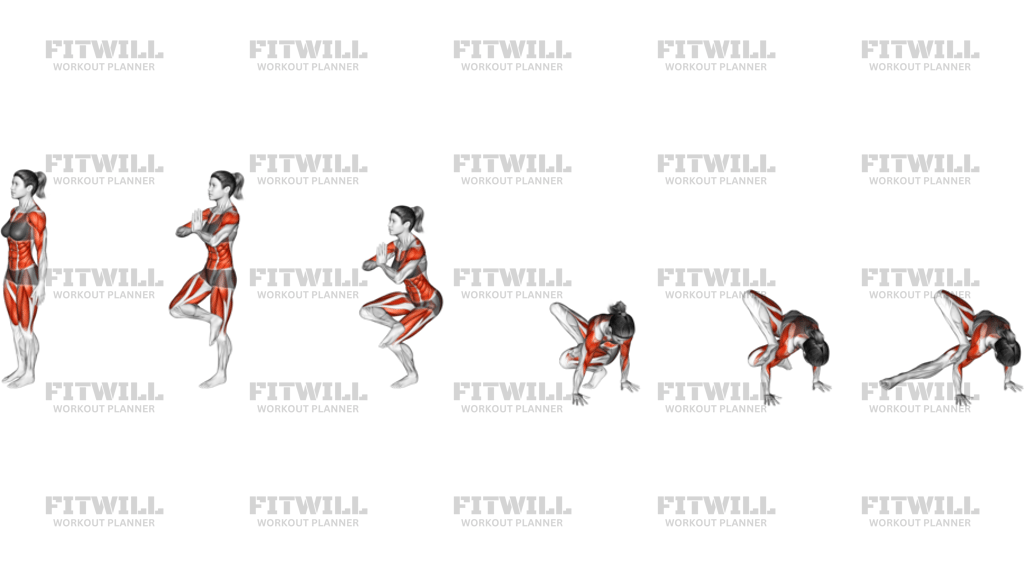
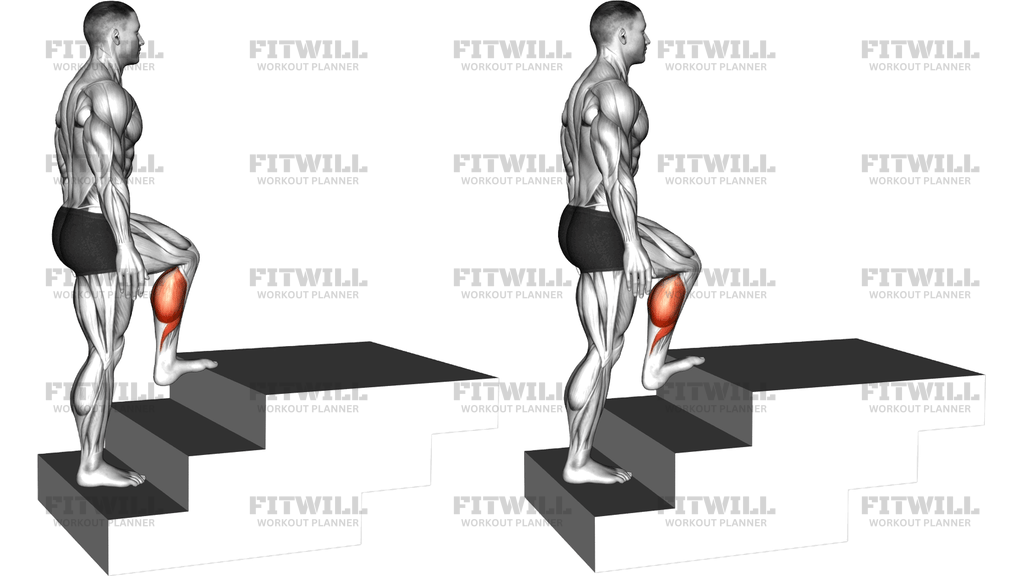
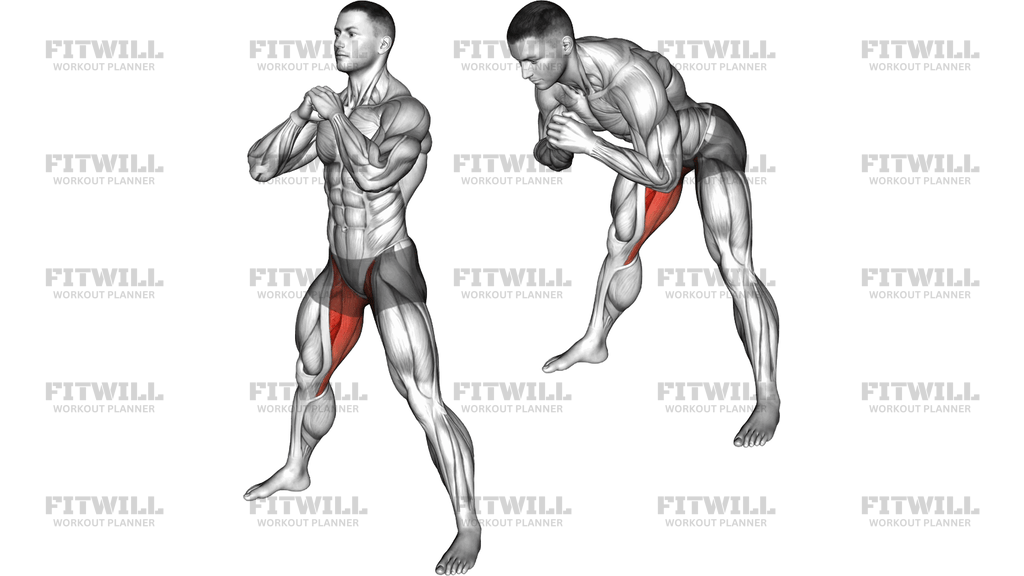
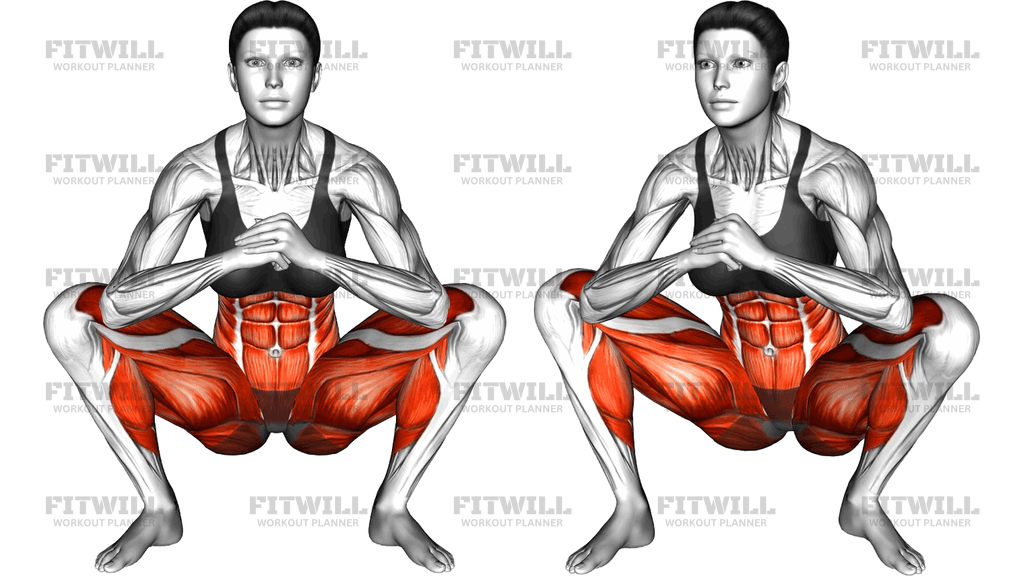
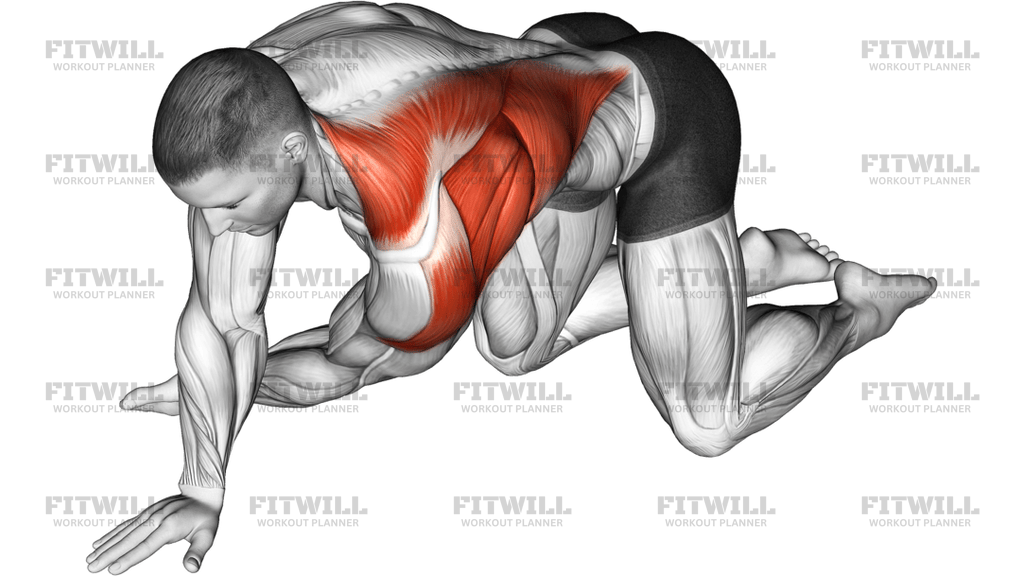
Dragonfly Pose, or Maksikanagasana, is a demanding yoga arm balance that blends a standing preparation, a deep compact fold, and a side-supported lift. In the image sequence, the body first finds a one-leg balance, then drops into a crouched setup before shifting the hands to the floor and hovering in a lateral dragonfly shape. The challenge is not only strength; it is the ability to organize the hips, shoulders, wrists, and breath well enough to move through the transition without collapsing.
The pose heavily involves the shoulders, arms, core, and hip flexors, while the standing entry also asks for balance and single-leg control. The extended leg line makes the balance longer and more unstable, so a controlled weight shift matters more than trying to kick into the final position. When the chest keeps moving forward and the pelvis stays compact, the hands can carry the load more cleanly and the lower back does not have to overwork.
A good repetition begins with a steady standing setup, then a compact crouch or single-leg squat that brings the center of mass low and forward. From there, the hands plant on the floor, the elbows stay active, and the shoulders shift just far enough ahead of the wrists to unweight the feet. The bent leg stays hooked and close, while the free leg reaches long with energy rather than swinging.
This is a pose that rewards patience and a quiet exit. Inhale to lengthen, exhale to fold and shift, then keep the hover brief and deliberate. If the wrists, shoulders, or neck start taking a sharp load, step back immediately and reduce the range. For many people, the best way to build toward Dragonfly Pose is to practice crow, side crow, and compact hip-openers until the forward lean and side balance feel predictable.
Use Dragonfly Pose in advanced yoga, mobility, or body-control work when you want a position that exposes asymmetry in the hips and shoulder girdle. It is most useful when the goal is precision, midline control, and calm under load. Done well, it looks almost effortless because the body is stacked and the transition is smooth, not because the position is easy.
[ Workout Log & Planner ]
Put your next workout in Fitwill
Keep your plan and training log ready when you are.


Instructions
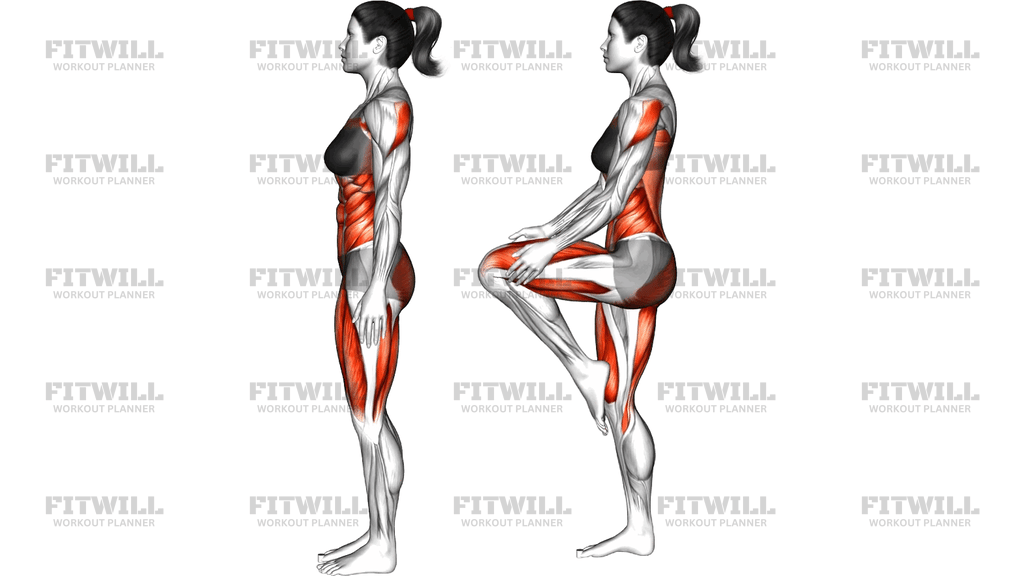
- Stand tall on one leg, bring the other knee up toward the chest, and set your hands at prayer in front of the sternum.
- Lower into a compact single-leg squat or crouch, keeping the lifted knee close and the chest upright as long as you can.
- Separate the hands and place the palms on the floor in front of you, fingers spread wide for a solid base.
- Keep the elbows bent and active, and shift the shoulders slightly forward of the wrists so the weight starts to leave the standing foot.
- Lean the torso forward until the bent leg can stay hooked and supported by the upper arm or triceps shelf.
- Float the feet from the floor, keeping the bent leg compact while the free leg reaches long into the dragonfly line.
- Hold the balance for a breath or two without shrugging the shoulders or letting the hips sag.
- Lower one foot at a time with control, return to the crouch or standing prep, and repeat on the other side.
Tips & Tricks
- Warm up the wrists and shoulders first; this pose loads both heavily once your feet leave the floor.
- Spread the fingers and press through the index finger mound and knuckles so the palms do not collapse inward.
- Think about moving the chest forward over the hands instead of trying to lift the legs with a kick.
- Keep the tucked knee high on the upper arm; if it slides away, shorten the lean and rebuild the shelf.
- Extend the free leg from the hip with control rather than snapping it straight from momentum.
- A small upper-back round is normal here, but avoid dumping into the lower back to buy extra height.
- Use a block under each hand only if it helps you keep the chest forward and the wrists in a more comfortable angle.
- Come out as soon as the shoulders shrug or the wrists ache; this pose is about clean balance, not surviving the hold.
Frequently Asked Questions
What does Dragonfly Pose Maksikanagasana train most?
It mainly trains the shoulders, triceps, core, hip flexors, and wrist stability, with the standing entry also challenging balance.
Is Dragonfly Pose the same as side crow?
They are closely related. Dragonfly usually emphasizes a longer, more extended leg line, while side crow stays more compact.
Why do my feet keep staying on the floor?
Usually the shoulders are not far enough forward or the bent leg is not staying compact enough on the arm shelf. Shorten the setup and build the lean gradually.
Should the extended leg be completely straight?
Yes, the free leg should reach long and active, but it should come from the hip with control rather than a fast kick.
Can a beginner practice this pose?
Most beginners should start with crow, side crow, and balance drills first. Dragonfly is usually an advanced progression once the hands and shoulders can support bodyweight well.
Where should I feel the effort most?
You should feel the palms, forearms, shoulders, side abs, and hip flexors working together. Sharp pain in the wrists or neck is a sign to back off.
How do I keep from falling sideways?
Keep the chest moving forward, keep the tucked knee hugged in, and press evenly through both hands instead of dumping onto one shoulder.
What is the safest way to come out of Dragonfly Pose?
Lower one foot to the floor first, then the other, and return to the crouch or standing prep before standing all the way up.