Roll Ball Side Lying Scalene Muscles Activation
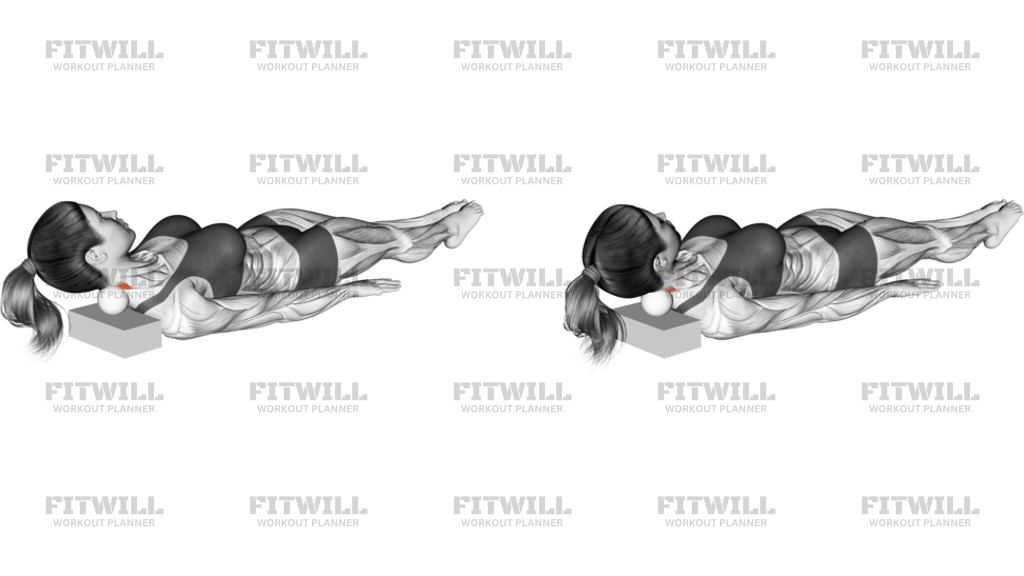
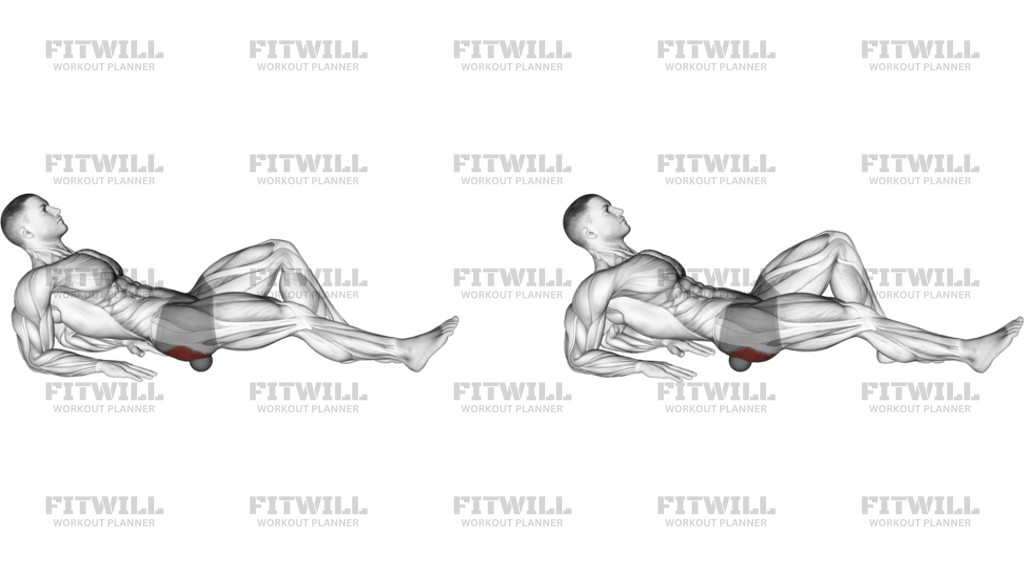
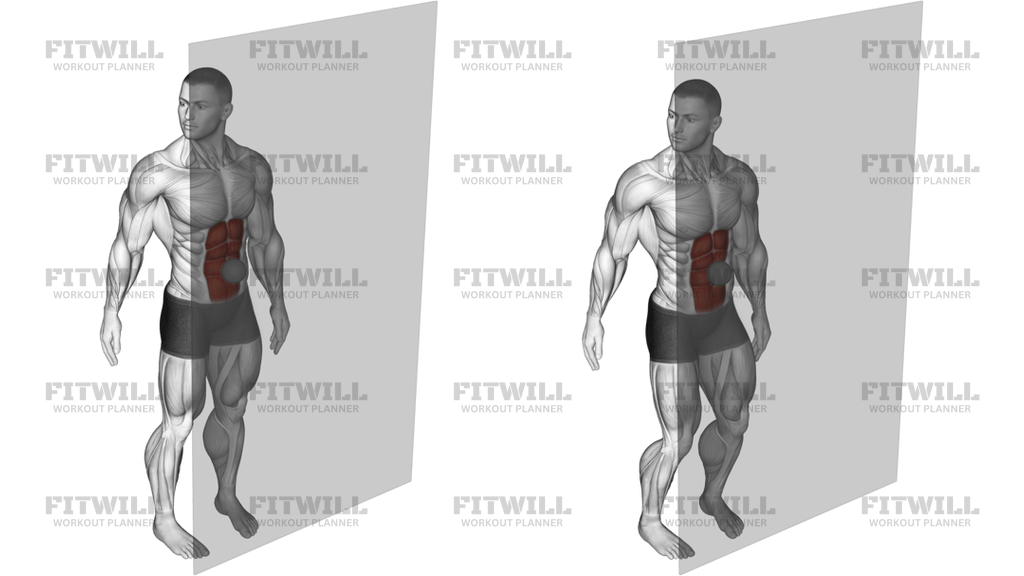
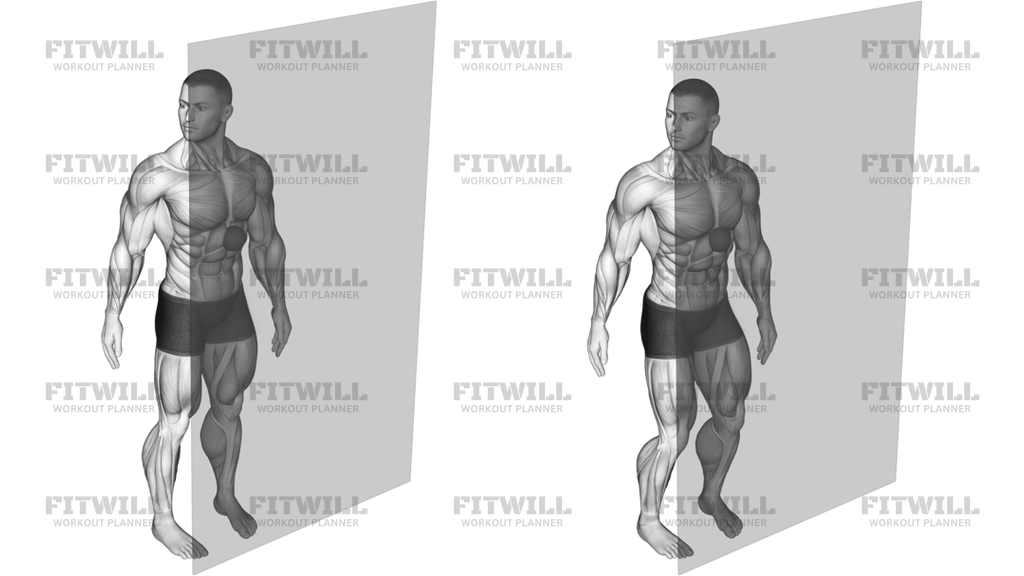
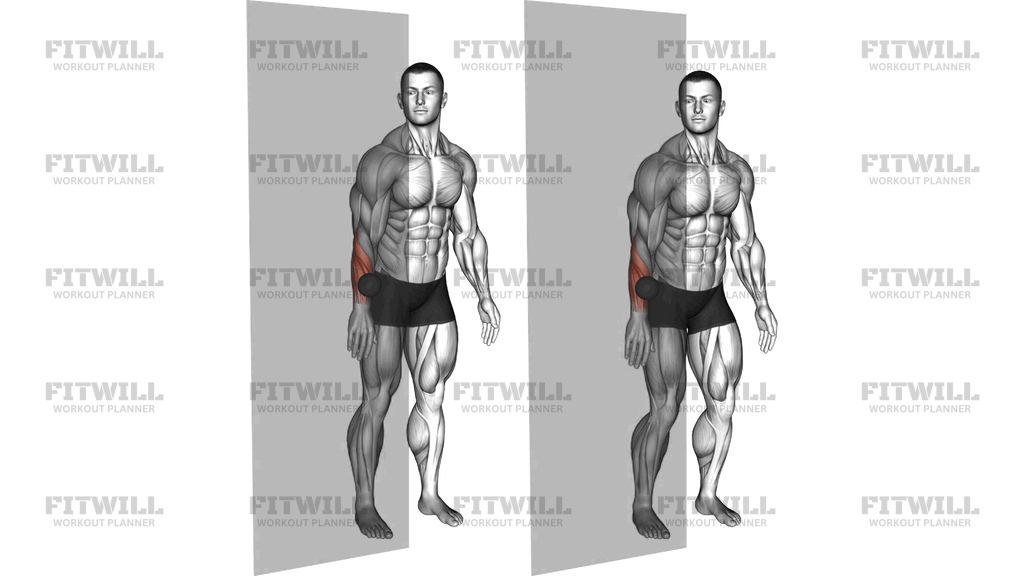
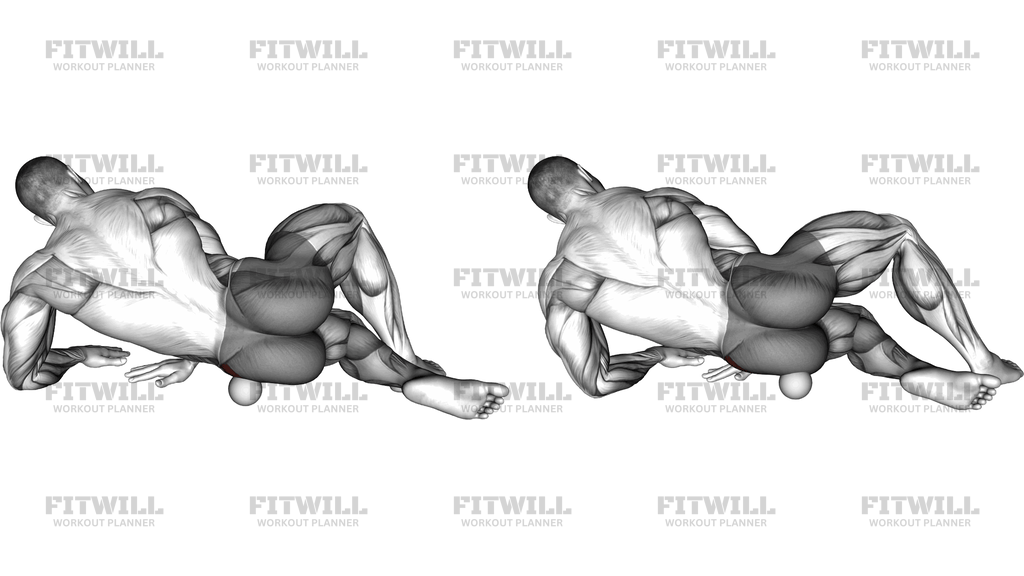
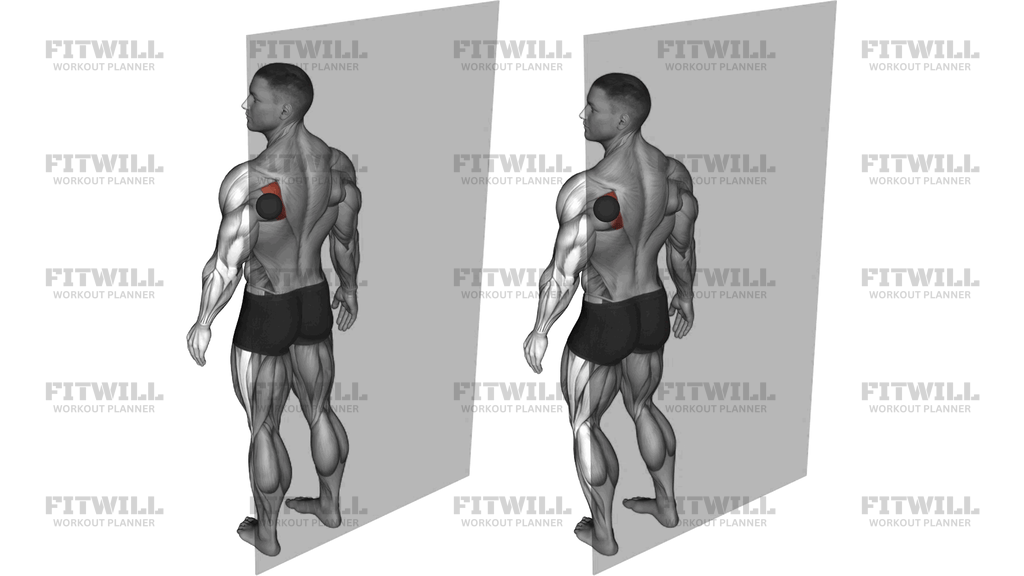
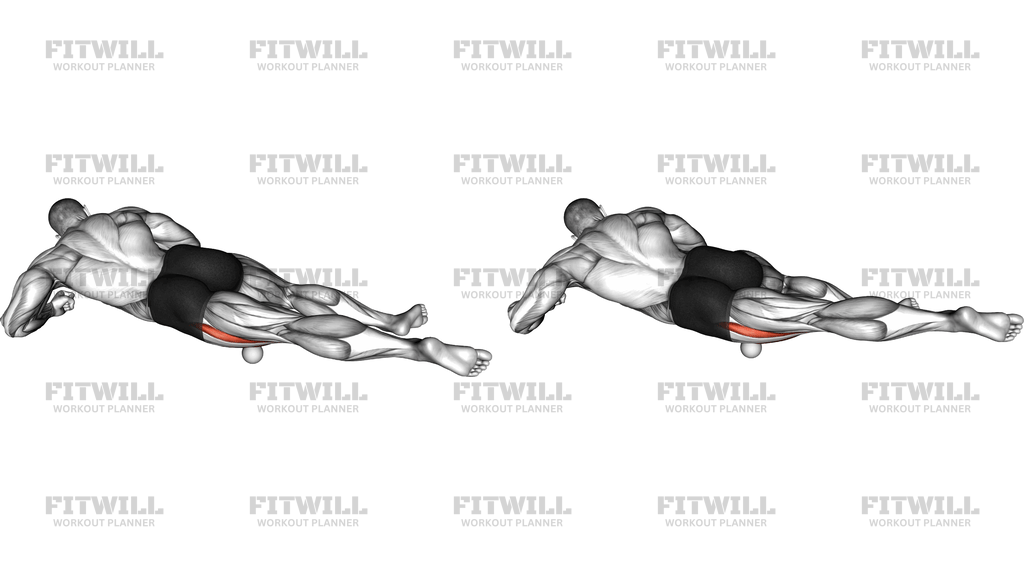
Roll Ball Side Lying Scalene Muscles Activation is a low-load neck drill performed on your side with the rollball placed against the side of the neck. The image shows a supported side-lying setup, which matters here because the goal is not to chase a big range of motion. It is to find a precise position where the scalene area can work or settle in without the jaw, shoulder, or upper trap taking over.
This exercise is most useful when you want more awareness in the side of the neck, better control of head position, or a gentle warm-up before harder neck or upper-body work. The ball gives a clear contact point, so even tiny changes in pressure, head angle, or rib position change where you feel the work. That makes setup the most important part of the rep: if the ball is too far forward, too low, or too deep, the drill turns into throat pressure or shoulder shrugging instead of clean scalene work.
A good repetition starts with a stacked side-lying body position, a relaxed jaw, and a long neck. From there, make only small nodding, side-bending, or pressure changes into the ball while keeping the shoulders quiet. The movement should look controlled and deliberate, not dramatic. Exhale softly as you settle into the working position, then ease out of it just as slowly so the neck never loses support.
Because this is a sensitive area, lighter is usually better. The best reps feel focused and organized, not forceful. If you feel pinching, throat pressure, dizziness, numbness, or a need to brace hard, the setup is wrong and the range should get smaller. Used well, this drill can help prepare the neck for training, improve positional awareness, and give you a controlled way to load the side of the neck without sloppy compensation.
It fits best in warm-ups, corrective blocks, rehab-informed work, or accessory sessions where precision matters more than load. Keep the contact point exact, keep the effort small, and let the setup do most of the work. That is what makes the exercise specific instead of generic neck movement.
[ Workout Log & Planner ]
Put your next workout in Fitwill
Keep your plan and training log ready when you are.


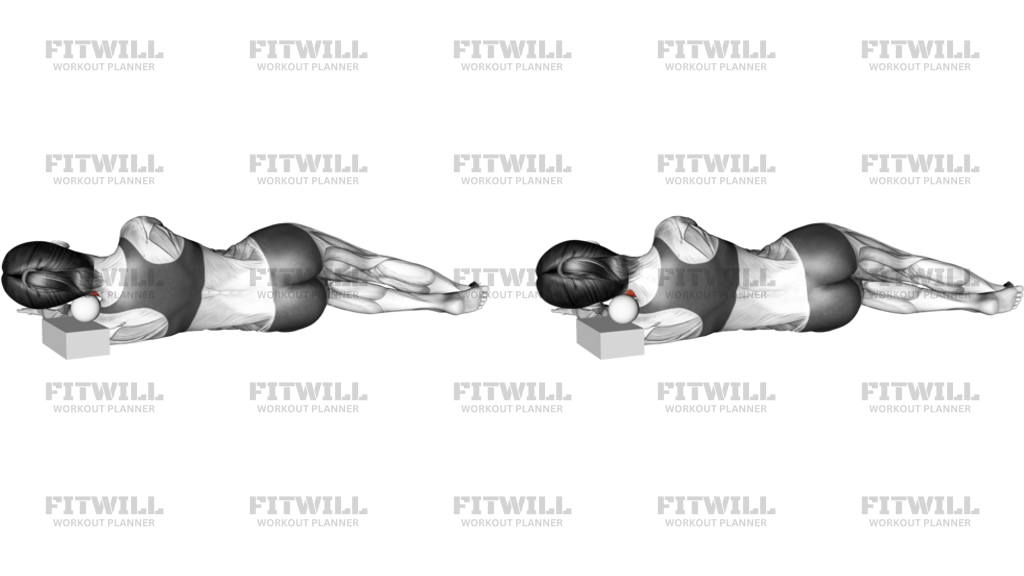
Instructions
- Lie on your side with your head, ribs, and pelvis stacked in one line.
- Place the rollball against the side of your neck just below the jawline and above the collarbone.
- Support the head so the neck is not hanging off the floor or bench.
- Keep the chin gently tucked and the jaw relaxed before you begin.
- Take a small inhale, then exhale and settle the side of the neck into the ball without shrugging.
- Make a tiny nod, tilt, or pressure change to find the point where the scalene area stays active without pain.
- Hold the position briefly, keeping the shoulders and chest quiet.
- Return slowly to the start and reset your breathing before the next rep.
- Complete the planned reps, then switch sides if the workout calls for it.
Tips & Tricks
- Keep the ball on the side of the neck, not on the throat or directly under the jaw.
- Use the lightest pressure that still lets you feel the side neck working.
- If the upper shoulder creeps toward the ear, shorten the range and reduce pressure.
- Tiny nods are enough; big neck circles usually shift the work away from the scalenes.
- Keep your jaw unclenched so you do not turn the drill into a face-and-neck brace.
- Exhale softly while you settle into the ball to avoid overbracing.
- Stop immediately if you feel dizziness, tingling, sharp pain, or throat compression.
- A towel or thinner support can make the setup less aggressive if the ball feels too intense.
- Work both sides with the same setup so one side does not become a compensation pattern.
- Treat this as precision work, not a conditioning set.
Frequently Asked Questions
What does Roll Ball Side Lying Scalene Muscles Activation target?
It is aimed at the scalene area on the side of the neck, with support from the deeper neck stabilizers and surrounding postural muscles.
Is this more of a stretch or a strength exercise?
It behaves like a low-load activation and control drill. The key is precise pressure and head position, not a large range or heavy resistance.
Where should the rollball sit on my neck?
Place it on the side of the neck just below the jawline and above the collarbone. It should not sit on the throat, the front of the neck, or directly on bone.
How much pressure should I use against the ball?
Only enough to feel a clear but controlled side-neck effort. If you have to brace hard, shrug, or grimace, the pressure is too high.
Can beginners do this exercise?
Yes, but only with very light pressure and a small range. Beginners should focus on finding a comfortable setup before adding reps.
What should I avoid feeling during the rep?
Avoid throat pressure, dizziness, tingling, sharp pain, or a strong shrug in the upper shoulder. Those signs usually mean the setup needs to change.
Do I need a big neck movement for this to work?
No. Small nods or tiny pressure shifts are usually enough. The exercise is about control and awareness, not range.
When should I use this exercise?
It fits well in a warm-up, rehab-style block, or accessory session where neck position and breathing quality matter more than load.
What is the most common setup mistake?
Placing the ball too far forward or pressing too hard usually shifts the drill away from the scalene area and into the throat or upper trap.